 03:41
03:41
BGA Assembly
Ball Grid Array (BGA) assembly represents a cornerstone of modern printed circuit board (PCB) manufacturing, enabling the integration of complex, high-density components in compact electronic devices. This surface-mount technology uses an array of solder balls beneath the package to connect integrated circuits directly to the PCB, offering superior electrical performance, thermal management, and space efficiency compared to traditional pin-based methods. For engineers, designers, and manufacturers searching for BGA assembly information, this tag serves as a comprehensive resource, addressing the intricacies of implementing this technique in real-world applications. Whether you are optimizing designs for consumer electronics, automotive systems, or telecommunications equipment, understanding BGA assembly is essential to achieving reliable connections and minimizing defects such as bridging or voids. In practice, successful BGA assembly demands precise control over processes like solder paste application, component placement, reflow soldering, and post-assembly inspection. Common challenges include ensuring uniform ball coplanarity, managing thermal profiles to prevent warping, and employing advanced techniques like X-ray inspection for hidden solder joints. This tag compiles articles that delve into best practices, from selecting appropriate underfill materials to troubleshooting common failures like head-in-pillow defects. For instance, you will find guidance on using automated optical inspection (AOI) systems to verify assembly quality, as well as tips for rework and repair that can extend the lifespan of prototypes and production runs. These insights are particularly valuable for those aiming to reduce manufacturing costs while maintaining high yield rates in high-volume production environments. By exploring the content under this BGA assembly tag, readers can gain practical knowledge to enhance their PCB projects. Articles cover everything from beginner-friendly overviews to advanced discussions on emerging trends like fine-pitch BGA variants and lead-free soldering compliance. This collection equips you with the tools to tackle assembly challenges effectively, supporting innovation in electronics design and fabrication.
Video Guide

Technical Articles
SMT BGA Head-in-Pillow (HIP) Defect: Mechanism, Detection, and Process Solutions
SMT BGA Failure Analysis by Dye Stain: Procedure, Criteria, and Practical Cases
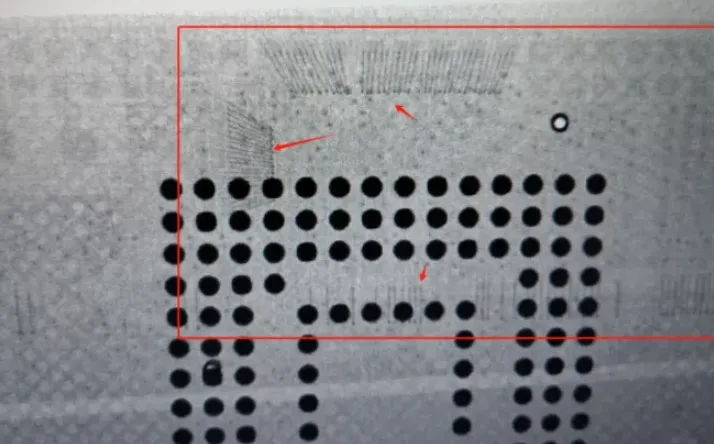
X-Ray Inspection of eMMC BGA: Solder Ball Assessment and an Unexpected Finding
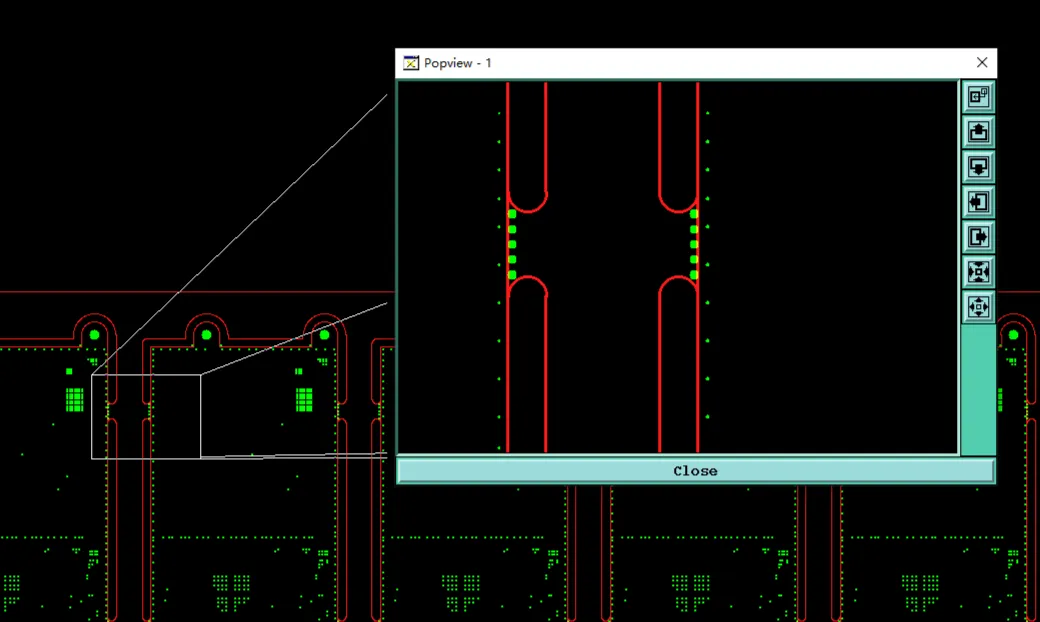
How to Prevent Solder Mask Bridge Failure and NSMD BGA Issues in 8-Layer PCB
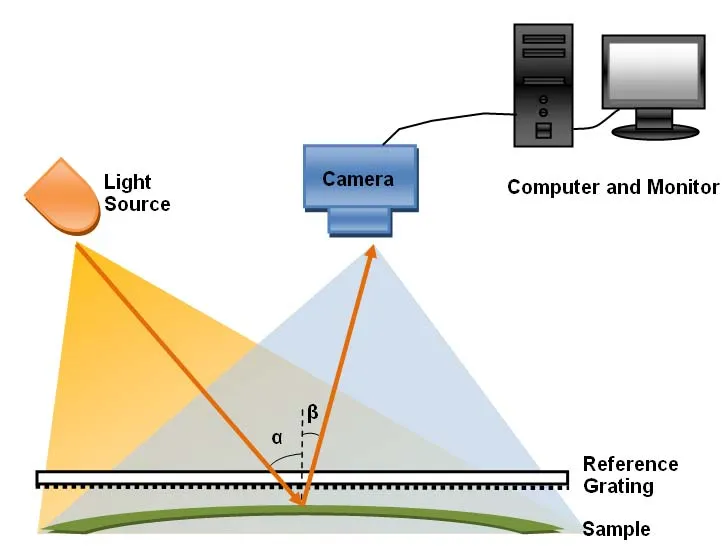
Router and Switch PCB Manufacturing: Overcoming Assembly Challenges
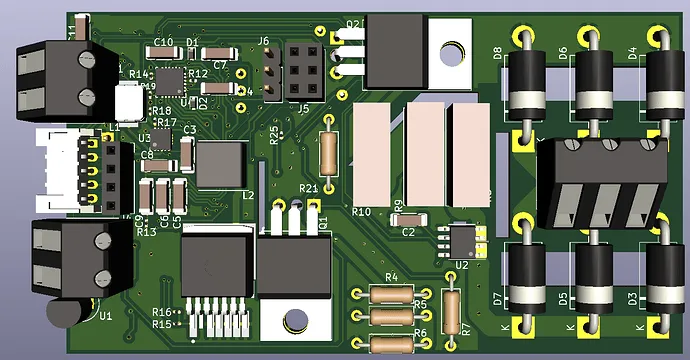
Advanced SMT Assembly Techniques for Wind Turbine Control PCBs
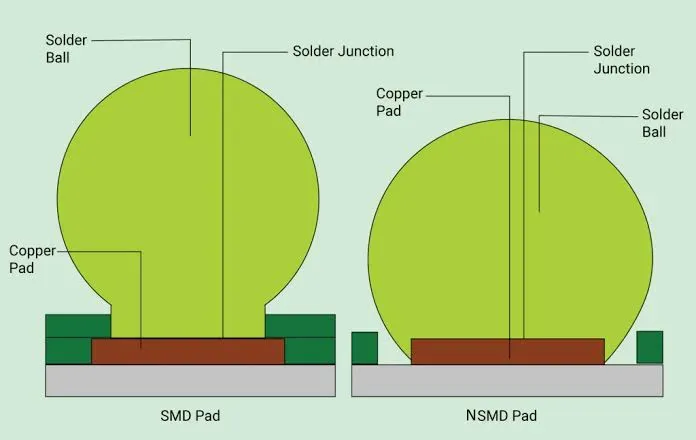
SMD Pad vs NSMD Pad for HDI BGA: Which Is Better?
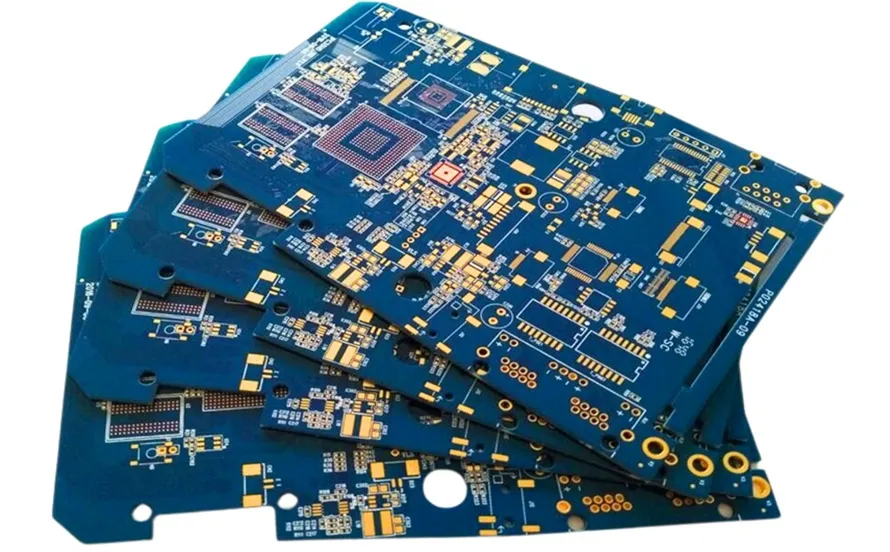
Common Via-in-Pad Design Mistakes in HDI PCB

HDI BGA Fanout Design Mistakes That Cause Assembly Issues
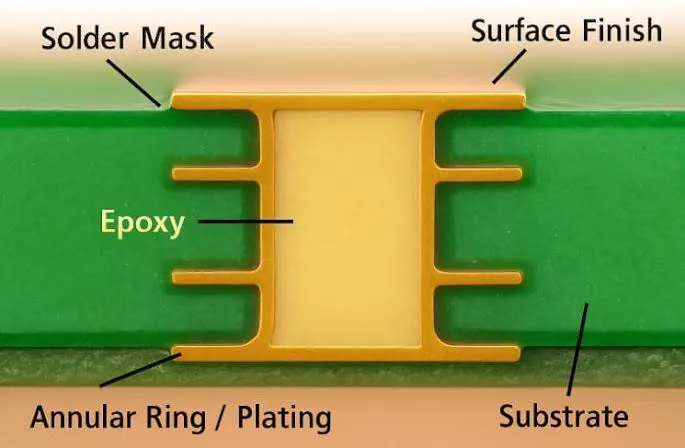
Resin Filled Via vs Copper Filled Via HDI: What Is the Difference?
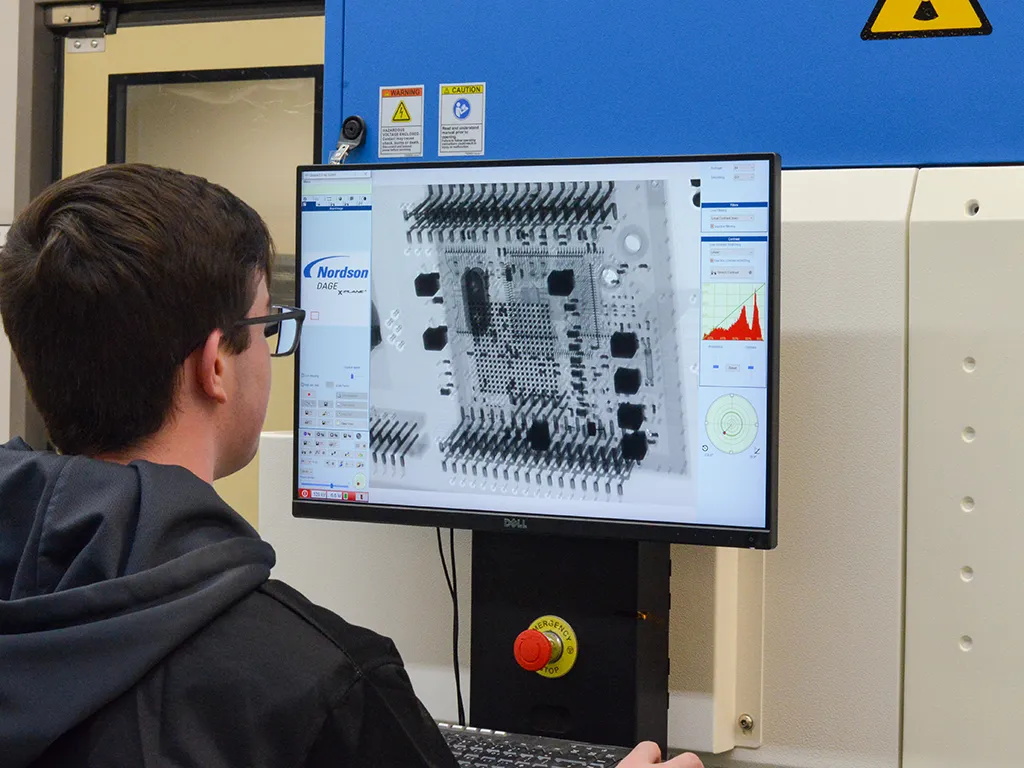
X Ray Vision for PCBs: Mastering Defect Detection in Electronics Manufacturing
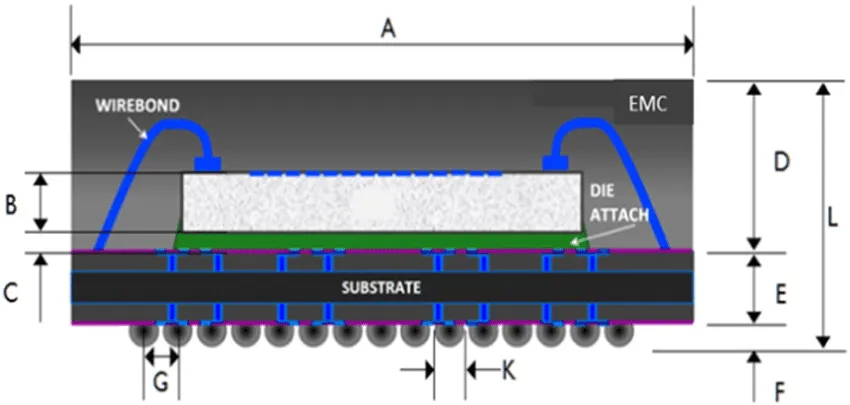
BGA Inspection Demystified: How X Ray Technology Ensures Reliable Solder Joints
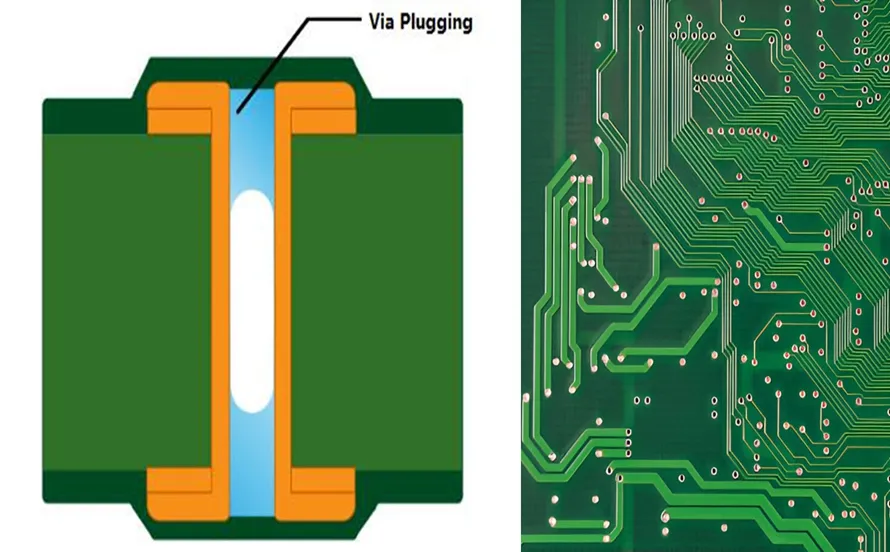
Boosting PCB Reliability: How Via Filling Prevents Solder Wicking and Contamination
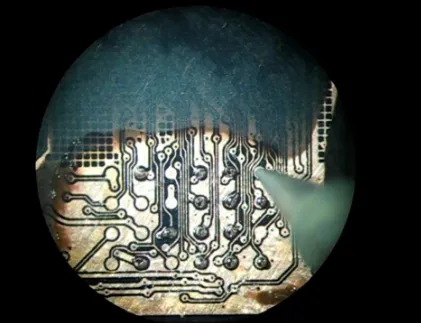
How to Access NAND Flash and Read Data
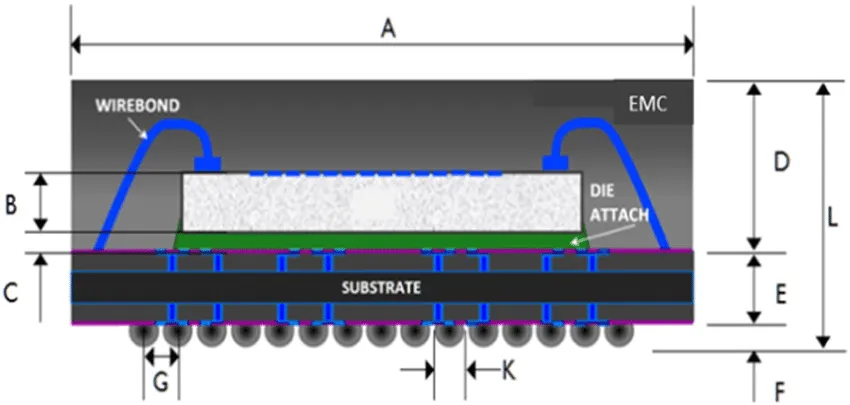
A Comprehensive Guide to BGA Assembly and Inspection
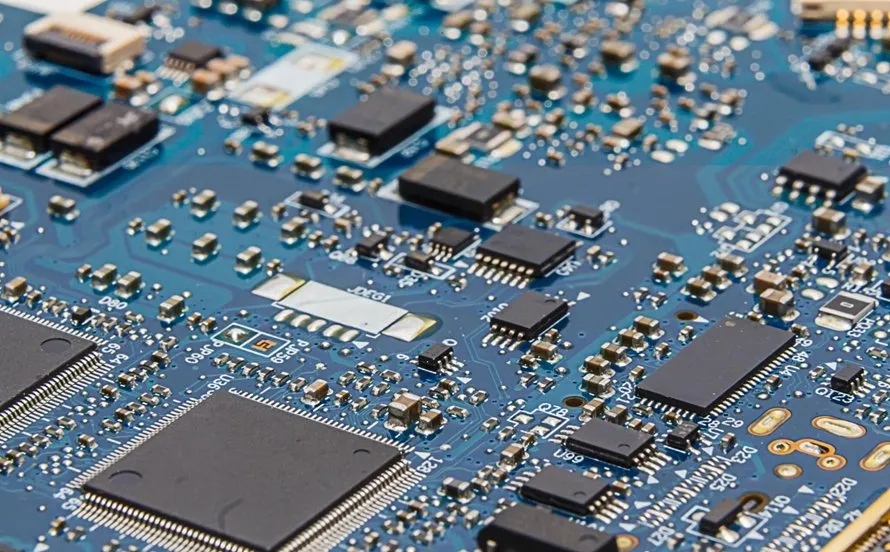
Mixed Assembly: How to Design a PCB for SMT, THT, BGA
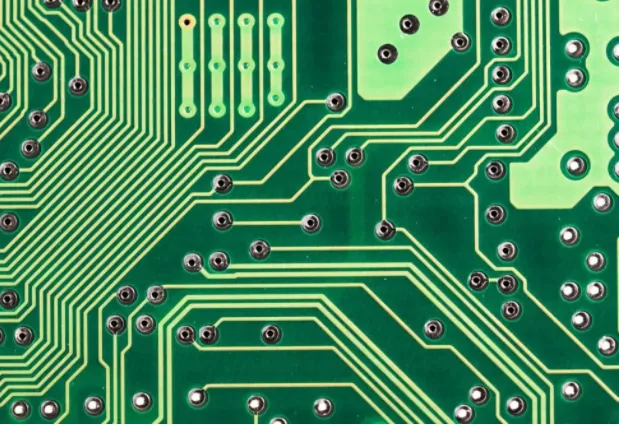
Optimizing BGA Assembly: The Critical Role of Solder Mask Thickness
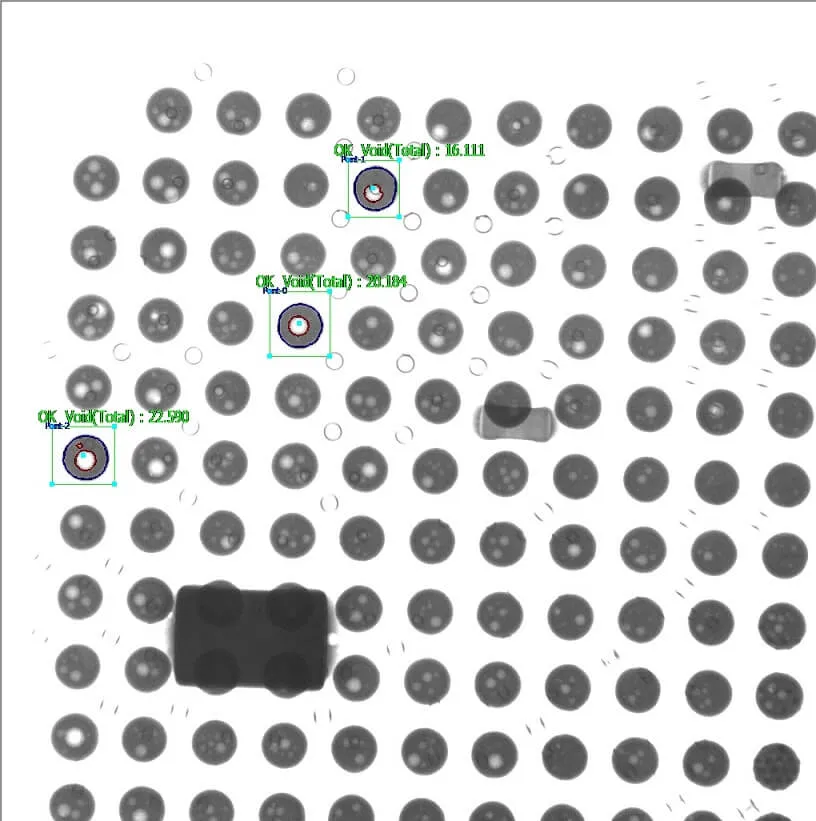
Uncovering Hidden PCB Defects: A Guide to BGA X-Ray Inspection