Electromagnetic compatibility (EMC) is a central part of electronic product design. Electrostatic discharge (ESD) is one of the common problems inside that work. The methods below are practical ESD protections used to raise equipment reliability and stability.

1. Design a Consistent Grounding System
A sound grounding system is the first barrier against ESD. Connecting all metal housings and critical parts to a common ground point lets the charge from an ESD event spread and be absorbed. A planned ground system helps keep that event from causing irreversible damage.
2. Use ESD Suppressors
An ESD suppressor is a passive part designed to absorb and clamp the overvoltage of an ESD event. These devices are usually placed on input and output lines as protection. Common suppressors include diodes, TVS diodes, and MOVs (metal-oxide varistors). They conduct quickly and divert ESD energy to ground.
3. Apply Electrostatic Shielding Materials
Shielding materials reduce the effect of ESD on the product. They typically include conductive materials, electrostatic shielding films, and covering layers used to enclose electronic parts. Applying them on the enclosure and on critical circuits lowers the impact of an ESD event.
4. Place and Route the PCB for ESD
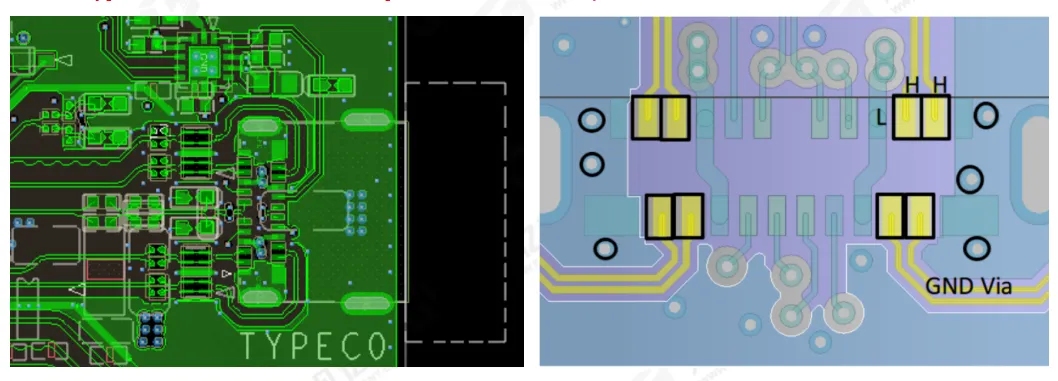
On the PCB, placement and circuit design also control ESD. Avoiding abrupt circuit changes and high-impedance paths reduces the stress an ESD event places on the parts. Shield structures and filters that are placed with that goal can also slow how the event spreads.
5. Add ESD Protection at Critical Nodes
Adding dedicated ESD parts at critical nodes is an effective method. ESD diodes or TVS diodes at I/O ports, antenna interfaces, and similar points give more targeted protection. This approach has a clear effect on preventing ESD-related failures.
Conclusion
As products become smaller and more highly integrated, ESD protection matters more. A consistent ground system, ESD suppressors, shielding materials, ESD-aware PCB placement and routing, and protection parts at critical nodes together reduce the effect of ESD events and improve reliability and stability. Using these methods together is what produces a more robust product.