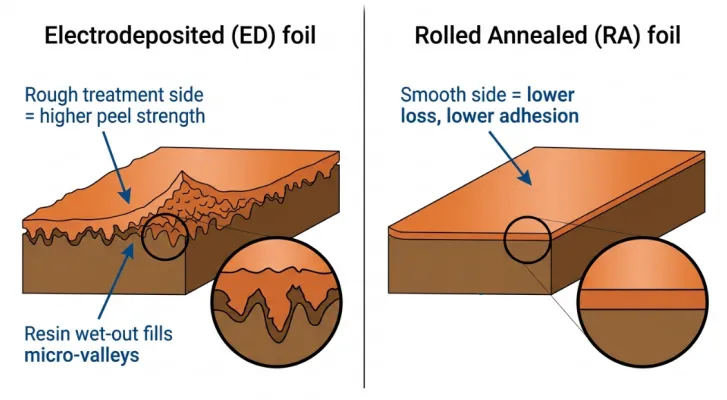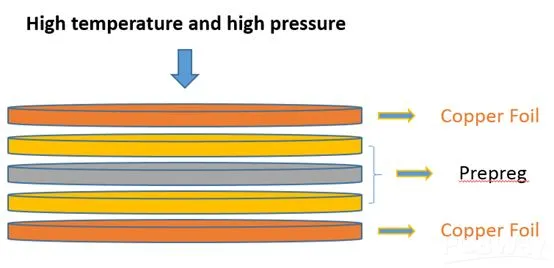
PCB Laminate
PCB laminate forms the foundational substrate in printed circuit boards, serving as the insulating material that supports conductive layers and components. This tag, PCB Laminate, encompasses a collection of articles dedicated to exploring the various types, properties, and applications of these essential materials in electronics design and manufacturing. Whether you are an engineer selecting materials for high-frequency circuits or a hobbyist troubleshooting board failures, understanding PCB laminates is crucial for ensuring reliability, thermal management, and signal integrity in your projects. Common laminates like FR-4 offer a balance of cost-effectiveness and durability, making them ideal for standard consumer electronics, while advanced options such as polyimide or ceramic-filled variants excel in harsh environments like aerospace or automotive applications. Articles under this tag delve into key factors such as dielectric constant, glass transition temperature, and CTE (coefficient of thermal expansion), providing practical guidance on how these properties influence board performance. For instance, choosing a laminate with low moisture absorption can prevent delamination in humid conditions, a common pitfall in PCB assembly. To optimize your designs, consider best practices like matching laminate thickness to trace widths for impedance control or incorporating halogen-free options for environmental compliance. These insights help mitigate issues such as warping during soldering or signal loss in RF designs. By reviewing the resources here, you can gain a deeper understanding of laminate selection processes, including comparisons between rigid, flexible, and metal-core types, empowering you to make informed decisions that enhance product longevity and efficiency. For those seeking specific solutions, the articles linked below offer detailed case studies and tutorials on integrating laminates into prototyping and production workflows, helping you apply these concepts directly to your work.
Technical Articles
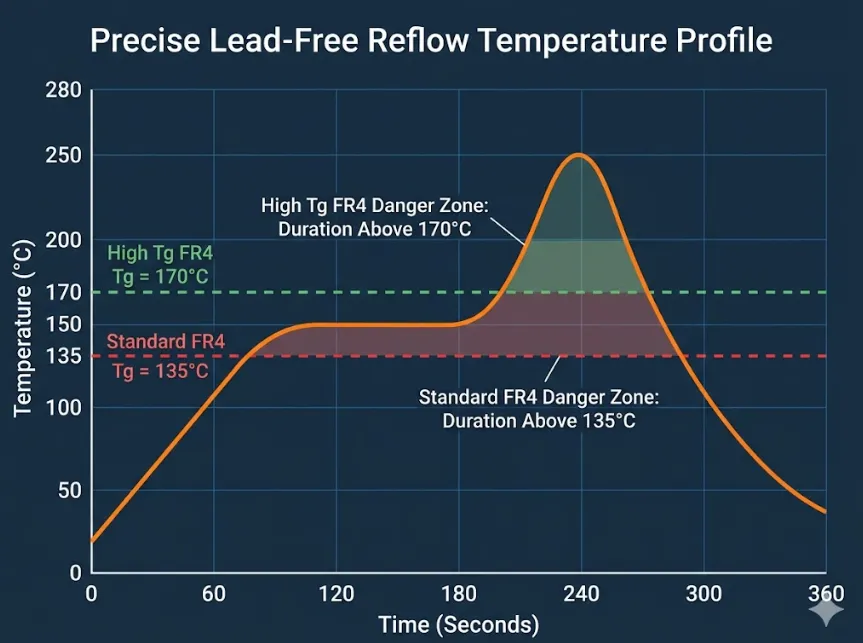
How PCB Tg Affects the SMT Reflow Soldering Process
Emergency Substitution Strategies for SMT PCB Laminates: From Performance Matching to Manufacturing Implementation
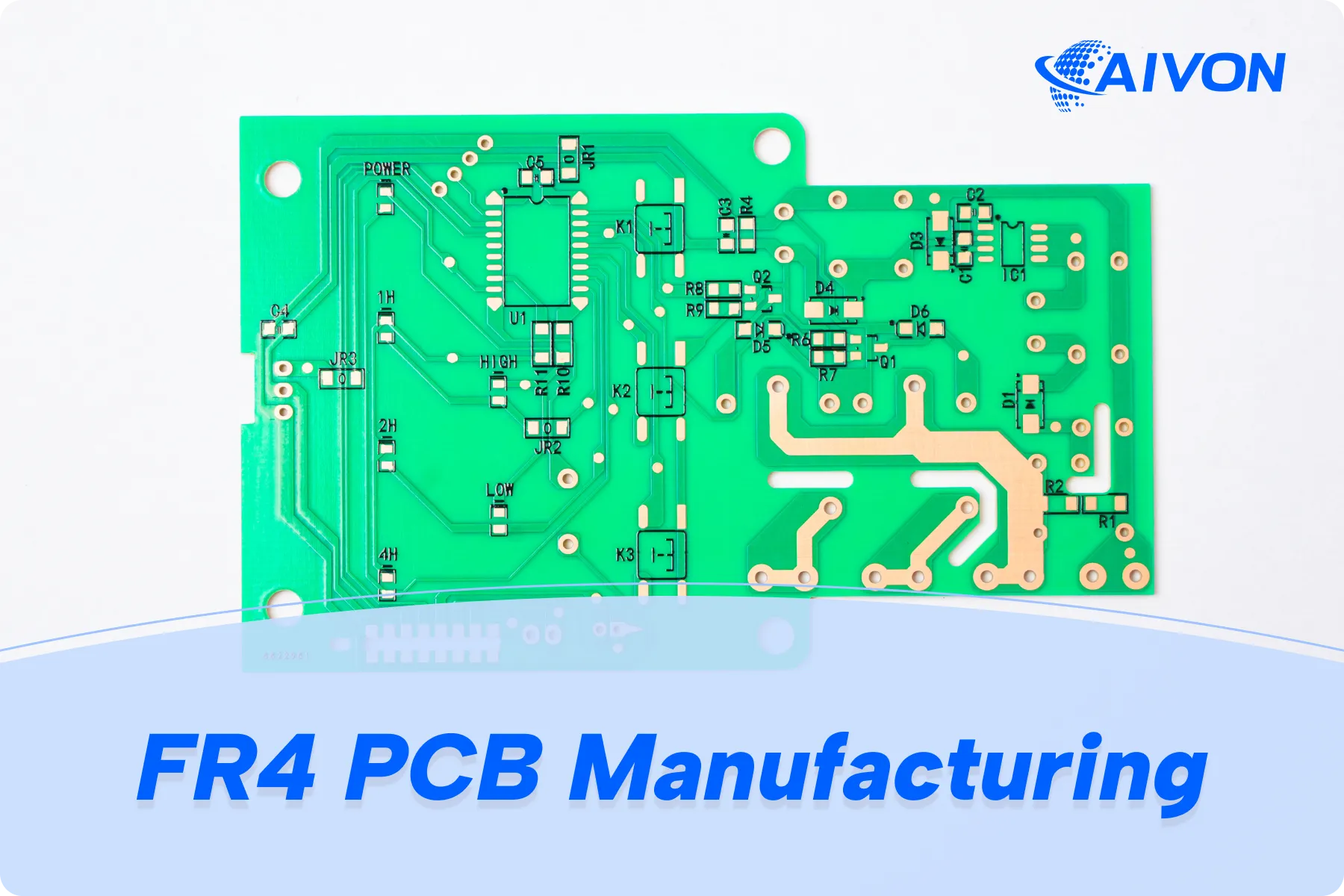
FR4 PCB Manufacturing: Materials, Process, and Fabrication Guide
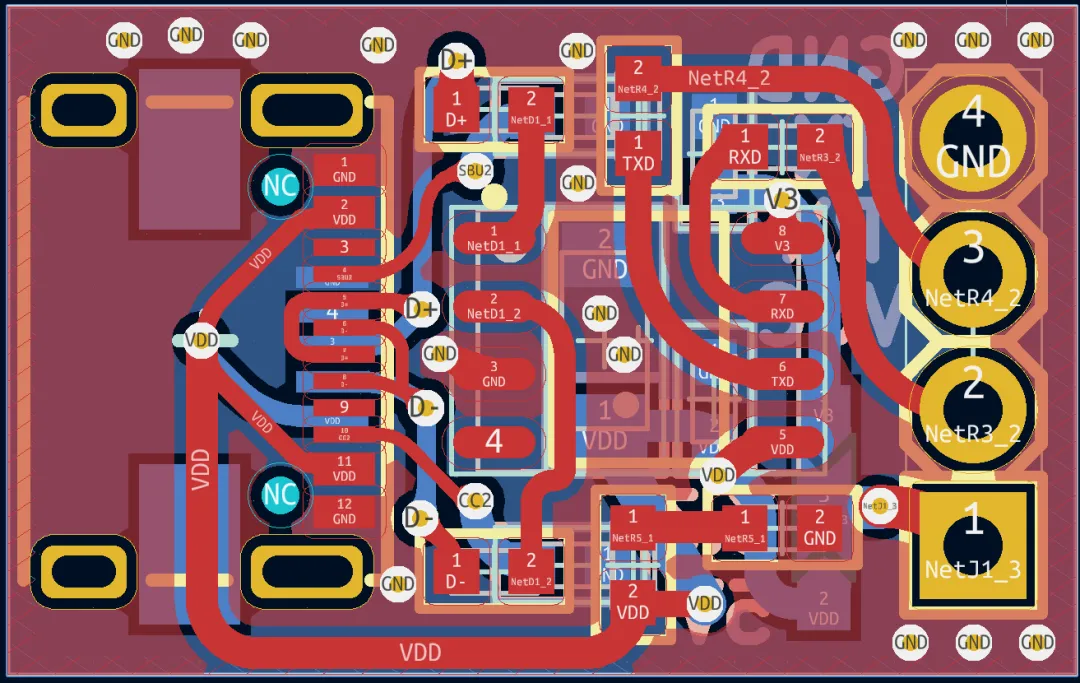
Why Do PCBs Warp and What Are the Consequences?
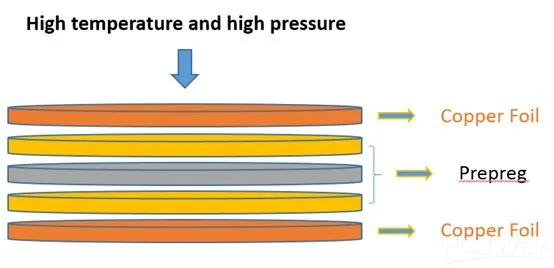
Choosing the Right Copper Clad Laminate (CCL): A Comprehensive Guide
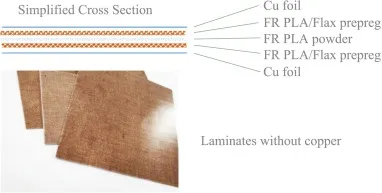
The Benefits of Using Sustainable PCB Laminates in Military and Aerospace Applications
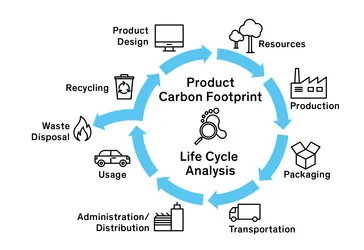
From Cradle to Grave: Analyzing the Environmental Impact of PCB Materials
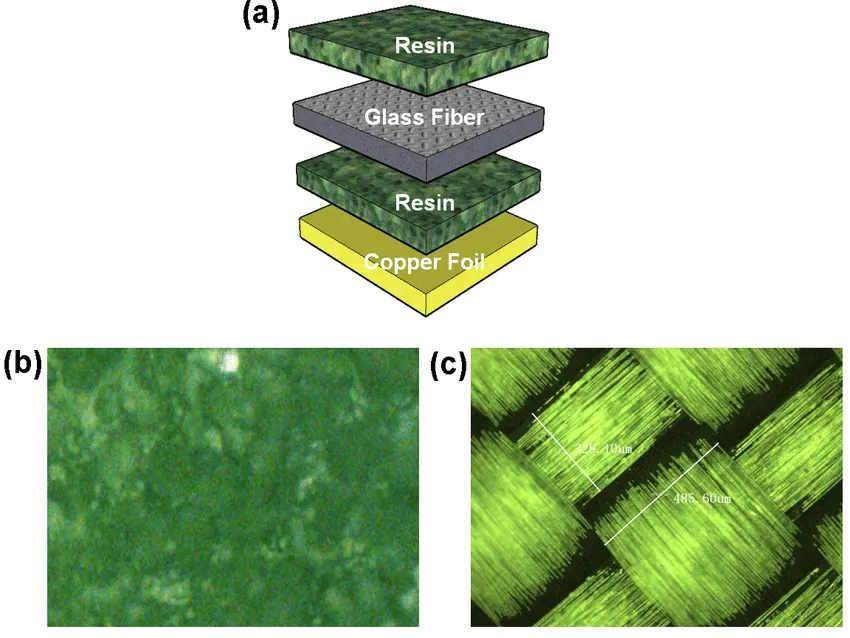
The Role of Substrates in Single Sided PCB Design
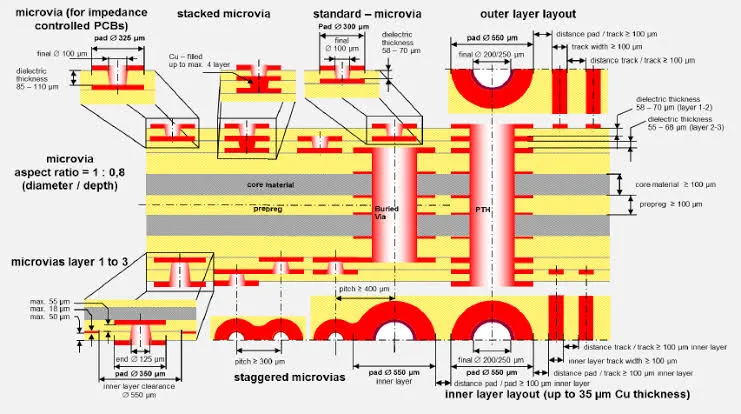
Shengyi vs Kingboard Materials for HDI PCB Manufacturing

Kingboard Announces 10th CCL Price Increase as PCB Material Costs Continue Rising
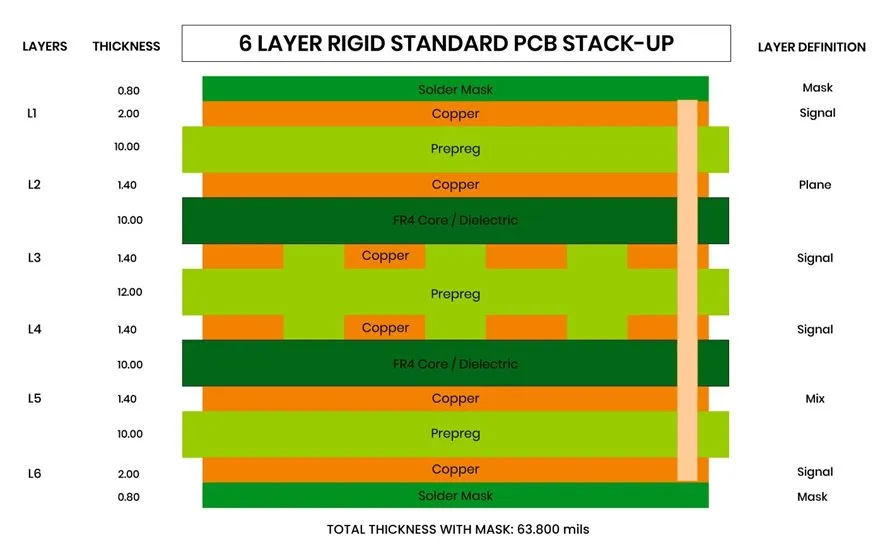
The Importance of Laminate Thickness in Achieving Precise Impedance Control
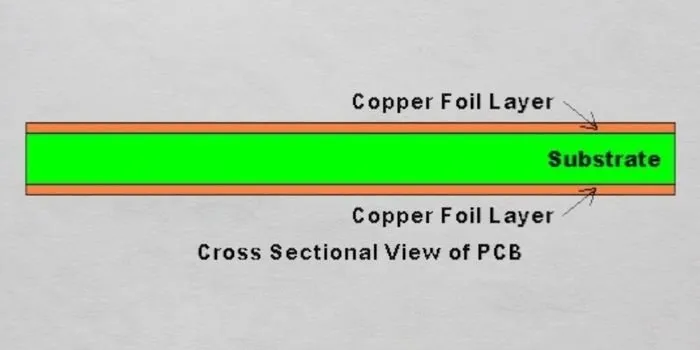
Achieving Optimal Bond Strength: Best Practices for Copper Cladding Lamination
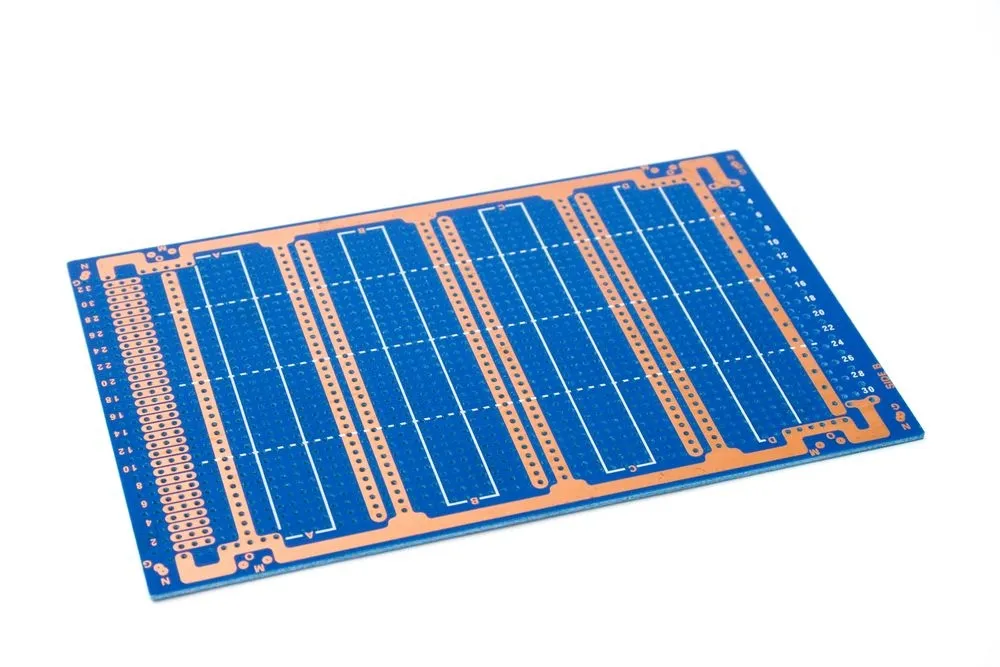
Understanding PCB Materials: A Guide to IPC-4101 Standards
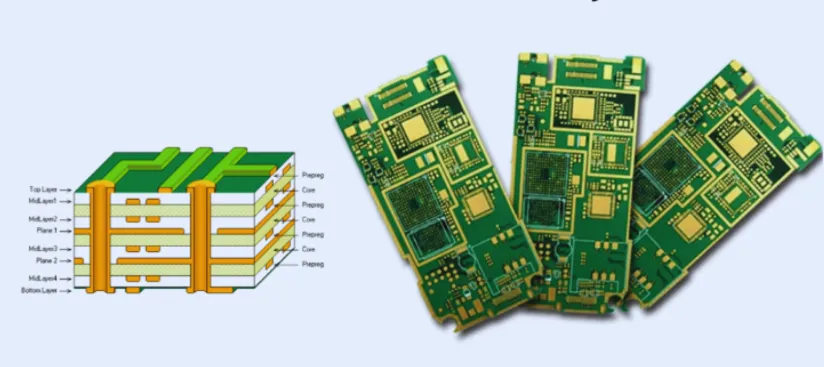
DIY Multilayer PCB: How to Make a PCB at Home
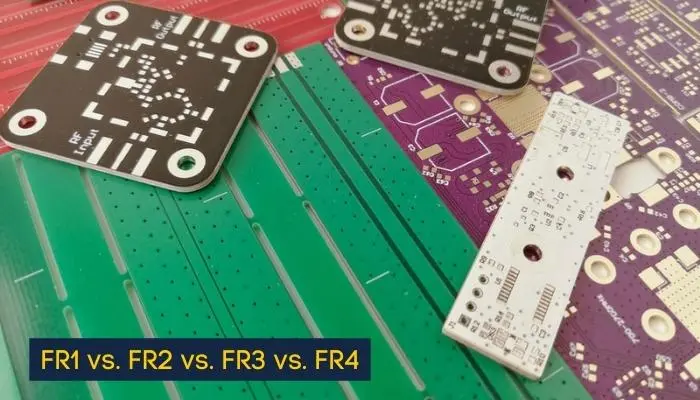
FR1 vs FR2 vs FR3 vs FR4: How to Choose the Right PCB Material
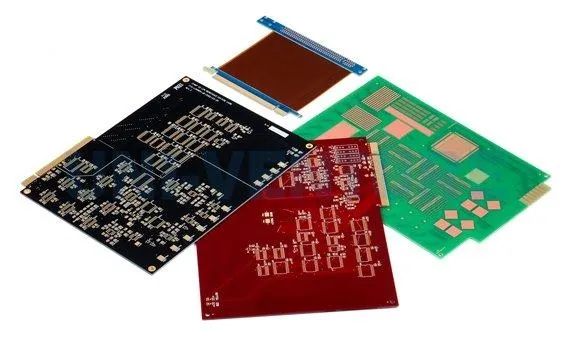
What are the Key Differences of FR1 vs. FR2 vs. FR3 vs. FR4?
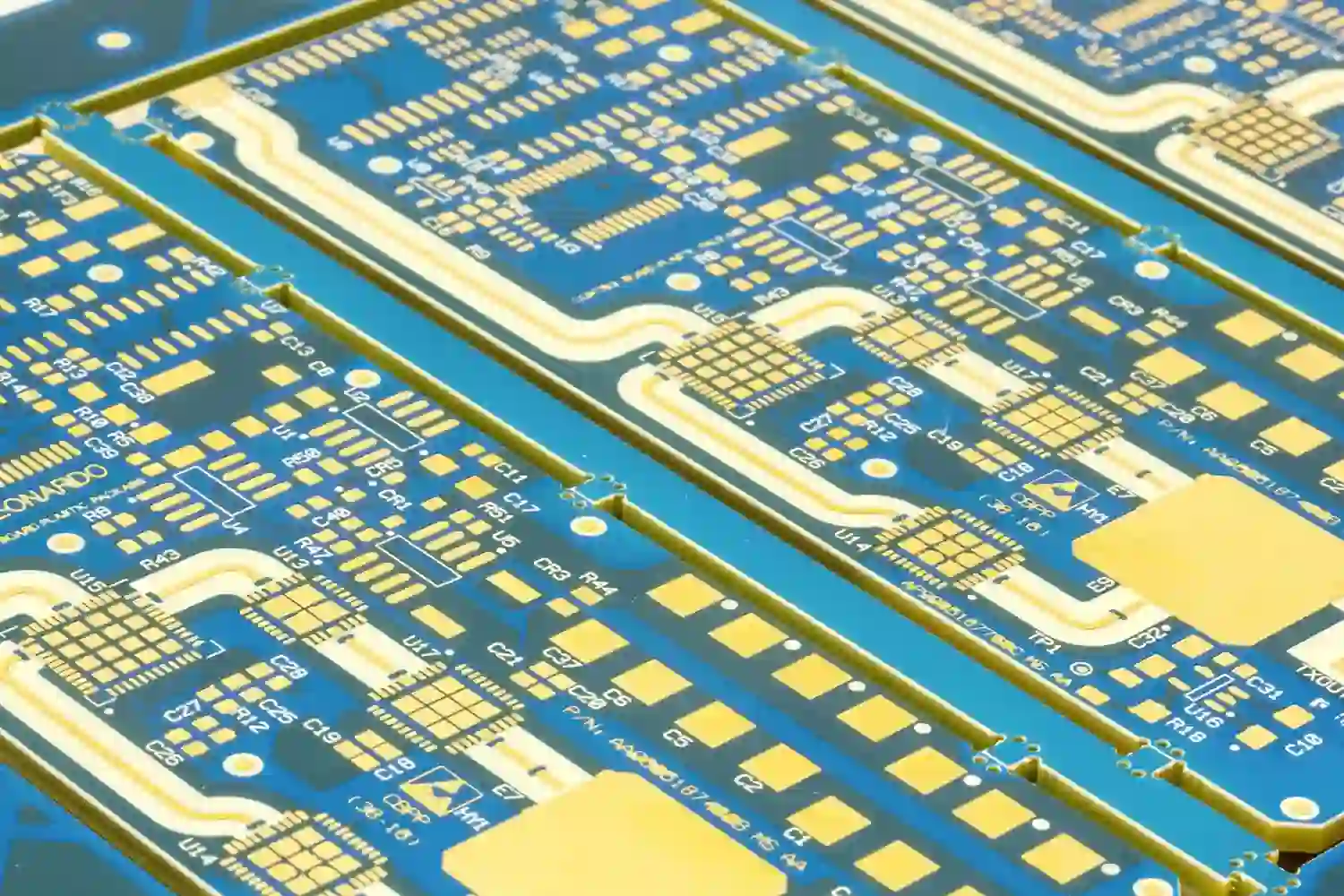
Selecting the Right PCB Laminate for High-Frequency Ultrasound Applications
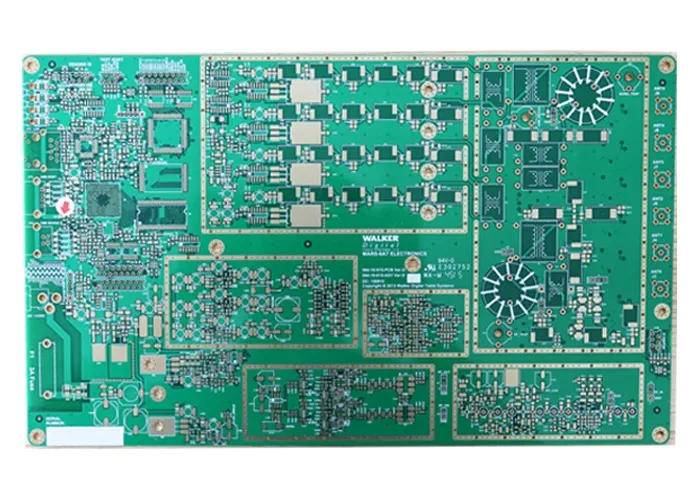
High-Tg PCB Manufacturing: The Ultimate Guide for Demanding Applications