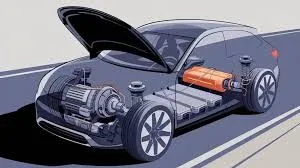
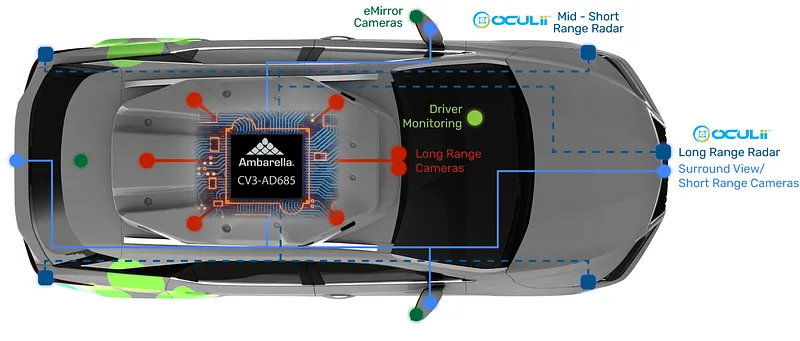
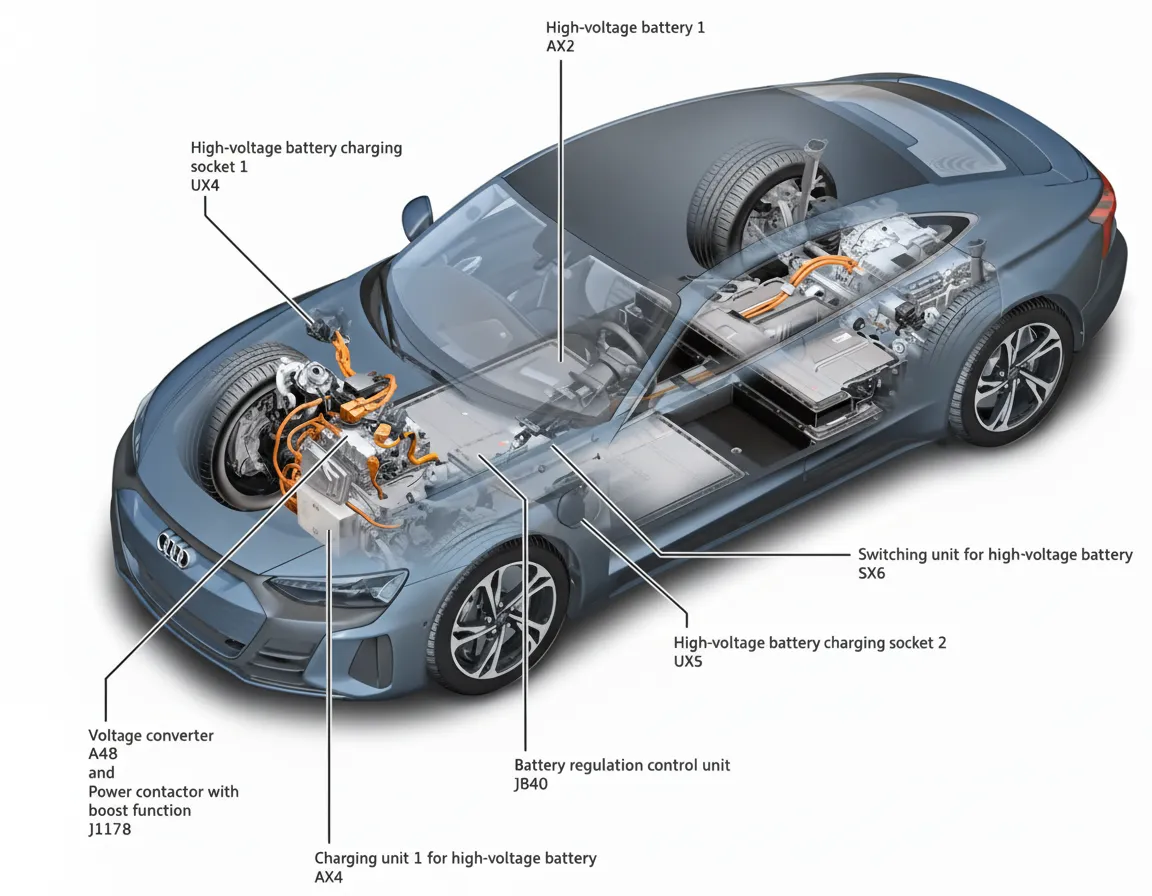
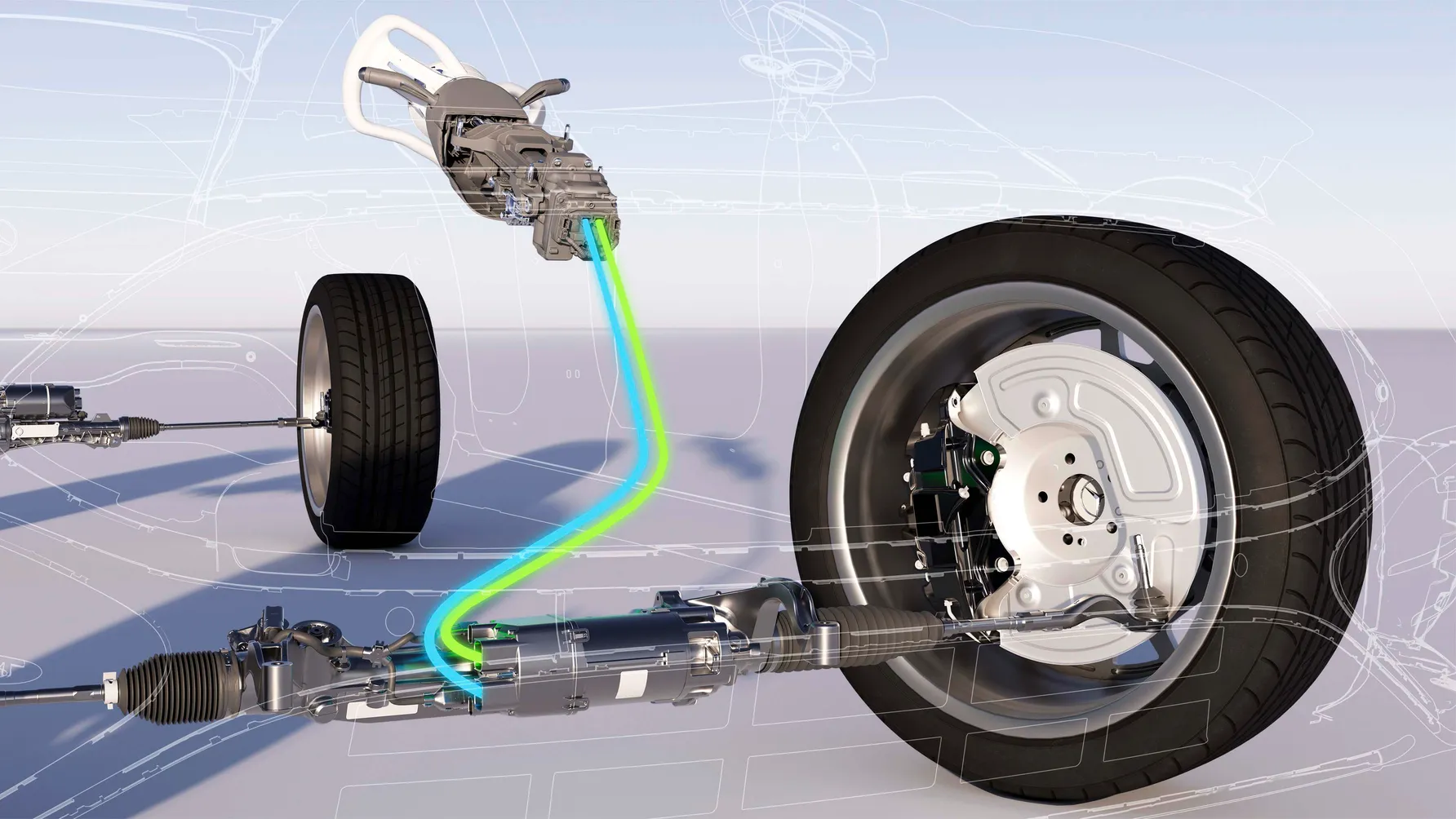
Steer-by-wire (SbW) technology eliminates the mechanical linkage between the steering wheel and road wheels, replacing it with electronic controls and actuators. Combined with broader intelligent chassis systems like Huawei's Tuling and xMotion platforms, these architectures enable precise path control, vehicle body coordination, and advanced driver assistance. The success of steer-by-wire and intelligent chassis depends heavily on the underlying printed circuit boards, which must deliver ultra-high reliability, deterministic low-latency communication, redundant safety architectures, and robust performance under harsh automotive conditions. At Aivon, we engineer specialized high-reliability PCBs that power these safety-critical systems for leading OEMs.
Steer-by-Wire System Architecture and PCB Requirements
Steer-by-wire systems use steering wheel angle sensors, torque sensors, electronic control units (ECUs), and road-wheel actuators to translate driver input into precise wheel movement. Tesla's implementation in the Cybertruck and similar architectures highlight the need for dual or triple redundant channels to achieve ASIL-D functional safety.
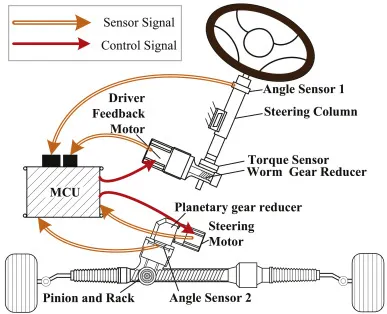
Critical PCB design considerations include:
- Redundant Processing and Communication: Multiple independent microcontroller domains with isolated power supplies and cross-monitoring circuits on the same board or through tightly synchronized multi-board systems.
- High-Speed Sensor Interfaces: Precise routing for Hall-effect, resolver, or inductive position sensors with low-noise analog front-ends and excellent signal integrity to ensure sub-degree steering accuracy.
- Actuator Control: Powerful motor drivers with fast-switching gate circuits requiring minimal loop inductance, heavy copper layers, and advanced thermal vias to manage high transient currents.
- Deterministic Networking: Support for Time-Sensitive Networking (TSN) or FlexRay-like protocols with tight impedance control and low-jitter clock distribution.
Intelligent Chassis Coordination and Domain Controller PCBs
Modern intelligent chassis systems, such as Huawei's Tuling platform and xMotion body coordination control, integrate steering, braking, suspension, and drivetrain into unified domain controllers. This evolution from traditional mechanical chassis to software-defined systems dramatically increases PCB complexity.
PCB engineering challenges include:
- Multi-Domain Integration: High-density HDI PCBs layouts that combine safety-critical control, high-speed Ethernet, and power electronics while maintaining strict isolation between domains.
- Sensor Fusion and Real-Time Processing: Clean high-speed interfaces for multiple IMUs, wheel speed sensors, and steering feedback loops, demanding multilayer stack-ups with dedicated analog and digital ground planes.
- Power Integrity Under Dynamic Loads: Sophisticated PDNs capable of handling rapid torque changes and regenerative events without voltage droops that could compromise control precision.
Signal Integrity, EMI/EMC, and Thermal Management in SbW Systems
Steer-by-wire systems operate in electrically noisy environments with high-voltage components and fast-switching actuators.
Key PCB solutions include:
- EMI Mitigation: Via fencing, guard traces, and strategic ground plane stitching to suppress radiated and conducted emissions that could interfere with safety-critical signals.
- Thermal Design: Localized hot spots from motor drivers require copper coins, heavy copper pours, and optimized component placement to maintain stable operation across -40:C to +125:C automotive temperature ranges.
- Material Selection: High-Tg, low-CTE laminates with strong dielectric strength to ensure long-term reliability under thermal cycling and mechanical vibration.
Failure mechanisms such as via fatigue, solder joint cracking under vibration, or signal corruption due to insufficient isolation must be proactively addressed through robust design and manufacturing controls.
Manufacturing and Reliability Strategies for Safety-Critical Chassis PCBs
Producing steer-by-wire and intelligent chassis PCBs requires automotive-grade processes:
- Redundant via structures and enhanced plating for mechanical durability.
- Tight impedance and registration tolerances for high-speed sensor and communication links.
- Comprehensive functional safety validation, including latent fault testing and ASIL-compliant design-for-testability features.
- Rigorous environmental stress screening (thermal shock, vibration, humidity) to guarantee zero-defect performance in the field.
These measures support the transition from mechanical to fully electronic chassis control while meeting the highest safety standards.
Conclusion
Steer-by-wire and intelligent chassis technologies represent a fundamental shift in vehicle dynamics control. Their precision, responsiveness, and safety are ultimately determined by the quality of the PCBs that process sensor data, execute control algorithms, and drive actuators in real time.
Aivon delivers advanced PCB solutions tailored for steer-by-wire systems, domain controllers, and next-generation intelligent chassis platforms. Our expertise in high-reliability design, redundant architectures, power integrity, and automotive manufacturing processes helps OEMs and Tier 1 suppliers achieve superior steering precision, vehicle stability, and long-term system dependability in software-defined vehicles.