Introduction
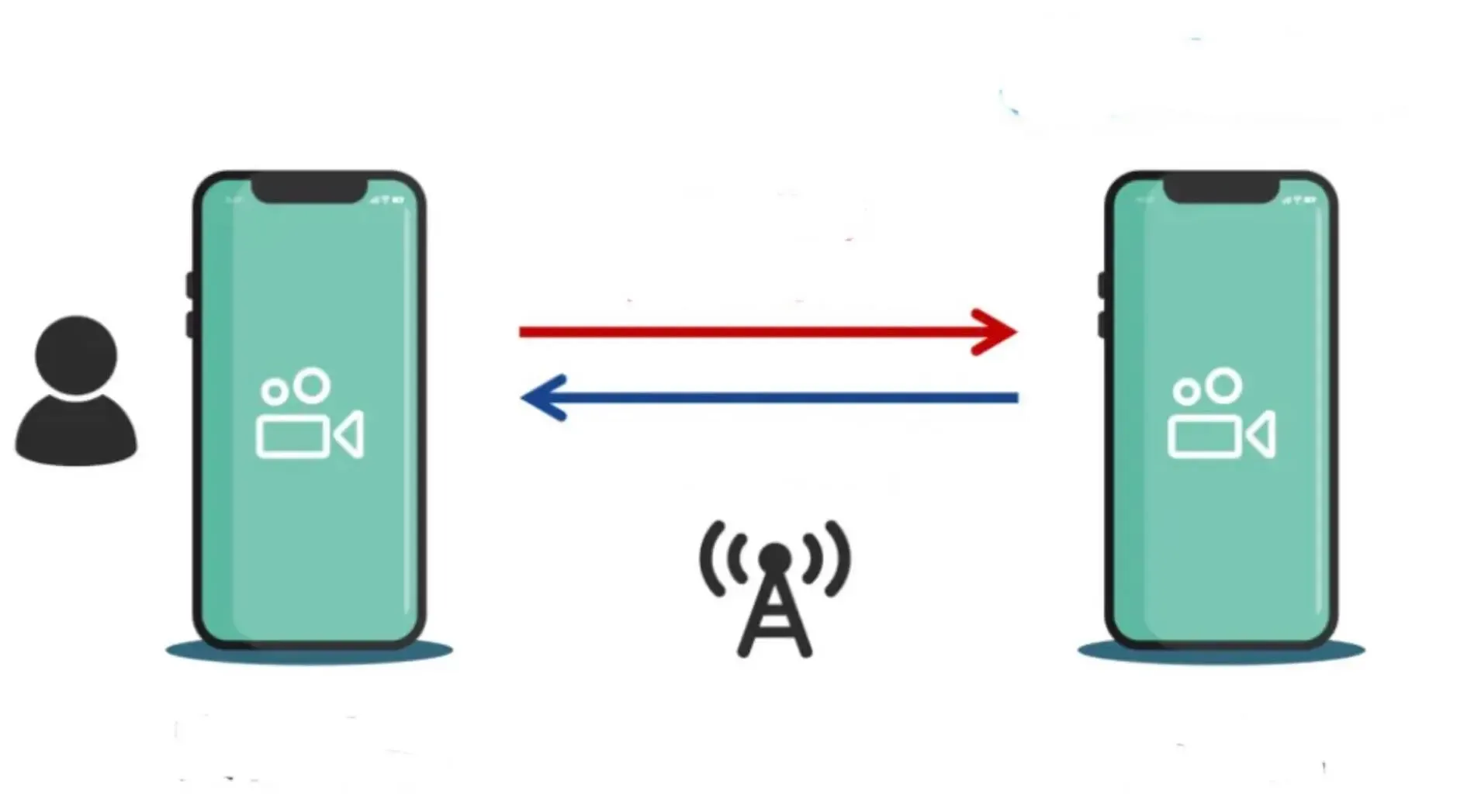
In video surveillance systems, a single IP camera is frequently accessed by multiple Network Video Recorders (NVRs) to serve different stakeholders - such as central monitoring, guard stations, and management offices. While this multi-access capability is common, it introduces significant challenges in network bandwidth, stream management, configuration consistency, and hardware reliability. For electronics engineers and PCB manufacturers, these scenarios highlight critical design requirements in IP camera and NVR systems.
Technical Limits: How Many NVRs Can Access One Camera?
IP cameras (IPCs) are typically categorized as wired or wireless, each with different multi-stream capabilities:
- Wired IP Cameras: Generally support simultaneous access by up to three NVRs.
- Wireless IP Cameras: Usually limited to two NVRs due to bandwidth and power constraints.
These limits stem from the camera's maximum concurrent stream count. For example, many Hikvision dealer-series cameras support 6 simultaneous streams. Since each NVR typically pulls both main and sub-streams (2 streams per NVR), this allows up to 3 NVRs. Higher-end dome models with 20-stream capacity can theoretically support up to 10 NVRs.
Exceeding these limits leads to stream contention, resulting in flickering previews, dropped frames, incomplete recordings, or camera disconnections.
Key Challenges in Multi-NVR Deployments
Bandwidth and Network Infrastructure
When multiple NVRs access the same camera, the total bitrate multiplies. A typical 2MP (200W) H.264 camera at 4 Mbps (main) + 0.5 Mbps (sub) generates approximately:
- 9 Mbps for two NVRs
- 13.5 Mbps for three NVRs
Switches must handle this multiplied traffic. Uplink ports should use Gigabit Ethernet when sustained bandwidth exceeds ~70 Mbps to prevent congestion and packet loss.
Configuration and Control Conflicts
Multiple NVRs sending commands to one camera can cause synchronization issues. Changing passwords, resolution, encoding (H.264 vs H.265), or other parameters on one NVR may disrupt access from others. Best practice is to fully configure the camera on the primary NVR first, then add secondary NVRs - preferably using RTSP custom add for read-only access where control is notsDS-2CD3Q10FD needed.


RTSP as a Practical Solution
For multi-view scenarios without full control needs, RTSP streaming provides an efficient workaround. It allows preview, recording, and playback without sending configuration commands, reducing conflicts. Typical Hikvision RTSP paths include /ch1/main/av_stream (main) and /ch1/sub/av_stream (sub).

PCB Design and Electronics Manufacturing Considerations for Surveillance Systems
IP cameras and NVRs rely heavily on robust PCB designs to support reliable multi-stream operation:
Network Interface and Processing
Cameras require high-performance SoCs with integrated Ethernet PHYs or dedicated network controllers. PCB layouts must ensure signal integrity for high-speed data transmission, including proper impedance matching for Ethernet traces and isolation from video processing circuits.
Power Management
PoE (Power over Ethernet) designs are common. PCBs need efficient DC-DC converters, surge protection, and stable power delivery to the image sensor, encoder, and wireless modules - especially critical when the camera handles multiple simultaneous streams that increase power draw.
Video Encoding and Memory
High-resolution encoding and multi-stream output demand sufficient onboard memory (DDR) and efficient thermal management. Multilayer PCBs with dedicated power and ground planes help minimize noise in analog video sections while supporting digital processing.
Thermal and Reliability Challenges
Continuous multi-stream operation generates heat. Effective PCB thermal design - using thermal vias, copper pours, and proper component placement - prevents throttling and ensures long-term reliability in 24/7 surveillance environments.
Miniaturization and Integration
Modern IP cameras integrate image sensors, processors, PoE interfaces, and sometimes wireless modules on compact boards. High-density interconnect (HDI) and rigid-flex PCB technologies support the space constraints while maintaining signal quality.
Testing Requirements
Manufacturing must include rigorous functional testing for multi-stream stability, bandwidth stress tests, and long-term reliability under concurrent access scenarios.
Industry Applications and Trends
Multi-NVR camera sharing is standard in commercial security, smart buildings, and industrial monitoring. Trends include higher-resolution cameras (4K+), widespread H.265/H.265+ adoption, AI-enhanced analytics, and cloud/edge hybrid architectures. These advancements increase demands on camera hardware and supporting network infrastructure.
Supporting Surveillance Electronics Through PCB Manufacturing
Reliable multi-NVR camera systems depend on high-quality PCB fabrication and assembly. Expertise in high-speed digital design, PoE integration, thermal optimization, and robust network interfaces helps manufacturers deliver cameras and NVRs capable of stable performance under complex access scenarios. From prototype validation to mass production, advanced PCB technologies ensure the hardware foundation matches the software and network requirements of modern video surveillance solutions.

FAQs
Q1: How many NVRs can typically access one IP camera?
A1: Wired IP cameras generally support up to three NVRs, while wireless models support two. Higher-end cameras with greater stream capacity can support more.
Q2: What network issues arise with multiple NVRs on one camera?
A2: Multiplied bandwidth consumption can cause congestion. Proper Gigabit switching and consideration of total bitrate (main + sub streams per NVR) are essential.
Q3: Why use RTSP for adding cameras to secondary NVRs?
A3: RTSP provides preview and recording access without control commands, reducing configuration conflicts between multiple NVRs.