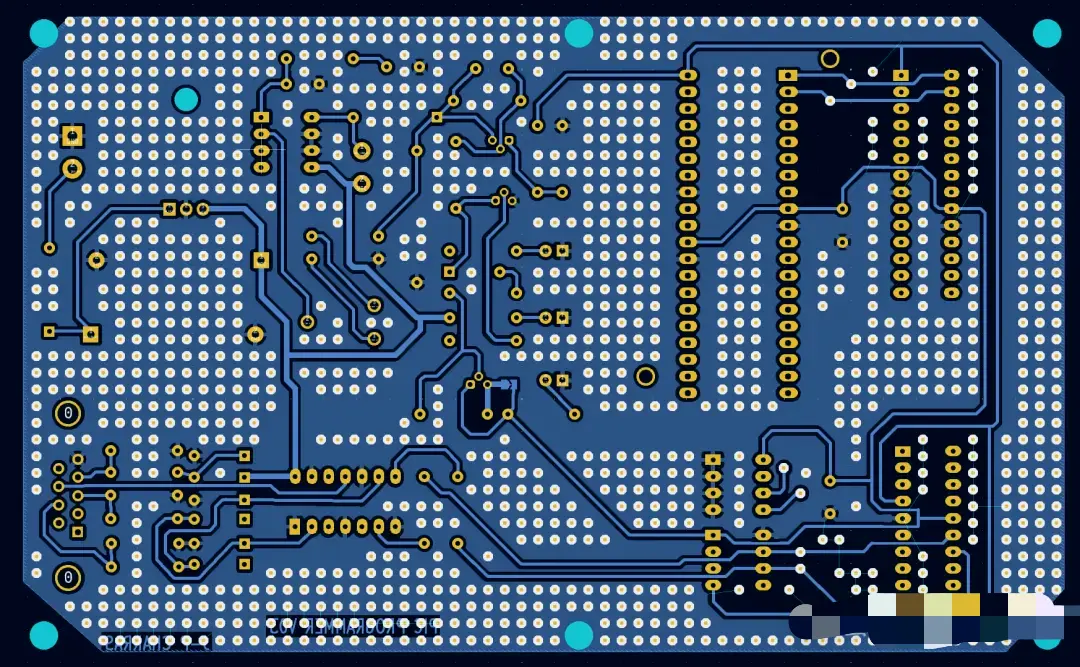
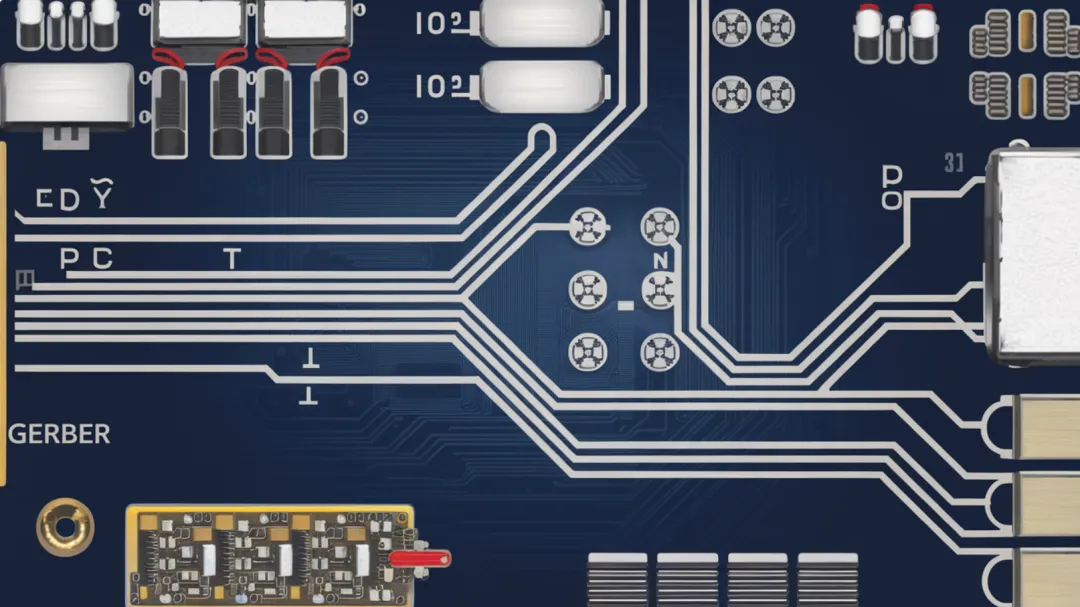
KiCad is no longer viewed only as a free alternative for hobbyists. Engineers, students, startups, and established hardware teams now use it for real product development. The same open-source tool that supports a weekend DIY project also handles multi-layer boards, hierarchical designs, and complete manufacturing packages. Understanding who uses KiCad—and why—helps new users see its place across the full spectrum of electronics work.
This article maps KiCad adoption from individual makers to professional engineering teams and highlights the application scenarios that drive its growth in commercial hardware development.
KiCad Adoption Across Different User Groups
KiCad's user base spans four broad groups: electronics hobbyists, students and early-career engineers, hardware startups, and professional product teams. Each group values different strengths—zero cost, open file formats, cross-platform support, or the ability to generate industry-standard manufacturing outputs—yet all rely on the same core workflow from schematic to fabrication files.
Why Professionals and Makers Choose KiCad
Makers choose KiCad because it removes financial and licensing barriers while still producing boards that can be manufactured. Professionals choose it for the same manufacturing capability plus the freedom from subscription costs, vendor lock-in, and artificial design limits. The tool's text-based files integrate cleanly with version control, and its growing library ecosystem plus active community support make it practical for both personal and commercial work.

KiCad for Electronics Hobbyists
DIY Projects
Hobbyists use KiCad for personal electronics: custom keyboard PCBs, sensor modules, power supplies, and small automation boards. The free license and lack of board-size or layer restrictions allow experimentation without worrying about license tiers.
Open-Source Hardware
Many open-source hardware projects publish KiCad source files alongside documentation. Contributors can open, modify, and re-share designs without proprietary format barriers. This transparency accelerates collaboration and learning within maker communities.
Personal Prototypes
When a hobbyist moves from breadboard to a fabricated board, KiCad supports the full sequence—schematic, layout, Design Rule Check, Gerber and drill generation—so the prototype that arrives matches the design intent.
KiCad for Students and Engineers
Learning PCB Design
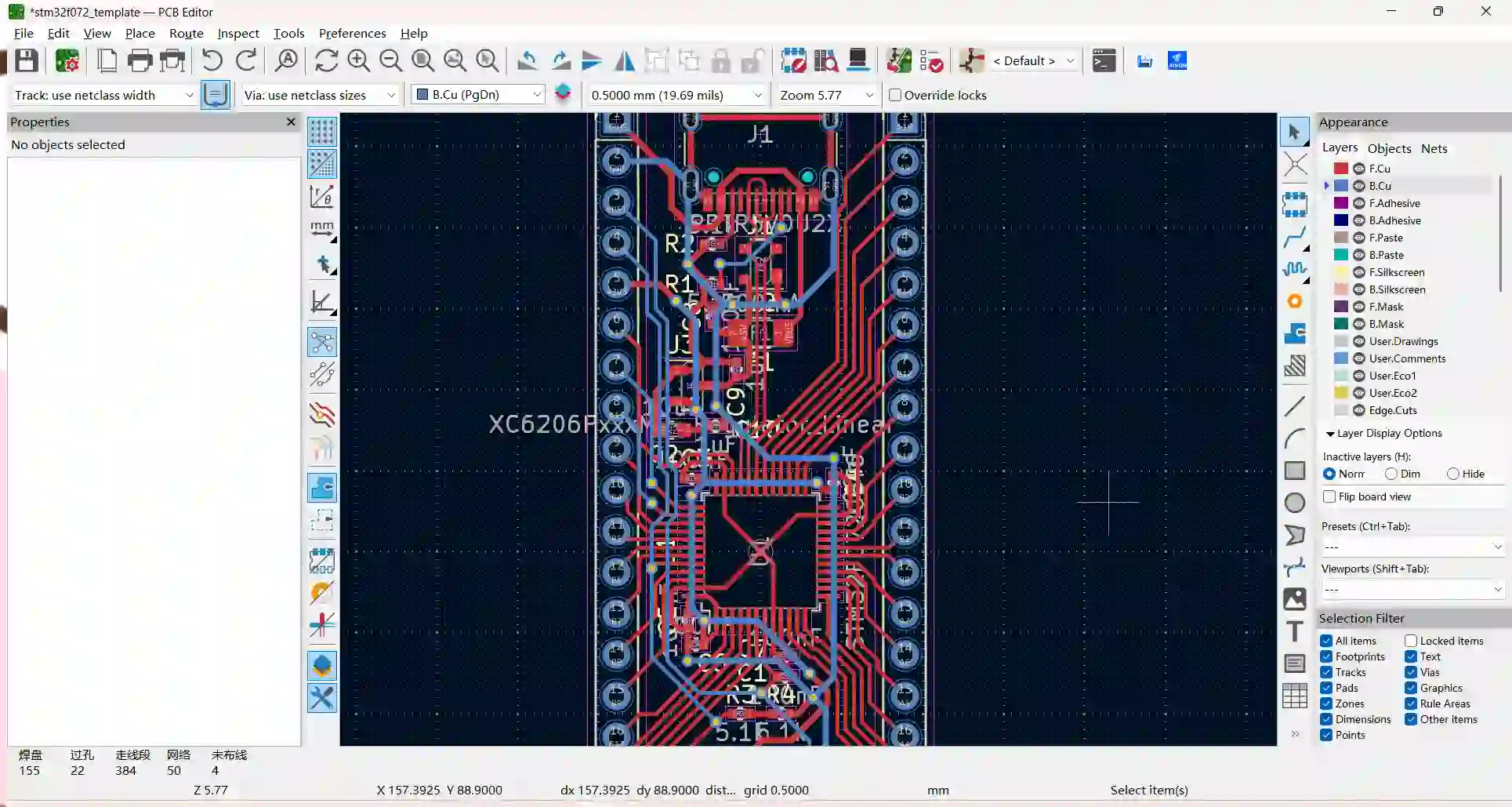
Engineering programs and self-taught designers use KiCad to learn professional PCB practices without software cost. Students gain experience with hierarchical schematics, footprint assignment, design rules, and manufacturing file generation—the same concepts required in industry.
Engineering Education
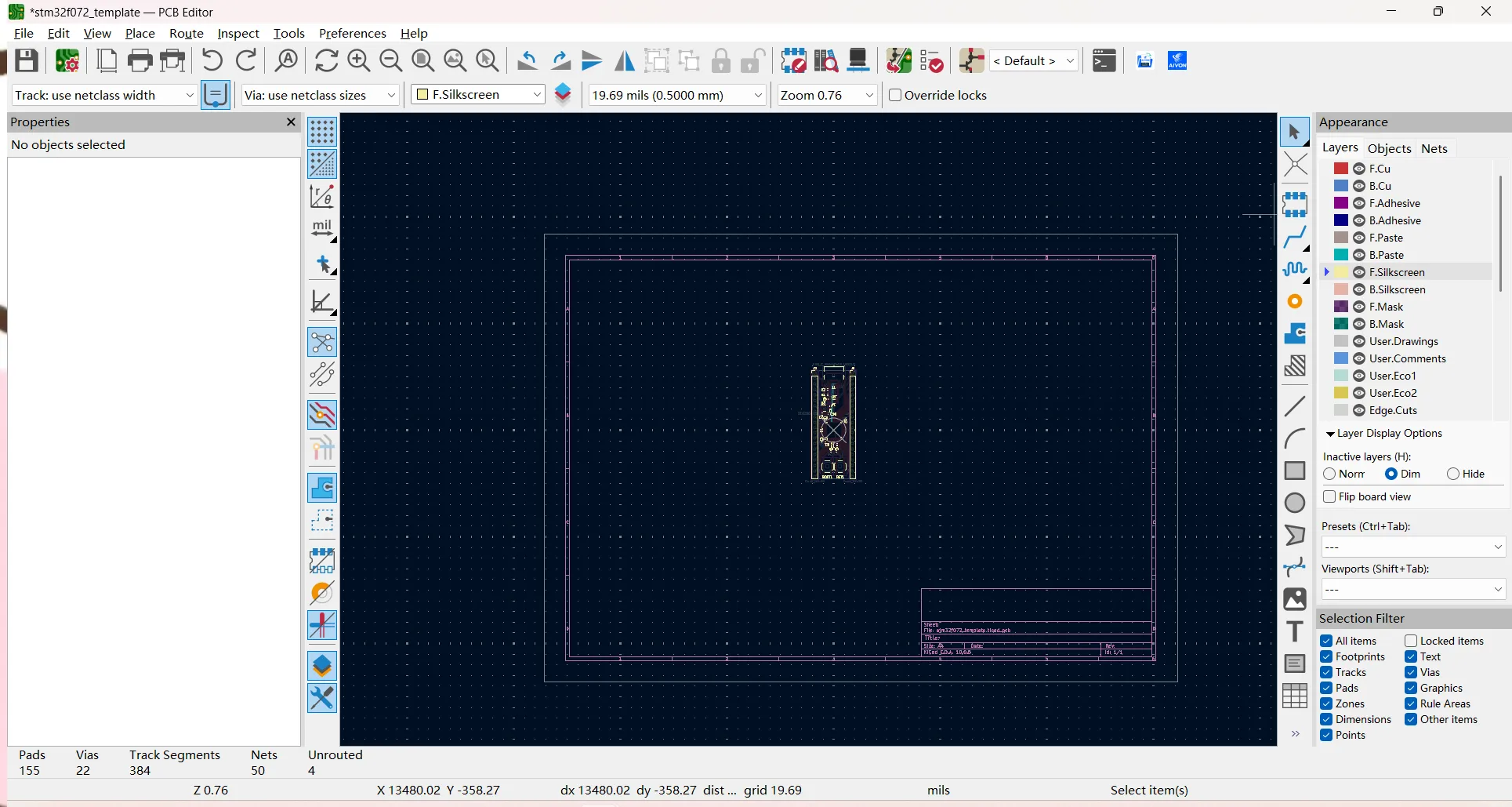
Universities and online courses increasingly adopt KiCad because every student can install the identical tool on Windows, macOS, or Linux. Assignments can require complete design packages rather than stopping at a schematic, preparing graduates for real hardware workflows.
KiCad for Startups
Rapid Prototyping
Startups need fast iteration at low cost. KiCad allows a small team to move from concept to fabricated boards quickly. Designers can update schematics, push changes to the board, run DRC, and generate manufacturing files in a single environment without license negotiations or seat limits.
Low-Cost Product Development
Early-stage companies avoid large software expenses while still producing professional documentation and fabrication outputs. The ability to maintain full design ownership and version history in open formats reduces long-term risk as the product and team grow.
KiCad in Professional Hardware Teams
Engineering Collaboration
Professional teams use KiCad's text-based files with Git for design review, branching, and change tracking. Hierarchical sheets and clear library management support multi-engineer projects. Cross-probing between schematic and board keeps electrical and physical design synchronized.
Product Development Workflow
In commercial settings KiCad fits into a structured flow: requirements capture, schematic design, board layout, design-rule and electrical-rule checks, 3D mechanical review, and generation of complete manufacturing packages. The same tool supports both early prototypes and later production revisions.
Manufacturing Preparation
Professional users treat manufacturing file generation as a core part of the design process. After DRC, teams export Gerbers, drill files, BOM, and pick-and-place data, then review the package before release. Clean, standard outputs allow direct handoff to fabrication and assembly services. When the design is ready, engineers can submit the manufacturing files to AIVON for PCB fabrication and assembly, maintaining a continuous path from KiCad layout to finished boards.
Industries Using KiCad
IoT Devices
IoT products—sensor nodes, wireless modules, and edge devices—frequently use KiCad for rapid development of compact, low-power boards. The tool's support for multi-layer designs and standard manufacturing outputs fits the fast iteration cycles common in this sector.
Robotics
Robotics teams employ KiCad for motor controllers, sensor interfaces, and power-distribution boards. Open formats make it easy to share designs across mechanical, electrical, and software contributors.
Industrial Electronics
Industrial control, instrumentation, and automation projects use KiCad for boards that must meet reliability and documentation requirements. Design-rule control and complete fabrication packages support the transition from prototype to deployed equipment.
Consumer Electronics
Smaller consumer products and accessory boards are routinely designed in KiCad. Startups and independent designers rely on it for cost-effective development while still delivering manufacturable results.
KiCad's reach now extends from individual makers building personal projects to professional hardware teams developing commercial products. Its combination of zero licensing cost, open file formats, full manufacturing-file support, and active community makes it a practical choice across education, startups, and established engineering groups. Whether the goal is a one-off prototype or a product moving toward volume production, KiCad provides a capable, accessible foundation for modern PCB design.
FAQ
Q1: Is KiCad only for hobbyists?
A1: No. While it remains popular with makers, KiCad is widely used by students, startups, and professional hardware teams for commercial product development.
Q2: Can professional teams rely on KiCad for production designs?
A2: Yes. Many teams use it for multi-layer boards, generate standard manufacturing packages, and maintain designs under version control. Proper library and design-rule practices support production-quality work.
Q3: Why do startups choose KiCad?
A3: Zero software cost, no seat limits, open formats, and the ability to produce complete fabrication files allow fast, low-risk iteration during early product development.
Q4: Is KiCad suitable for engineering education?
A4: Yes. Students can install it freely on any major operating system and learn the full schematic-to-manufacturing workflow used in industry.
Q5: Which industries commonly use KiCad?
A5: IoT, robotics, industrial electronics, and consumer electronics all have active KiCad users, ranging from individual developers to professional product teams.