


PCB Knowledge
Printed circuit boards (PCBs) form the backbone of modern electronics, enabling everything from smartphones to industrial machinery. In our PCB Knowledge category, we delve into the essential principles, techniques, and innovations that drive this field forward. Whether you are an engineer refining your designs or a hobbyist embarking on your first project, this collection offers valuable resources to enhance your understanding and skills. The scope of PCB Knowledge spans foundational concepts such as circuit layout and component selection, extending to advanced topics like high-speed signal integrity and thermal management. We provide detailed guides that walk through design software usage, manufacturing processes, and quality assurance methods. Tutorials offer hands-on instructions for prototyping and assembly, while insights from industry experts share real-world case studies and emerging trends. Best practices emphasize reliability, cost efficiency, and compliance with standards like IPC, ensuring your projects meet professional benchmarks. The practical value lies in its direct applicability to everyday challenges. For instance, articles on troubleshooting common PCB failures can save time and resources in product development cycles. Discussions on materials science reveal how choices in substrates and coatings impact performance in harsh environments, such as automotive or aerospace applications. By addressing these elements, PCB Knowledge equips you with tools to innovate and optimize electronic systems that power renewable energy solutions, medical devices, and consumer gadgets. As you read through the articles here, you will gain a comprehensive perspective that connects theoretical knowledge with tangible outcomes. This category serves as a hub for ongoing learning, where each piece builds on the others to foster expertise in PCB technology. Stay informed on the latest advancements, from flexible PCBs to sustainable manufacturing, and apply these insights to your work for superior results.
Latest Blogs
UL 796 Standard for PCBs: A Comprehensive Safety and Certification Guide
Understand UL 796, the key safety standard for PCBs, covering certification requirements, testing procedures, and best practices to ensure reliable and compliant electronic products.
Turn E-Waste into Art: Creative Upcycling Ideas for Old PCBs
Discover creative ways to upcycle PCBs into stunning e-waste art. This guide provides safe, sustainable ideas for circuit board crafts, turning electronic waste into unique decor.
UL Certification for PCBs: Ensuring Safety and Performance in Electronics
Understand UL certification for printed circuit boards (PCBs), its importance in high-reliability applications, and how it impacts design and manufacturing processes for engineers.
Mastering PCB Form Factor and Mounting Techniques for Reliable Designs
A comprehensive guide to PCB form factor, mounting hardware, enclosure design, and vibration-resistant techniques to ensure durable and optimized electronic assemblies.
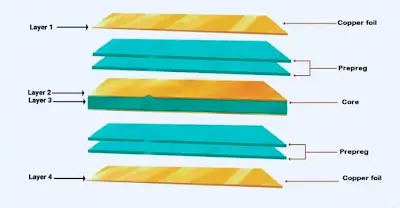
Symmetrical vs. Asymmetrical PCB Stackups: Which Design is Right for Your Project?
Explore the critical differences between symmetrical and asymmetrical PCB stackups, weighing their impact on performance, manufacturability, and cost to inform your circuit board design choices.

Predicting Solder Joint Lifespan: A Guide for Electrical Engineers
Electrical engineers can master solder joint fatigue life prediction, prevent failures, and enhance reliability by understanding thermal and vibration stress, FEA, and testing methods.

Mastering PCB Silkscreen Design for Clear and Efficient Boards
Learn how to design effective PCB silkscreen layers for better assembly, testing, and maintenance. This guide covers legibility, industry standards, and practical optimization tips.
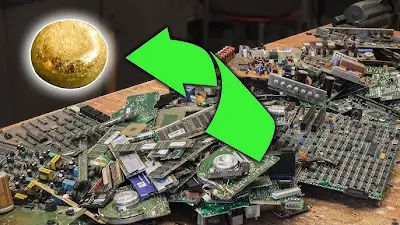
DIY PCB Recycling: Safely Recovering Metals from Old Circuit Boards
Learn safe DIY PCB recycling methods to extract copper and recover gold from e-waste. This guide details mechanical and chemical processes for recycling circuit boards at home.

Selecting the Ideal PCB Drill Bit for Precision and Reliability
A comprehensive guide for engineers on choosing PCB drill bits, covering material types (carbide vs. HSS), sizes, and applications for FR-4 and microvias to ensure precise fabrication.
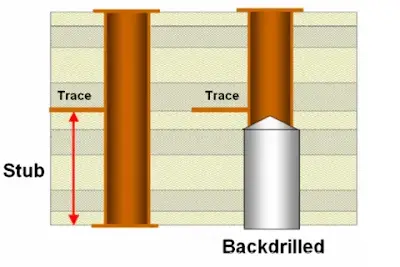
Controlled Depth Drilling for Beginners: A Hobbyist's Guide to PCB Perfection
Master controlled depth drilling for better DIY PCB signal integrity. This guide offers practical tips and back drilling basics to enhance your home PCB projects.
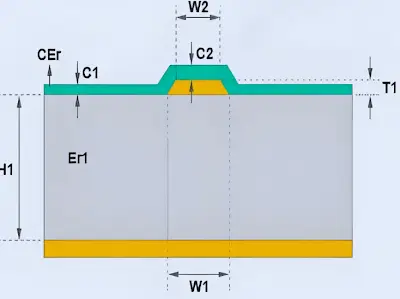
Designing for Signal Integrity: Mastering 50 Ohm PCB Impedance Control
Learn essential techniques for 50 ohm impedance control in PCB stackup design, covering microstrip and stripline calculations, material selection, and best practices for high-frequency applications.
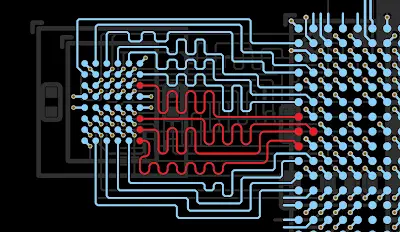
How Does PCB Trace Width Affect Impedance?
Discover the critical relationship between PCB trace width and impedance in high-speed designs. Learn how to calculate trace width for desired impedance and optimize signal integrity.


