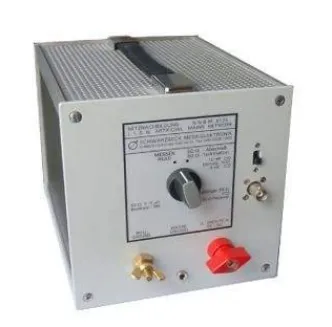
In electronics, a LISN is a tool used in electromagnetic compatibility (EMC) testing. This article explains what a LISN is and the role it plays in that work.
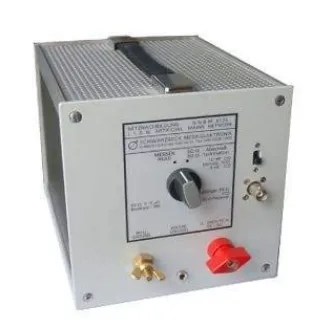
1. What a LISN Is
LISN stands for Line Impedance Stabilization Network. Before the operating principle, the basic construction matters. A LISN typically contains a set of inductors, capacitors, and an impedance network. It is designed to stabilize the impedance on the power line and thereby reduce or remove high-frequency noise and electromagnetic interference coming from the external supply.
2. Operating Principle
The operating principle involves electromagnetic fields and circuit theory. When a LISN is inserted in the power line, it provides a stable current path and blocks high-frequency noise from entering the equipment under test. In that way the LISN can represent the electromagnetic conditions the product sees in use and give later EMC tests a more realistic and repeatable result.
3. Use in EMC Testing
A LISN is used mainly in EMC testing because electromagnetic interference is a growing issue as more electronic products share the same environment. With a LISN in the test setup, engineers can find and correct potential EMC problems earlier and reduce the chance that the product will be disturbed by external electromagnetic interference in the field.
4. Role in Product Development
During development and production, the LISN is a key measurement tool. Introducing LISN testing at the design stage lets engineers see how the equipment behaves in an electromagnetic environment and then adjust the design. That improves EMC performance and supports product quality and reliability.
5. Certification and Compliance Testing
Beyond development, LISNs are widely used in certification and compliance tests. A product that passes LISN-based tests can be shown to meet the related regulations and standards, so it is less likely to disturb other equipment or the environment when it is placed on the market.
6. Use in Research and Laboratory Work
LISNs are not limited to industry. They are also used in research and laboratory work. Researchers use a LISN for electromagnetic measurements and to study interaction between different pieces of equipment. That data supports the development of new techniques.
Conclusion
A LISN is not a household device, but it is a standard instrument in electronic engineering and research. By controlling noise and interference on the power line, it gives EMC tests a defined, repeatable base. As products and standards continue to change, LISN use will continue to expand. Understanding the LISN is part of understanding how electronic equipment behaves in an electromagnetic environment.