


EMC Design
Electromagnetic compatibility (EMC) design is a critical aspect of modern electronics engineering, ensuring that devices operate reliably without causing or suffering from electromagnetic interference. In the realm of PCB and electronics development, EMC Design focuses on strategies to mitigate noise, emissions, and susceptibility issues that can disrupt performance or lead to regulatory failures. This tag encompasses a collection of articles dedicated to the principles, techniques, and best practices for achieving robust EMC in various applications, from consumer gadgets to industrial systems. Professionals searching for EMC Design resources often seek practical solutions to common challenges, such as optimizing PCB layouts for reduced crosstalk, implementing effective grounding schemes, or selecting appropriate shielding materials. These insights are essential for engineers aiming to comply with standards like FCC, CE, or MIL-STD, while minimizing costly redesigns and testing iterations. By addressing real-world scenarios, the content under this tag provides actionable guidance on simulation tools, filtering methods, and component placement that enhance signal integrity and overall system resilience. For those tackling specific EMC hurdles, the articles here delve into case studies and proven methodologies that can be directly applied to projects. Whether you are troubleshooting radiated emissions in high-speed circuits or designing for automotive environments, exploring these resources offers valuable perspectives to refine your approach and achieve compliance efficiently. This curated selection supports ongoing learning and innovation in EMC Design, helping you build more reliable and interference-free electronics.
Technical Articles
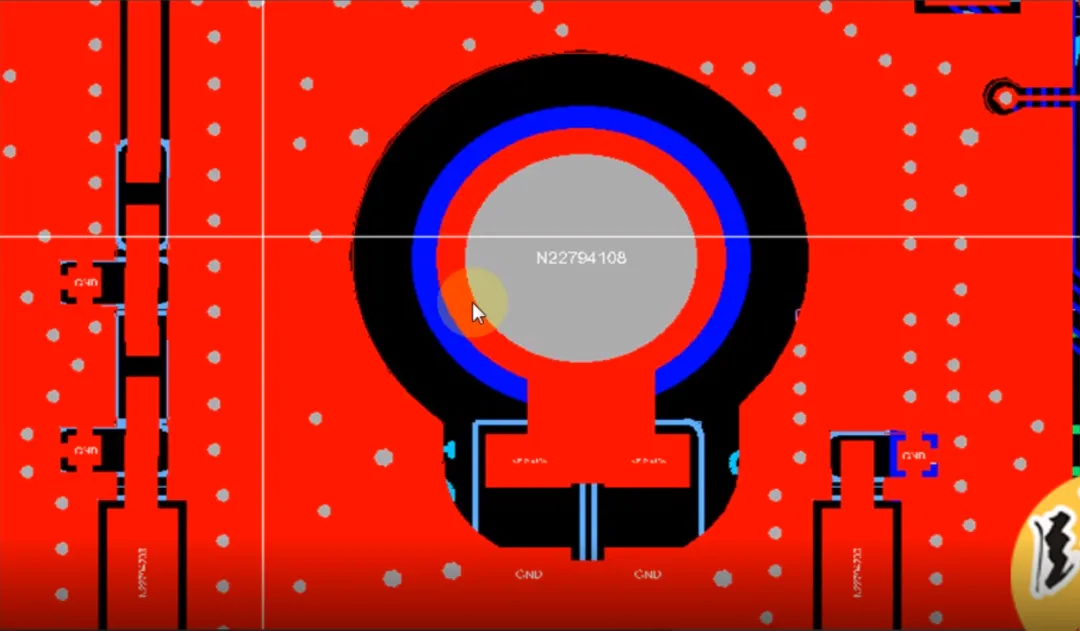
Why Designers Often Tie PCB Ground to Chassis Ground with a Parallel Resistor and Capacitor

Why Power Planes Are Set Back in Multilayer PCB Design: The 20H Rule Explained

Can't Do PCB Layout? This Step-by-Step Guide Makes It Simple
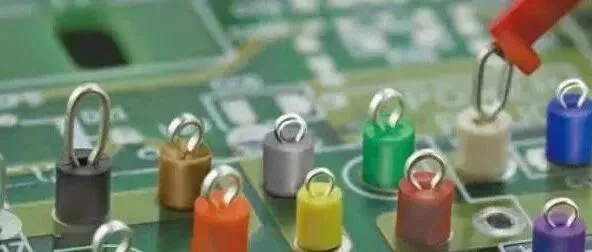
5 Practical ESD Design Tips

Five ESD Design Practices That Reduce Discharge Damage
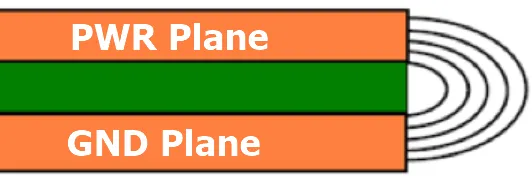
Why the Power Plane Should Be Smaller Than the Ground Plane
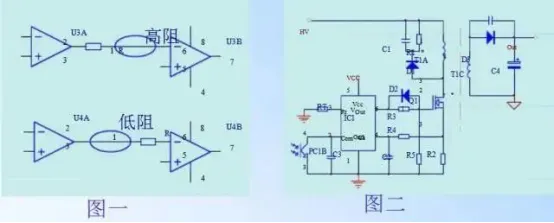
PCB Design Guide: Safety Spacing, EMC, Thermal Design, and Process Details
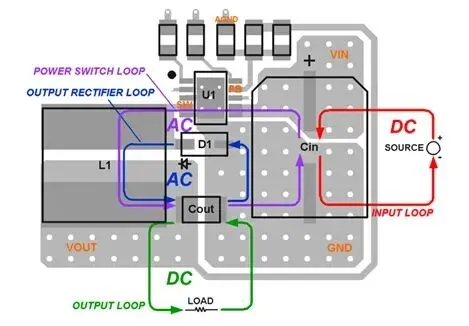
15 PCB Layout Techniques for EMC Control
How an Overlooked Capacitor Solved Multiple EMC Failures
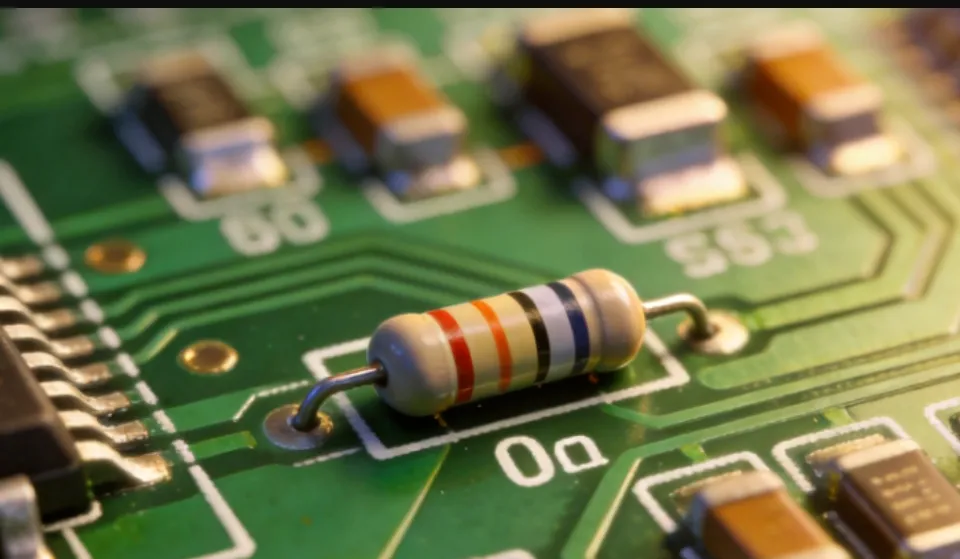
Is a 0 Ω Resistor Only a Jumper? Six Practical Uses in Hardware Design

Interface Circuit Layout and Routing Guide for PCB Designers
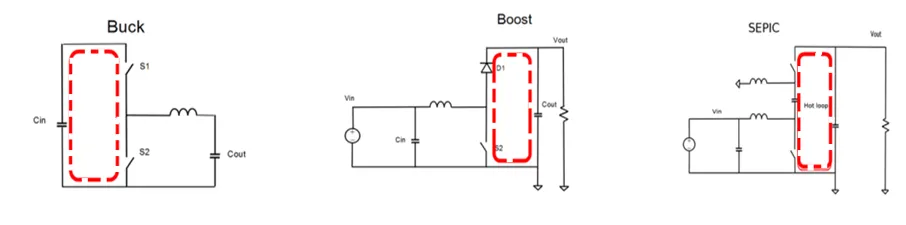
Understanding EMI in Switching Power Supplies: Why It Matters More Than PCB Rules Alone

EMC Engineer Skills and Common Components: Chokes, Ferrite Beads, Filter Capacitors

PCB EMC Design Q&A: Differential Pairs, Grounding and Filtering

EMC Fundamentals: Disturbance and Interference Control Terms

EMC Design Principles and EMI/EMC Questions for PCB Engineers

Class-D Amplifier PCB Routing: EMC, Power, and ESD Essentials

Power Control, Supply Impedance, and Flicker Terminology Explained


