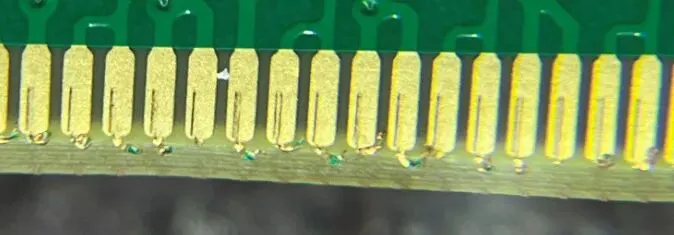
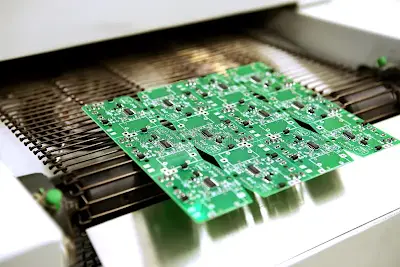
In production we run FR4 PCB baking whenever the boards have been exposed to ambient humidity long enough to absorb moisture that will turn into steam during subsequent high-temperature processes. CAM and process engineers decide the need based on storage time, board thickness and the next thermal step—usually lead-free reflow or wave soldering. Standard practice is a 120 °C bake for 4–8 hours under controlled airflow; thicker or high-reliability panels may go longer. When the bake is skipped or done incorrectly we see delamination, measling or popcorning at assembly. The controlling requirements are FR4 PCB baking, PCB pre-baking and FR4 PCB bake requirements that keep residual moisture below the level that causes defects.
How FR4 Actually Absorbs and Holds Moisture
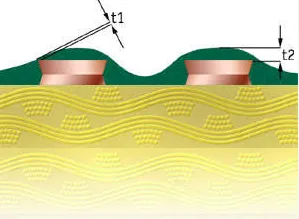
FR4 is a composite of epoxy resin and woven glass. The resin is hygroscopic; under typical factory humidity of 40–60 % RH it slowly takes up 0.1–0.3 % moisture by weight. The water sits preferentially at the resin-glass interface and inside any micro-voids left from lamination. Thicker boards and higher-resin-content prepregs absorb more and release it more slowly. Once the board reaches reflow temperatures above 200 °C the trapped moisture flashes to steam, generating internal pressure that separates layers or creates white spots (measling). That is the fundamental reason PCB pre-baking exists.
When the Factory Decides a Bake Is Mandatory
We require baking in four common situations. First, any board that has been out of its sealed moisture-barrier bag for more than 48–72 hours at normal shop humidity. Second, panels that have gone through wet processes (desmear, plating, final finish) and then sat before the next dry step. Third, thick boards (>2.0 mm) or high-layer-count constructions that hold more absolute moisture. Fourth, any job scheduled for lead-free reflow or multiple thermal cycles where the risk of delamination is higher. On the assembly side the same logic applies: if the bare boards arrive without a recent bake certificate or the sealed-bag date is expired, the SMT line will demand a pre-bake before paste printing.
Storage history is the practical trigger. Boards kept in open racks for a week almost always need baking; boards kept in nitrogen cabinets or freshly opened dry packs usually do not.
Temperature and Time Rules Used on the Shop Floor
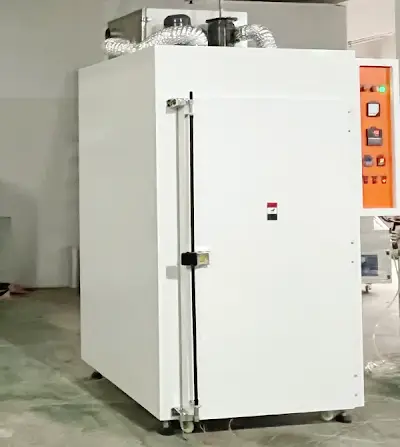
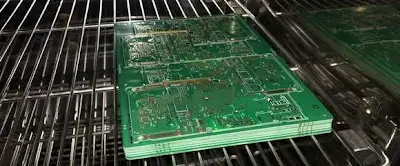
Most factories settle on 105–125 °C. Below 100 °C the diffusion rate is too slow; above 130 °C the risk of copper oxidation and resin degradation rises quickly. Time is driven by thickness and starting moisture level. A 1.6 mm board that has been open for a few days typically receives 4–6 hours at 120 °C. Boards thicker than 2.4 mm or those with known long exposure may run 8–12 hours. Airflow inside the oven must be uniform; stacked panels are separated by spacers so every surface sees moving air. After bake the boards are either used within a short floor-life window or resealed with fresh desiccant and a humidity indicator card.
We never bake with solder mask still wet or with unprotected OSP finishes for extended times; those surfaces can oxidize or lose wettability. Immersion silver and ENIG are more tolerant but still monitored.
What Over-Baking Does to the Board
Excessive temperature or dwell time drives residual stress into the laminate and can increase warpage. Copper surfaces oxidize, raising the risk of poor solderability later. The resin can become more brittle, reducing the board's ability to withstand mechanical flex or thermal shock. In extreme cases the glass transition behavior shifts slightly and the board becomes more prone to cracking around plated through-holes. That is why bake profiles are treated as controlled process parameters rather than "the longer the better."
How Bake Management Is Handled Before Production and Assembly
On the fabrication side every panel that leaves a wet process is either dried immediately or placed into a controlled-humidity buffer. Finished boards are packed in moisture-barrier bags with desiccant within a defined time after final bake or final finish. A bake log travels with the lot: temperature, time, oven ID and operator. At incoming inspection the assembly house checks the bag seal and humidity card; if the card shows exposure the boards are baked again before use.
For high-reliability or thick boards we often perform a verification micro-section after the first production bake to confirm that no new voids or delamination have been introduced. Floor-life tracking after bake is strict: once the bag is opened the clock starts, and any boards not used within the allowed hours return for another short bake.
When the Factory Will Relax or Skip the Bake
Thin boards (≤1.0 mm) that have stayed inside sealed dry packs and are scheduled only for low-temperature processes may ship without an extra bake. Prototype quantities that will be hand-soldered or used in a nitrogen reflow environment sometimes receive a waiver if the customer accepts the residual risk. In every case the decision is documented and the customer is informed that the normal FR4 PCB bake requirements have been relaxed.
From the fabrication side the controlling factors remain moisture exposure history, board thickness and the severity of the next thermal cycle. When those are assessed correctly, FR4 PCB baking and PCB pre-baking keep delamination and popcorning out of both the production line and the customer's assembly process.