In high-volume electronics and industrial metalwork, the choice between brushed and polished finishes is rarely about aesthetics alone. It is a production decision that affects yield, handling damage rates, fingerprint rejection, and long-term field performance. From a fabrication standpoint, brushed finishes dominate when durability and process consistency matter more than mirror-level reflection. Polished finishes win when optical clarity or premium visual appeal is non-negotiable and the production volume can absorb the extra process steps and higher scrap risk.
Where Each Finish Wins on the Shop Floor
Brushed finishes are the default recommendation for most consumer electronics housings and industrial panels because they hide minor handling marks, resist fingerprints better, and run with higher first-pass yield. Polished finishes become the better choice only when the design specification demands a high-gloss reflective surface and the factory has stable process control for sequential grinding, polishing, and protective film application. The moment volume scales or operators handle parts frequently, the cost and yield gap between the two options widens quickly.
Side-by-Side Manufacturing Comparison
| Dimension | Brushed Finish | Polished Finish |
|---|---|---|
| Process steps | Fewer; directional abrasion only | Multiple progressive grits + final polish |
| Surface texture | Uniform linear grain | Mirror or near-mirror |
| Gloss level | Low to medium (satin) | High to very high |
| Fingerprint resistance | Significantly better | Poor; shows every touch |
| Scratch visibility | Lower; grain masks light marks | Higher; any mark stands out |
| Cleaning effort | Easier; less residue retention | Higher; streaks and smudges common |
| Typical cost impact | Lower process cost, higher yield | 15–40 % higher depending on alloy |
| Lead-time risk | Lower; more stable | Higher; sensitive to operator skill |
| Best-fit applications | Consumer electronics, industrial panels | Premium visible surfaces, decorative parts |
Decision Matrix for Production Priorities
| If your priority is... | Better Choice | Why |
|---|---|---|
| Lowest total cost at volume | Brushed | Fewer process steps and higher first-pass yield reduce scrap and rework |
| Maximum visual gloss | Polished | Only polishing reaches true mirror reflection |
| Fingerprint resistance in daily use | Brushed | Directional texture breaks up oil residue visibility |
| Hiding minor handling damage | Brushed | Grain masks light scratches that ruin polished surfaces |
| Stable process for high-mix production | Brushed | Less dependent on progressive grit control and operator technique |
| Premium decorative appearance | Polished | Required when design language demands reflective surfaces |
How the Two Processes Actually Differ on the Line
Brushed finishing is essentially controlled directional abrasion. Abrasive belts or brushes move in one consistent direction across the metal, creating a uniform linear grain. Most shops run this after basic stamping or CNC milling with only light deburring beforehand. The process window is relatively wide; minor variations in belt pressure still produce acceptable cosmetic results.
Polished finishing requires sequential progressive steps. Parts move through finer and finer grits, often ending with a compound polish or mechanical buffing wheel. Any inconsistency in earlier grit stages shows up as haze or orange-peel under final inspection. From a fabrication standpoint, polishing multiplies the number of handling steps and the opportunity for new scratches to appear between stages. Protective film application becomes almost mandatory, adding both cost and a failure mode if the film wrinkles or traps debris.
The practical difference appears most clearly during CAM and process planning. Brushed parts can often share tooling and fixtures with less critical surfaces. Polished parts demand dedicated clean handling zones and more frequent tool changes to maintain grit consistency.

Surface Texture and Visual Character Under Real Lighting
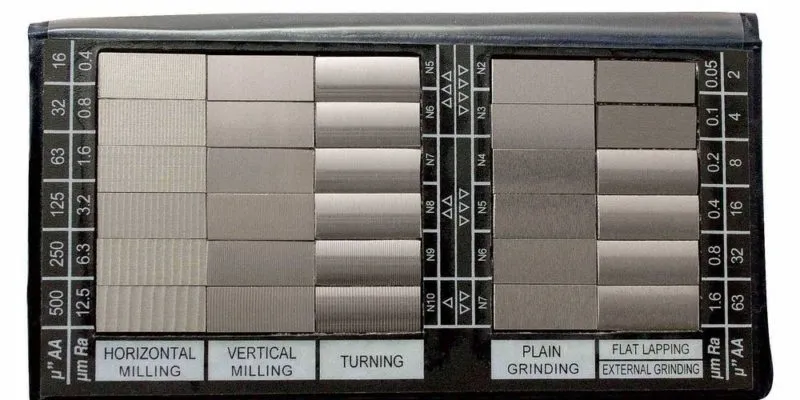
Brushed surfaces carry a deliberate linear texture. Under angled light the grain becomes visible as fine parallel lines; under diffuse light the surface reads as a soft satin. This texture is highly consistent across a panel when the brushing direction is controlled relative to the part geometry. In consumer electronics the grain direction is usually aligned with the long axis of the housing so that fingerprints and light scuffs blend into the pattern.
Polished surfaces eliminate visible texture. The goal is specular reflection. Any residual grit line or polishing swirl becomes a defect. In production we see higher rejection rates on polished parts simply because the eye detects every microscopic irregularity once the surface approaches mirror quality. The same aluminum alloy that looks acceptable after brushing can fail visual inspection after polishing if the intermediate grit sequence was not perfectly progressive.
Gloss Levels and What They Cost in Yield
Measured gloss on brushed finishes typically sits in the 20–60 GU range depending on grit and alloy. That level is forgiving. Polished finishes target 80–100+ GU. Crossing into the high-gloss zone requires tighter control of coolant, abrasive condition, and operator technique. Yield data from multiple production runs show that once gloss targets exceed approximately 85 GU, first-pass yield often drops 8–15 % compared with a standard brushed process on the same material. The extra polishing time and higher scrap rate are the main drivers of the cost differential.
Fingerprint Resistance and Daily Handling Reality
Fingerprints are the most common field complaint on polished metal. Oil residue sits on a smooth surface and creates high-contrast smudges under almost any lighting. Brushed grain breaks the continuous reflective plane, so the same oil film is far less visible. In consumer electronics assembly and end-user handling, brushed finishes consistently generate fewer cosmetic returns related to fingerprints. Polished parts almost always require either a permanent anti-fingerprint coating or strict protective-film discipline until final packaging—both of which add cost and process complexity.

Scratch Visibility and Long-Term Appearance
Light scratches that occur during assembly, shipping, or normal use remain largely hidden on a brushed surface because they blend with the existing grain direction. On a polished surface the same scratch creates a high-contrast line that draws the eye. From a manufacturing reliability standpoint, this difference affects both in-process handling rules and field return rates. Factories that run polished parts routinely implement extra foam fixtures, soft gloves, and intermediate protective films precisely because the surface cannot tolerate the normal level of contact that brushed parts accept without complaint.
Cleaning and Maintenance Differences in Practice
Brushed surfaces clean with standard isopropyl alcohol or mild detergent without streaking issues. The directional texture actually helps residual liquid wick along the grain rather than form random droplets. Polished surfaces require careful wiping with clean microfiber in one direction; any residual cleaner or incomplete drying leaves visible marks. In industrial equipment environments where operators clean panels regularly, the lower maintenance burden of brushed finishes becomes a measurable advantage in total cost of ownership.
How Factories Evaluate the Choice During DFM and Production Planning
During DFM review we look first at annual volume, expected handling steps, and cosmetic criticality. For volumes above a few thousand pieces per month, brushed finishes almost always deliver better panel utilization and lower rework rates. CAM teams prefer brushed because grain direction can be programmed consistently and inspection criteria are more tolerant. Polished parts force tighter process windows, more frequent abrasive changes, and often dedicated clean-room or controlled-environment zones for final polishing and film application.
Yield tracking shows the same pattern repeatedly: brushed processes stabilize within the first production lot; polished processes continue to generate intermittent haze, swirl, or film-related defects for several lots until every variable is locked down. Tooling considerations also differ. Brushed can reuse many of the same fixtures used for machining. Polished often needs soft-jaw or vacuum fixtures to avoid new marks. Most manufacturers therefore recommend brushed unless the customer specification explicitly requires high gloss and is willing to accept the associated cost and risk.
Recommended Figure: Simple decision flowchart starting from "Is high gloss mandatory?" branching to polished only if yes and volume/risk are acceptable; otherwise default to brushed, with secondary checks for fingerprint criticality and handling intensity.
Which Finish Should You Specify?
Choose brushed finish if you:
- Need reliable high-volume production with stable yield
- Expect frequent handling during assembly or by the end user
- Want lower fingerprint visibility without additional coatings
- Prefer simpler process control and lower overall cost
- Are producing consumer electronics housings or industrial control panels
Choose polished finish if you:
- Have a design language that demands true mirror reflection
- Can accept higher process cost and tighter yield control
- Will implement protective film or anti-fingerprint coating from the start
- Are producing limited-run premium or decorative parts where appearance overrides cost
- Have confirmed that the factory has proven capability on the specific alloy and geometry
There is no universal winner. The correct choice is the one that matches the real production constraints and the actual use environment rather than the highest possible gloss value on a datasheet.
Frequently Asked Questions
Q1: Does brushed finish always cost less than polished?
A1: In almost every production scenario yes. The difference comes from fewer process steps, higher first-pass yield, and lower handling protection requirements. Only when polishing is already a required capability for other parts in the same factory does the incremental cost narrow.
Q2: Can a polished surface be converted to brushed later if problems appear?
A2: Technically yes, but it is rarely practical. Removing the polished layer and re-brushing changes dimensions slightly and requires full re-qualification. It is far cheaper to choose the correct finish at the DFM stage.
Q3: How much does fingerprint resistance improve with brushing?
A3: Enough that most consumer-electronics manufacturers report a clear reduction in cosmetic returns. The grain disperses the oil film so that the same contact mark is far less conspicuous under normal lighting.
Q4: Is there a hybrid option that combines both finishes?
A4: Yes—selective polishing of logo areas or specific panels while keeping the main body brushed is common. It requires careful masking and adds process steps, but can deliver the visual highlight without committing the entire part to high-risk polishing.
Q5: Which finish is more suitable for outdoor or industrial environments?
A5: Brushed. The texture hides environmental marks better and cleaning is simpler. Polished surfaces show every water spot, dust particle, and abrasion immediately.
Q6: Does the choice of metal alloy change the recommendation?
A6: Only at the extremes. Soft alloys polish more easily but also scratch more readily, reinforcing the preference for brushing. Harder stainless grades accept both finishes but still show the same relative differences in yield and fingerprint performance.