In production we select and apply sheet metal corrosion resistance treatment according to the base metal, the service environment, and the required salt-spray hours. CAM and process engineers do not rely on the bare metal; they lock in a defined coating system—anodizing, powder coating, electroplating, or galvanizing—before the first panel is released to the line. That decision is made at the DFM stage so the coating thickness, adhesion, and coverage can be controlled inside normal process windows.

Where corrosion starts once the sheet leaves the press
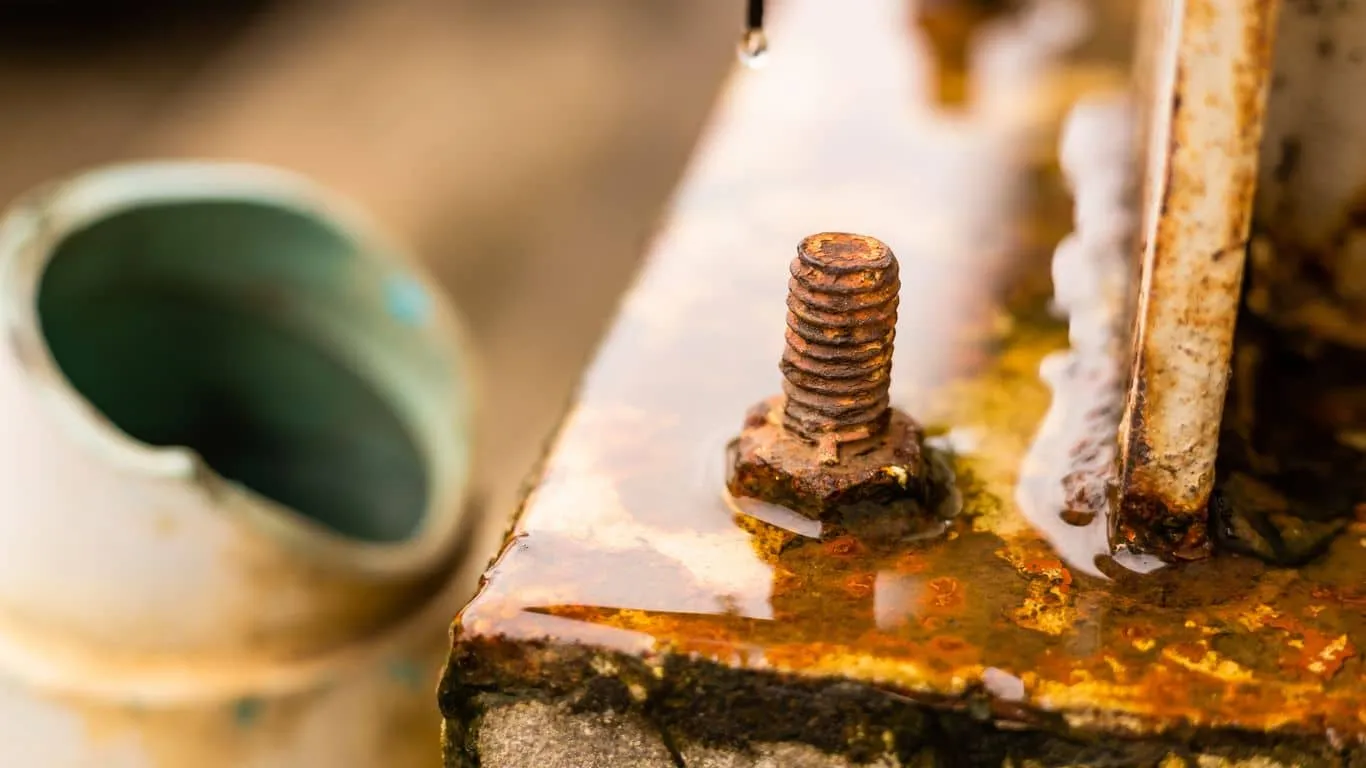
Sheet metal corrosion appears because the metal surface is electrochemically active. Moisture, oxygen, and ions form local cells; the anodic sites dissolve while cathodic sites reduce oxygen. On carbon steel this shows up as red rust; on aluminum it is white oxide that can still undercut coatings. In the factory the problem is accelerated by residual stamping oil, edge burrs that hold electrolyte, and the fact that formed parts rarely stay in a controlled humidity room. Once the part is nested, laser-cut or punched, the freshly exposed edges become the preferred corrosion initiation sites. That is why the surface treatment must cover edges and cut surfaces, not only the flat faces.
How each common treatment actually blocks the electrochemical cell
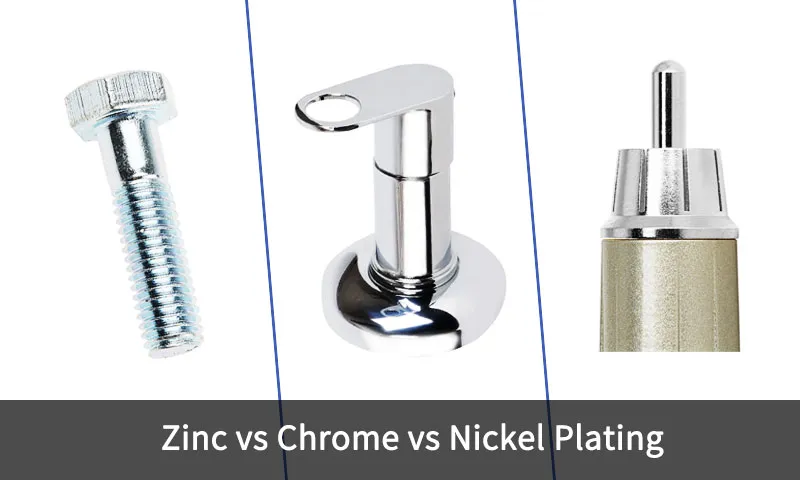
Anodizing converts the aluminum surface into a controlled oxide layer that is integral to the metal. The barrier portion stops ion transport; the porous outer layer is sealed so that electrolytes cannot reach the substrate. Typical thickness for outdoor parts is 15–25 µm. Powder coating deposits a continuous polymer film—usually polyester or epoxy-polyester—that isolates the metal from moisture and oxygen. Film builds of 60–100 µm are common for structural sheet metal. Electroplating (zinc-nickel, nickel, or chrome) adds a metallic barrier that is denser than paint and can provide sacrificial protection if the plating is anodic to the base metal. Hot-dip or electro-galvanizing places a zinc layer that both barriers and sacrifices itself; the zinc corrosion products further seal the surface. The practical difference is that anodizing works only on aluminum, powder coating can go on almost any metal but adds thickness and edge coverage issues, plating gives precise thickness control, and galvanizing is the lowest-cost sacrificial system for steel.

What production sees when the treatment is underspecified
If the coating is too thin or the pretreatment is incomplete, salt-spray test panels fail early and field parts show edge creep within months. Powder-coated parts develop filiform corrosion under the film when the phosphate or conversion coating is missing. Anodized aluminum that is not sealed properly loses the barrier and pits in coastal atmospheres. Galvanized steel with insufficient zinc weight (below 100 g/m²) red-rusts at cut edges after a few hundred hours of neutral salt spray. Once corrosion starts under a coating it is almost impossible to stop without stripping and reprocessing; the result is scrap or expensive field returns. Shipment delays follow because the entire lot must be held pending rework or customer waiver.
How the factory locks in the required protection level
We start with the customer's salt-spray requirement and map it to a coating system. For indoor mild environments 240 h NSS is usually met by thin powder or electro-galvanizing. Outdoor structural parts commonly demand 500–1000 h; that pushes us to thicker polyester powder over a zinc-rich primer or to sealed hard anodizing on aluminum. Coastal or industrial atmospheres often require 1500 h or more; then we combine galvanizing with a top powder coat or switch to zinc-nickel plating plus seal. Pretreatment is non-negotiable: alkaline clean, rinse, conversion coating (iron or zinc phosphate, chrome-free for aluminum), then the main treatment. Film thickness is measured on first-article parts and monitored with magnetic or eddy-current gauges on the line. Edges and holes receive extra attention—powder guns are programmed for edge wrap, or parts are racked so that plating or zinc fully covers the cut surface. Salt-spray testing is performed on witness panels that travel with the production lot; results are recorded against the drawing note before the parts are released.
When the strict treatment can be relaxed
Indoor parts that never see condensation can drop to a lower film build or even a simple passivation. Aluminum parts used in dry, climate-controlled cabinets often run with thinner anodizing (8–12 µm) without sealing if the customer accepts it. Prototypes or one-off fixtures sometimes ship with temporary oil or a light phosphate only, provided the drawing notes the limitation. The trade-off is always the same: lower process cost and shorter lead time against reduced service life. Once the part moves outdoors or into a corrosive industrial area, those shortcuts are removed and the full sheet metal corrosion resistance treatment returns to the original specification.