When a drawing lands on the shop floor asking for a durable finish on sheet metal, the first question is almost always the same: powder coating vs anodizing sheet metal — which one actually makes sense for this job? From a fabrication standpoint, the answer is never absolute. Anodizing is usually the stronger choice when the part is aluminum, needs high surface hardness, thin build-up, and long-term outdoor corrosion resistance without added thickness. Powder coating becomes the better manufacturing decision when the part is steel or mixed metals, when color variety and impact resistance matter more, or when cost and throughput for larger volumes take priority.
Where Each Finish Fits Best on the Shop Floor
Anodizing is limited almost exclusively to aluminum and a few other non-ferrous alloys. It creates a hard oxide layer that is integral to the base metal, so there is no risk of peeling. Powder coating works on aluminum, steel, stainless, and many other substrates. It builds a thicker organic film that can hide minor surface defects but adds measurable thickness and can chip under sharp impact if the pretreatment is marginal. In production, we normally recommend anodizing for precision aluminum enclosures, heat sinks, and outdoor architectural aluminum where dimensional control and hardness are non-negotiable. Powder coating is the default for steel chassis, brackets, and any part that needs a wide color range or higher film thickness for corrosion protection in industrial environments.
Quick Engineering Comparison
| Factor | Powder Coating | Anodizing |
|---|---|---|
| Applicable materials | Steel, aluminum, stainless, most metals | Primarily aluminum (and limited titanium/magnesium) |
| Typical thickness | 60–120 µm | 5–25 µm (hard anodize up to 50 µm) |
| Surface hardness | Moderate (pencil hardness H–2H) | High (can exceed 400 HV for hard anodize) |
| Corrosion resistance | Good to excellent with proper pretreatment | Excellent on aluminum, especially sealed |
| Wear / abrasion resistance | Good impact resistance, moderate abrasion | Superior abrasion resistance |
| Color range | Virtually unlimited RAL/Pantone | Limited (clear, black, bronze, limited dyes) |
| Dimensional impact | Adds noticeable thickness, affects fits | Minimal thickness change |
| Cost (typical sheet-metal job) | Lower for larger volumes and steel | Higher, especially hard anodize |
| Lead time & process risk | Faster for most shops, lower risk of part damage | Longer racks, higher risk of burning or rack marks |
Decision Matrix: Matching Finish to Production Priority
| If your priority is... | Better Choice | Why |
|---|---|---|
| Lowest unit cost on steel parts | Powder coating | Material cost and process speed favor powder on ferrous metals |
| Maximum surface hardness & abrasion resistance | Anodizing (hard) | Oxide layer is ceramic-hard and integral to the aluminum |
| Wide color selection or brand matching | Powder coating | Unlimited pigment options; anodizing dyes are limited and fade more easily |
| Tight dimensional tolerance / thin coating | Anodizing | Build-up is only a few microns; powder adds 60 µm+ |
| Outdoor aluminum with no coating thickness allowance | Anodizing | Sealed anodic layer gives excellent weather resistance without film thickness |
| Mixed-metal assemblies or steel + aluminum | Powder coating | Anodizing cannot process steel; powder handles both in one process |
| High-volume production with short lead time | Powder coating | Faster line speed, less racking sensitivity, easier repair |
Process Differences That Drive Manufacturing Decisions
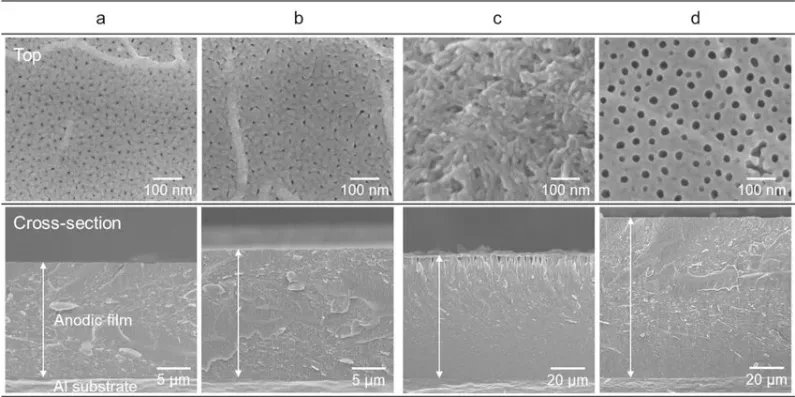
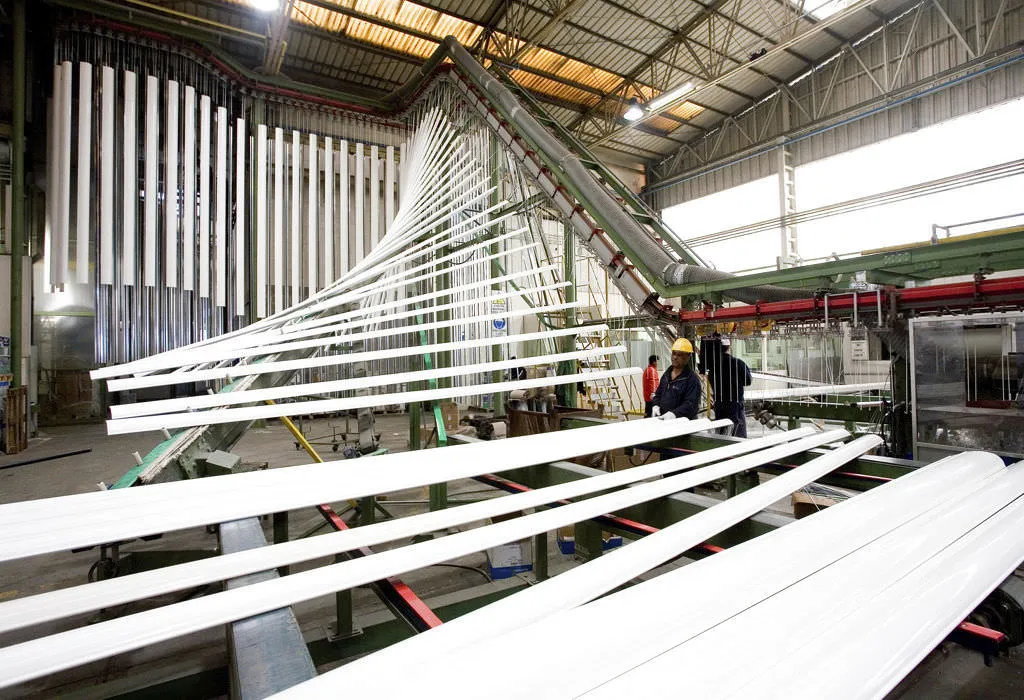
Powder coating is an electrostatic application of dry polymer powder followed by oven curing (typically 180–200 °C). The film forms on the surface and can be applied to almost any conductive metal after proper pretreatment (zinc phosphate or chrome-free conversion coating). Anodizing is an electrochemical process that grows an aluminum oxide layer from the base metal itself in a sulfuric or hard-anodize bath. No external material is deposited; the oxide is part of the aluminum. That fundamental difference explains why anodizing cannot be used on steel and why powder coating always adds measurable thickness while anodizing does not.
From a fabrication standpoint, powder lines are more forgiving of part geometry and batch size. Anodizing requires careful racking to maintain electrical contact and uniform current density; complex sheet-metal forms with deep recesses or thin walls can burn or show uneven color. During CAM and process planning we flag any aluminum part with tight fits or threaded holes for anodizing review, because even 15 µm of oxide can affect assembly.
Material Compatibility and Why Aluminum Changes the Equation
Anodizing is effectively limited to aluminum alloys (and a narrow range of titanium or magnesium). 5000- and 6000-series alloys respond well; high-copper 2000-series and high-zinc 7000-series can be more difficult and may need special baths. Powder coating has almost no substrate restriction once the surface is cleaned and conversion-coated. This is why, in mixed production, we often see powder specified for steel frames and anodizing reserved only for the aluminum panels that need hardness or a metallic appearance.
When the entire assembly is aluminum, the decision shifts to performance versus cost. Anodizing gives a true metallic look and superior hardness; powder can match almost any color but will look and feel like a painted surface.
Corrosion Resistance Under Real Service Conditions
Both finishes can deliver excellent corrosion performance, but the mechanisms differ. A well-sealed Type II or Type III anodic coating on aluminum routinely passes 1000+ hours salt spray because the oxide is dense and chemically bonded. Powder coating relies on the barrier properties of the polymer film plus the quality of the pretreatment. On steel, a good powder system (epoxy or polyester with zinc-rich primer) can also exceed 1000 hours, but any mechanical damage that breaks the film exposes the substrate and corrosion can undercut. On aluminum, powder is still effective, yet anodizing usually wins for long-term outdoor exposure where the part may see abrasion or UV.
In outdoor architectural or industrial applications we typically recommend sealed anodizing for aluminum and powder coating for steel or for aluminum parts that need a specific color not available in anodizing dyes.
Wear Resistance and Surface Hardness Trade-offs
Hard anodizing (Type III) can reach 350–500 HV and is routinely specified for sliding surfaces, wear plates, and parts that see repeated abrasion. Standard powder coatings sit in the H–2H pencil hardness range and are more flexible, which helps them absorb impact without cracking. Under sharp abrasion or sliding wear, anodizing is clearly superior. Under impact or flexing of thin sheet, powder coating often survives better because the film can deform rather than fracture.
We see this difference clearly in production testing: aluminum panels that are repeatedly wiped or rubbed show less wear when hard-anodized; steel covers that get dropped or scraped prefer powder.
Color Selection and Aesthetic Limitations
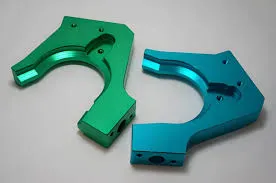
Powder coating wins on color flexibility by a wide margin. Almost any RAL or custom Pantone can be matched, including textures, metallics, and low-gloss finishes. Anodizing offers clear, black, bronze, and a limited set of dyed colors; the dyes sit in the porous oxide and can fade under strong UV unless specially sealed. For brand-critical color matching or multi-color assemblies, powder is the practical choice. When a natural metallic aluminum look is desired and color is secondary, anodizing is preferred.
How Coating Thickness Affects Fit and Function
Powder coating routinely adds 60–100 µm per side. On sheet-metal parts with tight clearance holes, pressed-in fasteners, or mating surfaces, that build-up must be accounted for in the design or the powder must be masked. Anodizing adds only 5–25 µm (half the oxide grows outward, half inward), so most designs can ignore the thickness change. This is one of the strongest reasons we push anodizing on precision aluminum housings and heat sinks where even 50 µm of extra material would require re-machining or redesign.
Cost and Lead-Time Reality on the Production Floor
For steel parts and medium-to-high volumes, powder coating is almost always lower cost. Material is inexpensive, the process is continuous, and yield is high. Anodizing carries higher bath chemistry costs, longer cycle times, and more labor for racking and inspection. Hard anodizing is still more expensive. Lead time for powder is typically shorter in most job shops because the equipment is common and less sensitive to part geometry. Anodizing lines can bottleneck when complex racking or special sealing is required.
The trade-off appears when the part is aluminum and the design cannot tolerate powder thickness or needs maximum hardness — then the higher anodizing cost is justified by avoided redesign or field failures.
Factory Perspective: How We Evaluate the Two Finishes During DFM
During DFM review we look at substrate first. If the part is steel or contains steel components, anodizing is immediately ruled out. If it is aluminum, we check critical dimensions, threaded features, and required hardness. We also evaluate panel utilization and racking efficiency: powder coating allows denser loading and simpler fixturing; anodizing needs good electrical contact and spacing to avoid burning. Yield risk is higher with anodizing on thin or complex sheet because of rack marks, burning, or sealing defects. Powder defects (orange peel, holidays, impact damage) are usually easier and cheaper to repair.
Most manufacturers will recommend powder coating as the default for industrial sheet-metal work unless the drawing specifically calls for anodizing performance. When the customer needs both hardness and color on aluminum, we sometimes combine processes (anodize then powder), but that adds cost and complexity and is used only when neither process alone meets all requirements.
Which Option Should You Choose?
Choose powder coating if you:
- Are working with steel, stainless, or mixed-metal parts
- Need a wide range of colors, textures, or brand-matched finishes
- Can accept 60–100 µm of added thickness
- Prioritize lower cost and faster throughput for volume production
- Want good impact resistance and easier repair of coating damage
Choose anodizing if you:
- Are working exclusively with aluminum (or compatible alloys)
- Need maximum surface hardness and abrasion resistance
- Have tight dimensional tolerances that cannot tolerate thick coatings
- Require long-term outdoor corrosion resistance with minimal thickness
- Prefer a true metallic appearance rather than a painted look
There is no universal winner in the powder coating vs anodizing sheet metal decision. The right finish is the one that matches the substrate, the functional requirements, and the production constraints of the actual part.
Recommended Figure: Decision flowchart starting with "Is the part aluminum only?" then branching on hardness need, thickness allowance, color requirement, and volume.
Frequently Asked Questions
Q1: Can powder coating be applied over anodizing?
A1: Yes, but it is uncommon and adds cost. The anodic layer must be properly sealed and cleaned; adhesion is usually good, yet most shops prefer to choose one finish that meets all requirements rather than combining both.
Q2: Which finish lasts longer outdoors on aluminum sheet metal?
A2: Properly sealed anodizing generally outperforms powder coating for pure aluminum in long-term outdoor exposure because the oxide is integral and does not rely on a surface film that can be damaged. Powder coating can still give many years of service if the film remains intact.
Q3: Does anodizing work on steel or stainless sheet metal?
A3: No. Anodizing is an electrochemical process that requires a reactive metal that forms a stable oxide — primarily aluminum. Steel and stainless must use powder coating, plating, or other coatings.
Q4: How much does coating thickness affect assembly of sheet-metal parts?
A4: Powder coating adds enough thickness that clearance holes, press fits, and mating surfaces often need design compensation or selective masking. Anodizing thickness is small enough that most designs can ignore it unless the tolerance stack is extremely tight.
Q5: Is hard anodizing always better than standard anodizing for wear?
A5: For abrasion and sliding wear, yes — hard (Type III) anodizing is significantly harder and thicker. For general corrosion protection and appearance, standard Type II is usually sufficient and lower cost.
Q6: Which process is easier to repair if the finish is damaged in the field?
A6: Powder coating is easier to touch up or recoat. Damaged anodizing cannot be locally repaired to the original appearance and hardness without reprocessing the entire part.