 00:59
00:59
Thermal Management
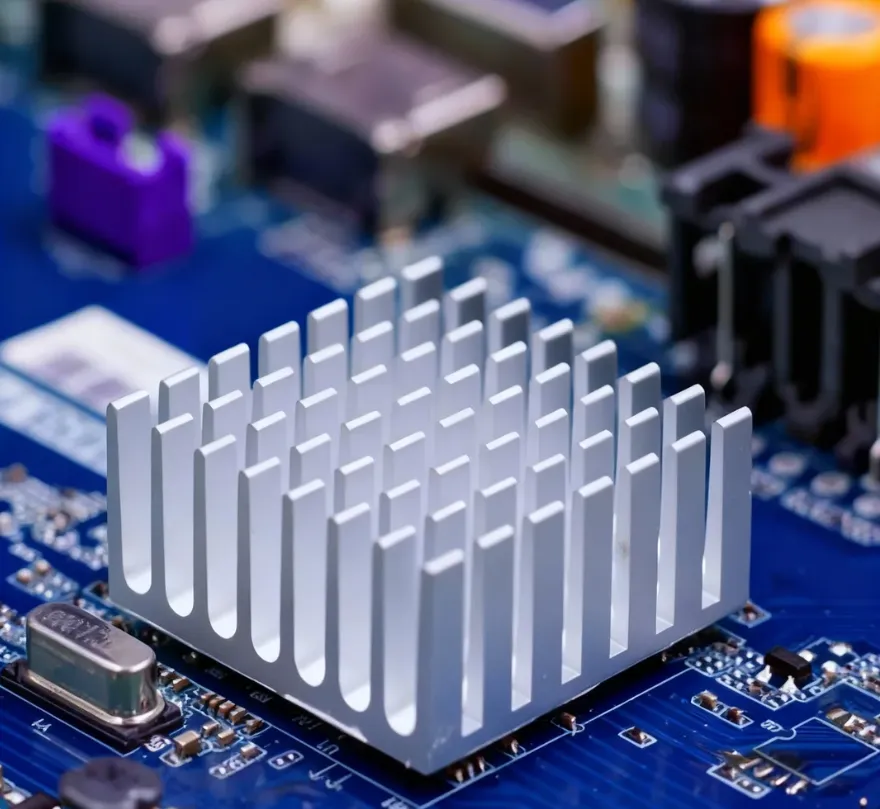
Thermal management is a critical aspect of PCB design and electronics engineering, focusing on the strategies and techniques used to control heat generation and dissipation in electronic systems. Effective thermal management ensures that components operate within safe temperature ranges, preventing issues like reduced performance, premature failure, or complete system breakdowns. For engineers, hobbyists, and professionals searching for insights on this topic, understanding thermal management can lead to more reliable and efficient designs, whether you're working on high-power circuits, densely packed boards, or applications in harsh environments. At its core, thermal management involves analyzing heat sources such as processors, power transistors, and LEDs, then implementing solutions like heat sinks, thermal vias, fans, or advanced materials such as thermally conductive substrates. Best practices include conducting thermal simulations early in the design phase to predict hotspots and optimize layouts. For instance, incorporating copper pours or multi-layer PCBs can enhance heat spreading, while selecting components with appropriate thermal ratings minimizes risks. In practical applications, these techniques are essential for industries like automotive electronics, where vibration and extreme temperatures demand robust cooling, or consumer devices requiring compact, fanless designs. Professionals often turn to thermal management resources to address common challenges, such as balancing cost with performance or integrating passive versus active cooling methods. By applying these principles, you can extend device lifespan and improve energy efficiency. The articles grouped under this tag delve into specific case studies, design tutorials, and emerging trends, offering detailed guidance to help you implement effective strategies in your projects.
Video Guide
-
00:59
Technical Articles

Should MySQL Run Inside Docker Containers?
Selecting PLCs to Drive Contactors
BYD Seal Eight-in-One Motor Technology
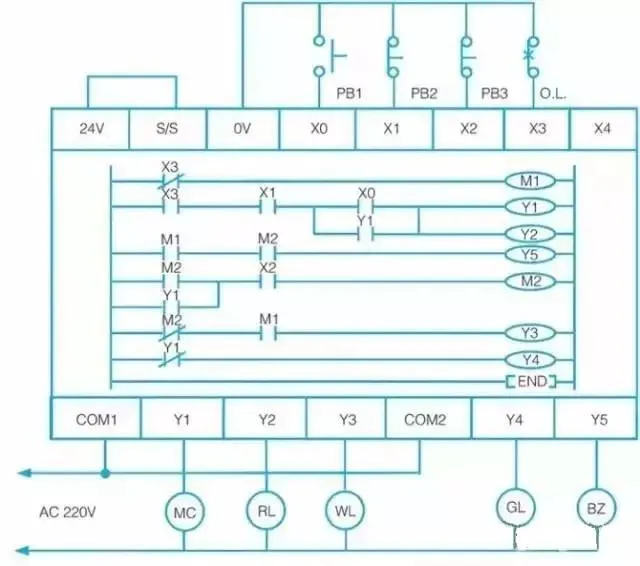
Converting Electrical Schematics to PLC Ladder Diagrams
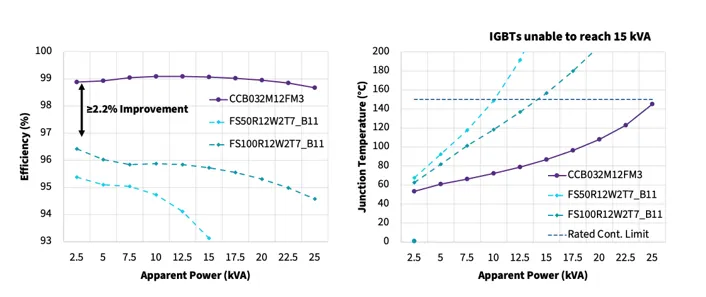
Wolfspeed Power Modules in Three-Phase Motor Drives
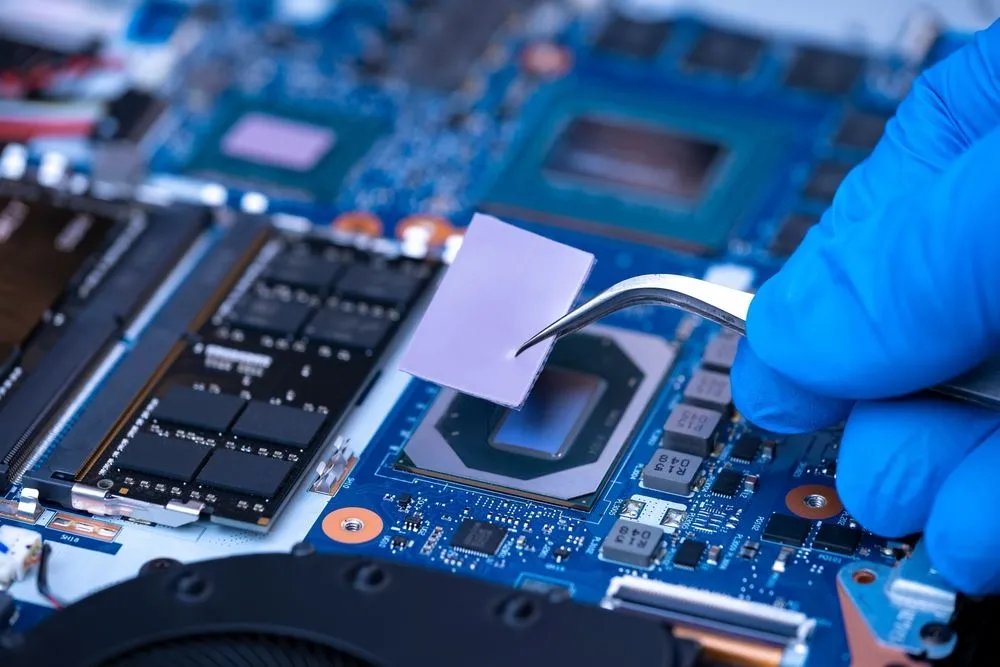
Thermal Pad Design for Power Supplies: Enhancing Efficiency and Reliability
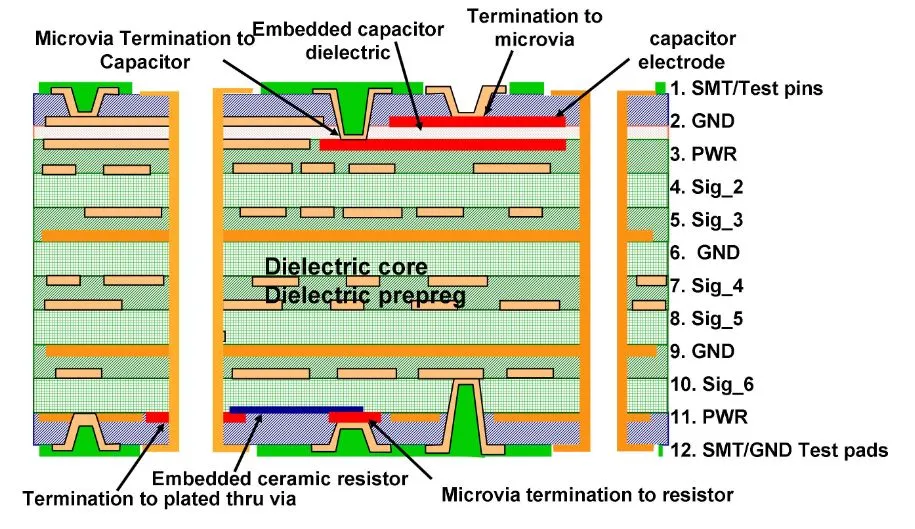
HDI Assembly: Stack Up Structures and Materials
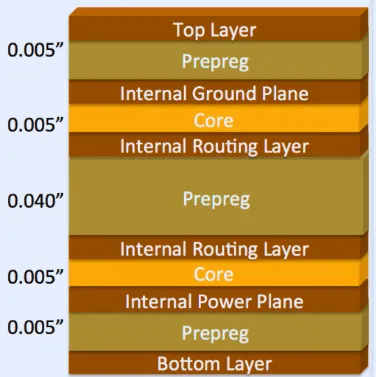
Choosing the Right PCB Layer Thickness: A Comprehensive Guide
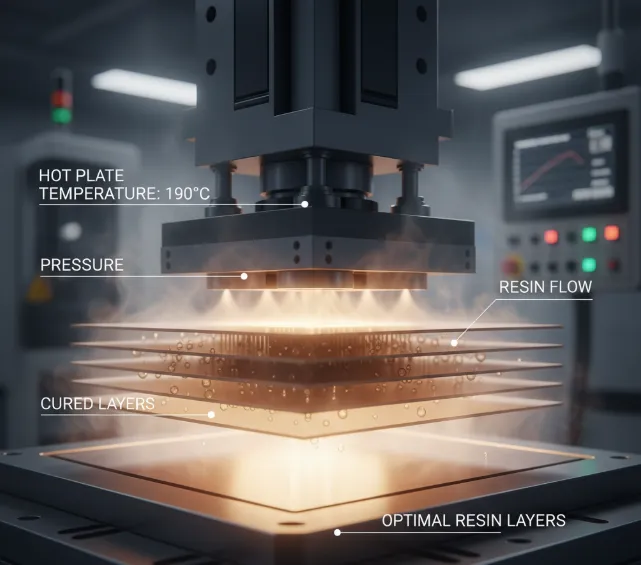
PCB Lamination Temperature Control: A Guide to Process Optimization
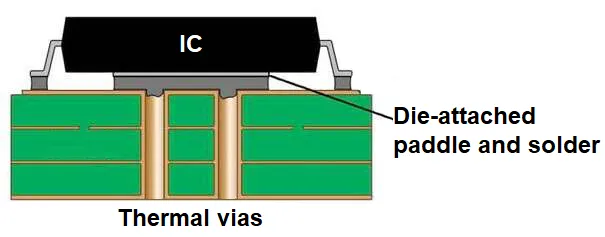
The Importance of Thermal Vias in High Power PCB Design: Dissipating Heat and Improving Reliability
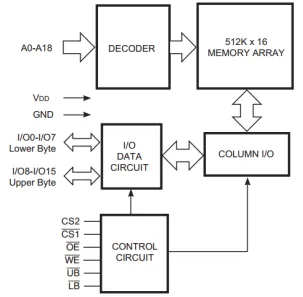
STM32 FSMC SRAM Initialization and Usage
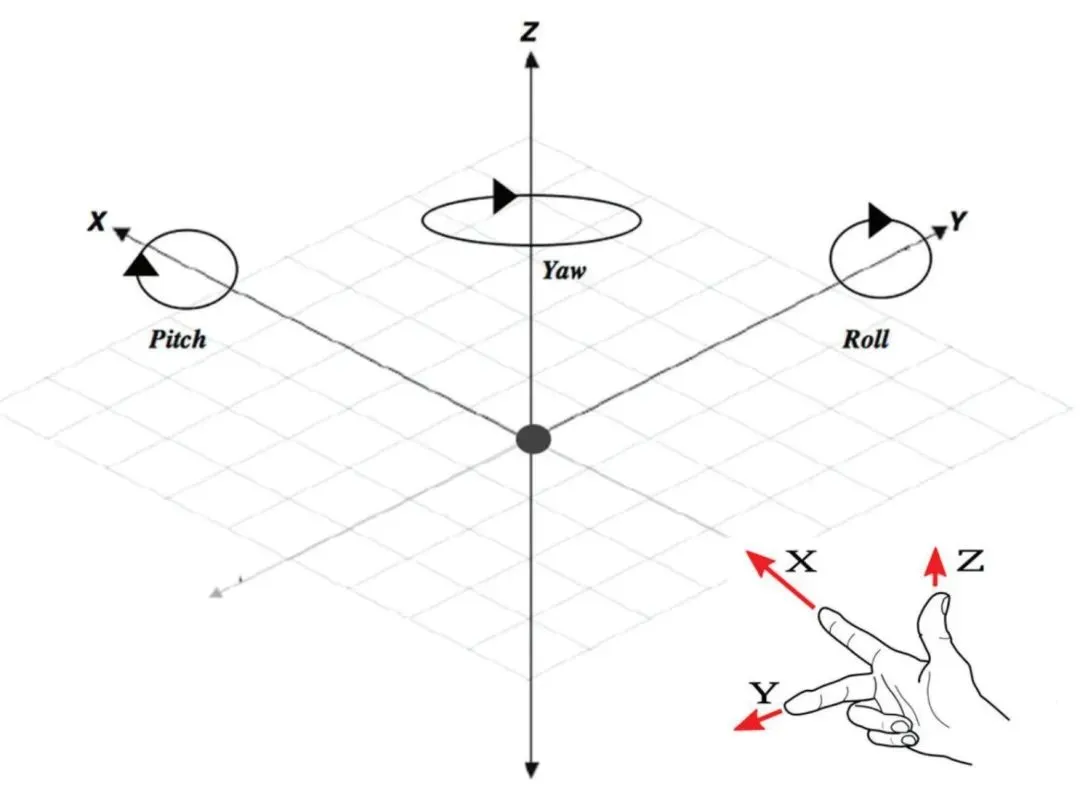
Stepper Motor Principles and Robot Motion Path Awareness
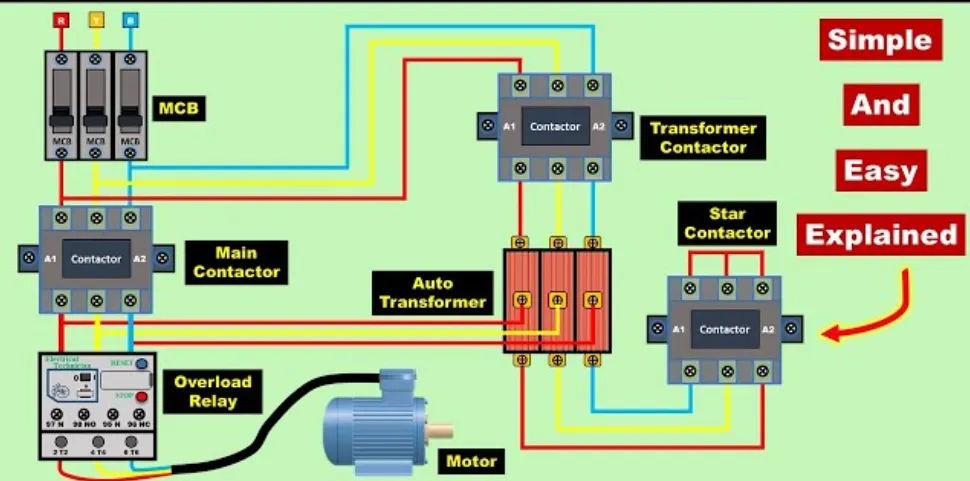
Common Motor Starting Methods
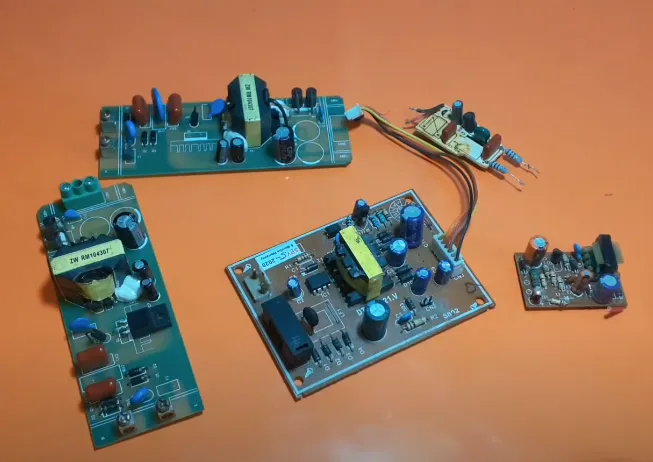
A Comprehensive Guide to Selecting PCB Fuses for Overcurrent Protection
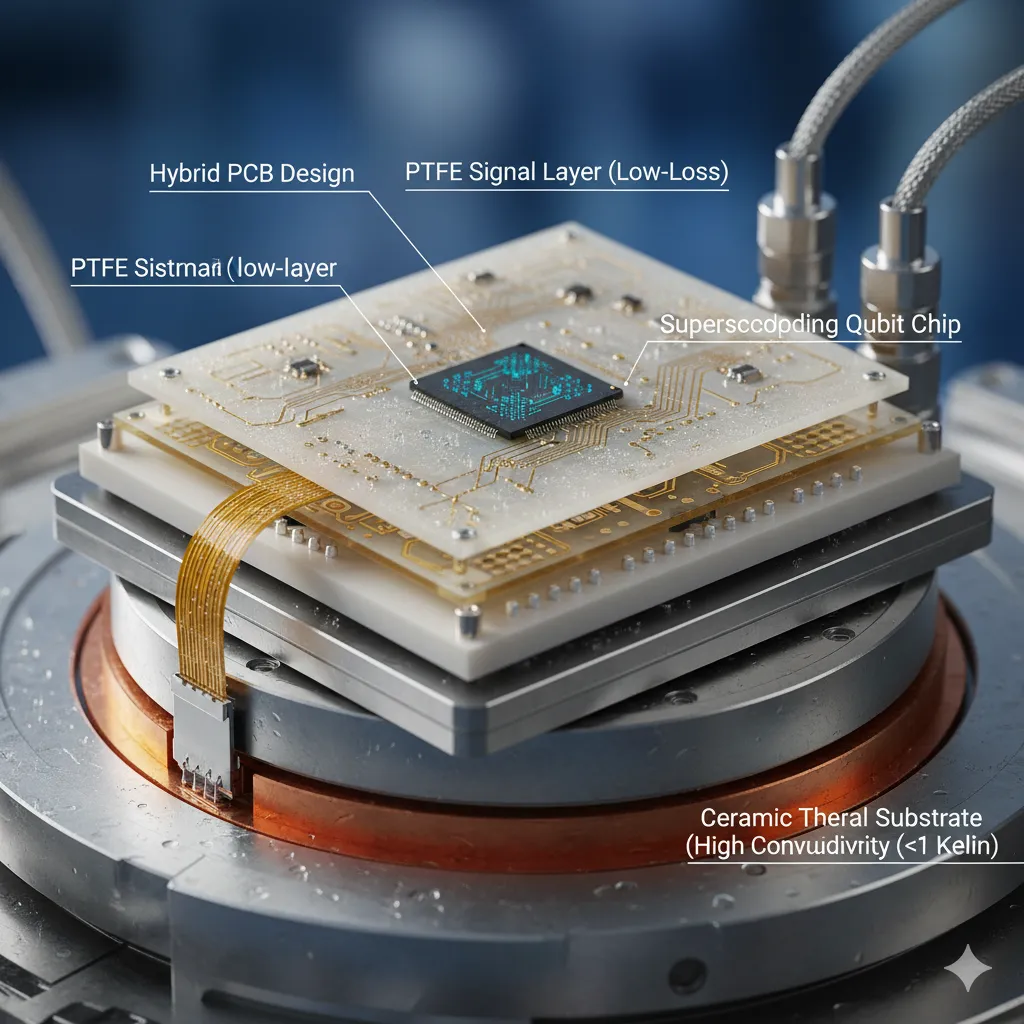
Advanced Materials for Quantum Computing PCBs: A Comprehensive Overview
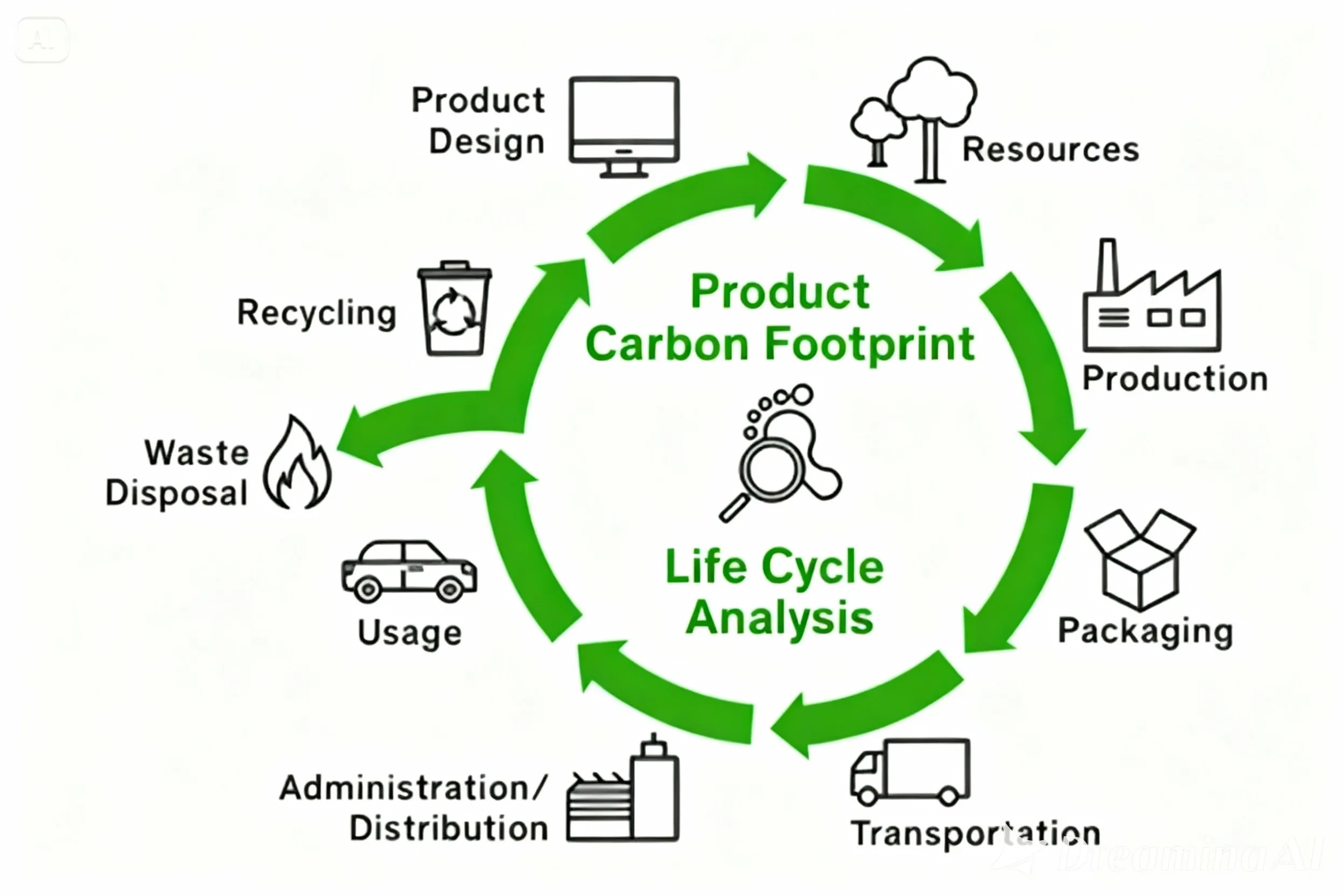
Reducing PCB Carbon Footprint: The Role of Sustainable Materials
Inner Layer Copper Thickness: A Key to Effective PCB Heat Dissipation
Enhancing Plated Through-Hole Current Capacity in High-Power PCBs
Solder Mask Color and Thermal Performance: An In-Depth Analysis