 00:59
00:59
Thermal Management
Thermal management is a critical aspect of PCB design and electronics engineering, focusing on the strategies and techniques used to control heat generation and dissipation in electronic systems. Effective thermal management ensures that components operate within safe temperature ranges, preventing issues like reduced performance, premature failure, or complete system breakdowns. For engineers, hobbyists, and professionals searching for insights on this topic, understanding thermal management can lead to more reliable and efficient designs, whether you're working on high-power circuits, densely packed boards, or applications in harsh environments. At its core, thermal management involves analyzing heat sources such as processors, power transistors, and LEDs, then implementing solutions like heat sinks, thermal vias, fans, or advanced materials such as thermally conductive substrates. Best practices include conducting thermal simulations early in the design phase to predict hotspots and optimize layouts. For instance, incorporating copper pours or multi-layer PCBs can enhance heat spreading, while selecting components with appropriate thermal ratings minimizes risks. In practical applications, these techniques are essential for industries like automotive electronics, where vibration and extreme temperatures demand robust cooling, or consumer devices requiring compact, fanless designs. Professionals often turn to thermal management resources to address common challenges, such as balancing cost with performance or integrating passive versus active cooling methods. By applying these principles, you can extend device lifespan and improve energy efficiency. The articles grouped under this tag delve into specific case studies, design tutorials, and emerging trends, offering detailed guidance to help you implement effective strategies in your projects.
Video Guide
-
00:59
Technical Articles
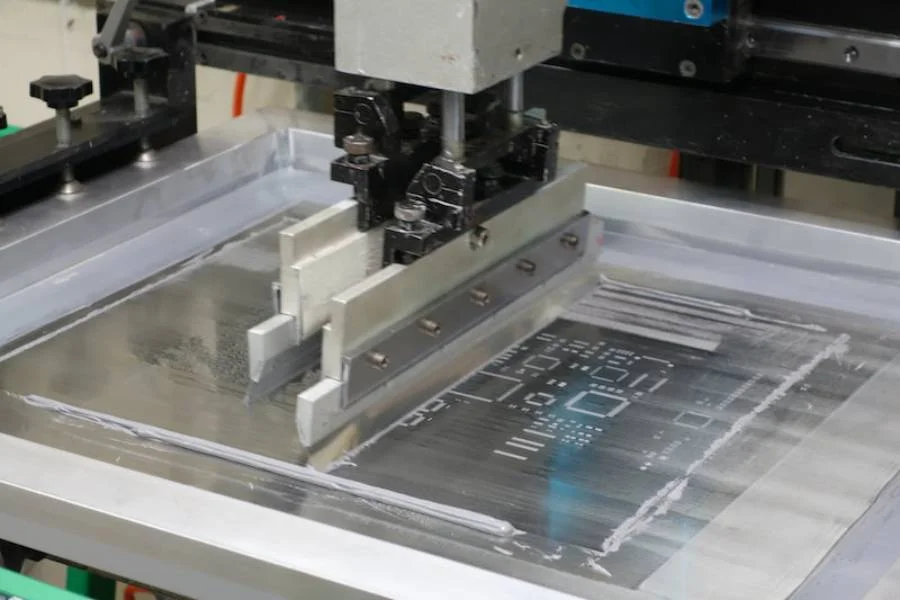
Why SMT Yield Often Stalls: Solder Paste Printing Controls That Directly Impact Quality
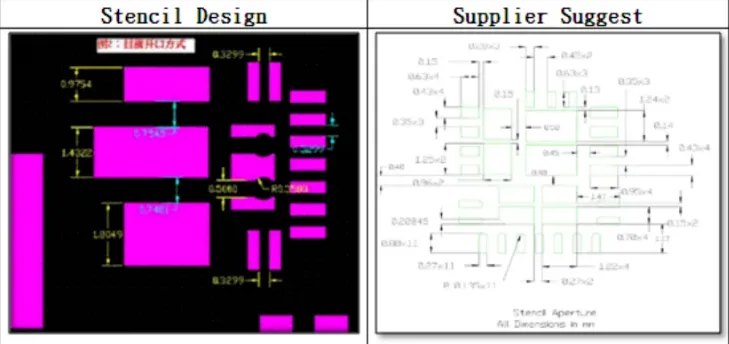
SMT QFN Ground Pad Failure Analysis and Process Improvement Case Study
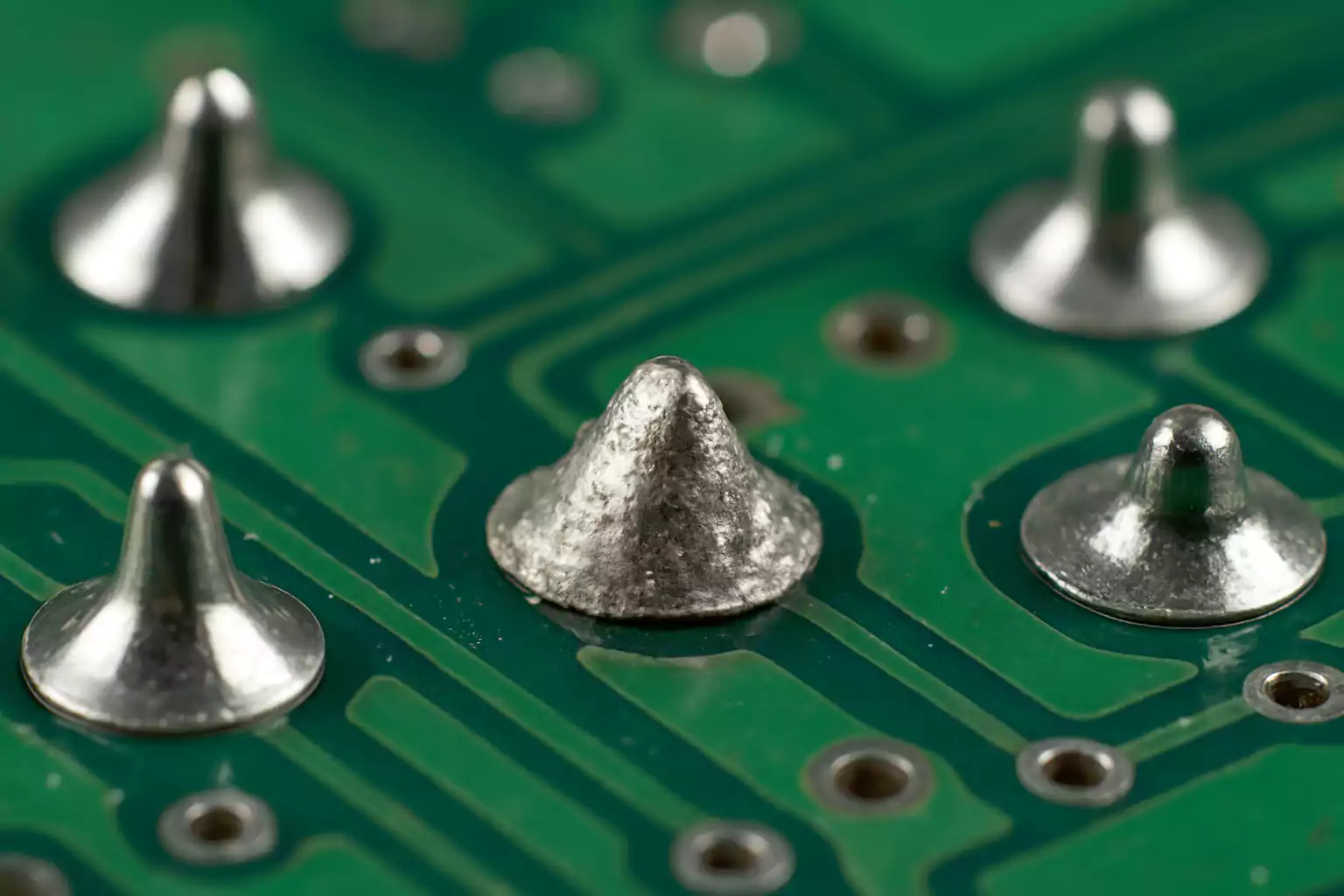
Wave Soldering Fundamentals: Flux Mechanisms, Defect Diagnostics, and a Performance Evaluation Framework
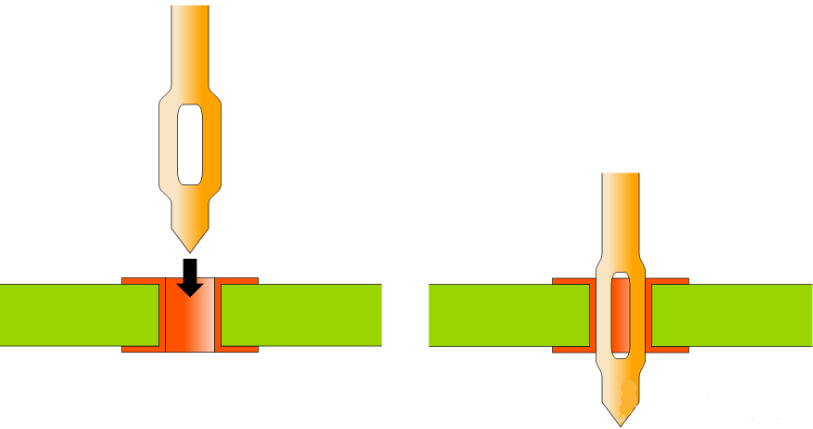
PCB CAM Case Study on Tight Tolerances in Backdrilling, Countersink, and Press-Fit Holes

Handling PCB Warpage Out-of-Tolerance Alarms on Fuji NXT Pick-and-Place Machines: Board Height Measurement and Exception Handling
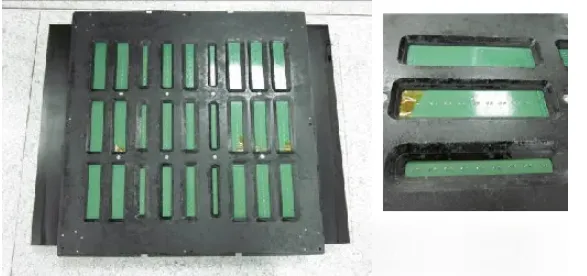
Improving DIP Solder Fill: A DOE on Thermal Relief Pads and PTH Clearance
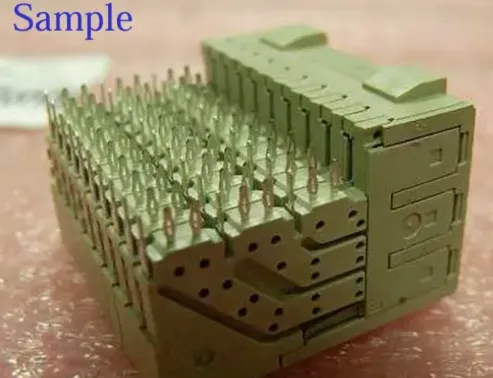
Press-Fit PCB Hole Design Standards and Process Best Practices
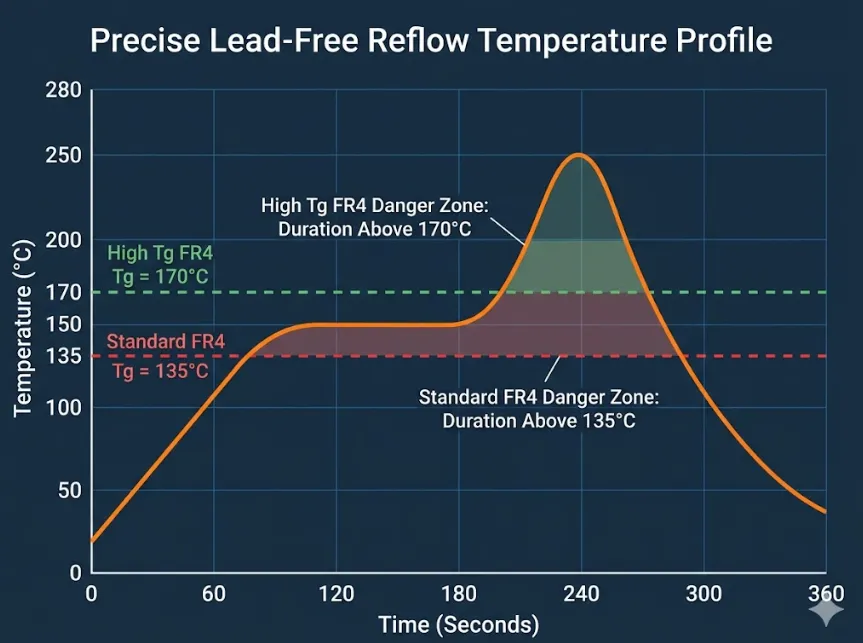
How PCB Tg Affects the SMT Reflow Soldering Process

Lead-Free Component Terminal Plating Materials and Processes: A Practical Guide for SMT Process Engineers

Illustrated BGA Soldering Defects and Failure Analysis for SMT Process Engineers
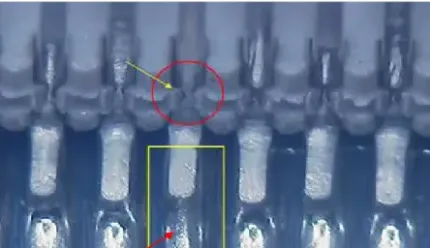
Root Cause and Corrective Action for CF Card Connector Solder Opens in SMT

Wave Soldering in Through-Hole Assembly: Practical DOE Case Studies for Yield Improvement
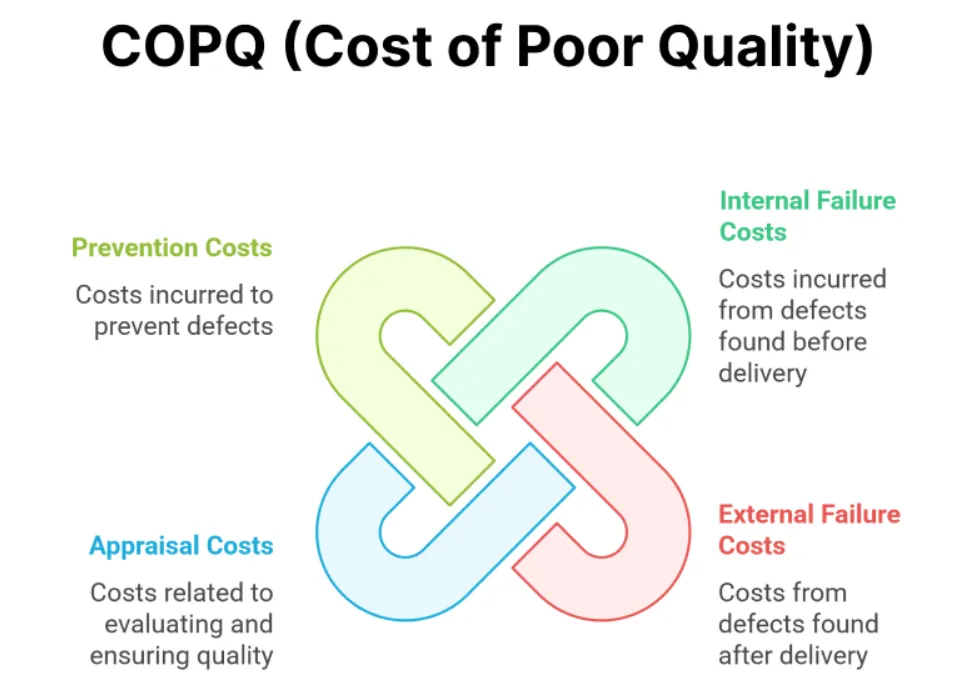
Unmasking the Invisible Killer in SMT Factories: Understanding Cost of Poor Quality (COPQ)
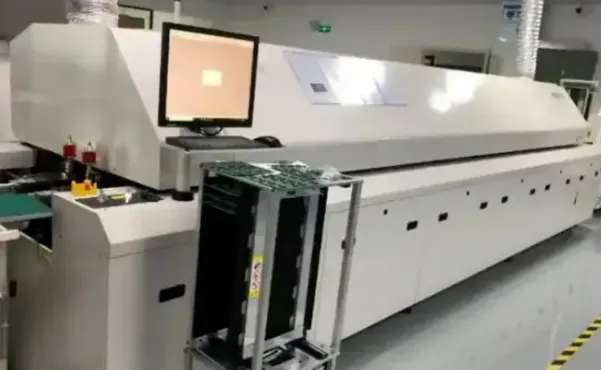
IPC-7801: Process Control for SMT Reflow Soldering

Root Cause Analysis and Corrective Actions for a 76% Open-Solder Rate on Recycled BGA Devices

Dye Stain Analysis of SMT BGA Defects: A Review of Five Typical Cases
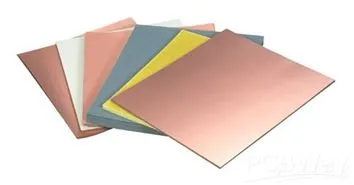
Emergency Substitution Strategies for SMT PCB Laminates: From Performance Matching to Manufacturing Implementation
Technical Guide to 18-Layer Mixed-Lamination PCB

SMT Process Design for QFN Exposed-Pad Vias and Reflow Soldering Validation