


PCB Application
Printed circuit boards (PCBs) form the backbone of modern electronics, enabling the seamless integration of components in devices ranging from smartphones to industrial machinery. In the PCB Application category, we delve into the diverse ways these essential components are deployed across industries, offering a comprehensive resource for engineers, designers, and enthusiasts seeking to understand and implement effective solutions. This category explores the practical implementation of PCBs in real-world scenarios, from consumer electronics and automotive systems to medical devices and renewable energy technologies. Readers will find detailed discussions on how PCB designs influence performance, reliability, and efficiency in applications such as IoT devices, where compact layouts support wireless connectivity, or in aerospace engineering, where robust PCBs withstand extreme conditions. By examining these examples, professionals can gain insights into optimizing board layouts for specific environments, reducing failure rates, and enhancing overall system functionality. Our collection includes in-depth guides that walk through application-specific design considerations, step-by-step tutorials on prototyping for emerging technologies like electric vehicles, and expert insights into best practices for signal integrity and thermal management. Whether you are troubleshooting common issues in high-frequency applications or exploring innovative uses in wearable tech, the articles here provide actionable knowledge grounded in current industry standards. As you navigate through these resources, you will uncover strategies to adapt PCB applications to evolving demands, ensuring your projects remain at the forefront of technological advancement. With a focus on technical relevance, this category bridges theoretical concepts with hands-on implementation, empowering you to apply proven techniques in your own work. Delving into multiple pieces within PCB Application equips you with a broader perspective, fostering innovation and problem-solving in electronics design.
Latest Blogs
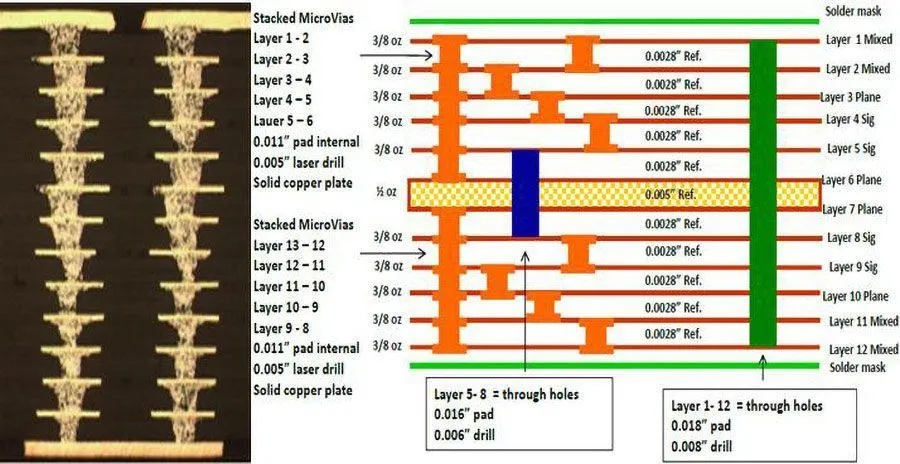
Miniaturization Techniques for High-Density Wearable Health Monitor PCBs
A guide to miniaturization techniques for HDI PCB wearables. Learn microvia integration and component placement for reliable, high-density health monitors.
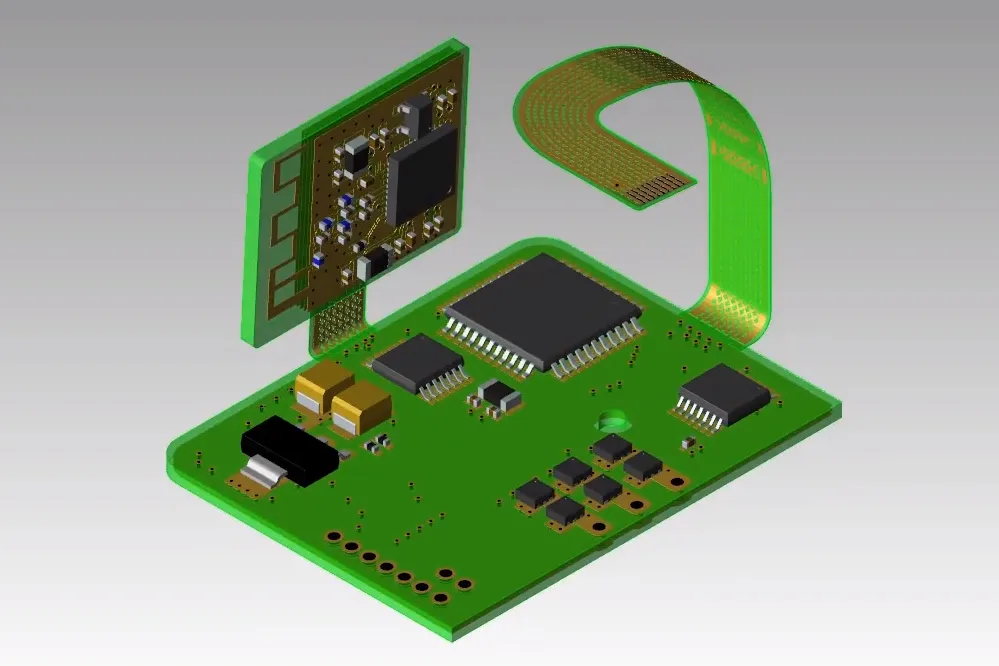
Rigid-Flex PCBs: The Ultimate Solution for Complex Wearable Health Monitors
Explore rigid-flex PCBs for medical devices as the ultimate solution for complex wearable health monitors. Learn design advantages, HDI integration, flex fatigue fixes, assembly best practices, and real-world case studies for reliable, miniaturized medical electronics that conform to the body while enduring sweat, motion, and long-term use.

Rigid-Flex PCB Applications in Medical: Enabling Miniaturized and Flexible Innovations
Discover rigid-flex PCB applications in medical devices, from flexible designs for artificial limbs to reliable interconnects in implantable medical devices. Learn assembly challenges, ISO 13485 best practices, and 2025 trends for miniaturized, biocompatible innovations—boost reliability in prosthetics and implants.

Rigid-Flex PCBs in Avionics: A Flexible Solution for Complex Systems
Explore rigid-flex PCBs in avionics for 30% weight reduction, superior vibration resistance (20G+ per DO-160), and space-saving interconnects. This 2026 guide covers materials, stack-up strategies, common failures (delamination, trace cracking), assembly best practices, eVTOL case studies, and HDI trends. Achieve IPC-6013 Class 3 reliability for flight-critical LRUs with AIVON.
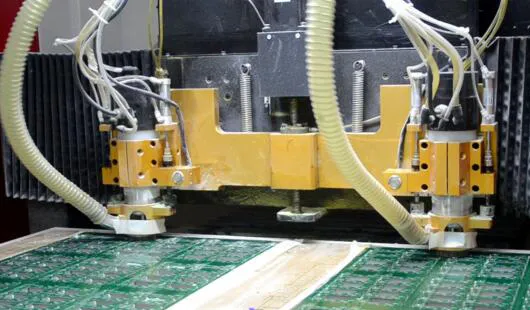
Harnessing CNC Machines for Precise PCB Prototyping in Construction
Unlock CNC PCB prototype construction for precise, fast prototyping: Master milling PCBs machinery, workflows, and fixes for rugged construction sensors. Achieve 98% yields under $100/unit—ideal for 2025 IoT site monitors and vibration-resistant boards.

VR Headset PCB Prototyping: Fast and Cost-Effective Methods
Discover fast VR headset PCB prototyping methods: Cut costs with rapid fabrication, efficient assembly, and DFM tips. Achieve 95% yields under $150/unit—ideal for 2025 AR/VR wearables and flexible designs.

Prototyping Techniques for Autonomous Vehicle Control PCBs: A Practical Guide
Accelerate autonomous vehicle PCB prototyping with rapid techniques: Explore automotive fabrication, assembly services, quick-turn prototypes, and a complete checklist. Achieve 98% yields under ISO 26262—essential for 2025 ADAS and ECU development.


