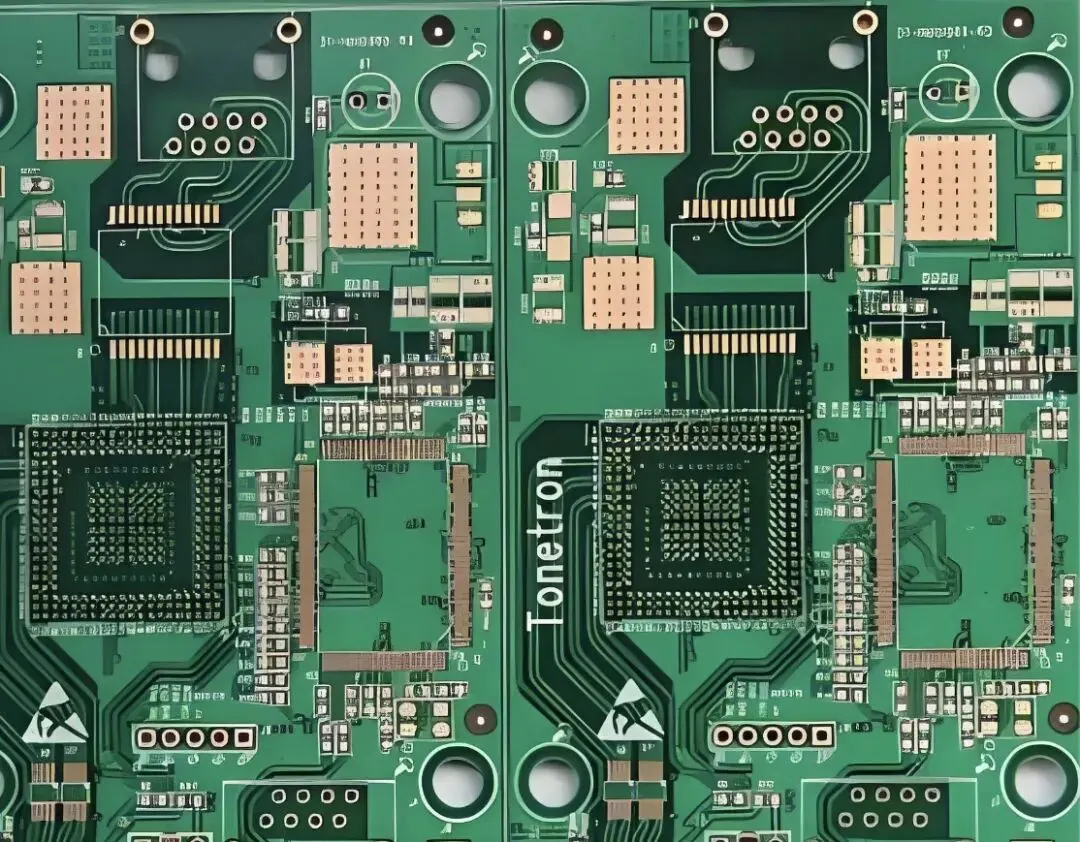



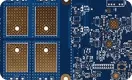


If the chip is the "brain" of an electronic product, the PCB (printed circuit board) is the "body" that carries it and routes its nerve signals. Behind every PCB, quietly determining how fast it can run, how much heat it can withstand, and how long it will last, are the most fundamental materials that build it: the laminate and the prepreg.
To standardize these base materials, IPC (Association Connecting Electronics Industries) published a comprehensive specification that functions as the reference "bible" for rigid and multilayer PCB base materials: IPC-4101B. For PCB engineers, buyers, and quality inspectors, understanding this specification is essentially a ticket to high-quality board materials.
Using IPC-4101B (June 2006 edition with subsequent amendments) as the basis, this article unpacks the essentials in clear engineering language and explains how to apply them in real projects.
Why IPC-4101B Matters for PCB Base Materials
Before the specification, two core concepts need to be clear:
- Laminate: commonly known as copper-clad laminate (CCL), made by impregnating glass fiber cloth with resin and pressing copper foil onto one or both sides. It forms the structural backbone of the PCB.
- Prepreg (PP): the adhesive/insulating dielectric layer that bonds multilayers together in a stackup.
Historically, the global PCB base-material market was fragmented, with each manufacturer using its own definitions, forcing downstream users to "feel the elephant" when selecting materials. The IPC-4101 series solved this problem by replacing legacy military specifications (such as MIL-S-13949) and creating a unified system of slash sheets. It compiles 66 standardized categories that span resin systems, reinforcement materials, and performance classes into a consistent taxonomy.
A milestone in this series, IPC-4101B aligned with the industry shift to environmental compliance and higher performance. It systematically incorporated test requirements and limits for lead-free processing and halogen-free materials. Once you understand IPC-4101B, you understand the underlying logic of modern PCB base materials.
Decoding the Naming and Classification in IPC-4101B
The first impression of IPC-4101B can be intimidating: long strings of letters and numbers. In reality, the coding system is structured. Once you grasp the logic, you can quickly identify what a given material is and how it was built.
The standard divides materials into two main categories—laminates (L) and prepregs (P)—and encodes them using a structured identifier.
1. The "ID Card" of a Laminate
A typical laminate code might look like:
L 25 1500 C1/C1 A A
- L: material type, indicating a laminate (P indicates a prepreg).
- 25: slash sheet number, referencing one of the 66 slash sheets in the standard. This sets the resin system, reinforcement, and performance class.
- 1500: nominal thickness. In imperial context this is in units of 0.0001 inches (here 60 mil), while in metric it represents tenths of a millimeter (here 1.5 mm).
- C1/C1: copper foil type and weight. C denotes electro-deposited (ED) copper; 1 denotes 1 oz (about 35 μm). If the two sides use different foils, they are separated by a slash.
- A: thickness tolerance grade. IPC defines grades A, B, C, etc., with A being the tightest.
- A: surface quality grade, also graded A, B, C, with A requiring defect-free surfaces.
2. The "Health Report" of a Prepreg
Prepreg codes focus on flow behavior and resin content. For example:
P 25 E7628 TW RE VC
- E7628: reinforcement type. E indicates E-glass; 7628 is the glass cloth style (as defined in IPC-4412). Other reinforcements include S-glass (high strength) and aramid fibers.
- TW: resin content measurement method (here, total weight method).
- RE: flow test method (rheological test).
- VC: optional test item (volatile content test).
Engineering pitfall to avoid: When placing orders or qualifying alternates, do not focus solely on thickness and copper weight. The slash sheet number (e.g., 25 for FR-4 classes) and the tolerance grades are key determinants of electrical performance, manufacturability, and yield. Cost-cutting substitutions happen—such as labeling B-grade as A-grade or switching copper foil types (for example, substituting reverse-treated foil for HTE foil). Rigorous IQC checks against IPC codes and definitions are essential.
What Does IPC-4101B Measure? Core Performance Metrics
The standard lists a large number of tests, but they ultimately assess material performance along four dimensions: mechanical, thermal, electrical, and chemical. With the adoption of lead-free processes, several indicators have become critical checkpoints in IPC-4101B.
1. Thermal Threshold: Tg (Glass Transition Temperature)
As resin is heated, it transitions from a rigid glassy state to a softer, rubber-like state. The transition point is the glass transition temperature, Tg. Typical ranges:
- Standard Tg: 110 °C to 150 °C
- Medium Tg: 150 °C to 170 °C
- High Tg: > 170 °C
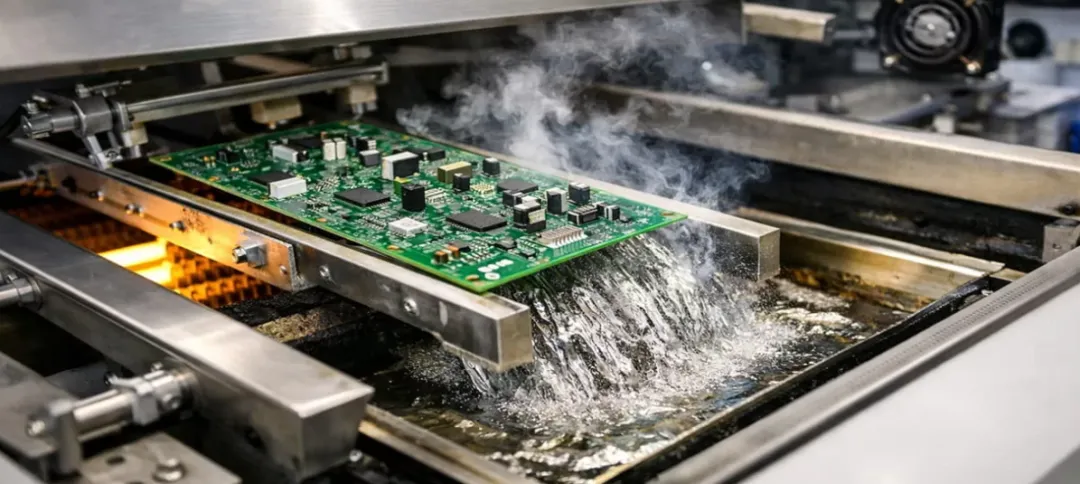
Lead-free reflow can reach peak temperatures of about 260 °C. If Tg is too low, the resin softens during reflow, risking interlayer delamination or even board "popcorning." For lead-free FR-4 classes, IPC-4101B imposes a minimum requirement of Tg ≥ 150 °C, depending on the slash sheet/class.
2. Thermal Degradation Barrier: Td (Decomposition Temperature)
Td is defined as the temperature at which the resin mass losses reach 5% in a thermogravimetric analysis (TGA). It indicates where the polymer backbone starts to undergo irreversible breakdown. When soldering temperatures approach Td, chain scission occurs and the substrate suffers permanent damage. For lead-free materials, IPC-4101B sets stringent thresholds: for medium-Tg materials, Td must be ≥ 325 °C; for high-Tg materials, Td ≥ 340 °C.
3. Z-Axis Expansion: Z-CTE (Coefficient of Thermal Expansion)
In-plane (X/Y) expansion is restrained by the glass fabric, typically around 12–15 ppm/°C. The Z-axis (thickness direction) is far less constrained and can reach 55–60 ppm/°C or more. Excessive Z-axis expansion under repeated thermal cycling can stress and fracture the copper plating of vias, leading to open circuits. For lead-free materials, IPC-4101B specifies a Z-CTE limit of ≤ 3.5% over the 50–260 °C range.
4. Copper Adhesion: Peel Strength
Peel strength measures how strongly the copper adheres to the substrate. IPC-4101B requires sufficient peel strength not only at room temperature but also after thermal stress tests (such as immersion in 288 °C solder) and exposure to common process chemicals. This requirement is critical for SMT lines handling fine-pitch components; copper foil lift or detachment cannot be tolerated.
5. Environmental Compliance: Halogen-Free Requirements
Halogens such as chlorine and bromine can release toxic gases when burning. Aligning with IEC 61249-2-21, IPC-4101B specifies: Cl ≤ 900 ppm, Br ≤ 900 ppm, and Cl + Br ≤ 1500 ppm. These values are widely used as compliance thresholds for international electronics markets.
From Laboratory to Production: How the Standard Is Implemented
IPC-4101B is not merely a collection of laboratory tests. It also embeds a robust quality assurance logic to ensure materials do not just "test well" in a lab but "produce consistently" on a line.
1. Two-Tier Validation: Qualification and Quality Conformance Inspection (QCI)
- Qualification: Equivalent to a new hire's entrance exam. When introducing a new material or formulation, it must pass a defined battery of electrical, thermal, mechanical, and chemical tests with specified sample counts and frequencies. Only after passing all tests can a material be added to the approved vendor list (AVL).
- Quality Conformance Inspection (QCI): Routine incoming inspection for ongoing production. IPC-4101B defines rotating monthly, quarterly, and annual test items (in tables such as 4-1 and 4-2) to ensure ongoing compliance. This "look back regularly" mechanism prevents quiet erosion of process discipline over time.
2. Embracing Statistical Process Control (SPC)
Section 4.5 emphasizes implementing SPC. Robust material manufacturers do not rely solely on end-of-line inspection. They monitor critical process variables in real time—resin viscosity, glass fabric impregnation, press cycle parameters, and more—to detect drift and correct proactively. SPC is now a staple audit item in automotive electronics and aerospace/defense supply chains.
Practical Guidance for Hardware Engineers
Understanding the standard is about gaining control during product development and supplier negotiations. Based on IPC-4101B, consider the following practical recommendations:
- Do not chase "maximum specs" without a reason: High-Tg, low-CTE materials offer robust performance but are costlier and often more challenging to process (and may have higher dielectric constants). If product lifetime and lead-free assembly requirements can be met, select the slash sheet that offers balanced cost/performance (for many applications, a general FR-4 class such as IPC-4101B/21 suffices).
- Put IPC codes into your purchasing specifications: When issuing a PO, do not simply write "FR-4." Specify the complete IPC code, for example:
L 25 0600 C1/C1 A A. This provides clear technical and contractual footing if quality issues arise later. - Beware of "gaming the metric": Some CCL vendors reduce Z-CTE by loading high levels of inorganic fillers (e.g., clays) into the resin to pass lead-free metrics. While this may satisfy expansion limits, it can make the substrate brittle, increasing the risk of micro-cracks on via walls during mechanical drilling. When qualifying new materials, verify hole-wall quality through microsections and assess drill performance, not just thermal metrics.
Conclusion
IPC-4101B is more than a cold, rigid specification. It chronicles the evolution of PCB base materials: from leaded to lead-free, from halogenated to halogen-free, and from low-speed/low-frequency to high-speed/high-frequency applications. Engineers do not need to memorize every number in the standard, but we must internalize the underlying logic to evaluate materials objectively and safeguard product reliability. Even the most elegant design requires a robust substrate foundation; without it, the structure will not stand.
SEO Title: IPC-4101B Explained: Deep Dive into PCB Laminates and Prepregs, Tests, and Codes Meta Description: A practical engineering guide to IPC-4101B: how laminates and prepregs are coded, key metrics like Tg, Td, Z-CTE, peel strength, halogen-free limits, and how to apply qualification, QCI, and SPC in PCB material selection and QA.