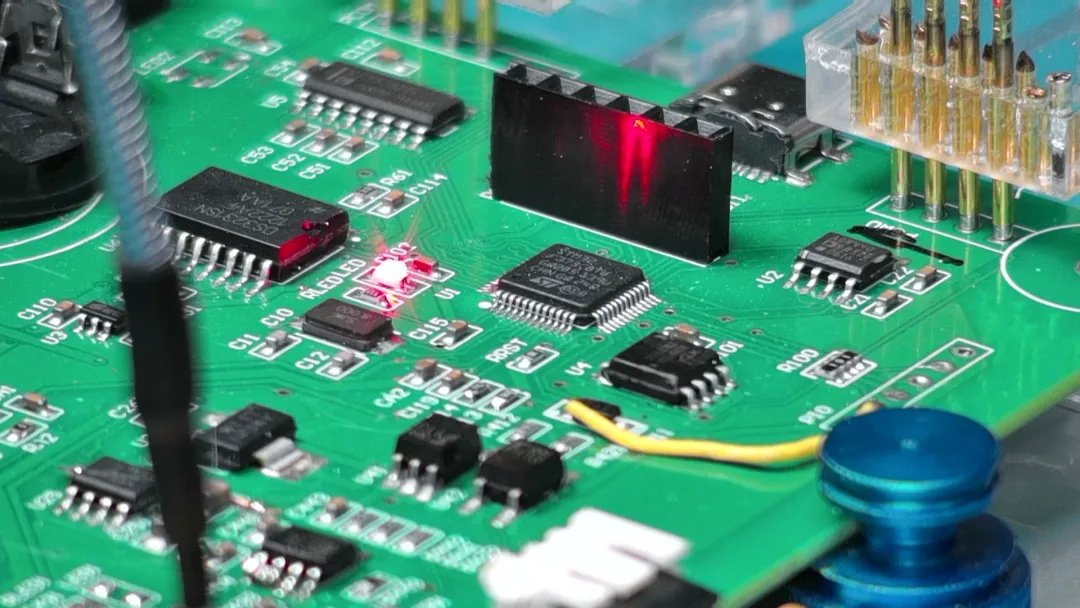
IPC-1601A, Guideline for Printed Board Handling and Storage, is an important standard published by the IPC Association Connecting Electronics Industries. It provides detailed guidance and recommendations for handling, packaging, storing, and transporting printed circuit boards (PCBs). These practices are essential for maintaining PCB quality and reliability throughout manufacturing, shipment, and assembly.
Introduction
IPC-1601A is a comprehensive industry guideline covering the handling, packaging, and storage of printed boards. Its purpose is to protect PCBs from contamination, physical damage, solderability degradation, moisture, oxidation, and electrostatic discharge (ESD). Controlling these risks helps ensure that boards perform reliably during manufacturing and assembly.

Handling Printed Circuit Boards
Handling Environment
PCBs should be handled in a clean, dust-free environment without excessive moisture. Controlling temperature and humidity is important because unsuitable conditions can promote moisture absorption, oxidation, contamination, or other forms of degradation.
- Temperature: The general recommended range is 15 °C to 30 °C.
- Humidity: Relative humidity should be controlled between 30% and 70%.
Handling Procedure
The following practices should be followed when handling printed boards:
- Preparation: Confirm that the work area is clean and prepare all required tools and materials before opening the packaging.
- Removing the board: Use suitable tools, such as ESD-safe gloves, when removing a PCB from its packaging. Avoid touching the board surface directly with bare hands.
- Physical handling: Handle the board carefully and avoid bending, twisting, or applying unnecessary mechanical force.
- Surface contact: Minimize contact with the PCB surface during handling to reduce the risk of contamination and physical damage.
ESD Protection
Electrostatic discharge can seriously damage a PCB and the electronic devices mounted on it. Appropriate ESD controls are therefore required throughout the handling process.
- Use ESD-safe tools: Typical examples include ESD-safe gloves and ESD-safe work mats.
- Grounding: Ensure that equipment and tools are properly grounded to prevent electrostatic charge from accumulating.
- Avoid friction: Minimize friction against the PCB surface because movement and contact can increase the risk of electrostatic discharge.
Packaging Printed Circuit Boards
Packaging Materials
Selecting suitable packaging materials is essential for protecting PCBs against electrostatic discharge, moisture, contamination, and mechanical impact. Common packaging materials include:
- ESD-safe bags: Used to reduce the risk of electrostatic discharge damage.
- Moisture-barrier bags: Used to protect printed boards from moisture absorption.
- Foam containers: Used to provide cushioning and support and to reduce the effects of impact during transportation.
Packaging Procedure
The packaging process should include the following steps:
- Cleaning: Before packaging, confirm that the PCB surface is clean and free of dust and other contaminants.
- Placement: Place the board flat inside an ESD-safe bag or moisture-barrier bag. Do not fold or bend the board.
- Sealing: Seal the bag properly to limit the entry of moisture, dust, and electrostatic charge.
- Identification: Mark the package with information such as the PCB model, quantity, and date to support identification and traceability.
Storing Printed Circuit Boards
Storage Environment
The storage area should provide stable environmental conditions and protection from contamination and moisture. Recommended storage conditions include:
- Temperature: The recommended storage temperature is 5 °C to 30 °C.
- Humidity: Relative humidity should be controlled between 10% and 60%.
- Cleanliness: The storage area should be clean and free of dust and contaminants.
- Ventilation: Adequate ventilation should be maintained to prevent moisture from accumulating.
Storage Period
The allowable storage period depends on the PCB materials and manufacturing process. In general, unopened PCBs can be stored for several years when appropriate storage conditions are maintained. However, excessively long storage may reduce PCB performance and should be avoided whenever possible.
Storage duration should therefore be managed through inventory control and traceability. Older stock should not remain in storage indefinitely, and the condition of the packaging and boards should be evaluated before the boards are released for manufacturing.
Periodic Inspection
PCBs should be inspected periodically during storage to verify their condition and preserve quality and reliability. Inspection should include the following items:
- External condition: Check the PCB surface for scratches, stains, deformation, or other visible defects.
- Packaging: Confirm that the packaging remains intact and check for air leakage, tears, or other damage.
- Identification: Verify that all package markings remain clear and accurate.
If packaging damage or visible board contamination is found, the affected material should be identified and assessed before further processing. Maintaining accurate records helps connect the stored boards with their model, quantity, and storage date.
Transporting Printed Circuit Boards
Transportation Packaging
During transportation, PCBs should be protected with packaging that addresses mechanical shock, vibration, moisture, and contamination. Common transportation packaging includes:
- Shock-absorbing foam: Used to cushion the boards and reduce the effects of impact.
- Moisture-protective containers: Used to reduce the risk of moisture exposure during shipment.
- Wooden crates: Used to provide additional protection and support, particularly for long-distance transportation.
Transportation Requirements
The following requirements should be considered during transportation:
- Reduce vibration: Minimize vibration and shock during shipment to prevent mechanical damage to the boards.
- Maintain moisture protection: Ensure that the transportation packaging provides adequate resistance to moisture.
- Maintain identification: Mark the transportation package with the PCB model, quantity, date, and other information needed for identification and traceability.
- Select a suitable transportation method: Choose the transportation method according to the PCB dimensions, weight, and quantity. Possible methods include express delivery, freight transportation, and air transportation.
Boards should remain properly supported inside the package so that they cannot move excessively during handling. The packaging should also prevent bending and direct contact between vulnerable PCB surfaces and external materials.
Special Considerations for Different PCB Types
Lead-Free Assembly
PCBs intended for lead-free soldering require particular attention because lead-free assembly processes use higher soldering temperatures. The resulting thermal stress and expansion effects should be considered when protecting the boards during storage and transportation.
High-temperature and humid environments should be avoided as far as possible. Suitable packaging and controlled storage conditions help prevent moisture-related degradation and preserve the board's performance before assembly.
High-Density Interconnect Boards
High-density interconnect (HDI) boards have fine line spacing and multiple layers, which makes them more sensitive to contamination, physical damage, and electrostatic discharge. During storage and transportation, special care should be taken to prevent dust, contaminants, and electrostatic charge from reaching the board.
HDI boards should remain properly sealed and supported. Handling personnel should avoid unnecessary contact with the surface and should use appropriate ESD controls throughout the process.
Flexible Printed Boards
Flexible printed boards are lightweight and highly bendable, but their flexibility does not eliminate the need for careful handling. During storage and transportation, they should not be folded, sharply bent, or subjected to uncontrolled mechanical stress.
Flexible boards can also be more susceptible to surface scratches and contamination. They therefore require carefully selected protective packaging and handling methods that preserve the surface finish and prevent damage during movement.
Conclusion
IPC-1601A provides comprehensive guidance for handling, packaging, storage, and transportation of printed circuit boards. Applying these practices helps protect PCBs from contamination, moisture, physical damage, solderability degradation, oxidation, and ESD throughout manufacturing and assembly.
Organizations should establish handling procedures and management controls appropriate for their materials, processes, and operating conditions. Personnel should be trained to understand the importance of PCB protection, while inspection and traceability activities should be used to identify potential problems before they affect production.
Proper implementation of IPC-1601A helps maintain PCB quality and reliability from the time boards are manufactured until they are assembled and used. Careful control of the environment, packaging, handling, storage, and transportation process is an essential part of protecting printed board performance.