







PCB Knowledge
Printed circuit boards (PCBs) form the backbone of modern electronics, enabling everything from smartphones to industrial machinery. In our PCB Knowledge category, we delve into the essential principles, techniques, and innovations that drive this field forward. Whether you are an engineer refining your designs or a hobbyist embarking on your first project, this collection offers valuable resources to enhance your understanding and skills. The scope of PCB Knowledge spans foundational concepts such as circuit layout and component selection, extending to advanced topics like high-speed signal integrity and thermal management. We provide detailed guides that walk through design software usage, manufacturing processes, and quality assurance methods. Tutorials offer hands-on instructions for prototyping and assembly, while insights from industry experts share real-world case studies and emerging trends. Best practices emphasize reliability, cost efficiency, and compliance with standards like IPC, ensuring your projects meet professional benchmarks. The practical value lies in its direct applicability to everyday challenges. For instance, articles on troubleshooting common PCB failures can save time and resources in product development cycles. Discussions on materials science reveal how choices in substrates and coatings impact performance in harsh environments, such as automotive or aerospace applications. By addressing these elements, PCB Knowledge equips you with tools to innovate and optimize electronic systems that power renewable energy solutions, medical devices, and consumer gadgets. As you read through the articles here, you will gain a comprehensive perspective that connects theoretical knowledge with tangible outcomes. This category serves as a hub for ongoing learning, where each piece builds on the others to foster expertise in PCB technology. Stay informed on the latest advancements, from flexible PCBs to sustainable manufacturing, and apply these insights to your work for superior results.
Latest Blogs

Unlocking High Speed Digital PCB Performance: The Essential Material Selection Guide
High speed PCB materials drive signal integrity in digital designs at gigahertz speeds. This guide details dielectric constant, dissipation factor, thermal conductivity, FR-4 for high speed limits, low loss tangent options, and practical selection steps for engineers.
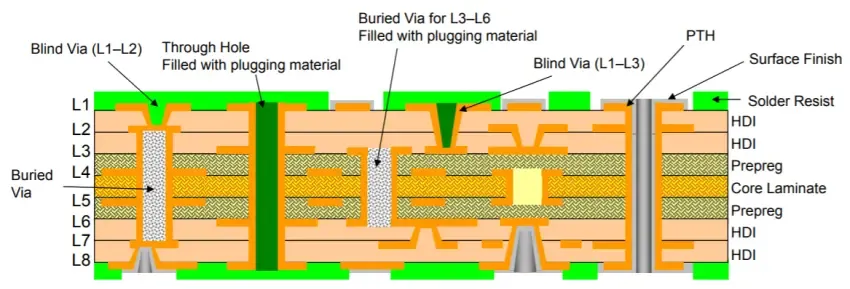
HDI Stacked Via PCB Design Rules: Best Practices for Optimal Performance
HDI stacked via PCB design rules guide optimal performance in high-density boards. Apply best practices for signal integrity, impedance control, PCB routing, and layout to avoid common issues. Covers technical principles, troubleshooting, and standards for electrical engineers.
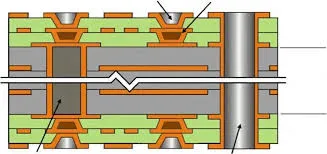
The Ultimate Guide to Stacked Via Aspect Ratio: Balancing Performance and Manufacturability
Understand stacked via aspect ratio to balance PCB performance and manufacturability. This guide details design rules, via plating challenges, IPC standards, best practices, and troubleshooting for reliable high-density boards and production yields.

Overcoming Noise Challenges in Mixed Signal PCBs: A Practical Guide
Reduce noise in mixed-signal PCBs using proven strategies like partitioning, filtering techniques for mixed-signal circuits, shielding methods, and common mode chokes. Address crosstalk, ground bounce, and EMI sources for better signal integrity and reliable designs aimed at electrical engineers.
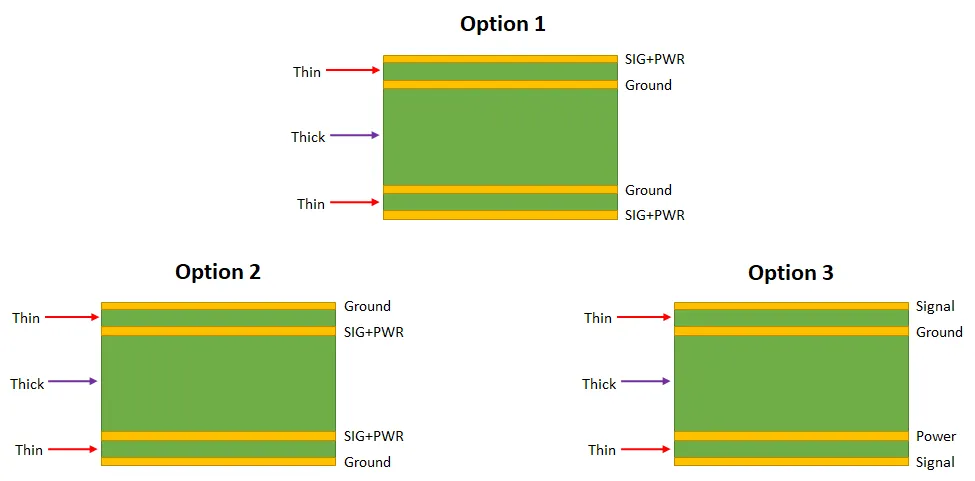
Mixed Signal PCB Stack Up Design: Optimizing for EMI and Signal Integrity
Create robust mixed-signal PCB stackups that control EMI and maintain signal integrity. Explore layer arrangements, ground partitioning, shielding methods, and troubleshooting tips for analog-digital integration. Practical advice helps electrical engineers build reliable high-performance boards.
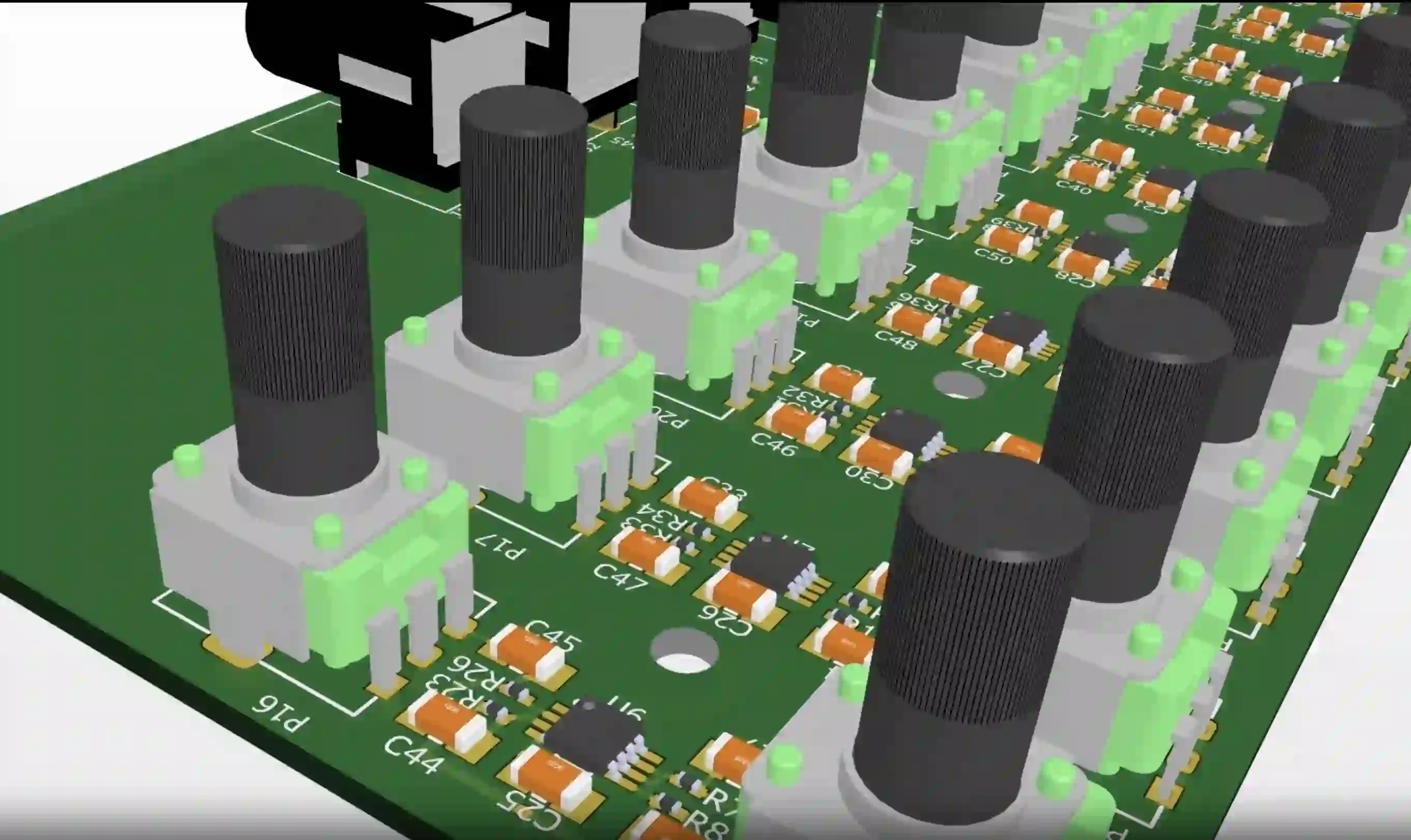
Mixed Signal PCB Routing Strategies: Minimizing Interference and Maximizing Performance
Mixed-signal PCB routing strategies help engineers minimize crosstalk and boost performance by separating analog and digital signals. Learn partitioning techniques, differential pair routing, controlled impedance methods, and troubleshooting tips for reliable high-speed designs in demanding applications.
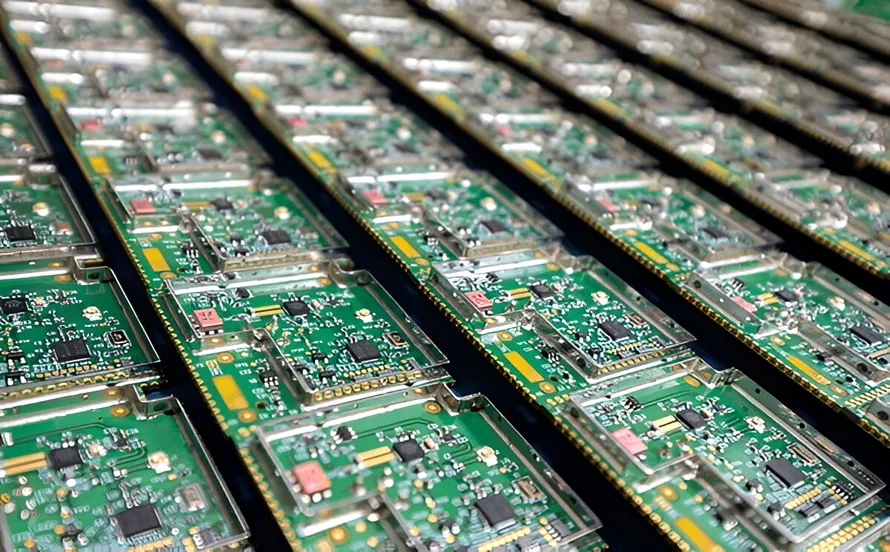
Component Selection Secrets: Choosing the Right Parts for Industrial Automation PCBs
Learn to choose industrial grade electronic components for industrial automation PCBs, emphasizing high-reliability parts, extended temperature range components, lifecycle management, and obsolete replacement strategies to ensure long-term performance and minimize failures in harsh environments.

Choosing the Right Embedded Components for Your DIY PCB Project
Practical guide to selecting passive and active embedded components for DIY PCB projects. Covers key criteria like tolerances, voltage ratings, packages, and handling tips. Includes assembly best practices and troubleshooting for reliable electronics builds by hobbyists. (187 characters)
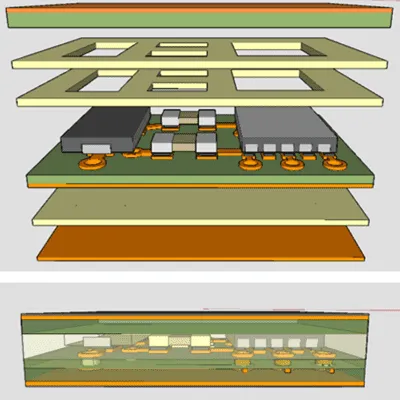
Prototyping Embedded Component PCBs: A Beginner's Guide
This guide covers PCB prototyping basics for embedded components, from technical principles and fabrication steps to assembly practices and troubleshooting tips. Electronic hobbyists get practical advice for creating compact, reliable prototypes in small batches.
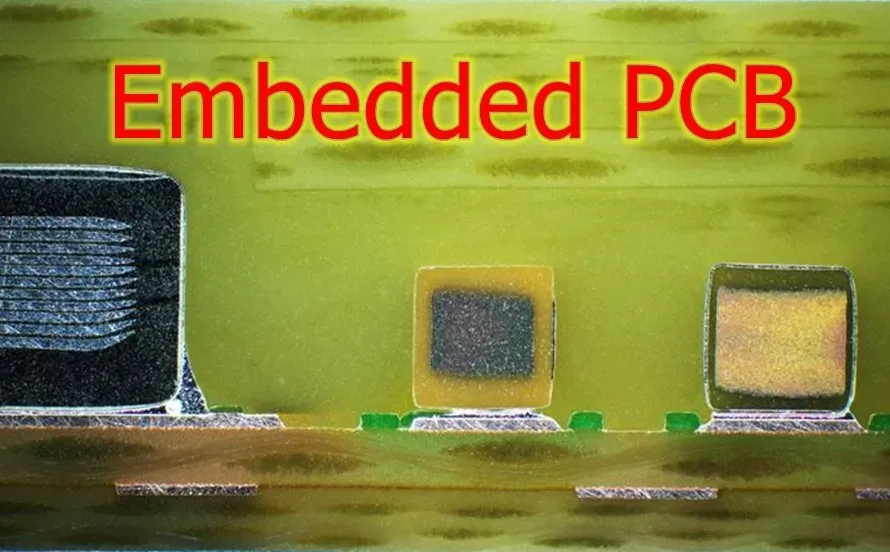
Impedance Control: Optimizing Signal Transmission in Embedded Component PCBs
Impedance control PCB is crucial for signal integrity in embedded component designs. Explore transmission line principles, controlled impedance routing, stackup strategies, and best practices to prevent reflections and ensure reliable high-speed performance in modern electronics.
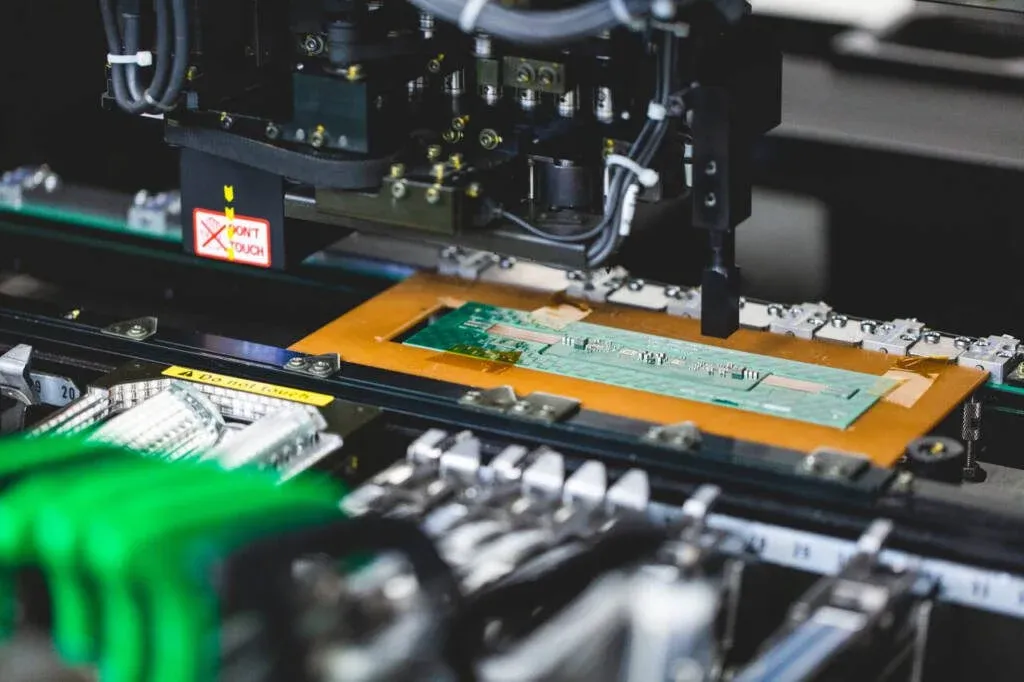
From Prototype to Production: Scaling Up Your Rigid Flex PCB Manufacturing
Transition rigid-flex PCB manufacturing scale-up from prototype to production volumes. Address key process stages, warpage challenges, cost factors, best practices, and partner tips for electric engineers aiming for high yields and reliability in complex designs.
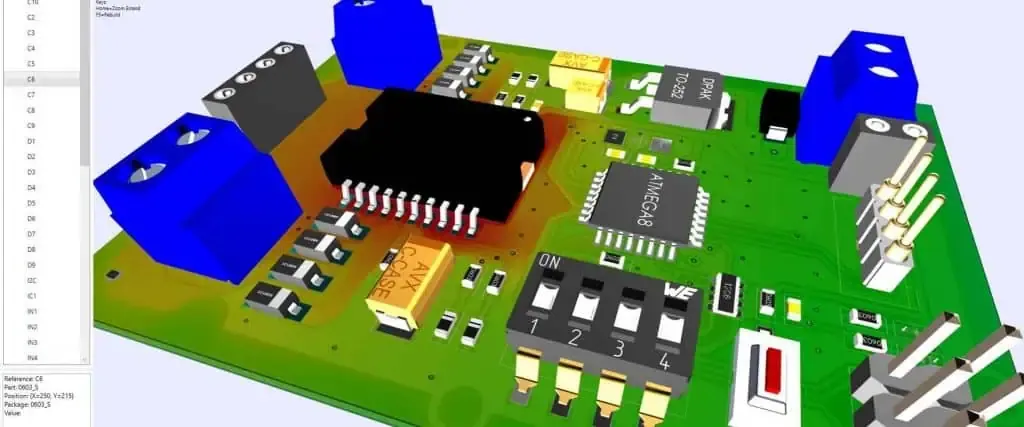
Optimizing Performance: Thermal Management in Industrial Automation Controller PCBs
Handle heat challenges in industrial controller PCBs using PCB thermal analysis, thermal vias, heat sink design for PCBs, and high-temperature PCB materials. Practical strategies ensure optimal heat dissipation in PCBs, component reliability, and performance in automation environments for electric engineers.


