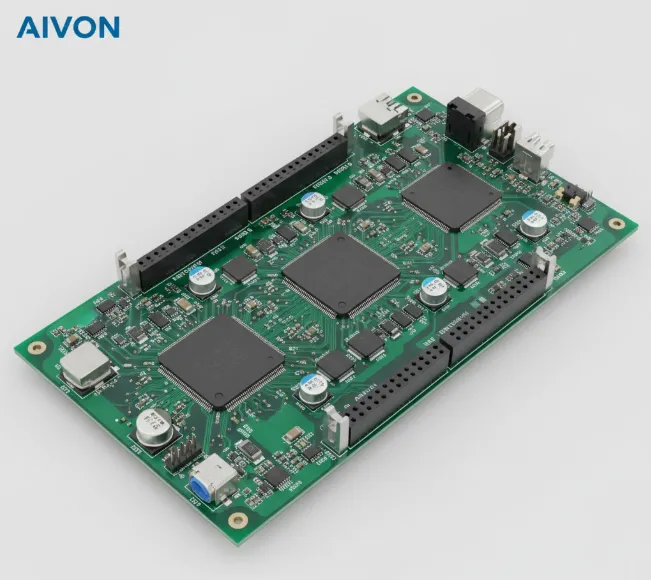
pcb-stress
Understanding PCB stress is crucial for engineers and designers aiming to ensure the reliability and longevity of printed circuit boards in various applications. PCB stress encompasses a range of mechanical, thermal, electrical, and environmental factors that can lead to failures such as cracks, delamination, or component detachment. For instance, thermal stress arises from temperature fluctuations during soldering or operation, potentially causing expansion and contraction that weakens board integrity. Mechanical stress, often induced by vibrations or bending in automotive or aerospace environments, can similarly compromise structural stability. By recognizing these stressors early in the design phase, professionals can implement strategies to mitigate risks and enhance performance. This tag on PCB stress gathers essential resources to help you address these challenges effectively. Articles under this category delve into practical methods for stress analysis, including finite element modeling and strain gauge testing, which allow for precise prediction and prevention of issues. You will find best practices for material selection, such as choosing substrates with high glass transition temperatures to withstand thermal cycles, or incorporating flexible designs to absorb mechanical loads. Real-world case studies illustrate how industries like consumer electronics and medical devices apply these techniques to avoid costly recalls and downtime. Whether you are troubleshooting a prototype failure or optimizing a production run, the insights here provide actionable steps to build more resilient PCBs. Exploring the content tagged with PCB stress can guide you toward innovative solutions tailored to your specific needs. From guidelines on conformal coatings that protect against environmental stress to tips on layout optimizations that reduce electrical overstress, these articles offer in-depth knowledge grounded in industry standards. By applying these principles, you can improve product durability and compliance with regulations like IPC standards, ultimately leading to more robust electronic systems.
Technical Articles
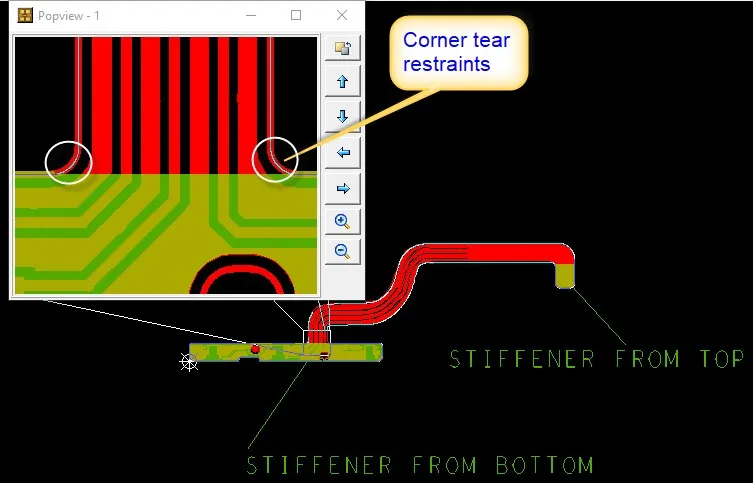
Bend Radius Matters: Calculating and Implementing Optimal Flex to Rigid Transition Zones
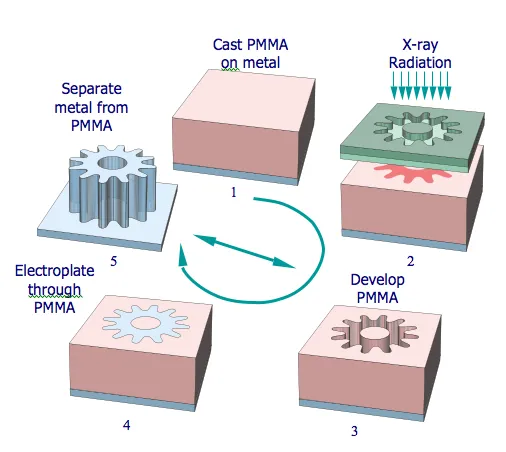
Key Process Technologies in MEMS Fabrication: Materials, Etching, Deposition, and Electronics Integration
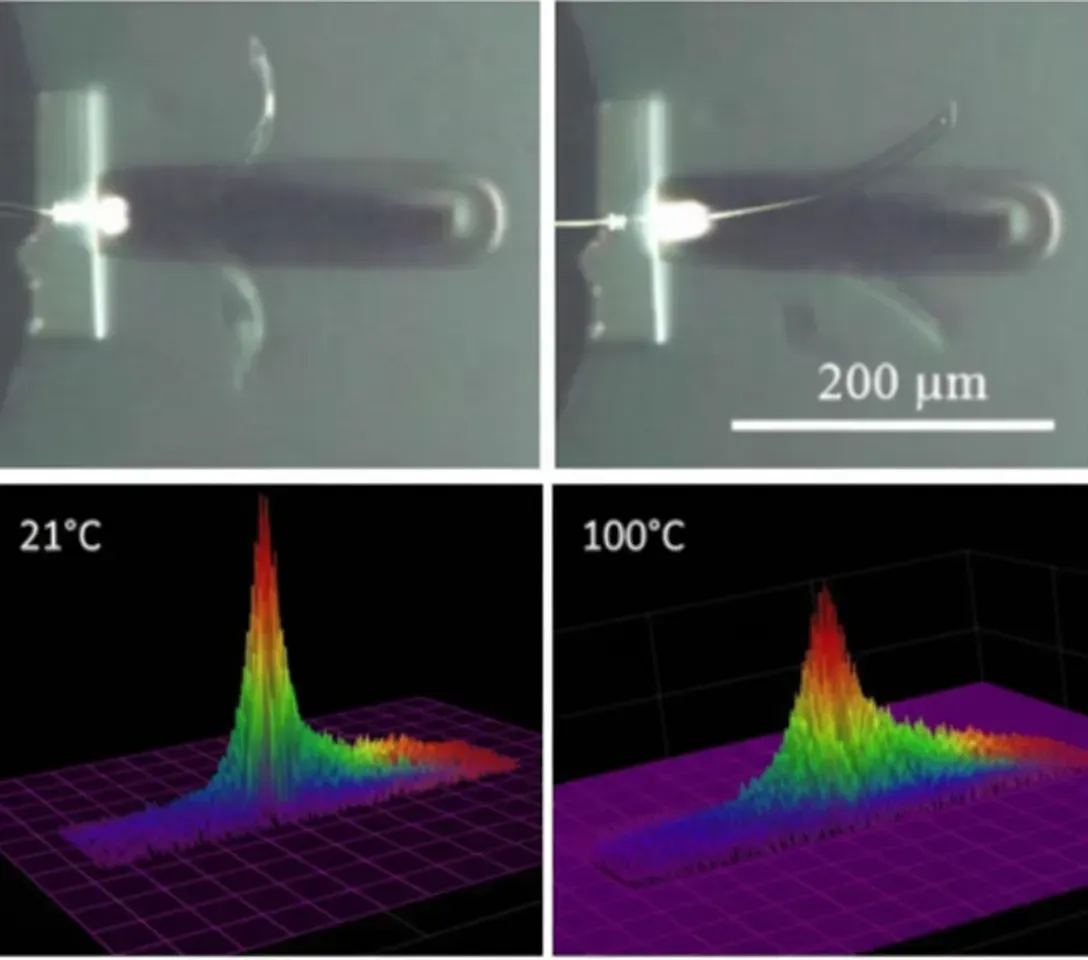
Stress Matching in MEMS Process Design: Controlling Intrinsic and Thermal Residual Stress
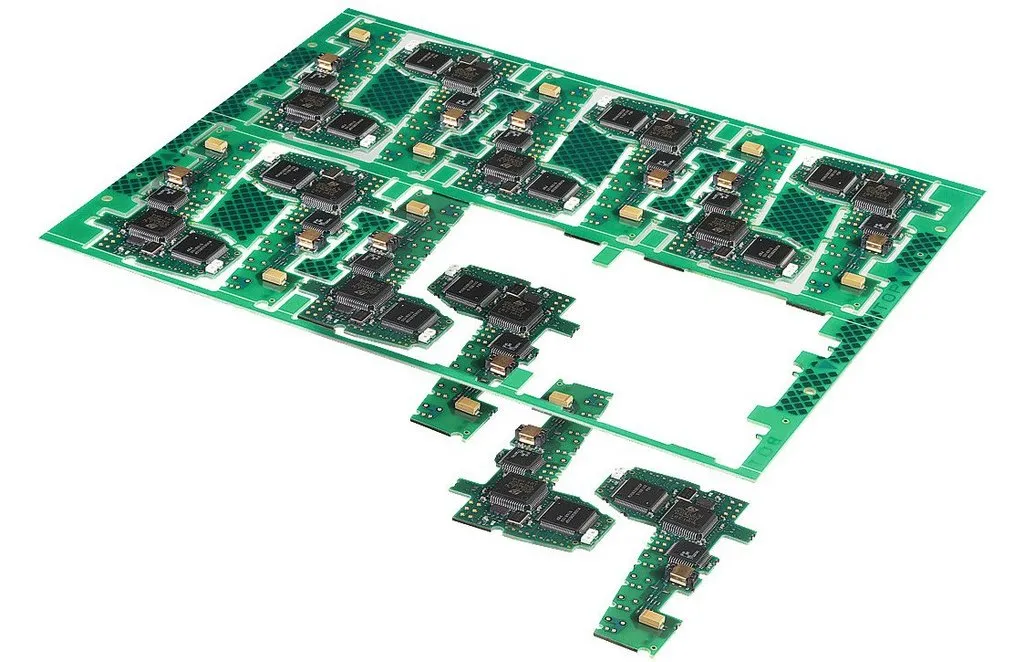
Mastering Irregular Shapes: Tab Routing for Complex PCB Panel Designs
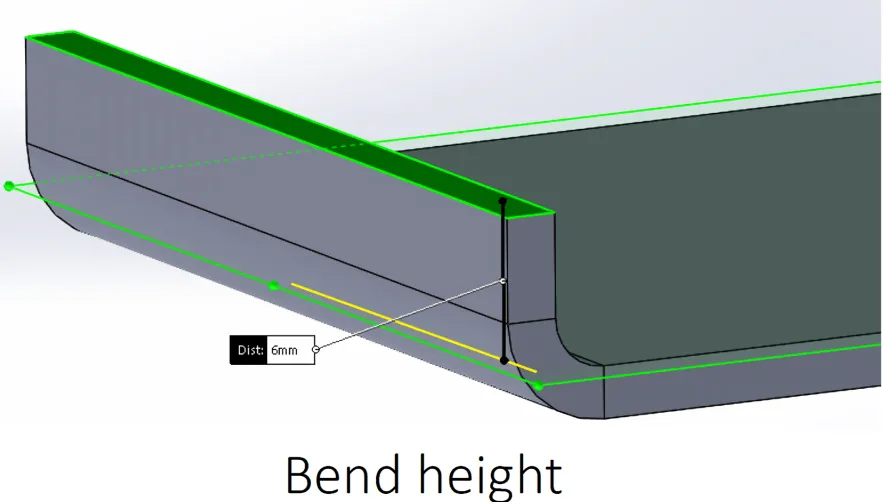
Sheet Metal Flange Design Guidelines: Height, Length and Bend Considerations
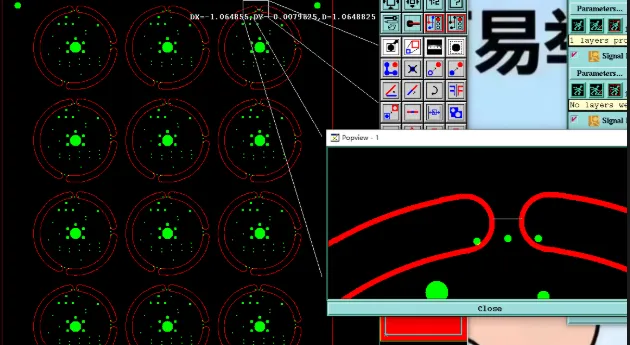
Undersized Panel Connection Tabs Risk Board Breakage in 2-Layer PCB
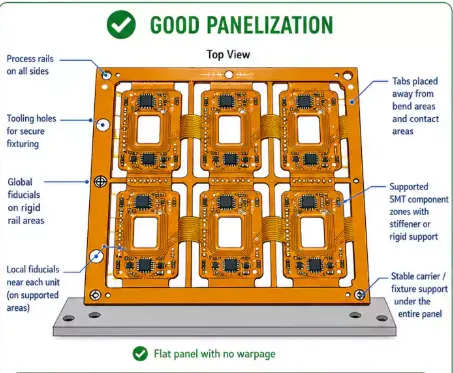
When Should You Add Waste Edge Protection on FPC Panels?
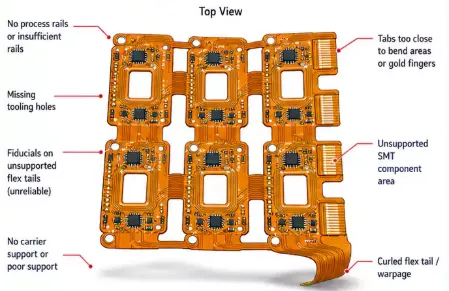
Why FPC Panels Without Process Edges on Both Ends Often Have Problems
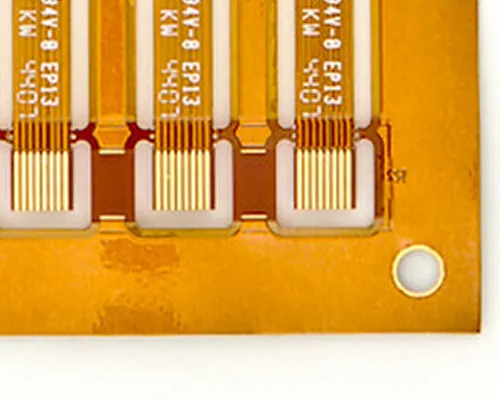
How Many Connection Points Are Needed for Stable FPC Panel Shipment?
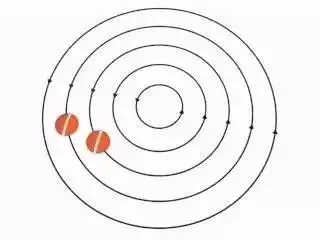
Causes of Ground Vortices Near Jet Engines

Why Airplane Windows Are Small and Rounded
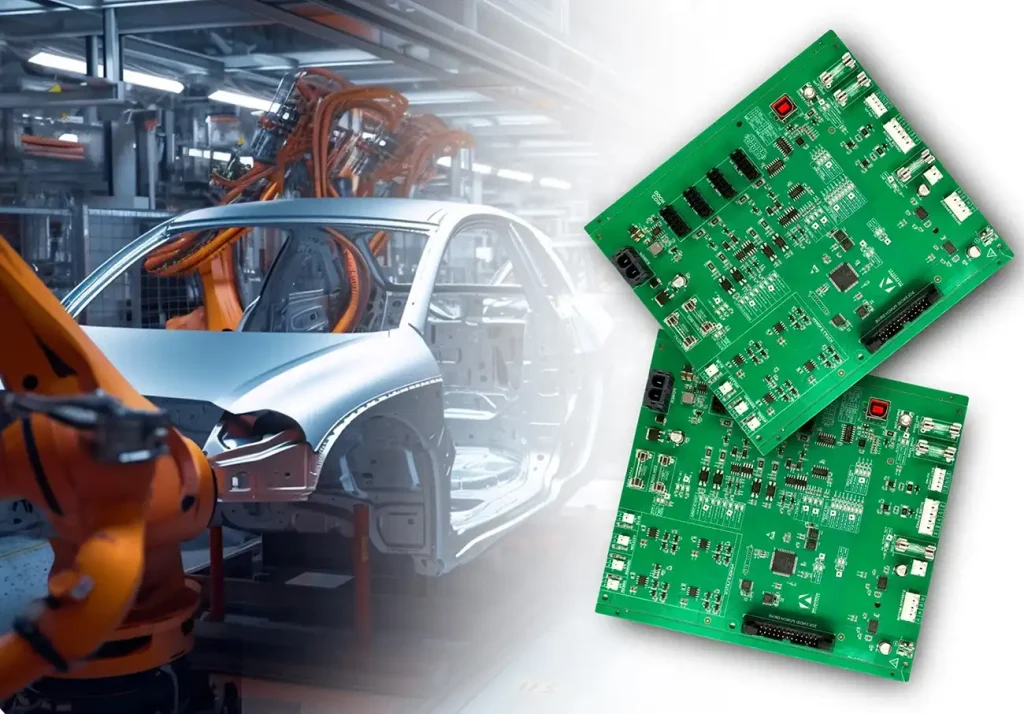
Why do we see Warpage occur in Automotive PCBs
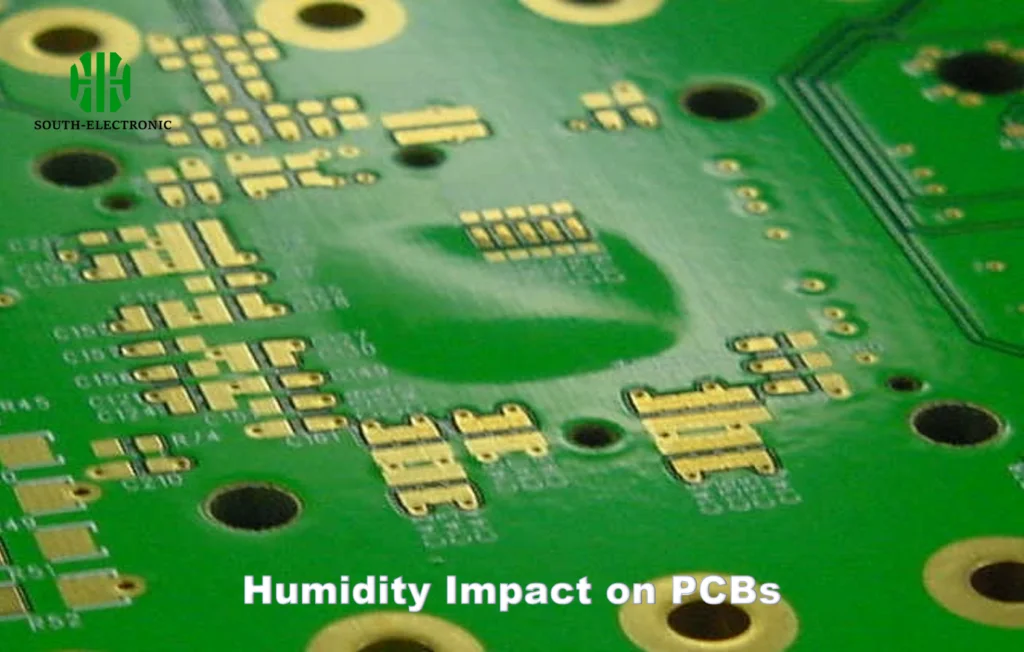
Understanding Copper Cladding Warpage: Causes and Prevention Techniques
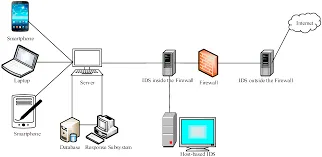
Server Intrusion: Symptoms, Investigation, and Response
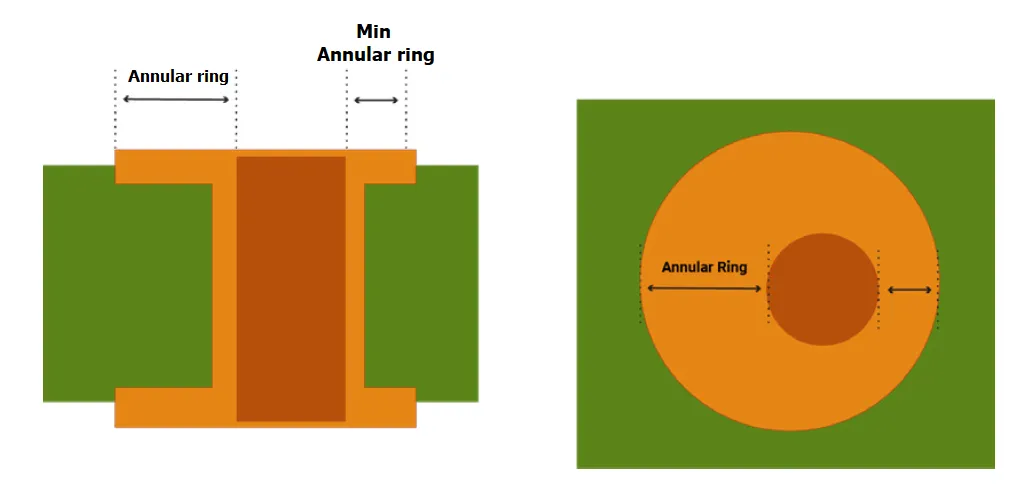
Beyond the Basics: Advanced Design Considerations for Non Plated Through Holes
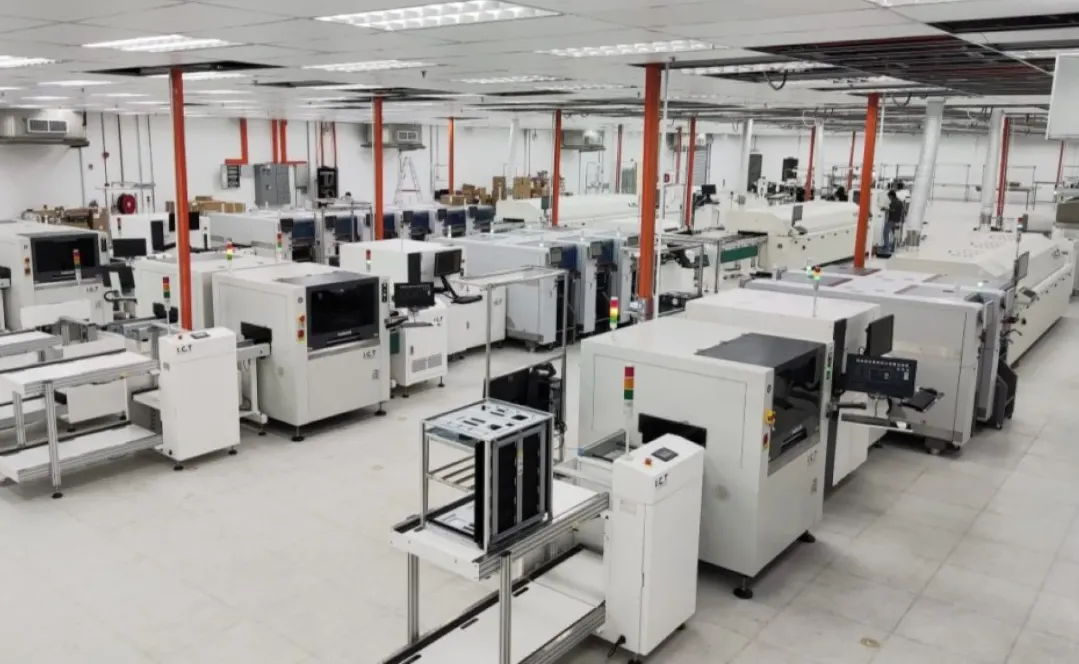
Boosting PCB Production: Integrating Depaneling Machines into SMT Lines
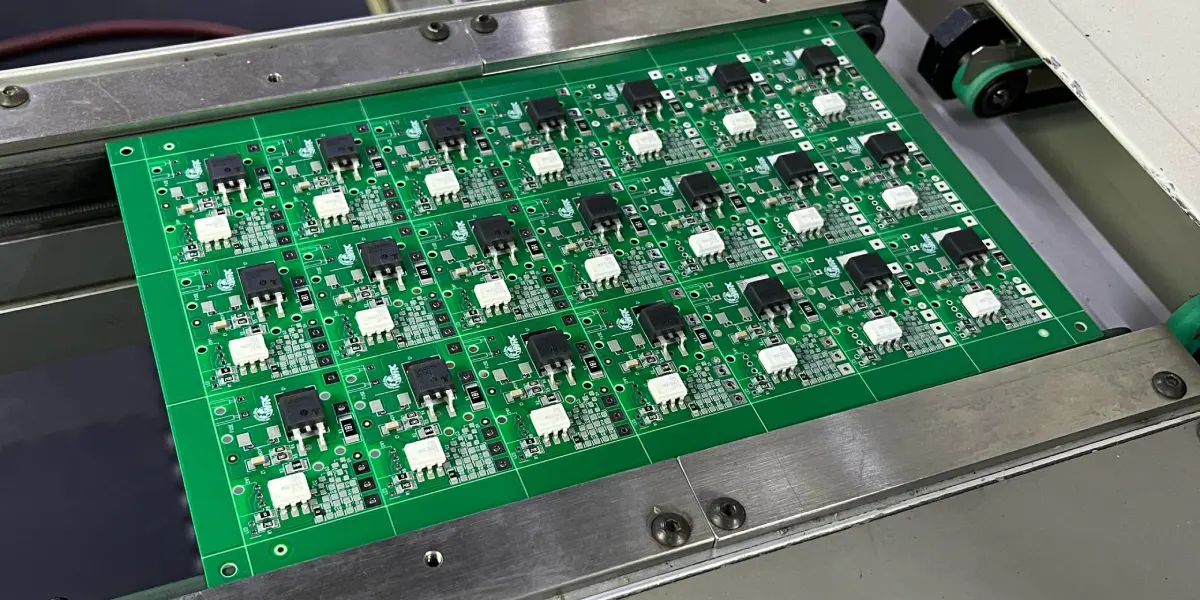
The Ultimate Guide to Depaneling Machines: Types, Features, and Applications
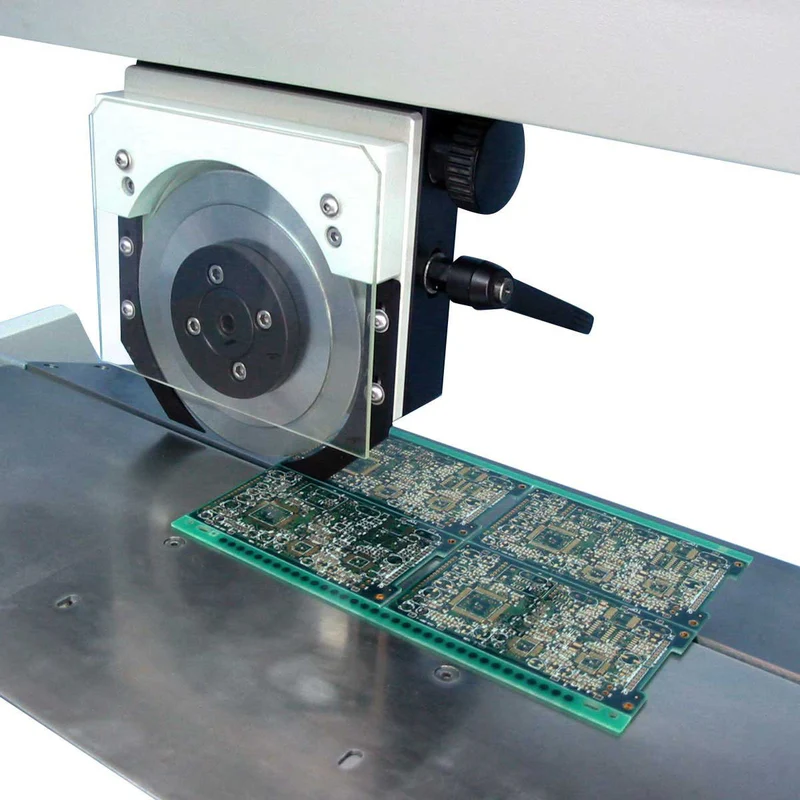
Routing vs. Laser Depaneling: Choosing the Right Machine for Your PCB Production Needs
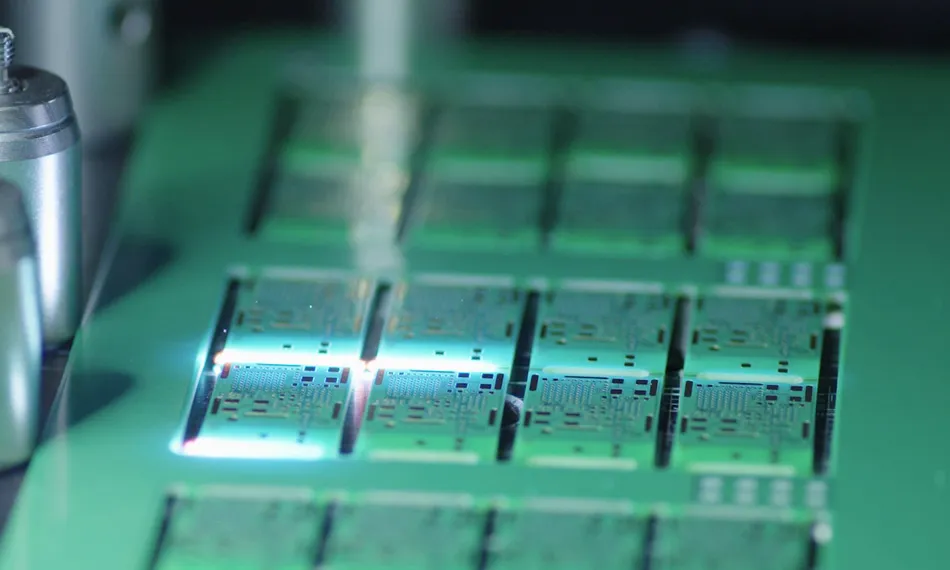
Laser PCB Depaneling: Achieving High Precision and Minimal Stress
Get in Touch
Send Message
- Products & Service
- Company
- About AIVON
- Contact
- News
- Blog
- Certification
-


- Payment
-


2026 AIVON.COM All Rights Reserved