










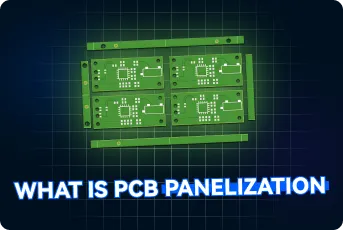
 00:54
00:54
Single-Sided PCB
Single-sided PCBs represent a fundamental building block in electronics design, featuring conductive traces, pads, and components mounted on just one side of the board. This configuration simplifies manufacturing and reduces costs, making it an ideal choice for beginners, hobbyists, and applications where complexity is minimal. Professionals often turn to single-sided PCBs for prototypes, low-density circuits, or devices like basic sensors, LED displays, and simple control systems. By limiting traces to one layer, these boards avoid the need for vias or multilayer routing, which streamlines the etching process and minimizes errors during assembly. Understanding the advantages of single-sided PCBs can guide effective project decisions. They offer quicker turnaround times in production and are easier to troubleshoot, as all connections are visible on a single surface. For instance, in educational settings or DIY projects, users appreciate the straightforward layout that allows for manual soldering without advanced tools. However, to maximize reliability, best practices include optimizing trace widths to handle current loads, ensuring adequate spacing to prevent shorts, and incorporating ground planes where possible to reduce noise. Common applications span consumer electronics, automotive modules, and medical devices, where cost efficiency outweighs the need for high-density interconnects. For those delving deeper into single-sided PCB design, considerations such as material selection—typically FR-4 for its durability—and software tools like Eagle or KiCad can enhance outcomes. Articles under this tag provide detailed guides on layout techniques, fabrication methods, and comparisons with double-sided alternatives, helping users refine their skills and avoid pitfalls like overheating or signal interference. Whether you are prototyping a new gadget or scaling a simple circuit, the resources here offer practical strategies to achieve robust, efficient results.
Video Guide
-
00:54
Technical Articles
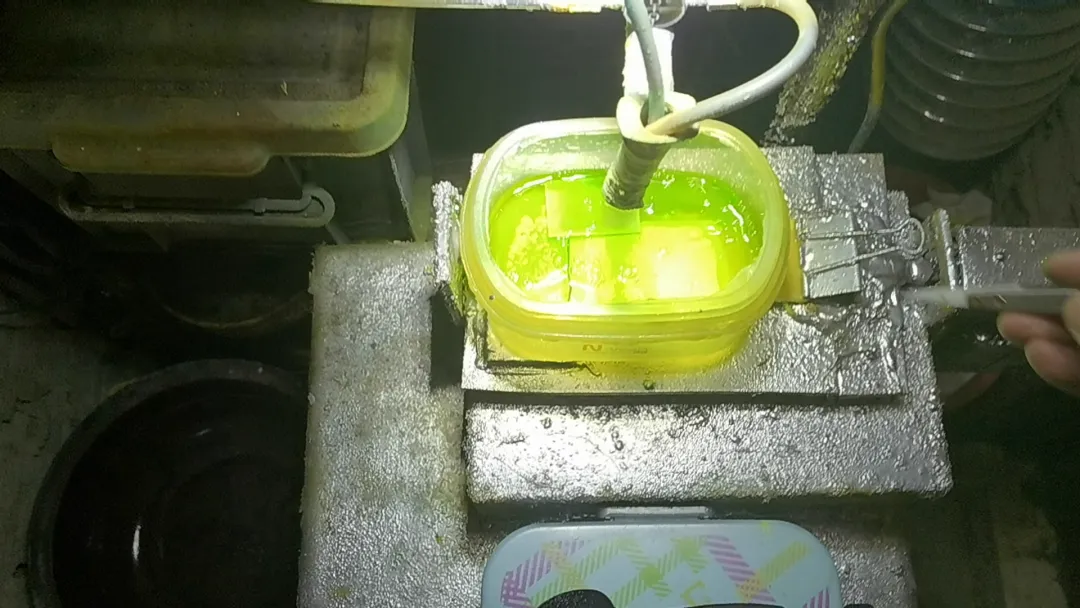
Using a Glass Fiber Mesh to Improve PCB Etching Speed and Uniformity
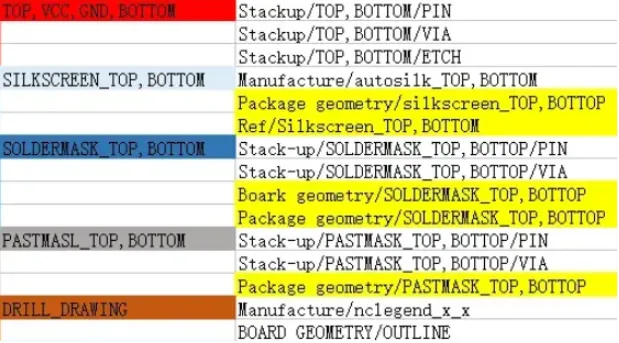
Altium Designer Q&A: Import/Export Rules, Single-Sided PCB Setup, Via Stitching, and Practical Workflow Tips
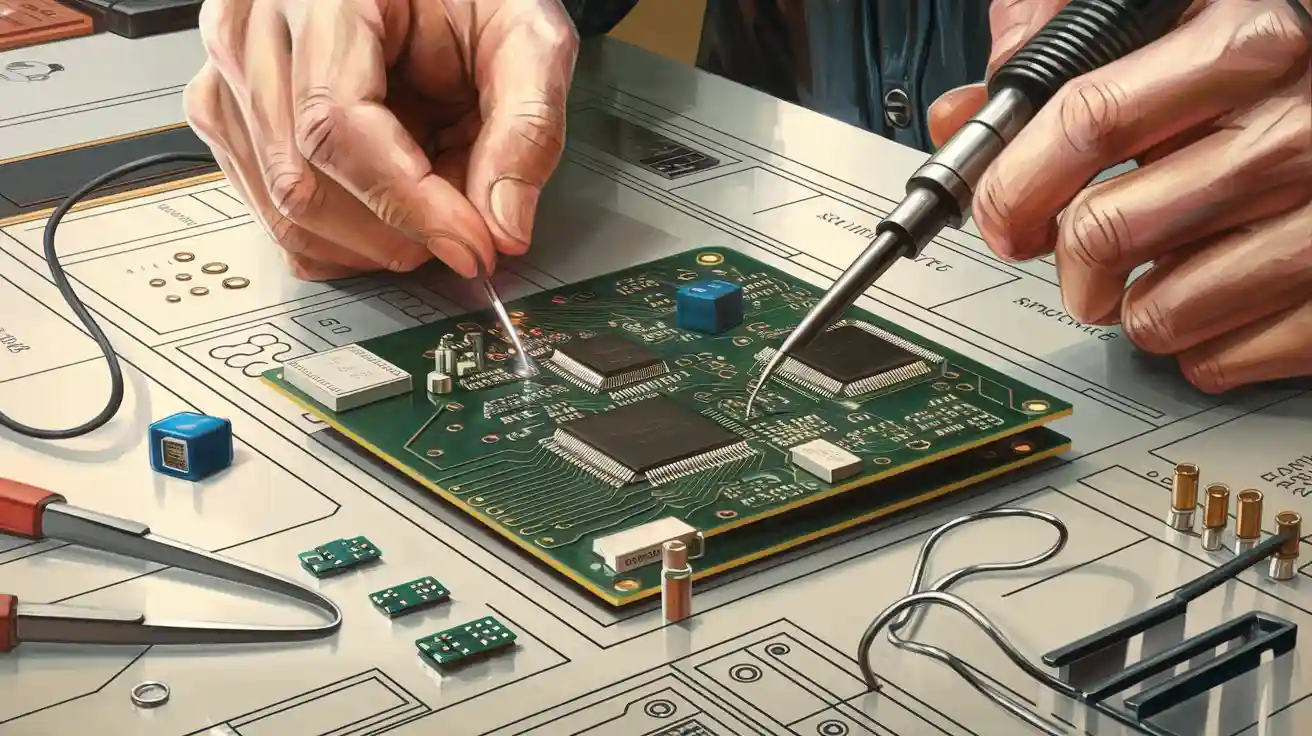
DIY PCB Fabrication: Essential Tools and Techniques for the Home Lab
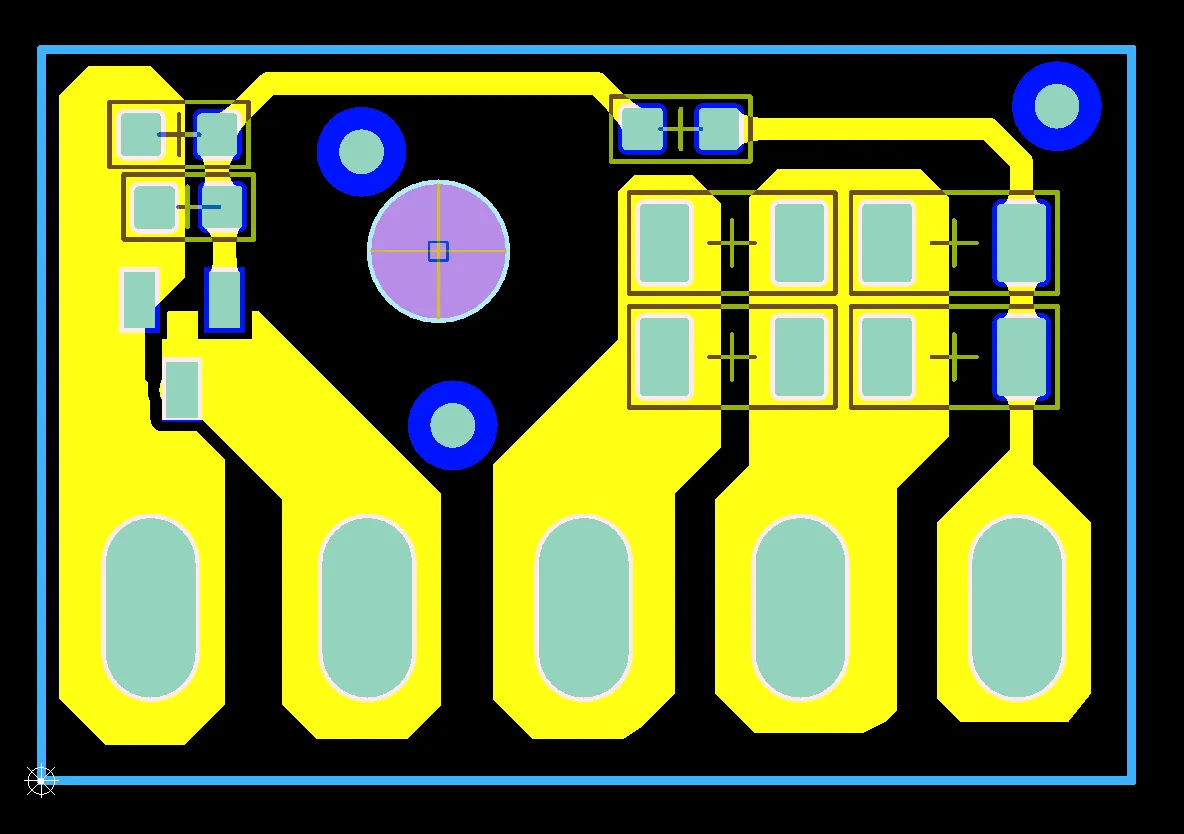
Common 1 Layer FR4 PCB EQ Issues: How Manufacturers Review Gerber Files
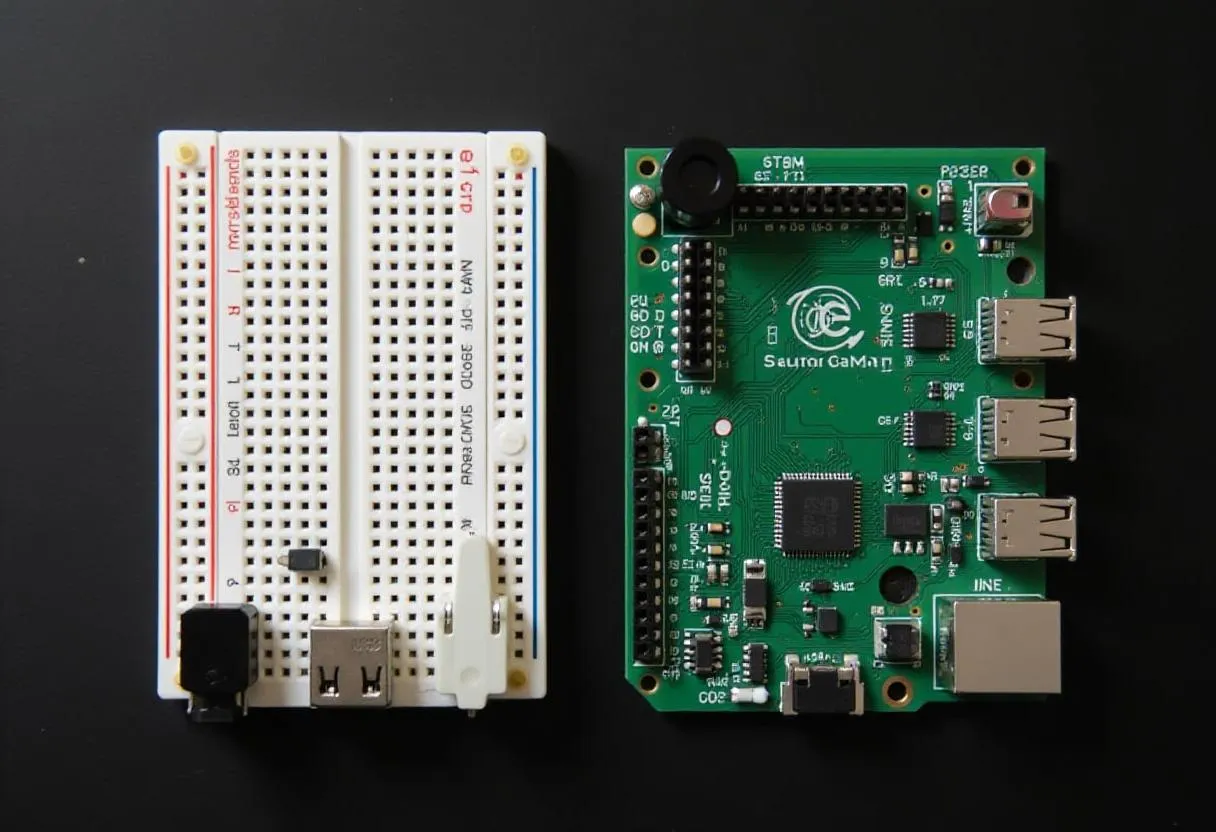
From Breadboard to PCB: Making Your Projects Permanent
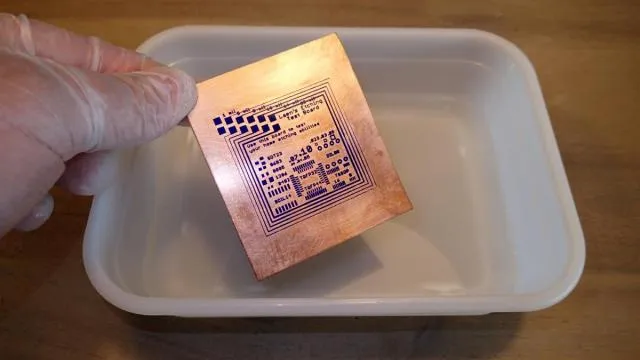
Single Sided PCB Etching: Choosing the Right Chemicals
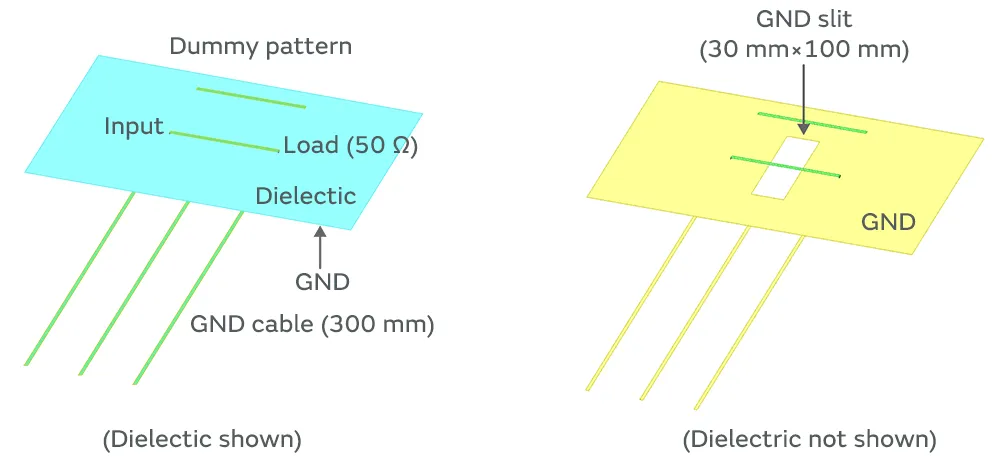
Optimizing Single Sided PCB Layout for Minimal Noise
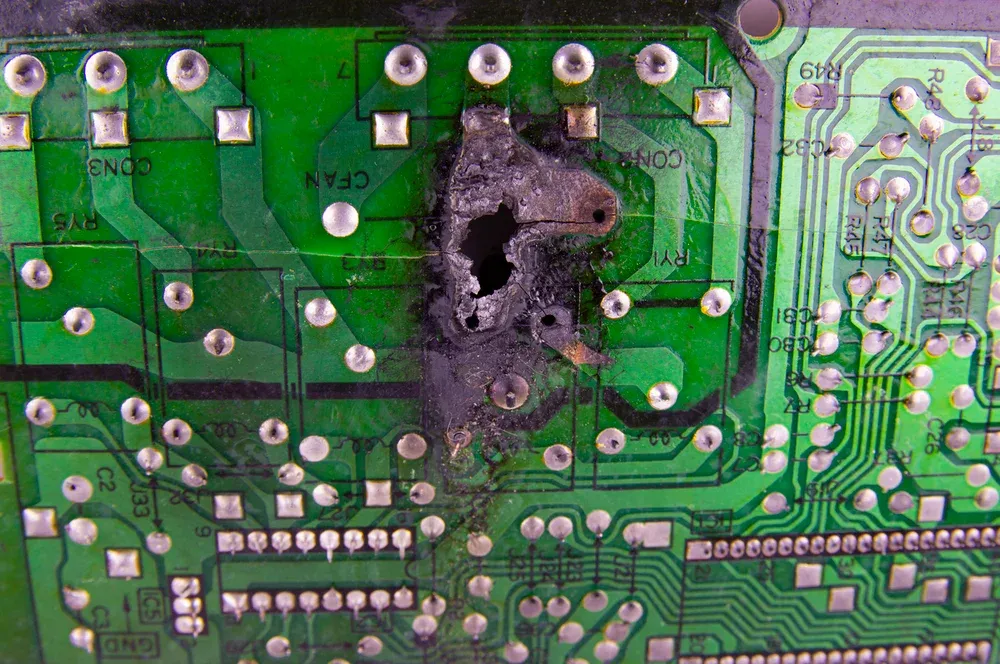
Single Sided PCB Repair Techniques for Hobbyists
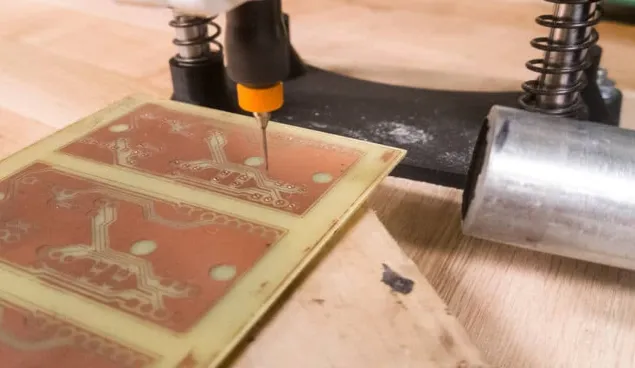
Mastering CEM 1 PCB Design: A Comprehensive Guide for Beginners
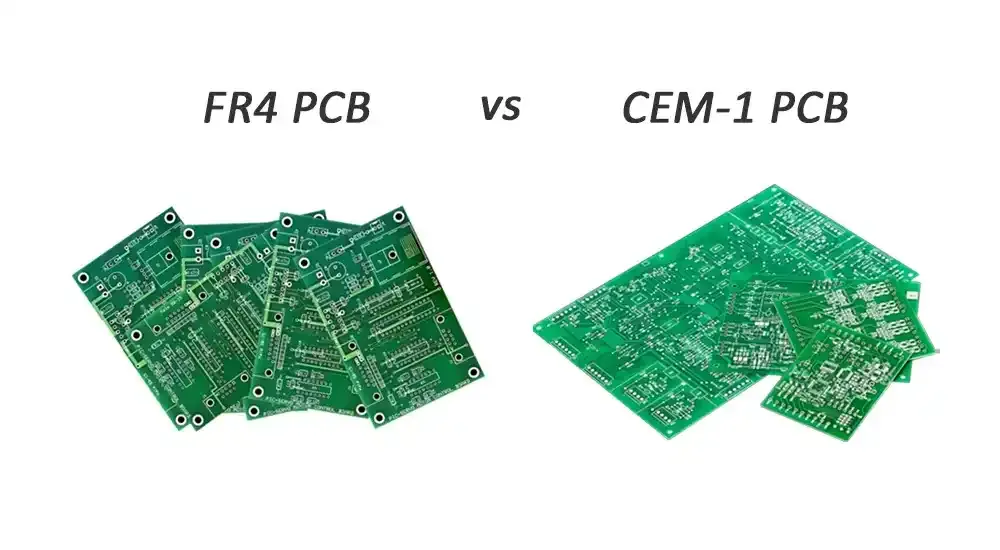
CEM 1 PCB: The Budget Friendly Choice for Single Layer Electronics?
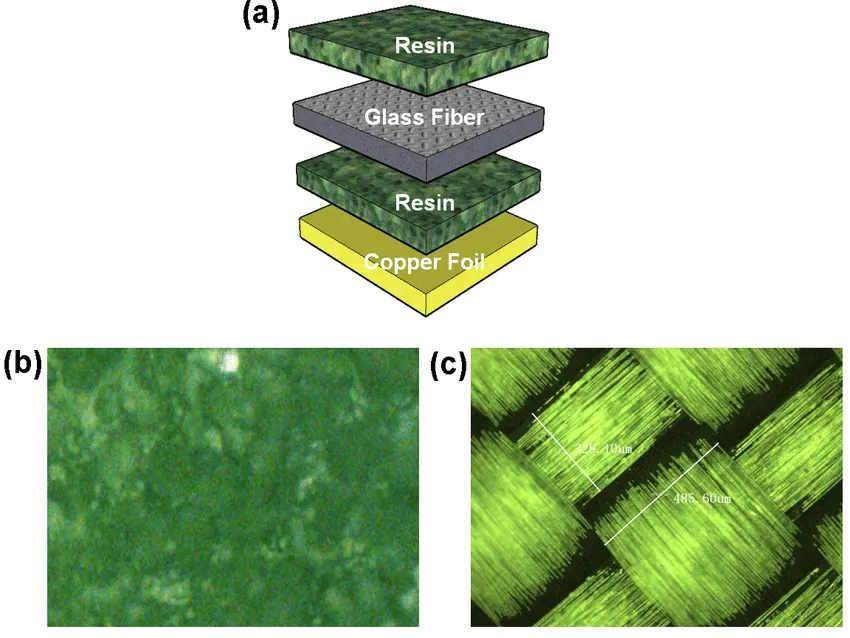
The Role of Substrates in Single Sided PCB Design
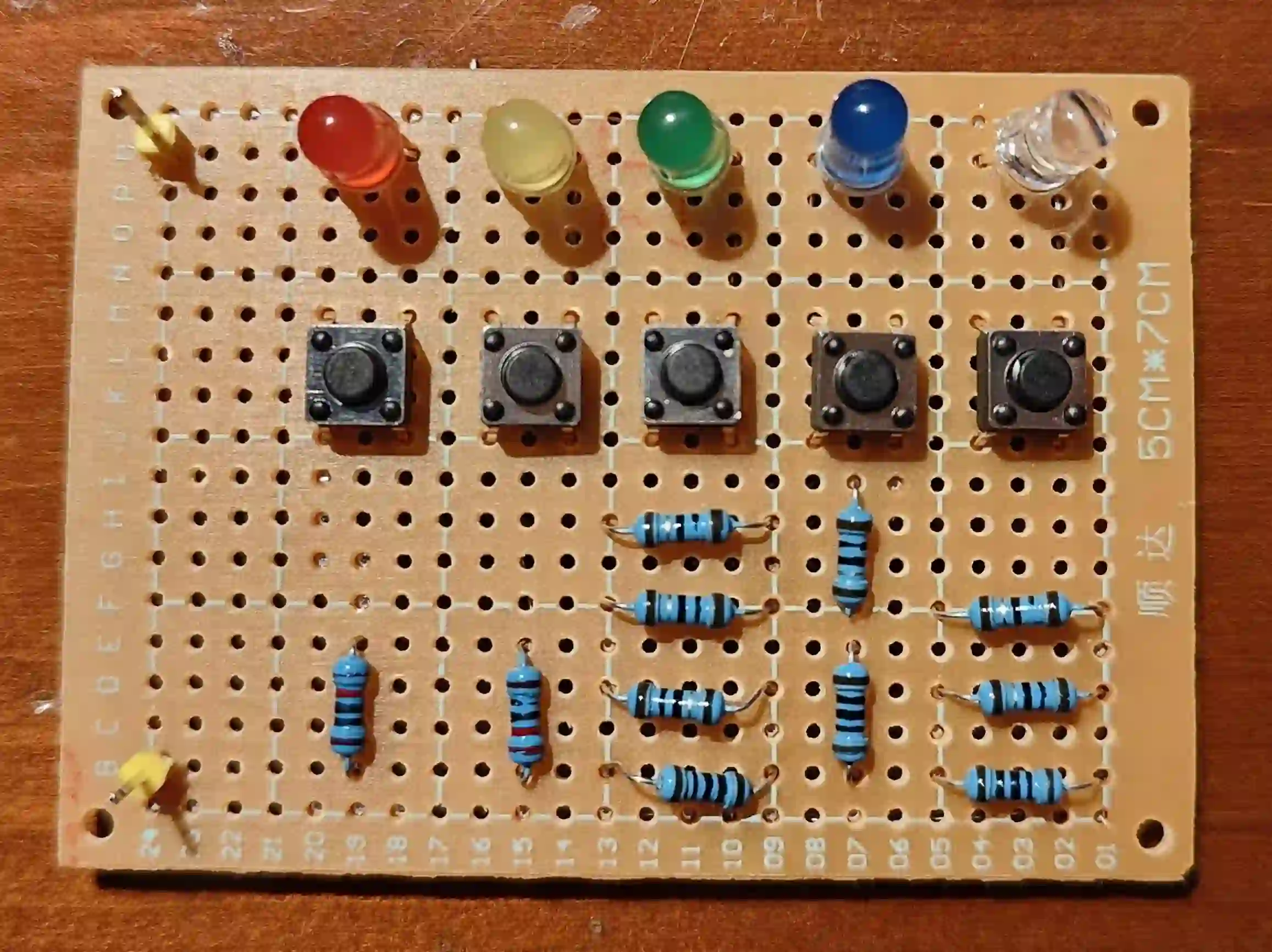
Single Sided PCB Assembly: A Step by Step Guide
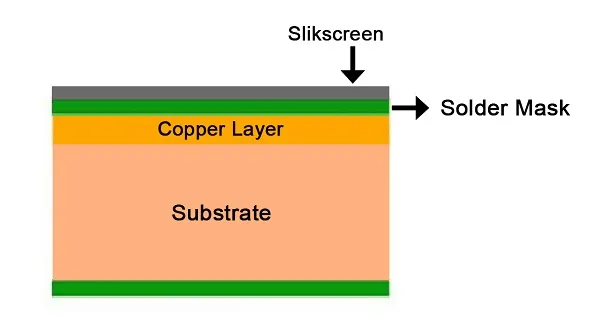
Designing for Manufacturability: Single Sided PCB Best Practices
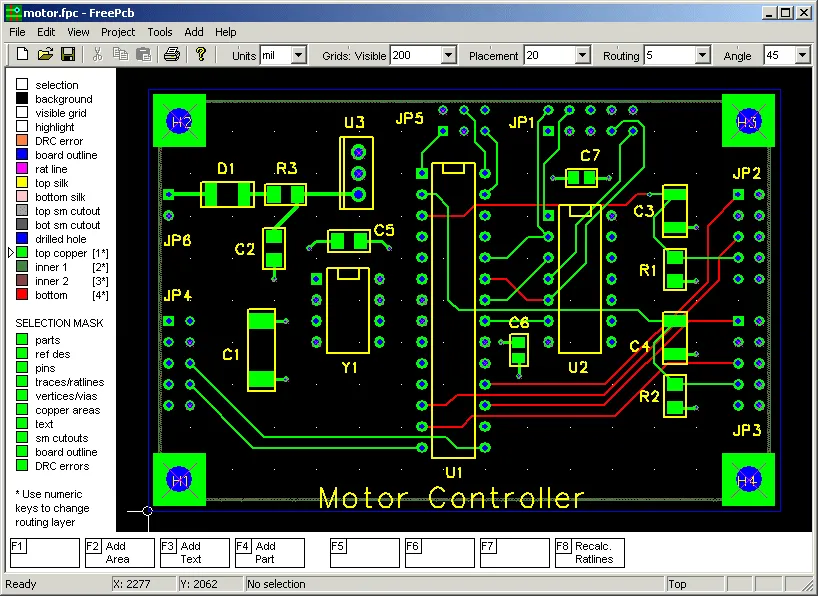
PCB Manufacturing Process for Beginners: From Schematic to Finished Board
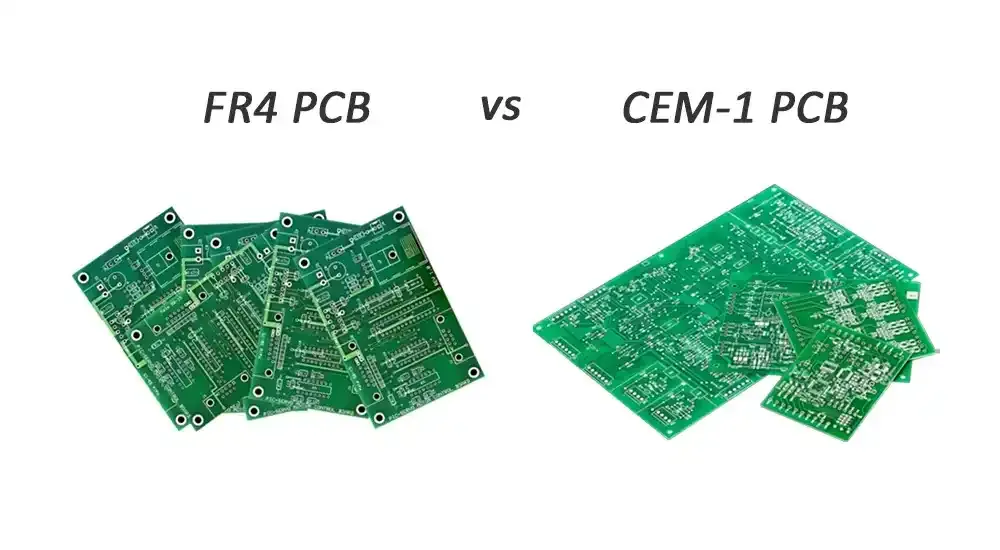
CEM 1 vs. FR 4: Choosing the Right PCB Material for Your Project

How CAM Review Fixes Single-Layer Aluminum PCB Slot & Edge Risks
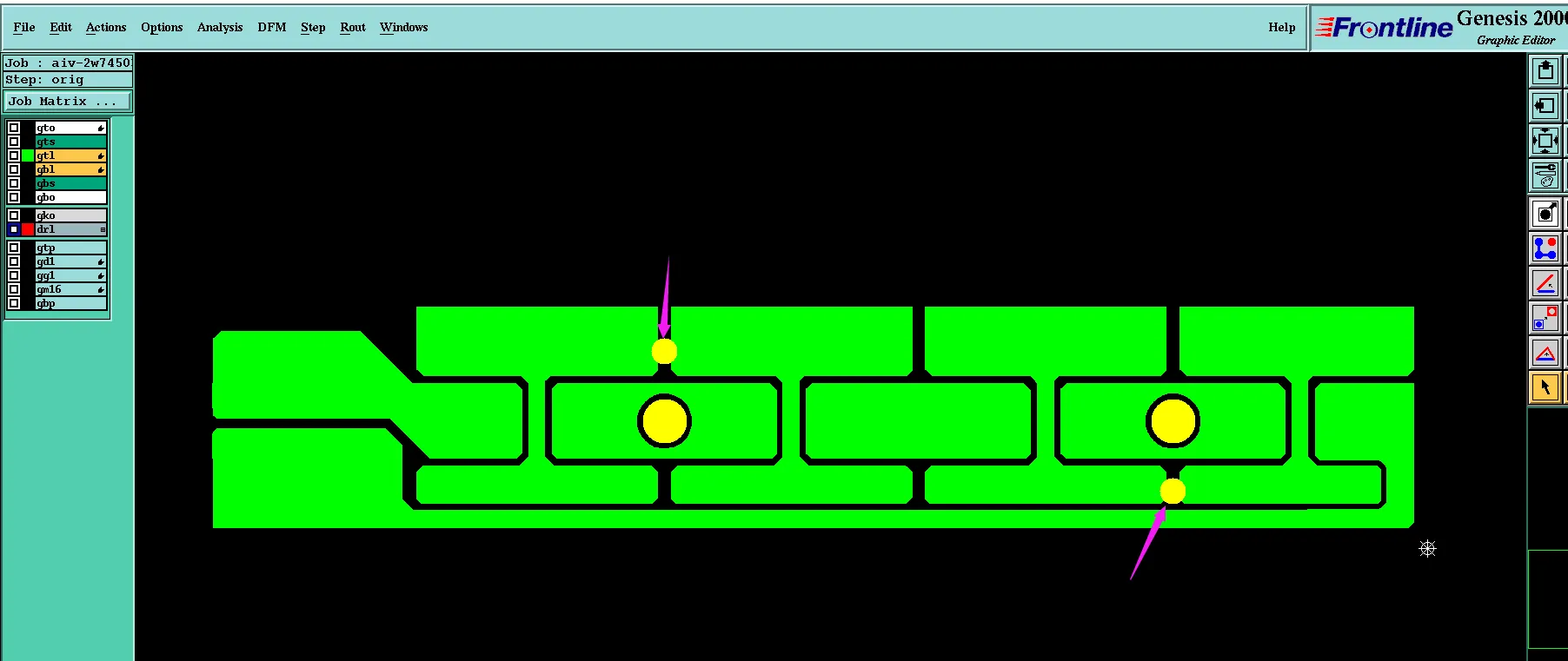
How Panelization Conflict Delayed Single Piece Delivery in 1-Layer PCB
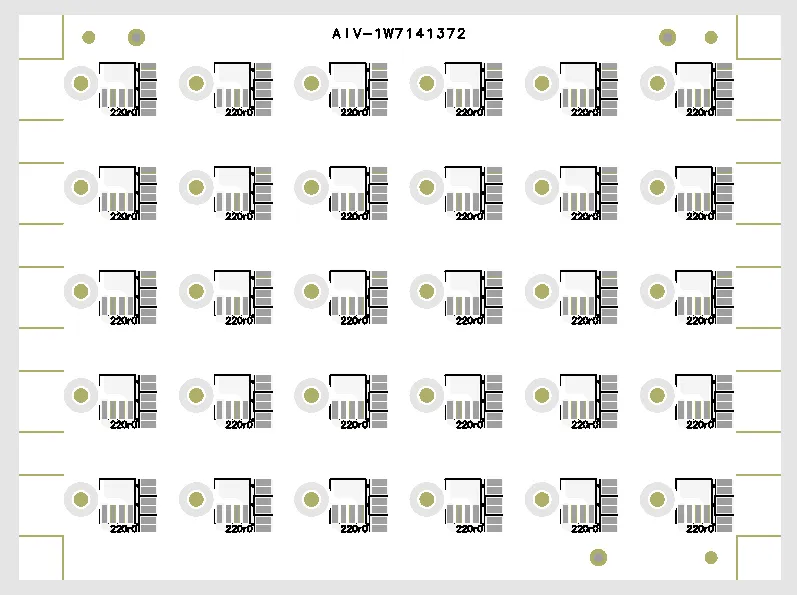
Preventing Edge Breakout and Burr Risks in Aluminum PCB Panelization
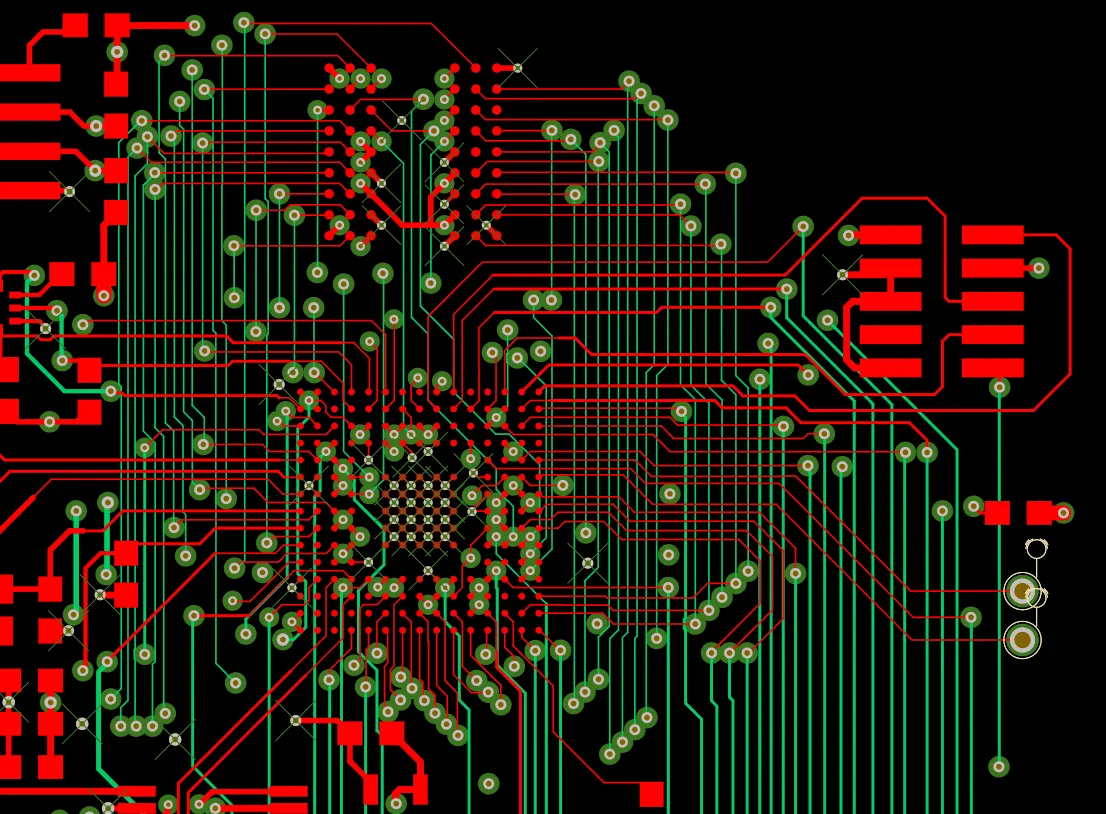
Signal Layers for Beginners: A Hobbyist's Introduction


