Wearable Technology
Wearable technology represents a rapidly evolving field within electronics and PCB design, where compact, user-centric devices integrate seamlessly into daily life. This tag encompasses a wide range of topics related to the development, assembly, and optimization of wearable devices, from fitness trackers and smartwatches to advanced medical monitors and augmented reality glasses. For engineers, designers, and hobbyists searching for insights on wearable technology, this collection offers practical guidance on overcoming common challenges such as miniaturization, power efficiency, and durability in flexible form factors. At the core of wearable technology are specialized PCBs that must balance functionality with comfort and portability. Articles under this tag delve into essential design principles, including the selection of low-power components like microcontrollers and sensors, as well as techniques for flexible circuit boards that conform to the human body. Users can find actionable advice on integrating wireless connectivity, such as Bluetooth Low Energy modules, to enable real-time data transmission without draining batteries. Best practices highlighted here include thermal management strategies to prevent overheating during prolonged use and robust enclosure designs that protect against moisture and impact, ensuring reliability in everyday scenarios. Beyond hardware fundamentals, this tag explores innovative applications that drive the industry forward. For instance, professionals interested in health tech can learn about embedding biometric sensors for heart rate monitoring or ECG analysis, while those focused on consumer electronics might discover tips for creating customizable wearables with open-source platforms. By reviewing these resources, readers gain the knowledge to prototype their own projects or refine existing designs, staying ahead in a market projected to grow significantly. The articles provide in-depth tutorials and case studies that illustrate real-world implementations, helping you apply these concepts effectively in your work.
Technical Articles
EMC Design Considerations for Wearable Smart Bands
Five Display Panel Types for Wearable Devices
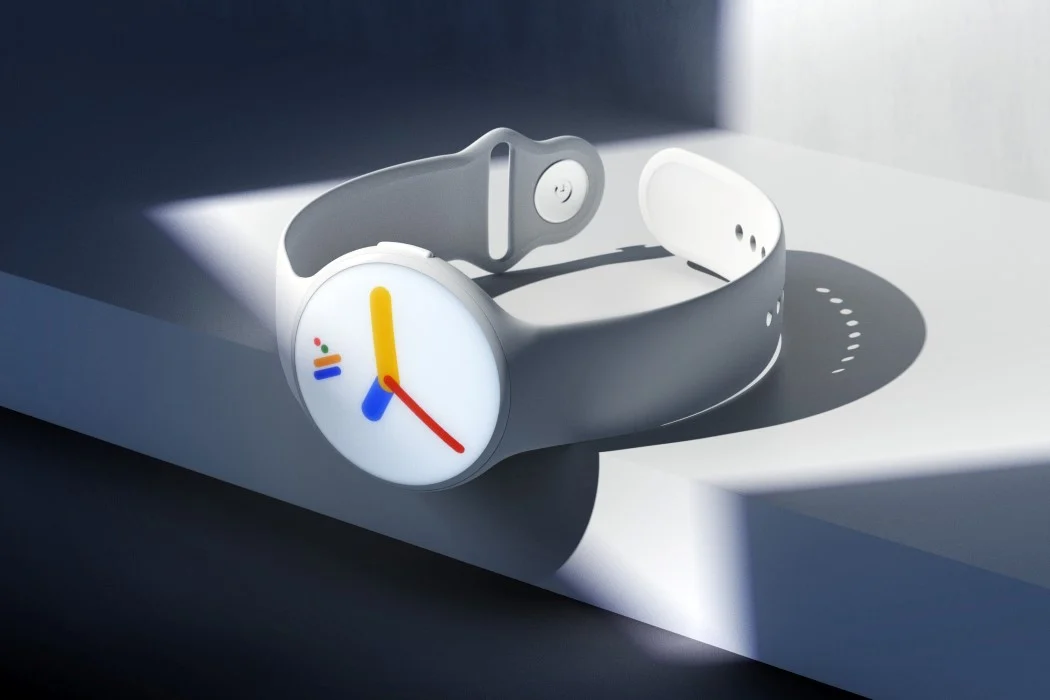
Factors Affecting Smartwatch Styling Design
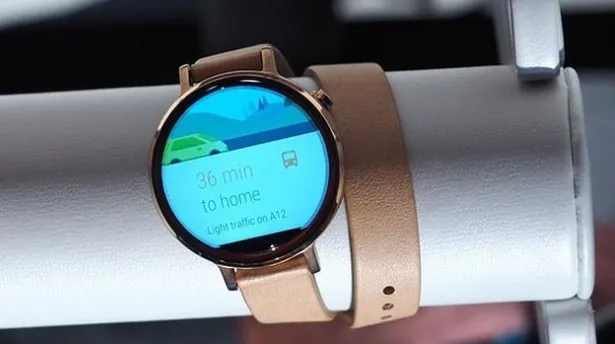
Moto 360 Gen 2: Design and Hardware Updates
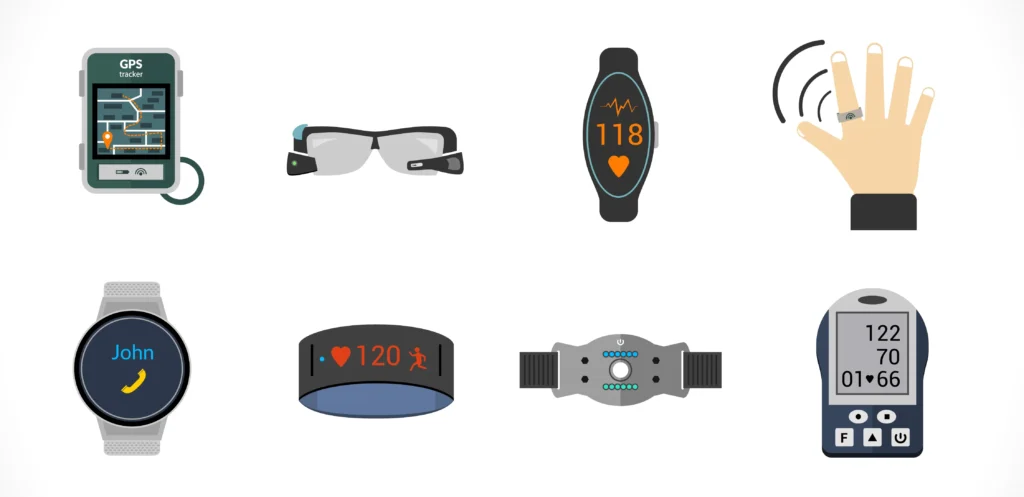
Top Three Technologies in Wearable Devices
History of Smartwatches and Early Watch Operating Systems

Wearable Sales Rise but Adoption Remains Low
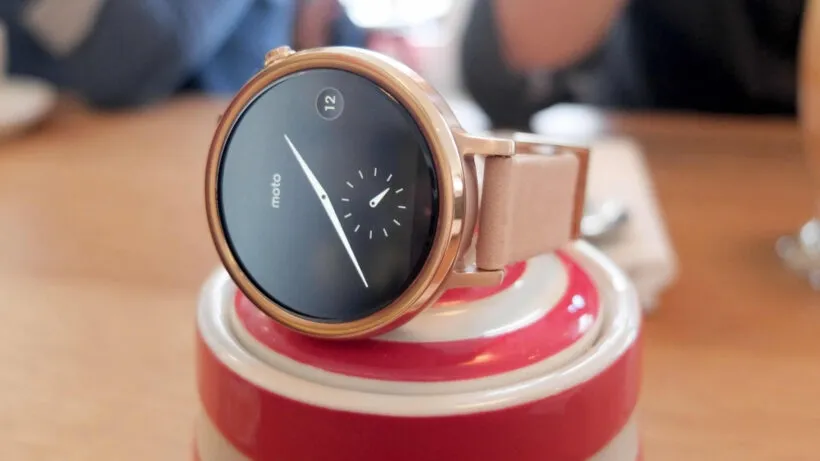
Moto 360 Second Gen: Small Updates, Missing Key Features
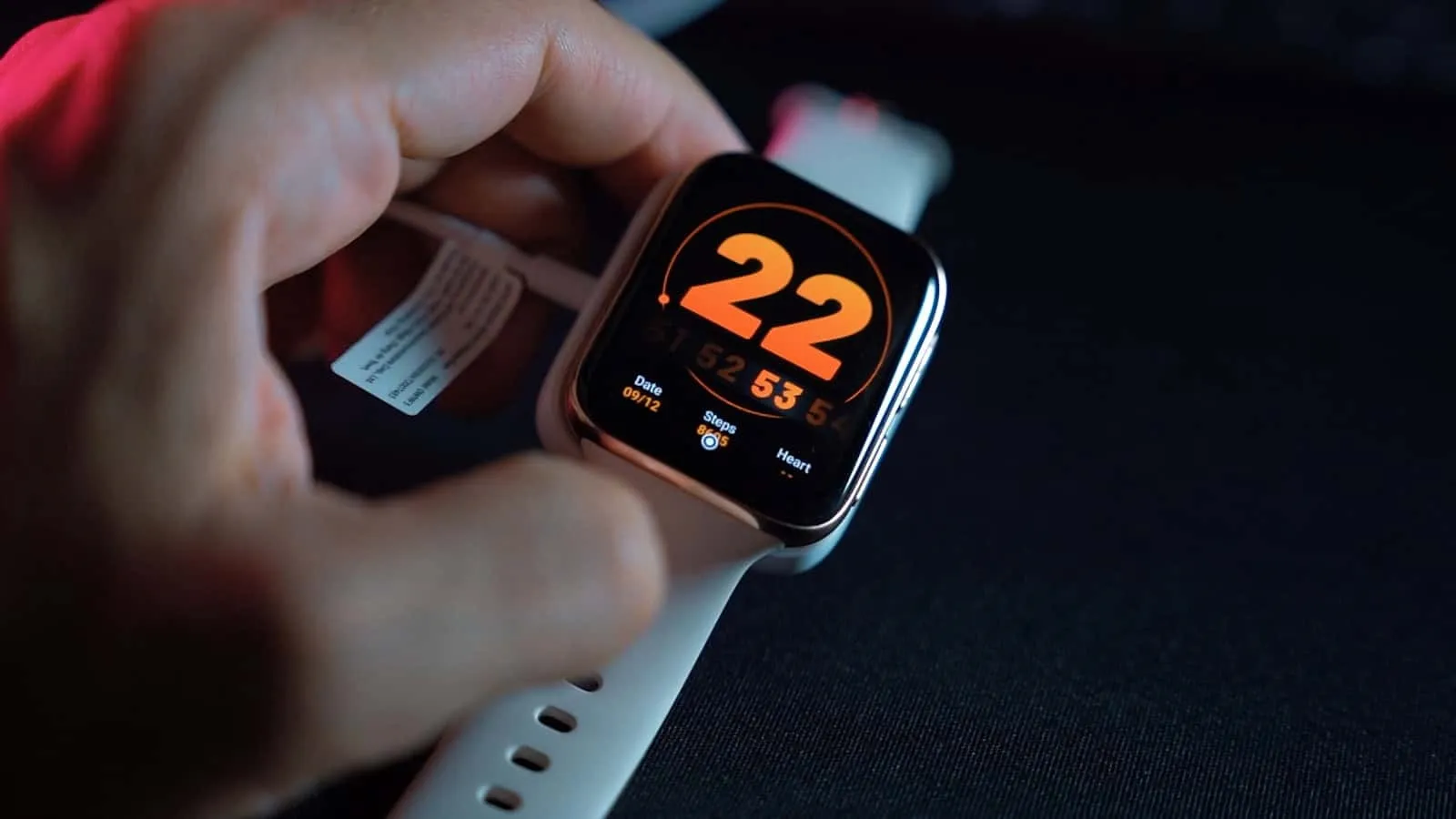
Smart Wearables Beyond Watches and Bands

Smart Running Shoes Market in China: Status and Trends
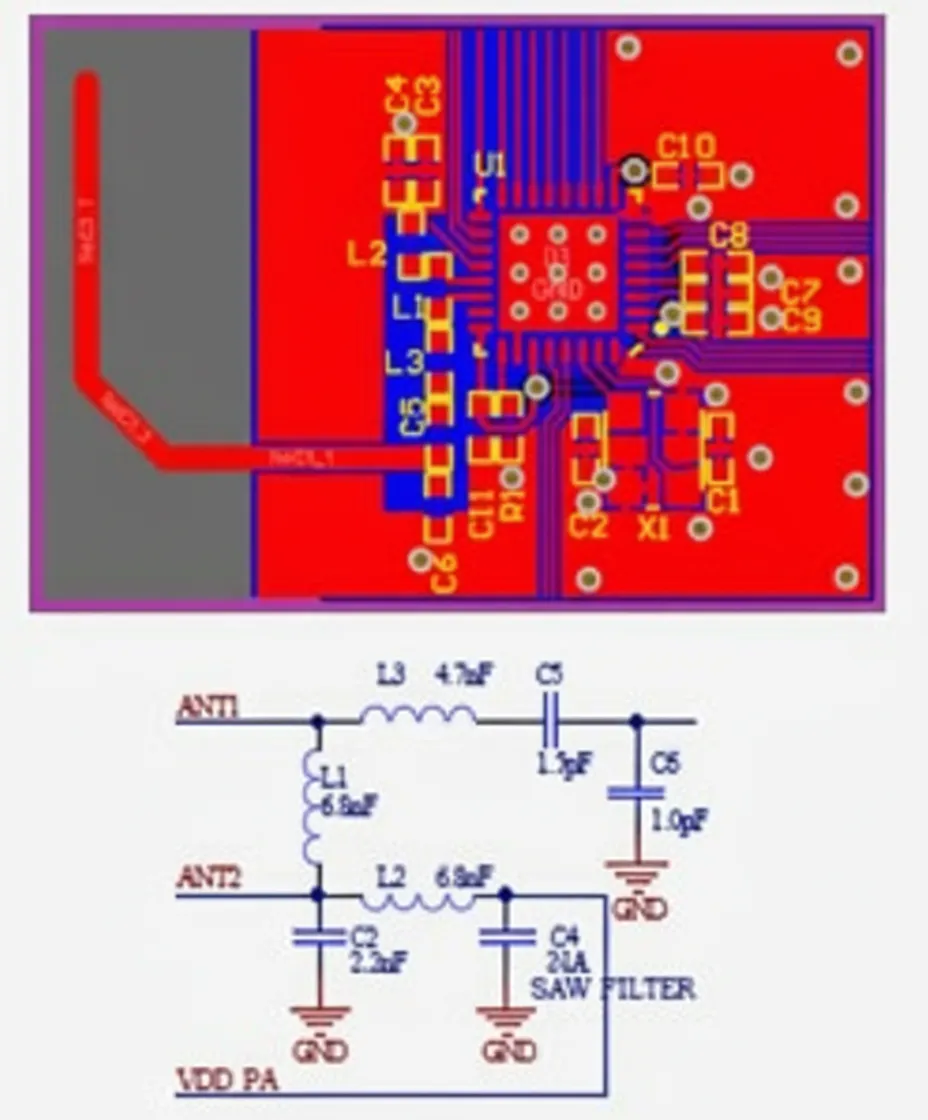
Designing a Smart Wristband with nRF51822

How Smart Bands Track Health Data

Five Persistent Challenges for Wearable Devices
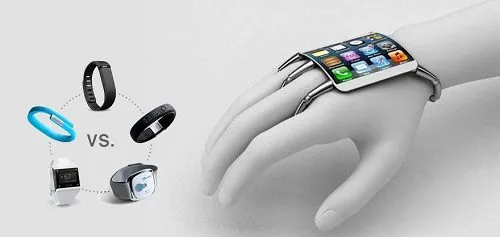
Expandable Wearable Development Kit Reference Design
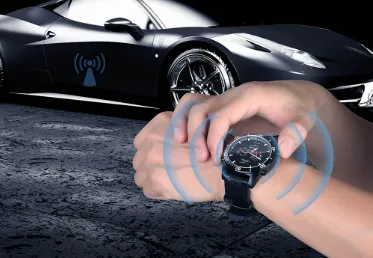
Car Keys Could Become the Next Wearable Device
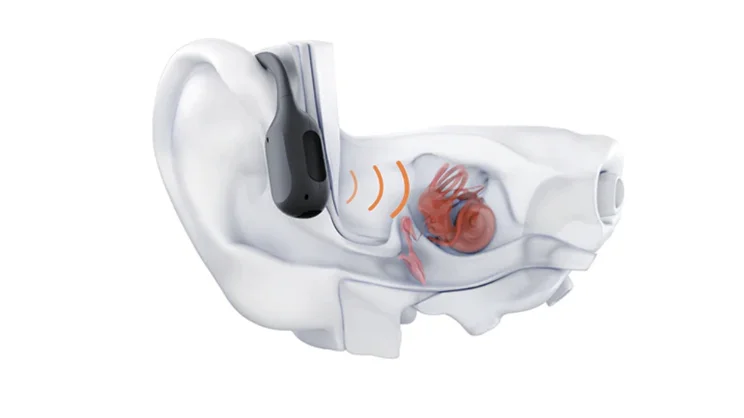
How Bone Conduction Headphones Work
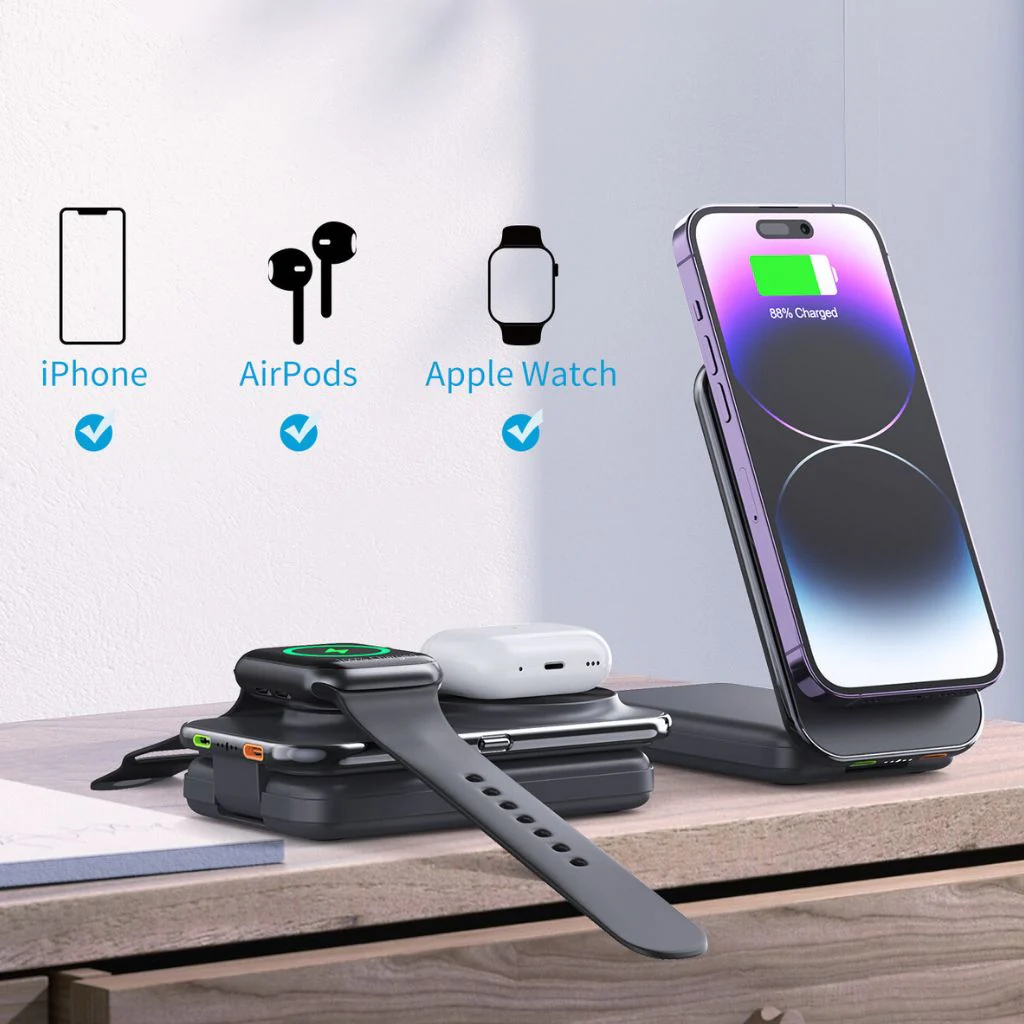
Magnetic Levitation Charging Stand for Apple Watch
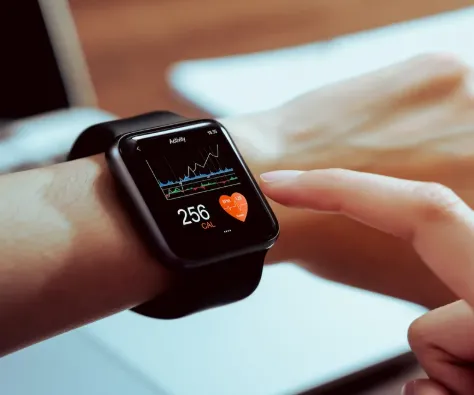
Best Wearable Devices Currently Available