










-
 08:37
08:37
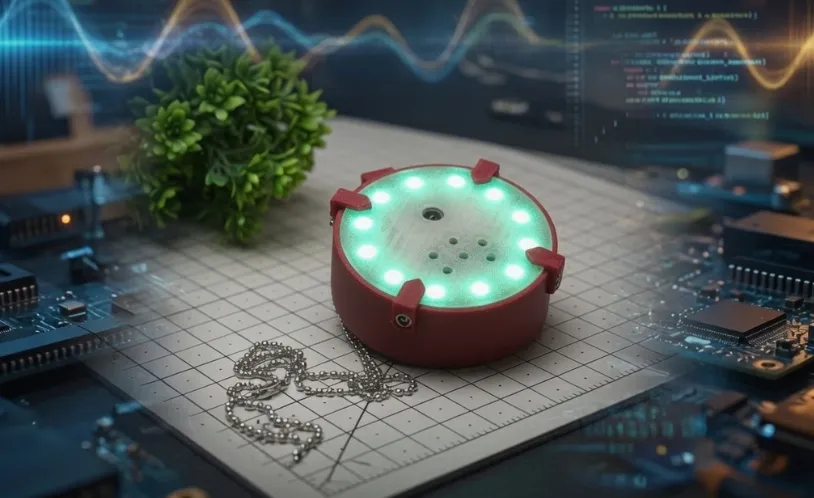
ESP32 AI Pendant with a Custom PCB: From Prototype to Wearable
This video takes viewers through the complete development of an ESP32 AI pendant, from hardware assembly to firmware deployment and live AI demonstrations. Built around the XIAO ESP32S3 Sense, the project integrates an I2S audio amplifier, compact speaker, NeoPixel status ring, rechargeable LiPo battery, and a custom 3D-printed enclosure to create a portable voice-enabled AI device. The tutorial covers practical wiring, pin assignments, mechanical design considerations, and a streamlined browser-based firmware flashing process with Wi-Fi provisioning and Xiaozhi platform registration. Live demonstrations showcase voice interaction, image recognition, and real-time AI responses, while also illustrating the transition from a functional prototype to a custom PCB as the next step toward a more compact, reliable, and production-ready design.
-
 08:18
08:18
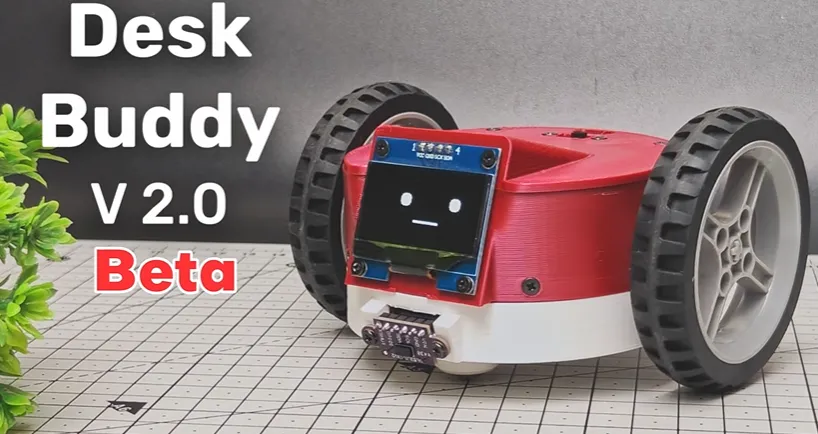
Desk Buddy V2: Building a Compact ESP32 Robot with a Custom PCB
This video showcases the complete V2 evolution of the Desk Buddy robot, highlighting the transition from a stationary desktop companion to an autonomous mobile assistant. It covers the redesigned mechanical structure, featuring a fully 3D-printed chassis, custom motor adapters, a dual N20 motor drivetrain, and an integrated LiPo-powered electronics system built around the XIAO ESP32S3, DRV8833 motor driver, VL53L0X ToF sensor, OLED display, and buzzer. Through real-world demonstrations, viewers see obstacle avoidance, edge detection, manual phone control, and expressive animations working together to bring the robot to life. The video also discusses current design limitations and planned drivetrain improvements, while showing how a compact custom PCB replaces complex point-to-point wiring to deliver cleaner integration, greater reliability, and stable sensing and motor control throughout the project.
-
 07:16
07:16
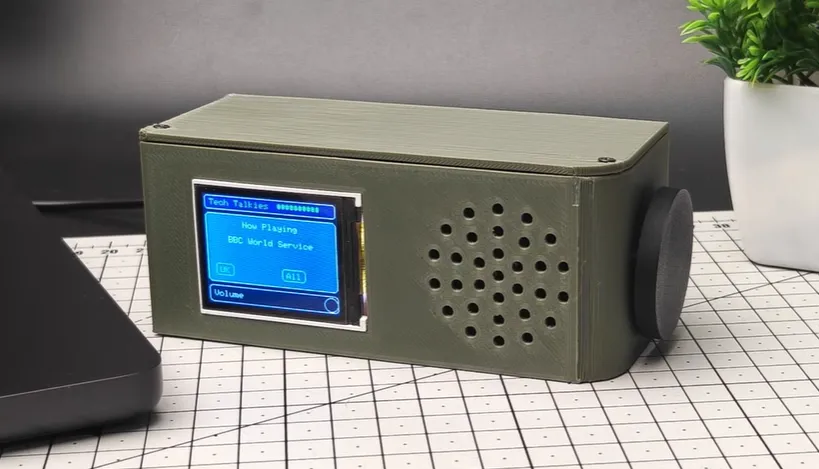
Building a Custom PCB for an ESP32 Internet Radio
This video follows the complete journey from a modular prototype to a polished custom PCB, demonstrating how thoughtful hardware design transforms a functional concept into a reliable product. It explores the dual-core software architecture that separates audio processing from the user interface, the intuitive single-knob control system with live metadata display, and the practical challenges that emerge when moving beyond breadboard wiring. The video shows how a carefully engineered 4-layer PCB improves audio quality, mechanical stability, and overall usability by reducing noise and optimizing the hardware layout. It offers valuable insights for makers and engineers looking to bridge the gap between a working prototype and a production-ready design.
-
 10:57
10:57
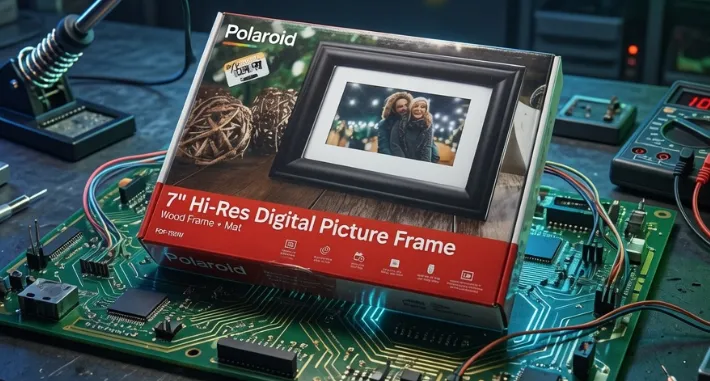
Polaroid Digital Frame PCB Reverse Engineering: Building a Custom SPI Flash Adapter
This video documents the complete reverse-engineering process of a Polaroid digital picture frame, from initial teardown and hardware analysis to firmware extraction and custom PCB development. It demonstrates how to identify key components on the motherboard, safely remove the SPI flash memory, dump the firmware, and overcome common chip-off debugging challenges. The project also highlights the evolution from a fragile hand-built adapter to a professionally manufactured custom PCB, showing how thoughtful DFM practices and rapid prototyping can transform a one-off hardware hack into a reliable, repeatable development platform. Whether you're interested in PCB reverse engineering, embedded systems, or custom debug hardware, this case study provides practical insights into firmware analysis, adapter board design, and hardware prototyping.
-
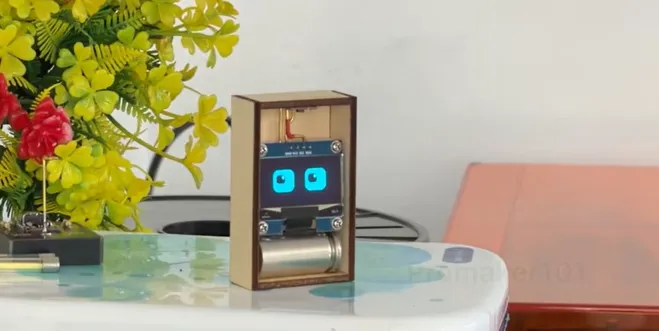 04:57
04:57
Building a Desk Buddy Pet Robot: From Prototype to Custom PCB
This video showcases the complete development journey of the Desk Buddy Pet Robot, from initial concept and component selection to a fully assembled everyday companion. The project integrates an ESP32-C3 SuperMini, OLED display, TTP223 touch sensor, and LiPo battery into a compact interactive device, with software features including weather data integration, custom animations, and intuitive touch controls. Beyond the prototype stage, the video highlights the transition from hand-wired modules to a custom 2-layer PCB, demonstrating how PCB thickness, surface finish, grounding strategy, and antenna keep-out design influence real-world performance. Through assembly, enclosure integration, and reliability testing, the project shows how thoughtful PCB design and manufacturing support can transform a maker prototype into a polished, dependable product.


