










-
 07:31
07:31
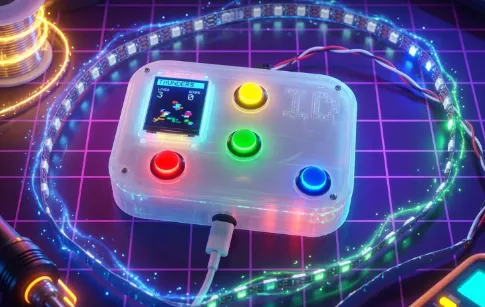
ESP32 1D LED Game Console: From Breadboard to Reliable Handheld
This video showcases the complete journey of creating a screenless handheld gaming device, from early breadboard experiments to a polished custom PCB-based product. The project demonstrates how engaging gameplay can be built without a traditional display by combining an SPI TFT interface, addressable LED strip, tactile controls, buzzer feedback, and optimized Arduino firmware. Viewers explore how classic games such as Space Invaders, Runner, Pong, Memory, Reaction, and Tug of War are redesigned for a linear LED gameplay experience using efficient graphics and animation techniques. The video also highlights the transition from jumper-wire prototyping to a production-ready custom PCB, covering mechanical integration, power delivery, signal integrity, and manufacturing considerations that transform a creative concept into a reliable handheld device.
-
 05:36
05:36
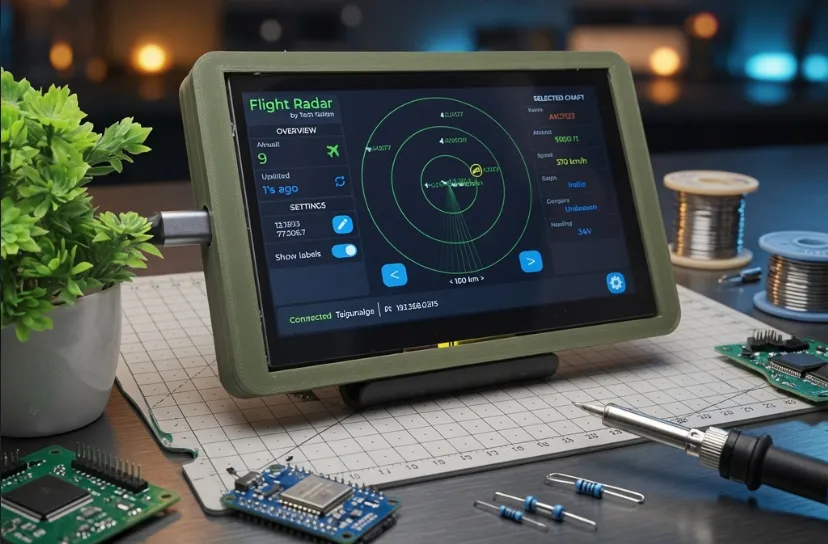
ESP32 Live Flight Radar: PCB Choices for Smooth Real-Time Tracking
This video showcases the Version 2 development journey of a live flight radar system built on the Elecrow CrowPanel Advance 7-inch ESP32-S3 HMI. It demonstrates how the ESP32-S3 platform powers a custom LVGL radar interface featuring animated sweeps, target selection, and detailed flight information such as callsign, altitude, speed, heading, and aircraft category. The video also explores key engineering decisions behind the system, including NVS-based configuration storage, FreeRTOS task management, Wi-Fi optimization, and parallel RGB display integration. Beyond the polished demonstration, it highlights real-world development challenges such as hardware compatibility, UI accessibility, data coverage limitations, and user feedback. This project provides valuable insights into embedded HMI design, PCB optimization, and the engineering considerations required to transform an ESP32 prototype into a reliable interactive device.
-
 16:59
16:59
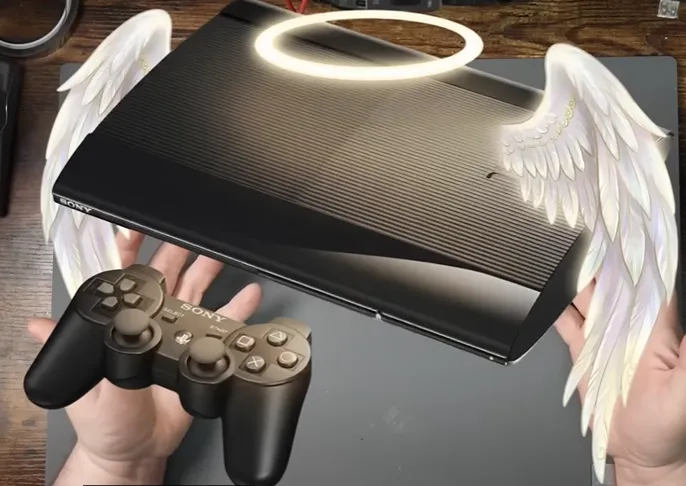
From $4 Pico to PS3 Super Slim Powerhouse: The PCB Journey Behind a qCFW Modchip Hack
This video documents the complete PS3 hardware modification workflow, from system verification and firmware preparation to successful custom hardware installation and recovery troubleshooting. It covers key steps including NOR flash backup, Hybrid Firmware setup, PS3HEN and Stagex installation, Pico UF2 flashing, precise signal wiring, and internal module placement near the disc-drive bay. Beyond the installation process, the video highlights real-world challenges such as TX/RX connection errors, limited internal space, resistance testing, and controller compatibility issues, providing practical lessons on diagnosing and recovering from common mistakes. By showcasing both the successful build and the problems encountered along the way, the video offers valuable insights for hardware enthusiasts working on console modification, embedded systems, and custom PCB-based upgrades.
-
 09:53
09:53
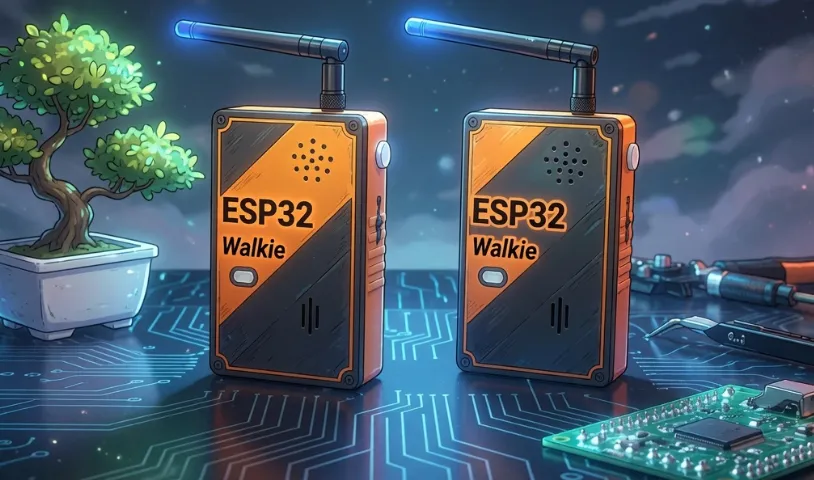
From Prototype to Walkie-Talkie: Building an ESP32 Custom PCB
This video showcases the complete development journey of an ESP32-based wireless walkie-talkie system, from initial concept validation to a polished custom PCB product. It demonstrates how ESP-NOW enables router-free real-time audio communication using the XIAO ESP32-S3 Sense, MAX98357A audio amplifier, external antenna, PTT control, and rechargeable battery system. The firmware section explores key engineering solutions, including automatic device pairing, low-latency audio packet transmission, ring buffer management, I2S DMA integration, software gain control, and communication status feedback. The video also highlights the transition from a prototype to a compact 3 × 7 cm custom PCB, focusing on RF layout, audio signal integrity, mechanical integration, and real-world range testing. It provides valuable insights into how thoughtful PCB design and professional manufacturing transform an experimental wireless project into a reliable handheld communication device.
-
 05:47
05:47
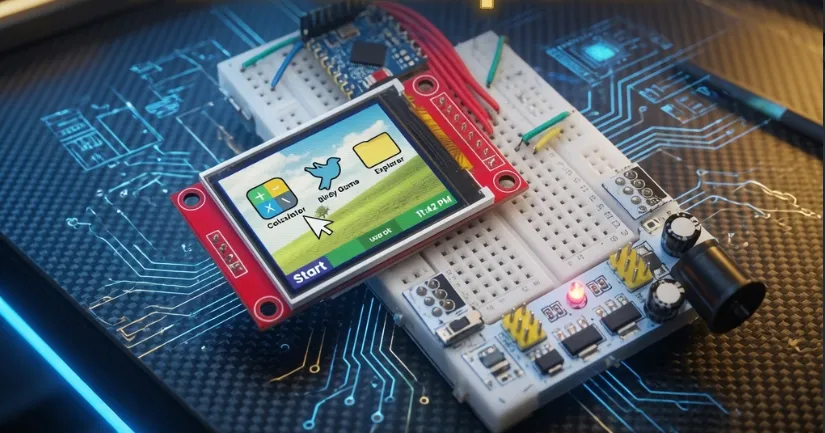
Turning an ESP32-S3 into a USB Host Mini Computer with a Custom PCB
This video demonstrates how the ESP32-S3's native USB Host capability can transform a compact development board into a feature-rich mini computing platform. It showcases support for USB HID devices, including responsive mouse control, real-time keyboard input, and simultaneous operation of multiple peripherals through a USB hub. The project also explores USB mass-storage support with a built-in file explorer, text file viewing, and additional applications such as a calculator and a simple game, all running on the same hardware. Along the way, the video highlights key engineering considerations, including the use of the ESP32-S3's native USB D+/D– pins, reliable 5 V peripheral power delivery, clean SPI routing for the display, and system stability under multi-device workloads. It provides valuable insights for embedded developers building advanced ESP32-S3 projects that bridge the gap between prototypes and production-ready hardware.


