










SMT Stencil
Surface Mount Technology (SMT) stencils play a pivotal role in modern electronics manufacturing, enabling precise solder paste application during PCB assembly. These thin metal sheets, laser-cut with apertures corresponding to component pads, ensure accurate deposition of solder paste, which is crucial for reliable soldering and high-yield production. In this SMT Stencil category, we delve into the fundamentals and advanced aspects of stencil design, fabrication, and utilization, providing essential knowledge for engineers, hobbyists, and industry professionals seeking to optimize their assembly processes. Our articles cover a wide range of topics, from comprehensive guides on selecting the right stencil materials and thicknesses to step-by-step tutorials on stencil printing techniques and alignment methods. We also share insights into emerging trends, such as nano-coatings for improved paste release and frameless stencil systems that enhance efficiency in high-volume production. Best practices are emphasized throughout, including tips for stencil cleaning, storage, and troubleshooting common issues like bridging or insufficient paste volume, all grounded in real-world testing and expert experience. The practical value of mastering SMT stencils extends to diverse applications, including consumer gadgets, automotive electronics, medical devices, and aerospace systems, where precision directly impacts performance and reliability. By understanding stencil tolerances and their interaction with solder pastes, readers can reduce defects, minimize rework, and achieve consistent results in both prototyping and mass production environments. Browse through the articles in this category to build a thorough understanding of SMT stencil technologies and integrate proven strategies into your workflows. Whether you are refining a new design or scaling up operations, these resources offer actionable advice to elevate your electronics projects.
Latest Blogs
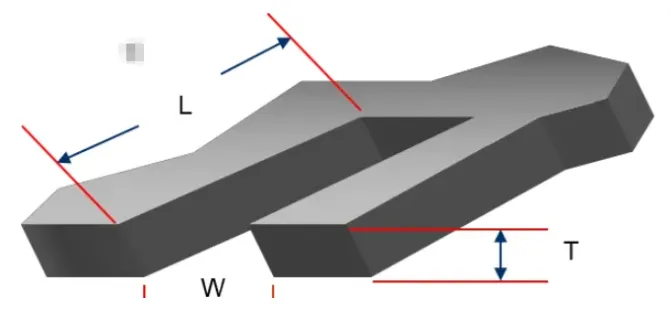
SMT Stencil Design Demystified: A Practical Guide to IPC-7525B
IPC-7525B SMT stencil design guide: data handoff, aperture sizing, area ratio/aspect ratio, lead-free vs Sn-Pb, PIH, step stencils, and maintenance.
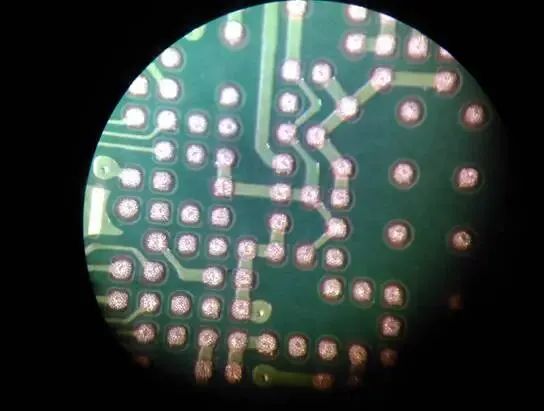
Stencil Aperture Validation for a 0.4 mm Pitch CPU BGA
Study compares 0.25 mm rounded-square vs 0.26 mm round stencil aperture for 0.4 mm BGA; SPI/CPK and X-ray show ~13.6% volume gain, no bridging, supporting the 0.25 mm design.
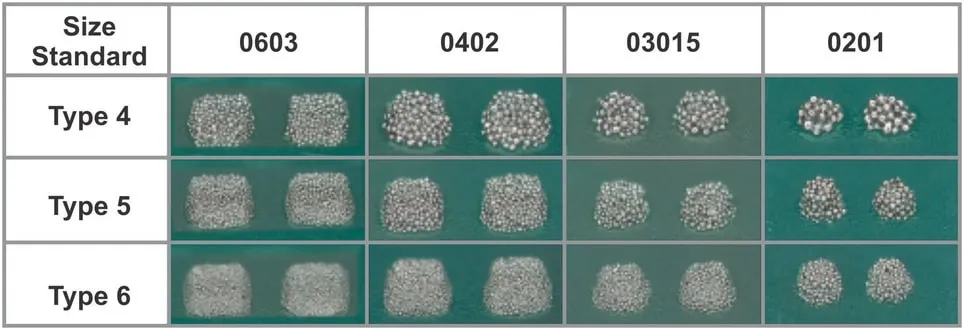
Stencils and Solder Paste: A Comprehensive Guide to Materials
Discover solder paste stencil types, stencil materials, and types of solder paste in SMT assembly. This guide explores stainless steel, nickel, electroformed stencils plus alloy compositions, particle sizes, and flux systems for flawless PCB printing and higher yields.
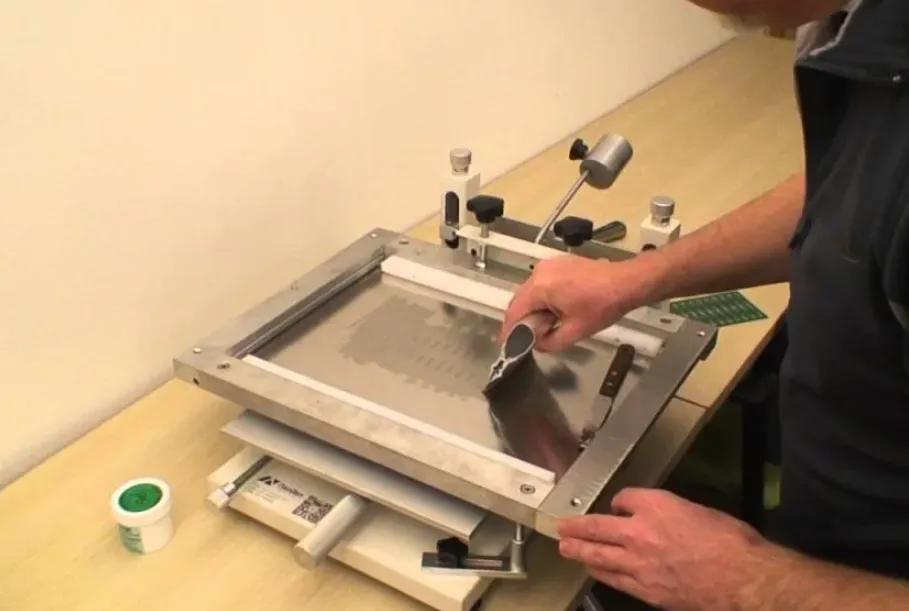
Step-by-Step Guide to Use a PCB Stencil
Learn the essentials with this step-by-step PCB guide on how to effectively use a PCB stencil. This PCB stencil guide covers preparation, application, and cleaning for precise solder paste deposition in SMT assembly.
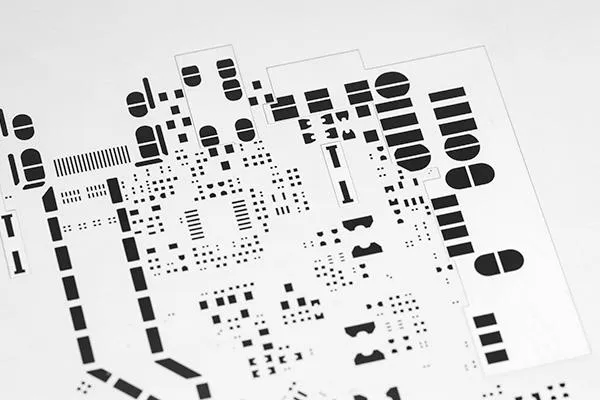
The Ultimate Guide to Surface Mount Stencils: From Design to Assembly
Explore The Ultimate Guide to Surface Mount Stencils, covering SMT stencil design guide principles, solder paste application techniques, stencil material selection, and aperture design rules essential for a robust PCB assembly process.
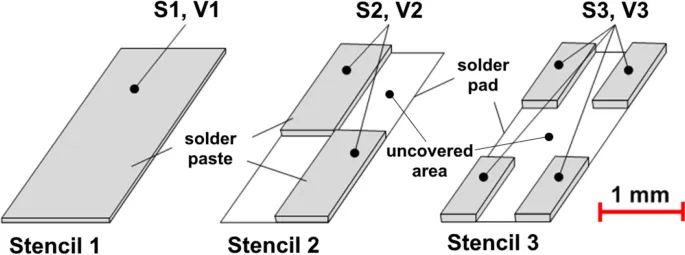
PCB Stencil Thickness for Different Component Sizes: A Detailed Guide
Discover the crucial impact of PCB stencil thickness for different component sizes in SMT assembly. This detailed guide explains component stencil selection, stencil guide size, and how to optimize for component sizes for stencil to prevent common soldering defects.
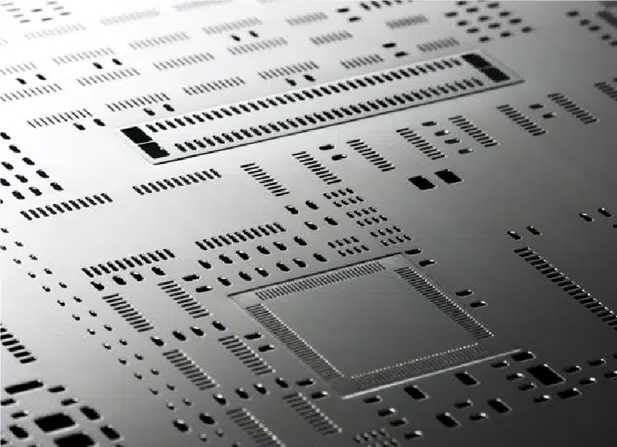
The Comprehensive Guide to SMT Stencil Engineering: From Design Optimization to Process Control
SMT stencils are critical for PCB assembly quality. This guide covers mounting formats, aperture design, squeegee dynamics, fine-pitch applications, and rework stencils for process engineers.
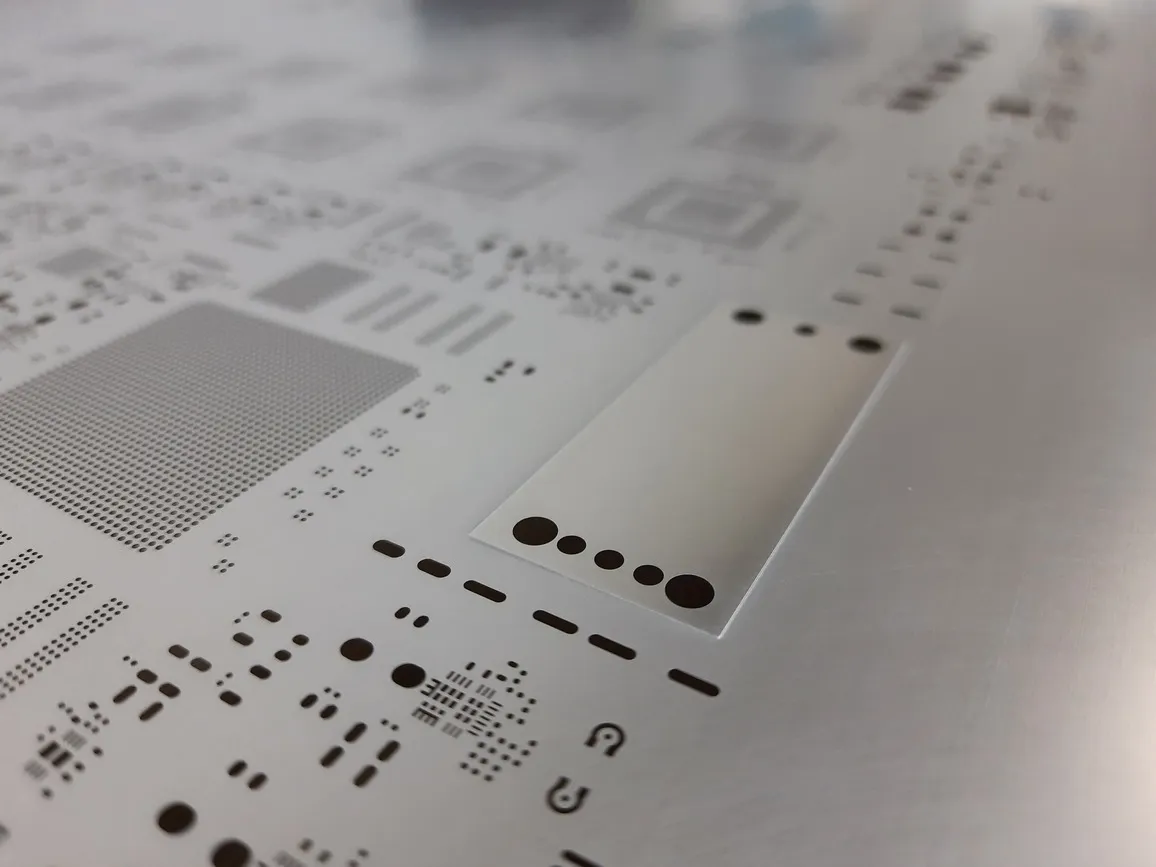
Step Stencils: Optimizing Solder Paste Deposition for Mixed-Component PCBs
A technical guide to step stencil design for precise solder paste volume control in mixed-component assemblies. Covers BGA, QFN, and pin-in-paste applications.
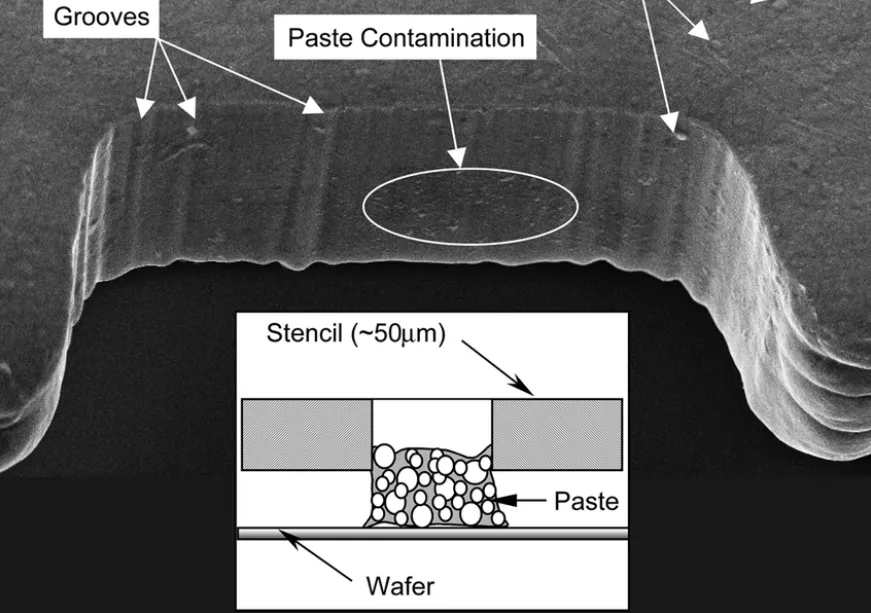
SMT Stencil Materials Face-Off: Stainless Steel vs. Nickel – Which Reigns Supreme?
An engineering comparison of stainless steel vs. nickel SMT stencils. Explore key material properties, including stencil durability, paste release, and cost for optimal selection.
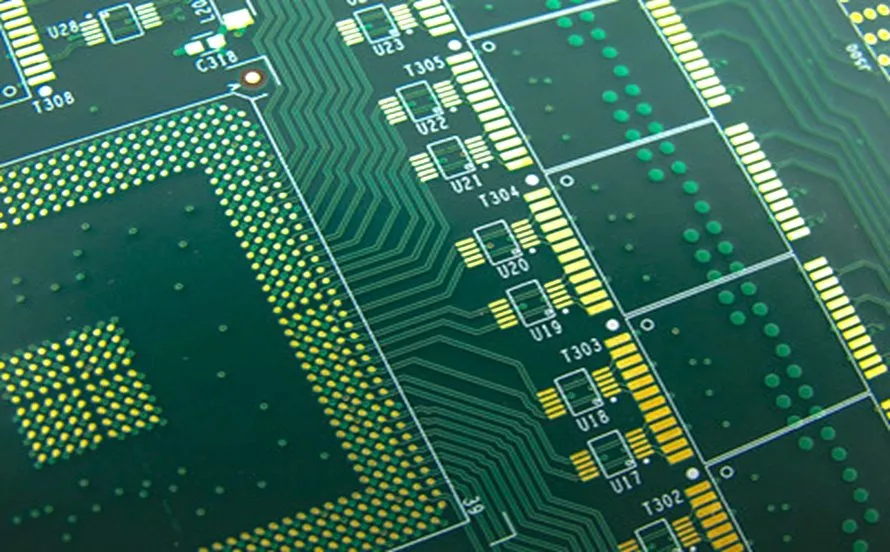
Fine-Pitch SMT Stencils: Achieving Precision in High-Density PCB Assembly
An engineer's guide to fine-pitch SMT stencil design, covering optimal aperture size and stencil thickness to prevent solder bridging in high-density PCB assemblies.
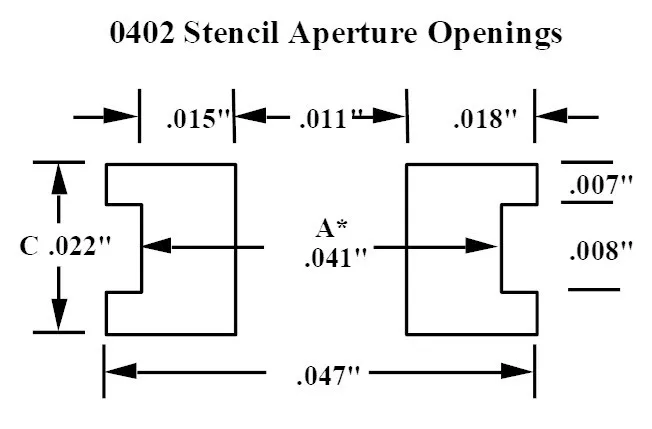
The Art of SMT Stencil Aperture Design: Minimizing Defects and Maximizing Yield
Discover expert SMT stencil aperture design strategies for aperture size, shape, aspect ratio, and area ratio. Learn how to prevent tombstoning and bridging while achieving >75% solder paste release and first-pass yields up to 15% higher.
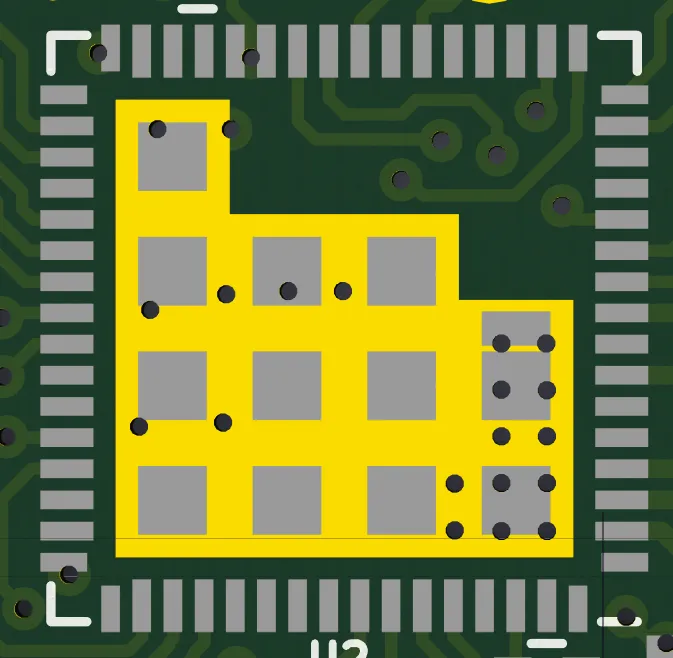
The Ultimate Guide to SMT Stencil Pad Design for Beginners
Master SMT stencil pad design for defect-free soldering. This guide covers aperture modification, thickness selection, and rules to optimize solder paste deposition for high-yield assembly.


