


PCB Assembly
Printed circuit board (PCB) assembly represents a critical phase in electronics manufacturing, where components are mounted onto a board to create functional circuits. This process bridges design and production, ensuring that electronic devices perform reliably in diverse applications. From soldering techniques to component placement, PCB assembly encompasses the methods and technologies that transform bare boards into operational systems. Understanding these elements is essential for engineers, hobbyists, and industry professionals aiming to optimize production efficiency and product quality. Within this category, readers will find a comprehensive collection of guides that detail step-by-step assembly processes, tutorials on advanced tools like surface-mount technology and automated pick-and-place machines, and insights into troubleshooting common issues such as solder joint defects or thermal management challenges. Best practices are highlighted to promote reliability, including strategies for minimizing defects through quality control measures and adhering to industry standards like IPC guidelines. These resources draw from real-world expertise to address both fundamental concepts and cutting-edge innovations in the field. The practical value of mastering PCB assembly extends to numerous sectors, including consumer electronics, automotive systems, medical devices, and aerospace engineering. By applying the knowledge shared here, professionals can reduce manufacturing costs, accelerate time-to-market, and enhance device durability. For instance, effective assembly techniques ensure that circuits withstand environmental stresses, leading to longer-lasting products in demanding conditions. Delving into the articles in this PCB assembly category provides a pathway to deeper technical proficiency. Whether refining prototyping skills or scaling up production, the content equips readers with actionable strategies to tackle real-world challenges and stay ahead in an evolving industry.
Latest Blogs

What is the principle of In Circuit Testing?
The ICT principle relies on bed of nails fixtures to verify PCB components and connections. This article details power off tests, fixture design, troubleshooting steps, and standards for electric engineers ensuring manufacturing quality and reliability.
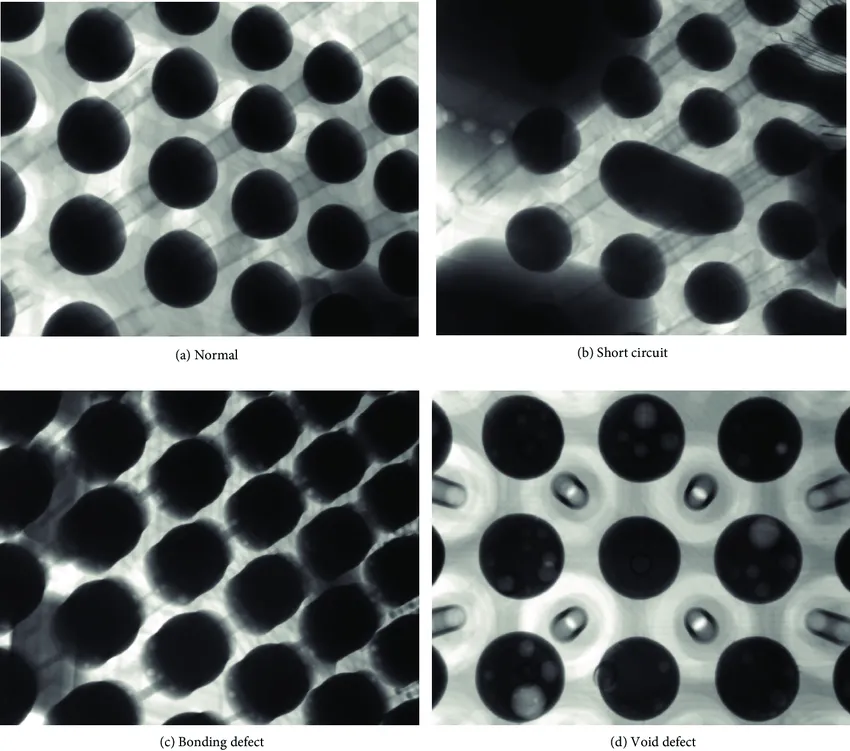
HDI PCB X-Ray Inspection for Assemblies: SMT Defect Detection and Quality Control
Meta Description: Learn how PCB X-ray inspection supports HDI assembly quality through hidden solder-joint analysis, BGA and QFN inspection, and X-ray defect detection. Explore SMT X-ray inspection, X-ray inspection for electronic components, and reliable inspection methods for high-density PCB assemblies.
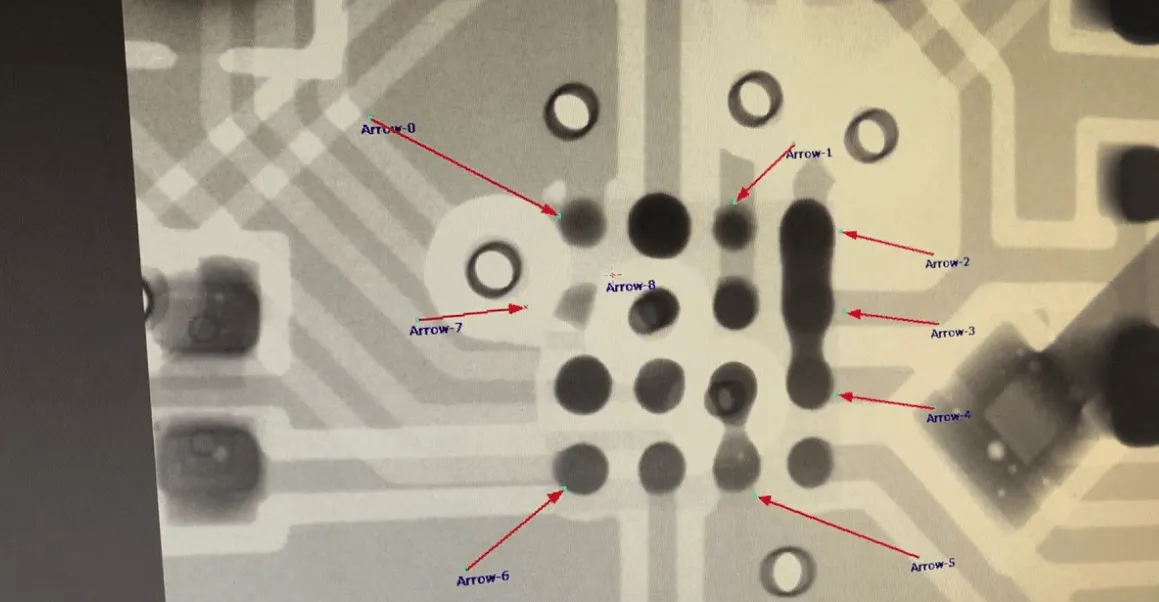
From AOI to AXI: Why X Ray Inspection is Crucial for Modern Electronics Manufacturing
Compare AOI vs AXI in electronics manufacturing where automated x-ray inspection detects hidden solder defects like voids and bridges in BGAs that optical methods miss. Learn the x-ray inspection process, key benefits, best practices, and why it boosts PCB quality and reliability.
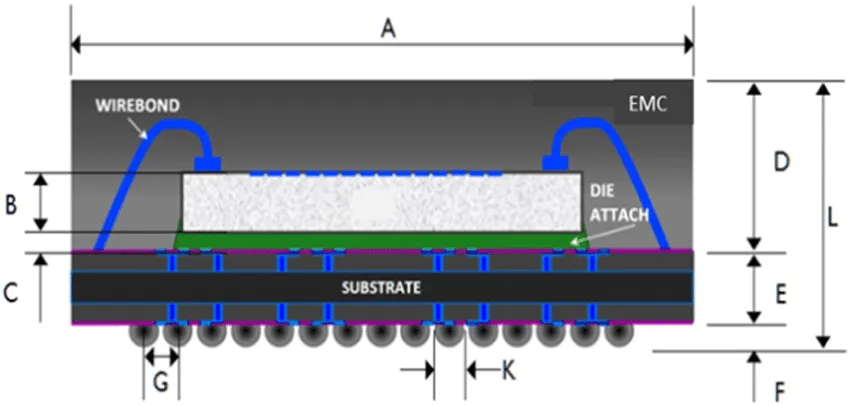
BGA Inspection Demystified: How X Ray Technology Ensures Reliable Solder Joints
BGA x-ray inspection verifies hidden solder joints by detecting voids, BGA misalignment, and defects post-reflow. Covering principles, x-ray inspection standards for BGA, factory best practices, challenges, and FAQs for electric engineers seeking quality PCB assemblies.
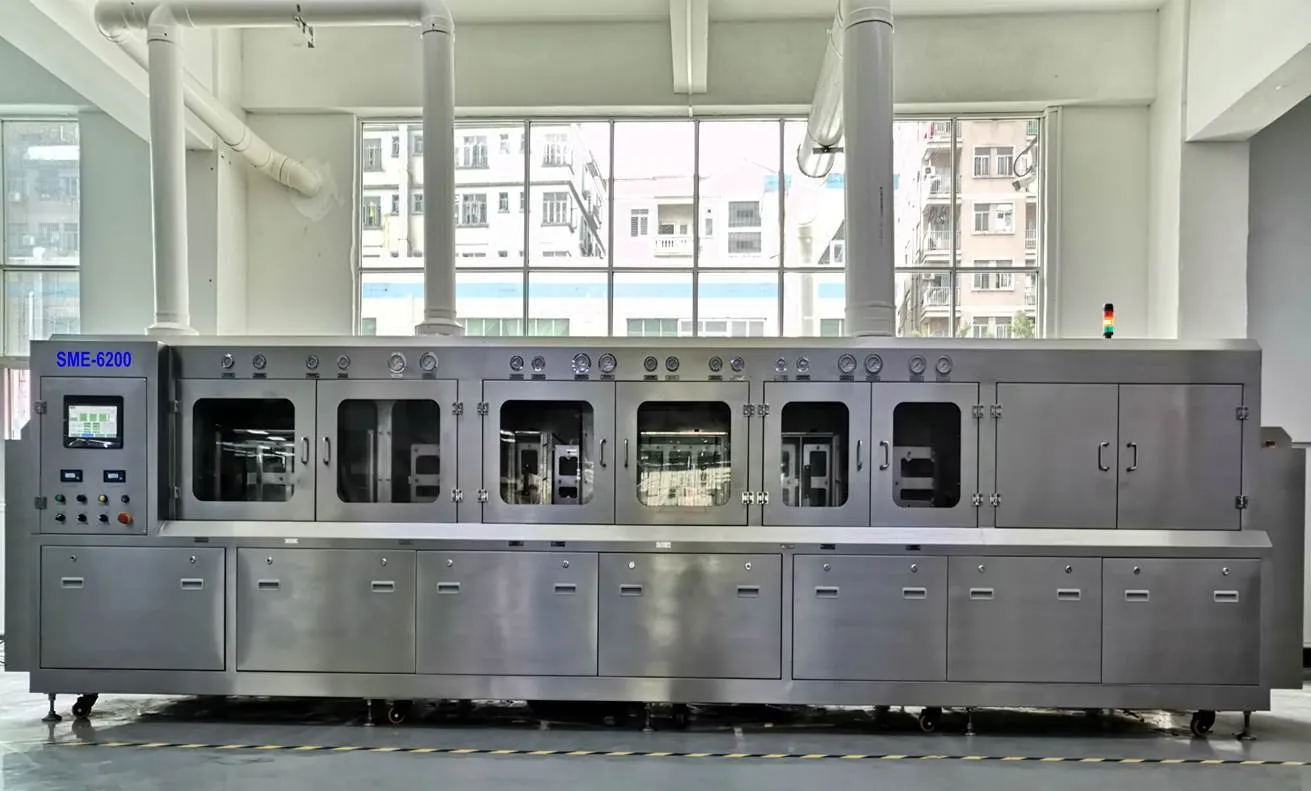
PCB Cleaning Equipment: Ensuring Reliable Connections Through Proper Cleaning
PCB ultrasonic cleaners, PCB stencil cleaners, and PCB deionized water cleaning systems remove flux residue from PCBs in post-solder cleaning. Best practices and troubleshooting ensure reliable connections for electrical engineers.
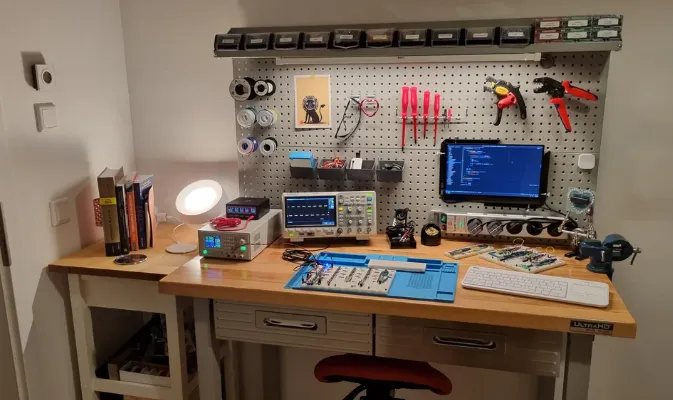
PCBA Reliability Testing for Beginners: A Step by Step Guide
This PCBA testing guide for beginners explains reliability checks step by step. Learn visual inspections, electrical continuity, functional power-up tests, and basic environmental stresses with simple tools. Ensure your hobbyist PCB assemblies last longer and spot issues early for successful projects.
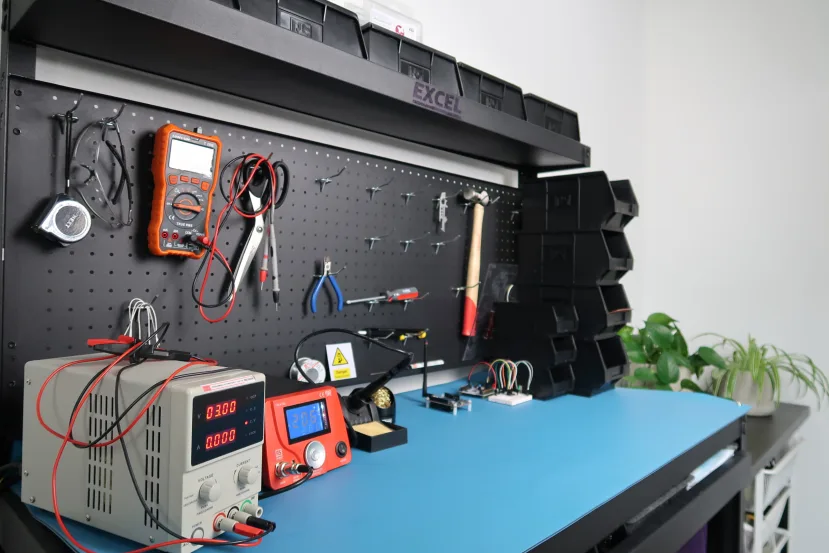
DIY PCBA Reliability Testing: Simple Techniques for Hobbyists
Perform DIY PCBA testing at home with simple techniques like visual checks, continuity tests, thermal cycles, and vibration simulations. Hobbyists use basic tools to verify solder joints and board strength, catching failures early for reliable electronics projects.
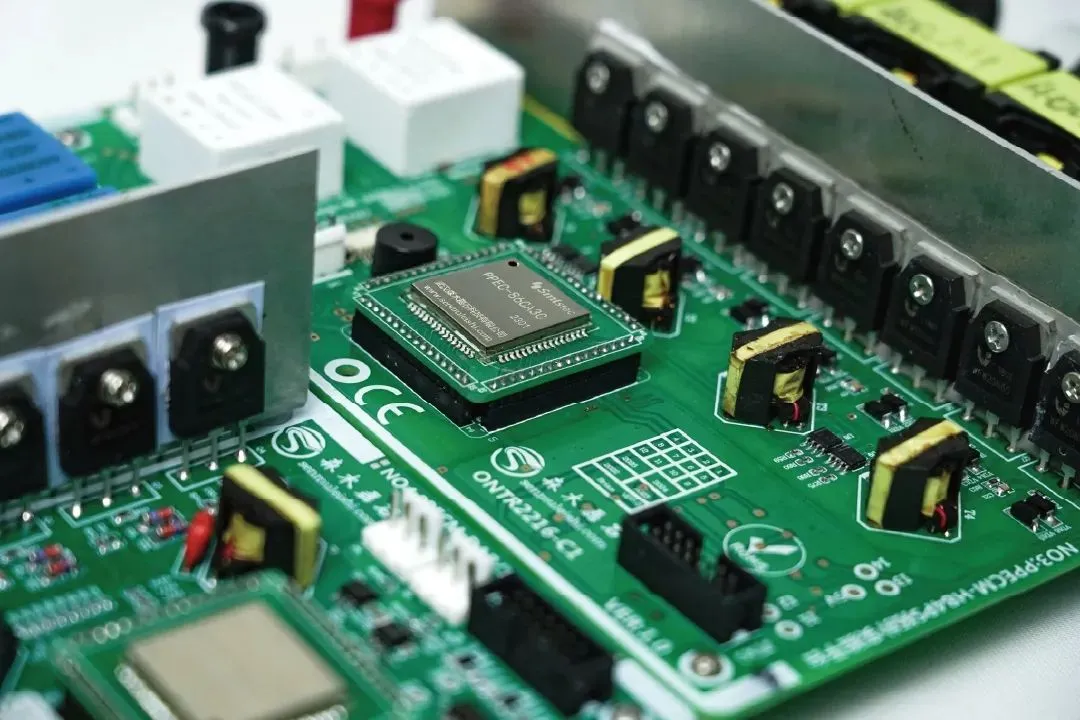
Power Electronics PCBA: Ensuring Reliability in High Stress Applications
Power electronics PCBA reliability in high-stress applications depends on PCBA power electronics thermal management, component selection, testing protocols, and standards compliance. Electric engineers benefit from practical strategies to design assemblies that withstand heat, vibration, and electrical demands for long-term performance.

When to Use Bed of Nails Testers or Flying Probe Testers?
Compare bed-of-nails testers and flying probe testers for in-circuit testing on PCBs. Bed-of-nails deliver fast parallel tests for high-volume runs, while flying probes provide fixtureless flexibility for prototypes. Key differences in speed, cost, and suitability guide electric engineers to optimal choices for quality control.

What does ICT tell us about our PCB?
In-Circuit testing machines provide detailed diagnostics on In-Circuit PCBs in production lines, detecting opens, shorts, wrong components, and solder issues. Electric engineers learn principles, fixture setup, best practices, troubleshooting, and data use for better yields and quality control. Essential guide for reliable assemblies.

The ROI of Selective Soldering Equipment: A Comprehensive Cost Benefit Analysis
Assess selective soldering equipment cost justification via ROI analysis, payback period calculations, manual vs selective soldering cost comparisons, and maintenance expenses. Practical steps for electrical engineers to evaluate investments and boost PCB assembly efficiency.
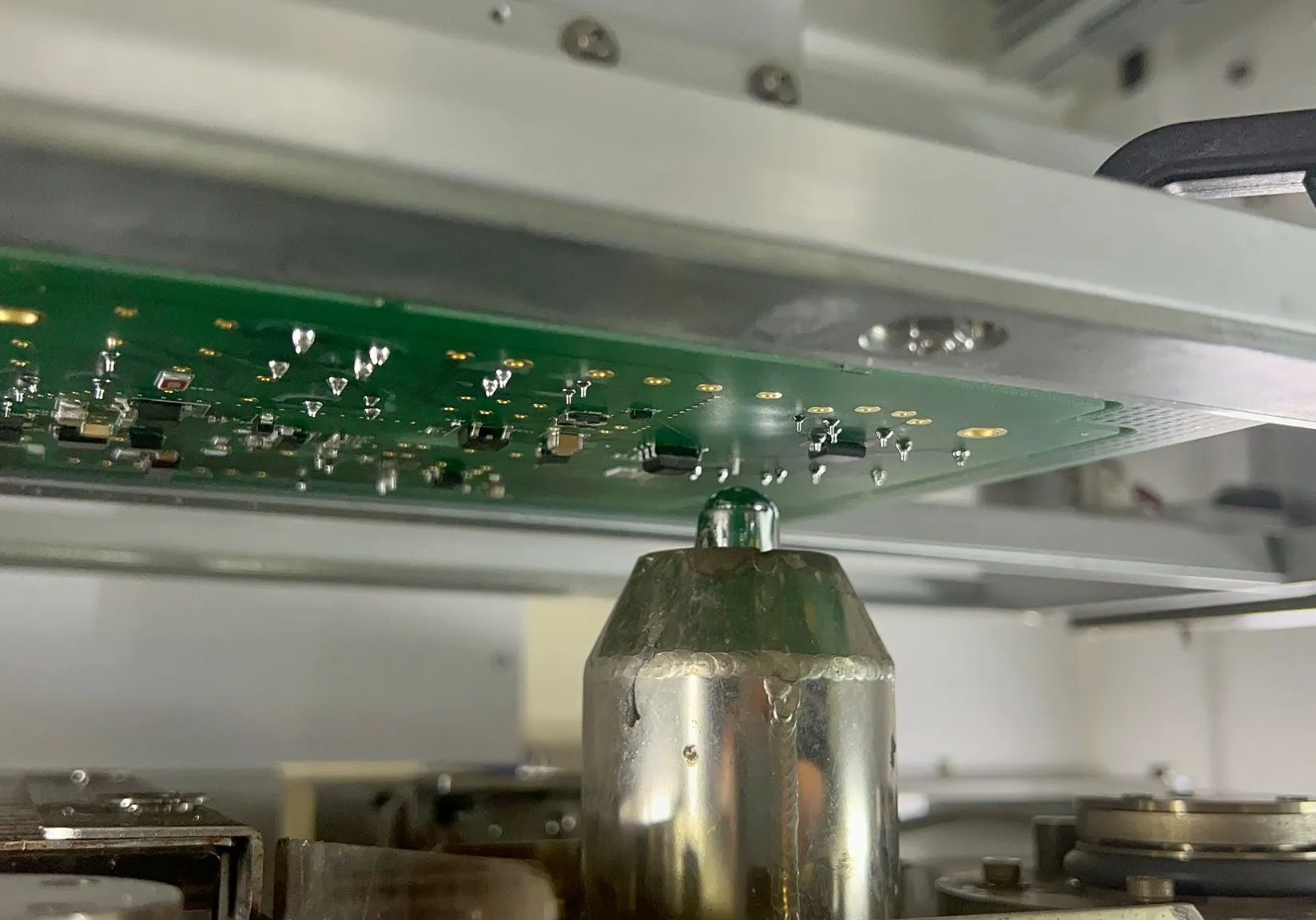
Nitrogen Purging in Selective Soldering: The Ultimate Guide for Zero Defect PCB Joints
Nitrogen atmosphere selective soldering prevents oxidation and dross for reliable PCB joints. Learn benefits of nitrogen purge, purity requirements, dross reduction techniques, and costs to achieve zero defects in through-hole assembly processes.


