


PCB Assembly
Printed circuit board (PCB) assembly represents a critical phase in electronics manufacturing, where components are mounted onto a board to create functional circuits. This process bridges design and production, ensuring that electronic devices perform reliably in diverse applications. From soldering techniques to component placement, PCB assembly encompasses the methods and technologies that transform bare boards into operational systems. Understanding these elements is essential for engineers, hobbyists, and industry professionals aiming to optimize production efficiency and product quality. Within this category, readers will find a comprehensive collection of guides that detail step-by-step assembly processes, tutorials on advanced tools like surface-mount technology and automated pick-and-place machines, and insights into troubleshooting common issues such as solder joint defects or thermal management challenges. Best practices are highlighted to promote reliability, including strategies for minimizing defects through quality control measures and adhering to industry standards like IPC guidelines. These resources draw from real-world expertise to address both fundamental concepts and cutting-edge innovations in the field. The practical value of mastering PCB assembly extends to numerous sectors, including consumer electronics, automotive systems, medical devices, and aerospace engineering. By applying the knowledge shared here, professionals can reduce manufacturing costs, accelerate time-to-market, and enhance device durability. For instance, effective assembly techniques ensure that circuits withstand environmental stresses, leading to longer-lasting products in demanding conditions. Delving into the articles in this PCB assembly category provides a pathway to deeper technical proficiency. Whether refining prototyping skills or scaling up production, the content equips readers with actionable strategies to tackle real-world challenges and stay ahead in an evolving industry.
Latest Blogs
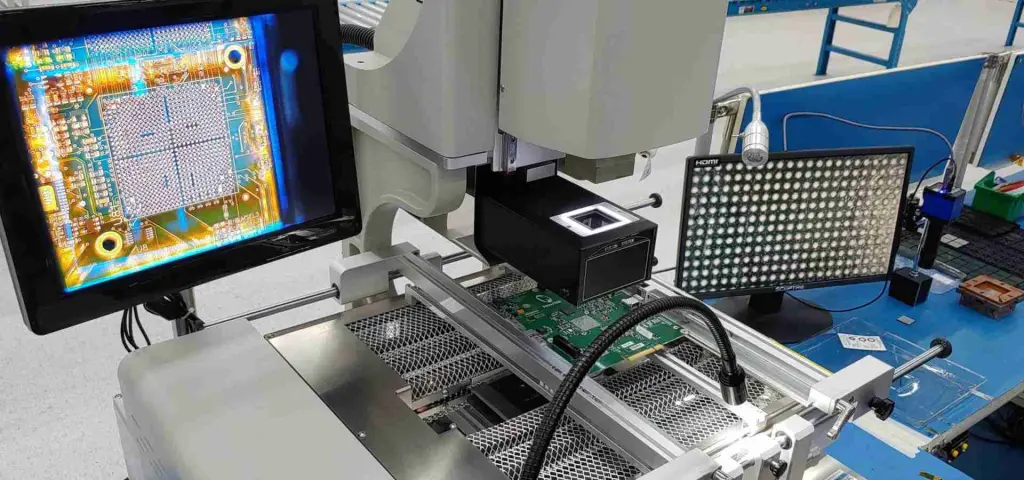
Advanced SMT Rework Techniques: A Comprehensive Guide for Professional Engineers
Master advanced SMT rework techniques for BGA and QFN components. Step-by-step processes, station calibration, solder paste optimization, and troubleshooting for professional engineers.
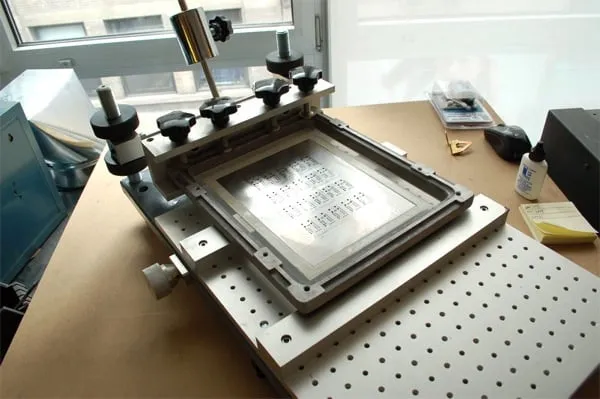
Step Up Stencil Solutions for Flex and Rigid Flex PCBs: Achieving Reliable Solder Joints on Flexible Substrates
Step up stencils tackle warpage on flex and rigid flex PCBs by delivering precise solder paste volumes for consistent deposits. This guide details technical principles, best practices like jigs and fine paste, plus troubleshooting for flex PCB stencil printing to secure reliable flexible joints in assembly processes. Ideal for engineers seeking higher yields.
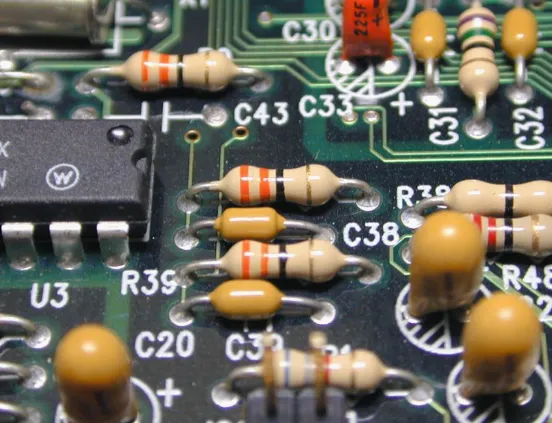
Hand Soldering Through Hole Components: A Step by Step Tutorial for Beginners
Step by step guide to hand soldering through-hole components for beginners. Covers tools, soldering iron temperature for through-hole, best solder, through-hole soldering techniques, avoiding soldering bridges, troubleshooting, and tips for reliable joints.
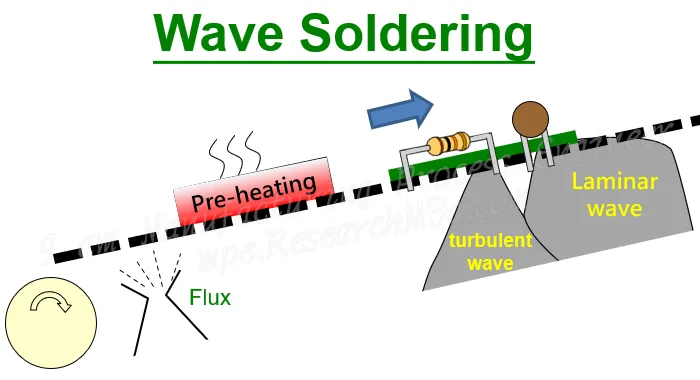
Mastering Wave Soldering for Through Hole Components: A Comprehensive Guide for Optimal PCB Assembly
This guide covers the wave soldering process for through hole components in PCB assembly. Key topics include through hole wave soldering temperature, wave soldering defects, flux selection, and optimizing wave soldering parameters for reliable joints and high yields.
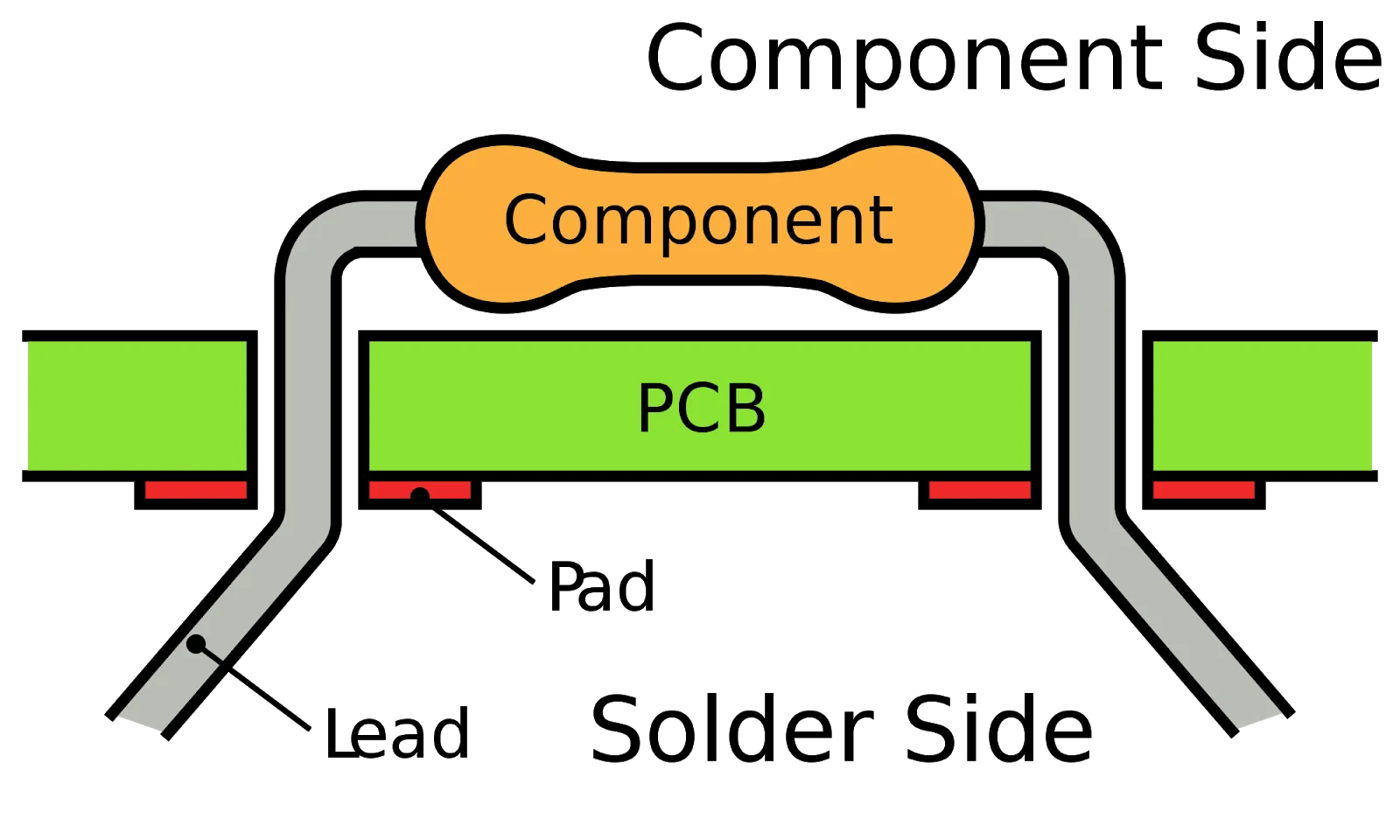
Design Rules for Through Hole Assembly: Optimizing PCB Layout for Reliability and Manufacturability
Detailed design rules for through-hole assembly cover component placement, pad size, hole size, spacing, and manufacturability to boost PCB reliability. Electrical engineers find IPC-based practices, best tips, troubleshooting, and FAQs for production-ready layouts and fewer defects.
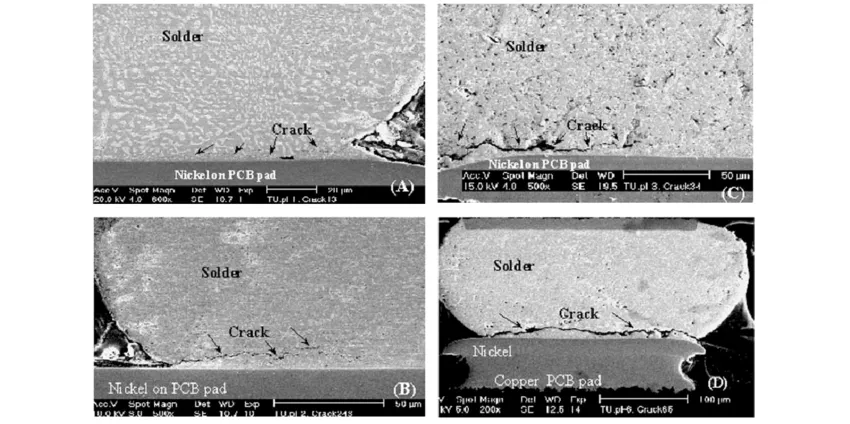
Solder Joint Reliability in PCBA: Testing Methods and Best Practices
Essential guide to PCBA solder joint reliability covering testing methods, fatigue mechanisms, failure analysis techniques, and improvement strategies. Follow industry standards like IPC-9701 for thermal cycling and shock tests to build durable assemblies for electric engineers.
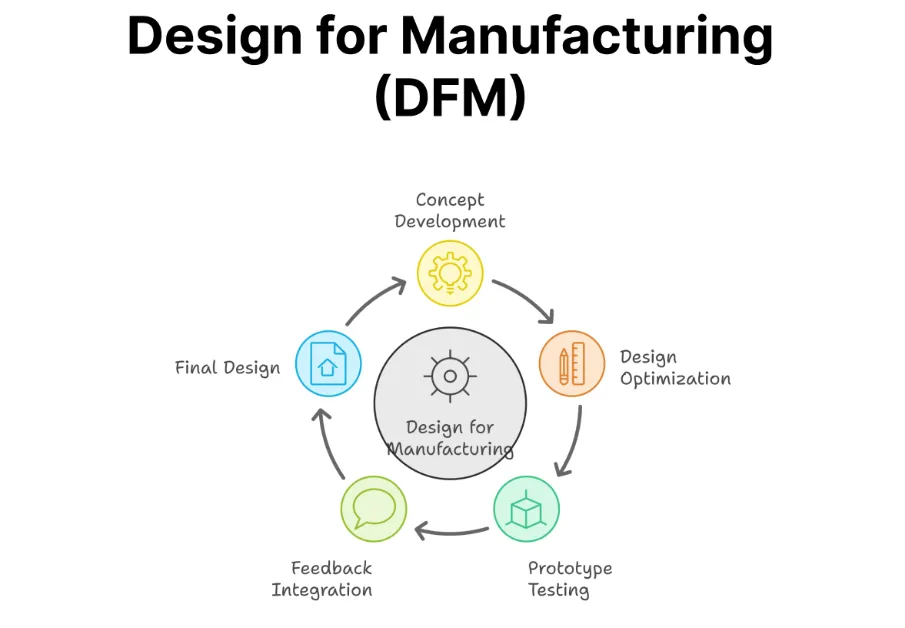
The Role of DFM in PCBA Reliability: Design for Manufacturing Excellence
Discover how robust PCBA DFM guidelines are crucial for ensuring PCBA reliability. This guide covers PCBA manufacturability principles and PCBA design optimization strategies for manufacturing excellence.
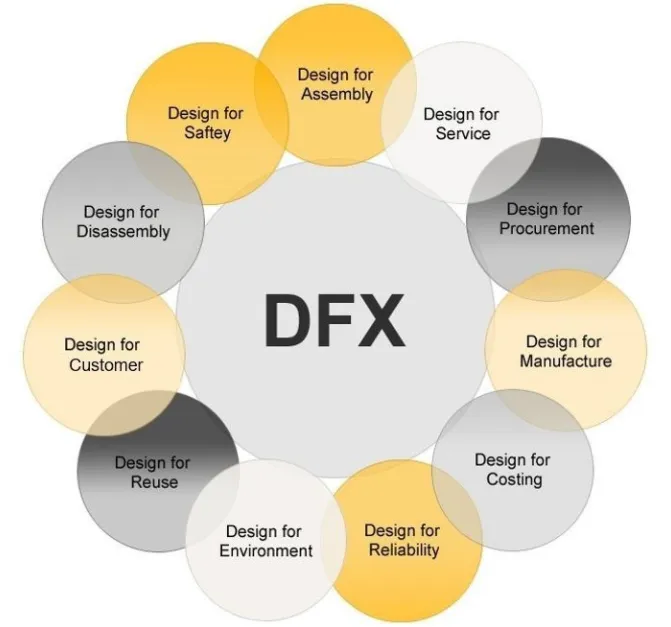
Design for Excellence (DFX) in Prototype Assembly: A Holistic Approach
Discover how a holistic Design for Excellence (DFX) approach, integrating Design for Manufacturing (DFM), Design for Assembly (DFA), and Design for Testability (DFT) guidelines, is crucial for optimizing prototype PCB assembly.
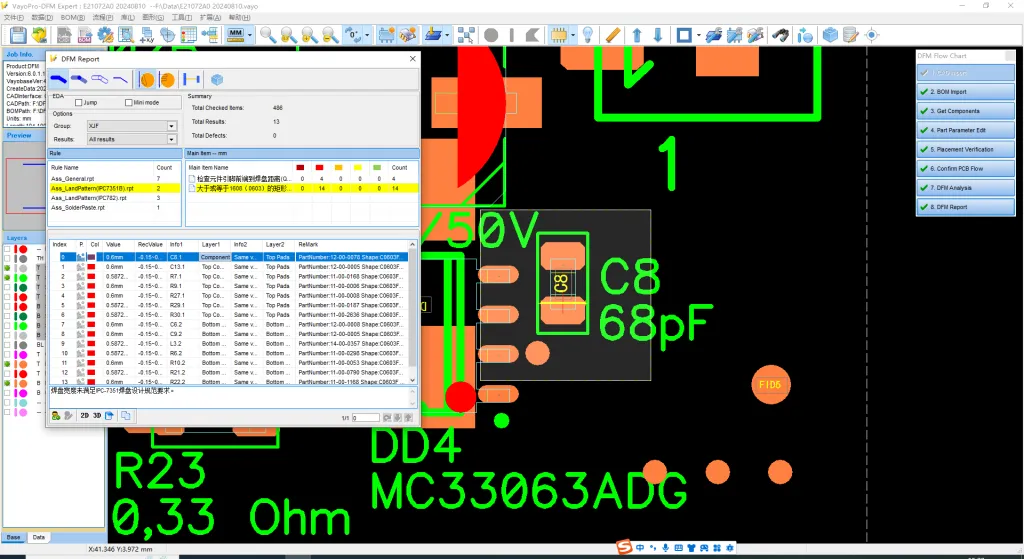
Avoiding Costly Mistakes: DFM Guidelines for Prototype PCB Assembly
Learn essential Design for Manufacturability (DFM) guidelines for prototype PCB assembly, including PCB layout review, component placement guidelines, impedance control in prototypes, and thermal management in PCB design to avoid costly mistakes.
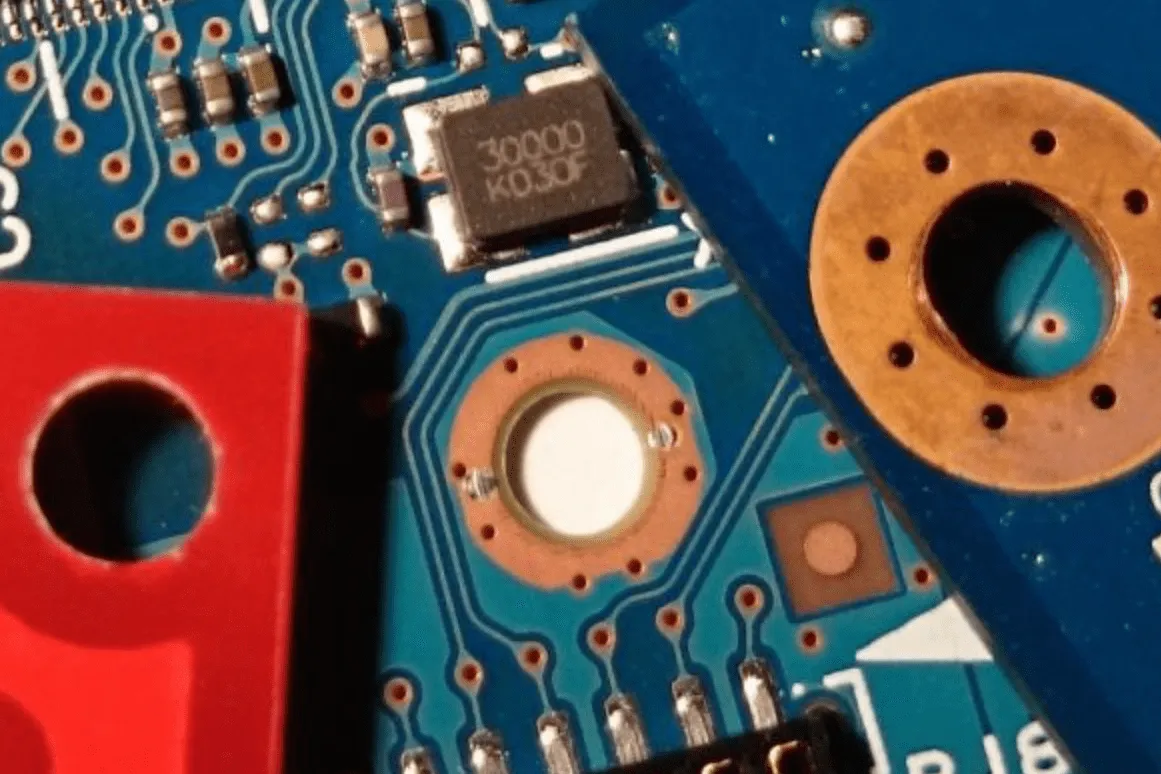
PTH vs NPTH: Defining the Core Difference
Explore the critical role of Plated Through-Holes (PTH) in PCB assembly, understanding the PTH vs NPTH distinction, their fabrication process, and how they enhance PTH reliability, PTH current carrying capacity, and facilitate complex PTH in multilayer PCBs.
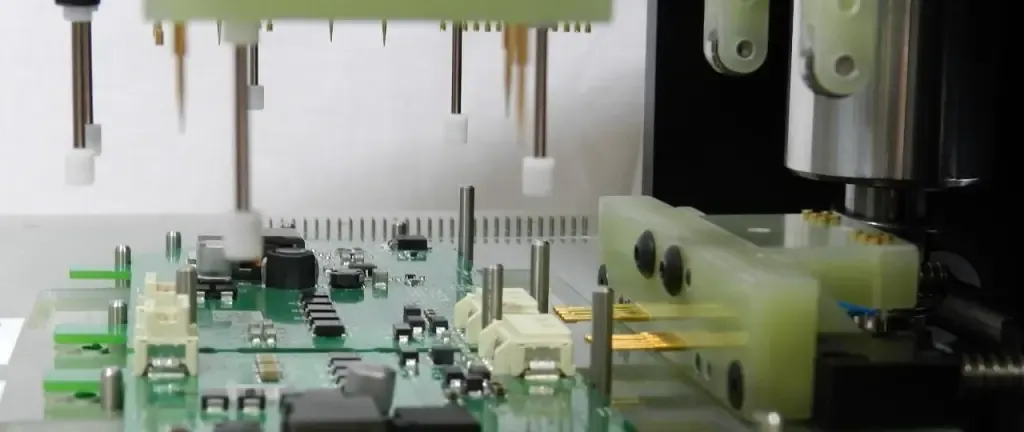
ICT Test Fixtures for PCB Testing: A Component-Level Verification Guide
Discover how ICT test fixtures deliver precise component-level verification in PCB assembly. This guide covers bed-of-nails design, shorts/opens testing, resistance & capacitance measurement, DfT best practices, and fixture maintenance to catch defects early and boost manufacturing quality.

ICT Test Fixtures vs. Manual Testing: Making the Case for Automation
Discover why ICT test fixtures outperform manual testing in PCB assembly. Learn how automation delivers 10x faster testing, 95%+ defect coverage, and major cost savings for high-volume production. Make the switch today.


