


PCB Knowledge
Printed circuit boards (PCBs) form the backbone of modern electronics, enabling everything from smartphones to industrial machinery. In our PCB Knowledge category, we delve into the essential principles, techniques, and innovations that drive this field forward. Whether you are an engineer refining your designs or a hobbyist embarking on your first project, this collection offers valuable resources to enhance your understanding and skills. The scope of PCB Knowledge spans foundational concepts such as circuit layout and component selection, extending to advanced topics like high-speed signal integrity and thermal management. We provide detailed guides that walk through design software usage, manufacturing processes, and quality assurance methods. Tutorials offer hands-on instructions for prototyping and assembly, while insights from industry experts share real-world case studies and emerging trends. Best practices emphasize reliability, cost efficiency, and compliance with standards like IPC, ensuring your projects meet professional benchmarks. The practical value lies in its direct applicability to everyday challenges. For instance, articles on troubleshooting common PCB failures can save time and resources in product development cycles. Discussions on materials science reveal how choices in substrates and coatings impact performance in harsh environments, such as automotive or aerospace applications. By addressing these elements, PCB Knowledge equips you with tools to innovate and optimize electronic systems that power renewable energy solutions, medical devices, and consumer gadgets. As you read through the articles here, you will gain a comprehensive perspective that connects theoretical knowledge with tangible outcomes. This category serves as a hub for ongoing learning, where each piece builds on the others to foster expertise in PCB technology. Stay informed on the latest advancements, from flexible PCBs to sustainable manufacturing, and apply these insights to your work for superior results.
Latest Blogs
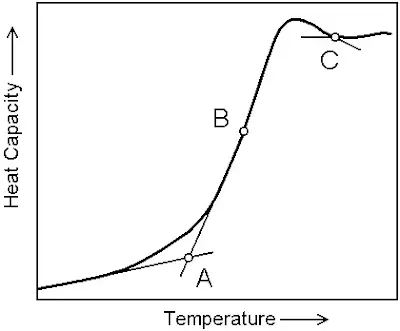
High Tg FR 4 PCB: What It Is, Benefits, and Applications
Discover what High Tg FR-4 PCB is, its key benefits over standard FR-4, critical technical specifications (Tg, Td, CTE), and primary applications in automotive, industrial, and high-reliability electronics. Learn when to upgrade.
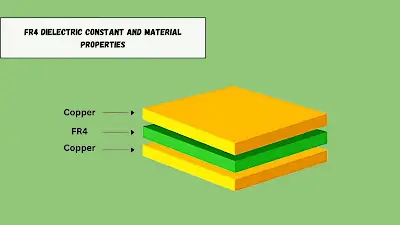
Demystifying FR 4 Manufacturing: A Step by Step Guide
Discover the complete FR-4 PCB manufacturing process in this step-by-step guide. From material preparation and inner layer etching to lamination, drilling, plating, and solder mask application—learn best practices for reliable, high-quality boards.
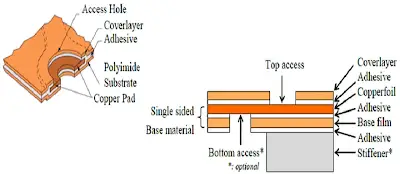
Polyimide PCB Thermal Vias: Enhancing Heat Dissipation in Flexible Designs
Discover how polyimide PCB thermal vias dramatically improve heat dissipation in flexible designs. Learn design rules, placement best practices, filled via techniques, and challenges unique to polyimide flex circuits for reliable high-power performance.
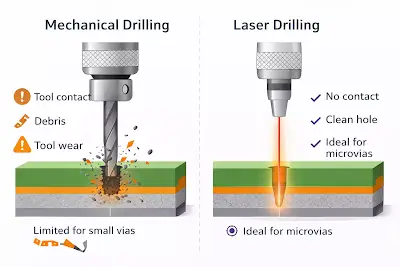
Advanced Drilling Techniques for Polyimide PCBs: Ensuring Precision and Quality
Polyimide PCB drilling demands advanced techniques to handle material toughness and heat issues. This article details mechanical and laser methods, via formation strategies, and quality controls for precise, reliable high-density boards in demanding applications like aerospace and automotive electronics.
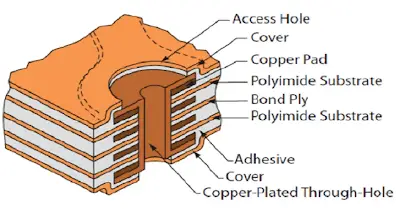
The Impact of Moisture on Polyimide PCBs: Prevention and Mitigation Strategies
Moisture absorption in polyimide PCBs leads to delamination, warpage, and reliability issues during manufacturing. Learn prevention methods like polyimide PCB baking, moisture barriers, dehumidifying storage, and handling best practices. Factory insights for electric engineers to maintain board integrity and yields. (193 characters)
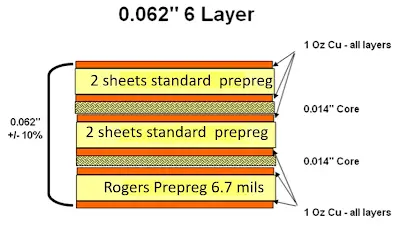
Rogers PCB Impedance Calculator: A Practical Guide
Use this guide to master Rogers PCB impedance calculator for microstrip and stripline designs. Learn calculations, PCB impedance matching steps, controlled impedance tips, and troubleshooting for high-frequency boards. Ideal for electric engineers seeking reliable RF performance.
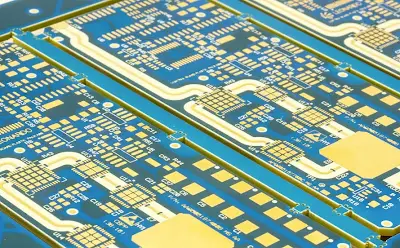
Rogers PCB for Beginners: A Simple Guide
This beginner guide explains what Rogers PCB is, its key uses in RF hobby projects, Rogers PCB vs FR4 performance differences, basic PCB design tips, and where to buy Rogers PCB. Get practical advice to build high-frequency circuits with confidence as an electronic hobbyist. (187 characters)
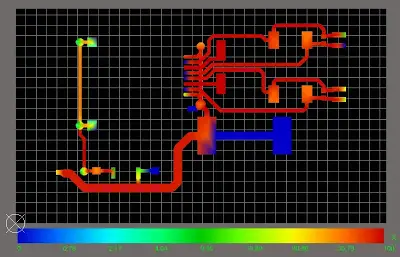
Optimize Your CEM 1 PCB Design: Mastering Trace Width and Spacing
This guide explains CEM-1 PCB trace width calculators for single-layer PCB current capacity, PCB trace spacing for CEM-1 rules, and CEM-1 design guidelines. Includes impedance matching tips and best practices for electric engineers to build reliable boards.
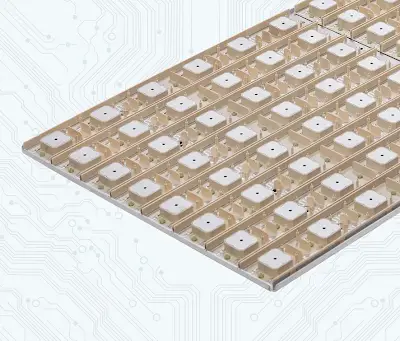
Rogers PCB Materials in 5G Infrastructure: Enabling the Next Generation of Wireless
Rogers PCB 5G materials handle high frequencies in 5G infrastructure for base stations, antennas, and backhaul. Technical properties like low dielectric loss support precise 5G PCB design. Best practices include stackups, vias, fabrication tips, and challenge solutions for reliable telecom PCB performance.
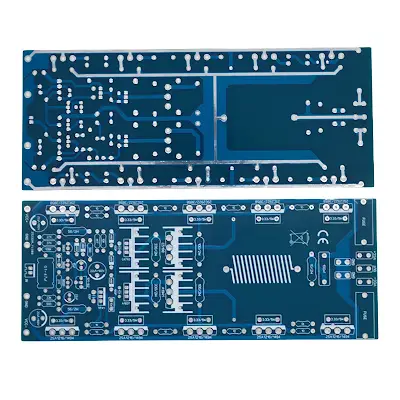
CEM 1 for Audio Amplifiers: A Cost Effective Solution for Clear Sound
CEM-1 PCB audio amplifiers provide clear sound in single-layer designs at low cost for electric engineers. Details cover thermal performance, PCB design best practices, troubleshooting issues, and standards for reliable audio electronics production.
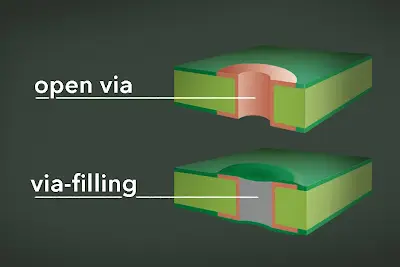
The Benefits of Using Filled Vias in High Layer Count PCBs
PCB filled vias deliver mechanical strength, thermal improvements, and reliability gains in high layer count PCBs. Details include via filling materials, reduced warpage effects, signal integrity benefits, fabrication practices, and standards for high reliability PCB designs used by electrical engineers.
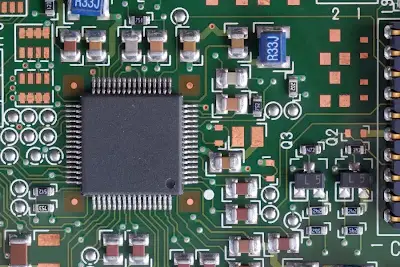
Pad to Pad Spacing and Impedance Control: A Symbiotic Relationship
Proper pad to pad spacing supports controlled impedance PCBs by preserving signal integrity and reducing crosstalk. Details trace width spacing calculation, differential pair impedance control, impedance matching techniques, and signal reflection minimization for high-speed designs. Practical advice for electric engineers building reliable boards.


