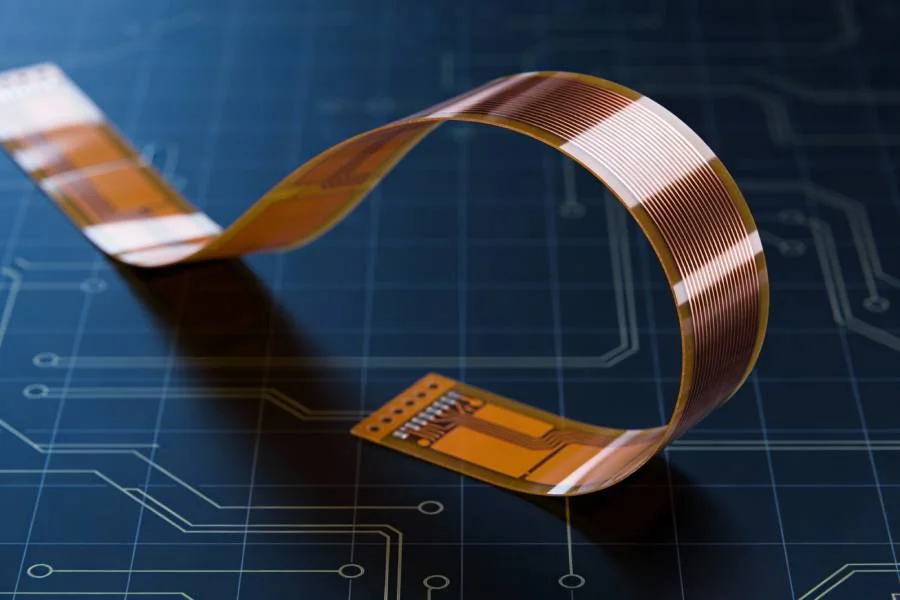
In production we accept high temperature FPC only when the stack-up uses adhesive-less polyimide or a high-Tg epoxy adhesive rated at least 20 °C above the continuous operating temperature, paired with ENIG or ENEPIG surface finish. CAM engineers reject standard acrylic-adhesive constructions and OSP finishes during DFM review for any application specified above 150 °C continuous. The flexible PCB thermal resistance of the finished board is locked by material selection and surface treatment long before the job reaches the press.
Material Limits That Appear Once Continuous Heat Is Applied
High-temperature environments expose the weak points that standard flexible materials never see in consumer applications. Polyimide itself remains stable well above 200 °C, but the adhesive layer between copper and PI is the first to soften and lose bond strength. Acrylic adhesives common in low-cost FPC begin to degrade above 120–130 °C; epoxy systems hold longer but still require Tg values above the working temperature. Copper foil treatment also matters: untreated or lightly treated ED copper loses peel strength faster under thermal aging than RA copper with proper high-temperature adhesion promoters. Coverlay adhesives follow the same rule—if the coverlay resin is not rated for the temperature class, edge lift and delamination start within the first few hundred hours of field exposure.
From the fab side we see the problem most clearly on panels that pass electrical test at room temperature but fail after a short thermal soak. The copper-PI interface develops micro-voids, and subsequent flexing or vibration opens circuits. This is why material selection for high temperature FPC is non-negotiable in the DFM checklist.
What Happens When The Wrong Stack-Up Reaches The Field
If a standard acrylic-adhesive FPC is shipped into an under-hood automotive or industrial oven environment, the adhesive softens, copper peel strength drops, and the board delaminates during thermal cycling. Surface oxidation accelerates on unprotected copper or on OSP-finished pads, creating high-resistance contacts that fail intermittent continuity checks. Coverlay edges lift, exposing copper to corrosion. In production we have seen entire lots returned after 500–1000 hours of field exposure because the flexible PCB thermal resistance was never adequate for the application. Scrap cost is secondary to the customer line-down and warranty claims that follow.
How Factories Lock Thermal Performance In Material And Process
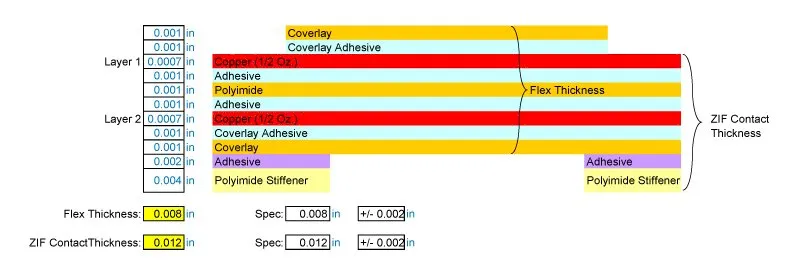
The practical control method starts at material approval. We maintain a restricted list of PI films, adhesives and copper foils qualified for continuous temperatures of 150 °C, 175 °C and 200 °C. Adhesive-less constructions are preferred whenever the customer can accept the higher material cost because they eliminate the weakest interface. When adhesive is required, only systems with published Tg ≥ 180 °C and proven peel-strength retention after 1000 h at temperature are released. Copper weight is kept moderate—usually 1 oz or less—because thicker copper increases residual stress during thermal cycling.
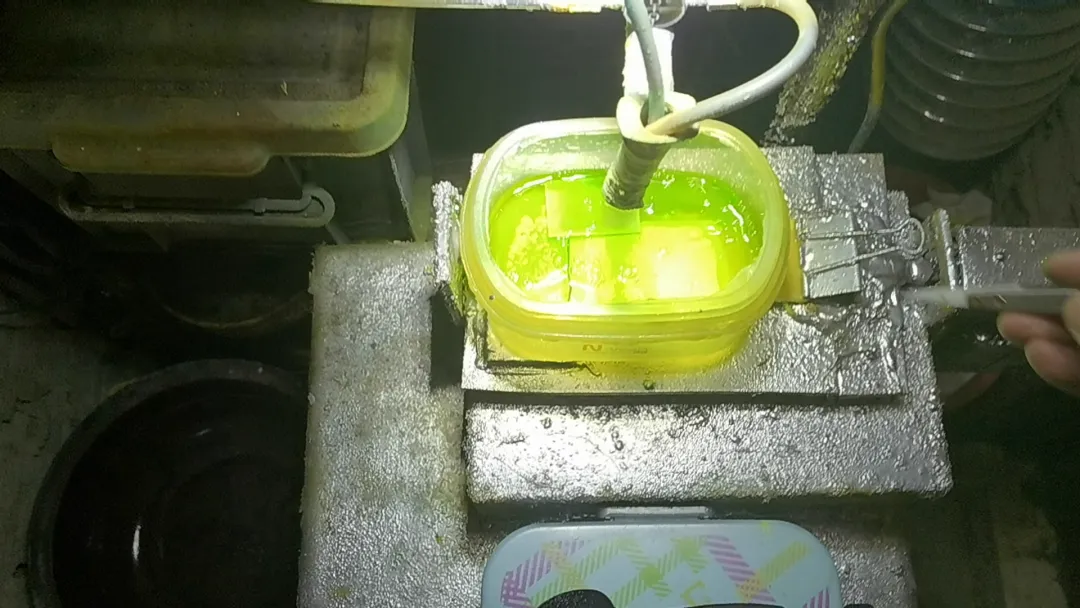
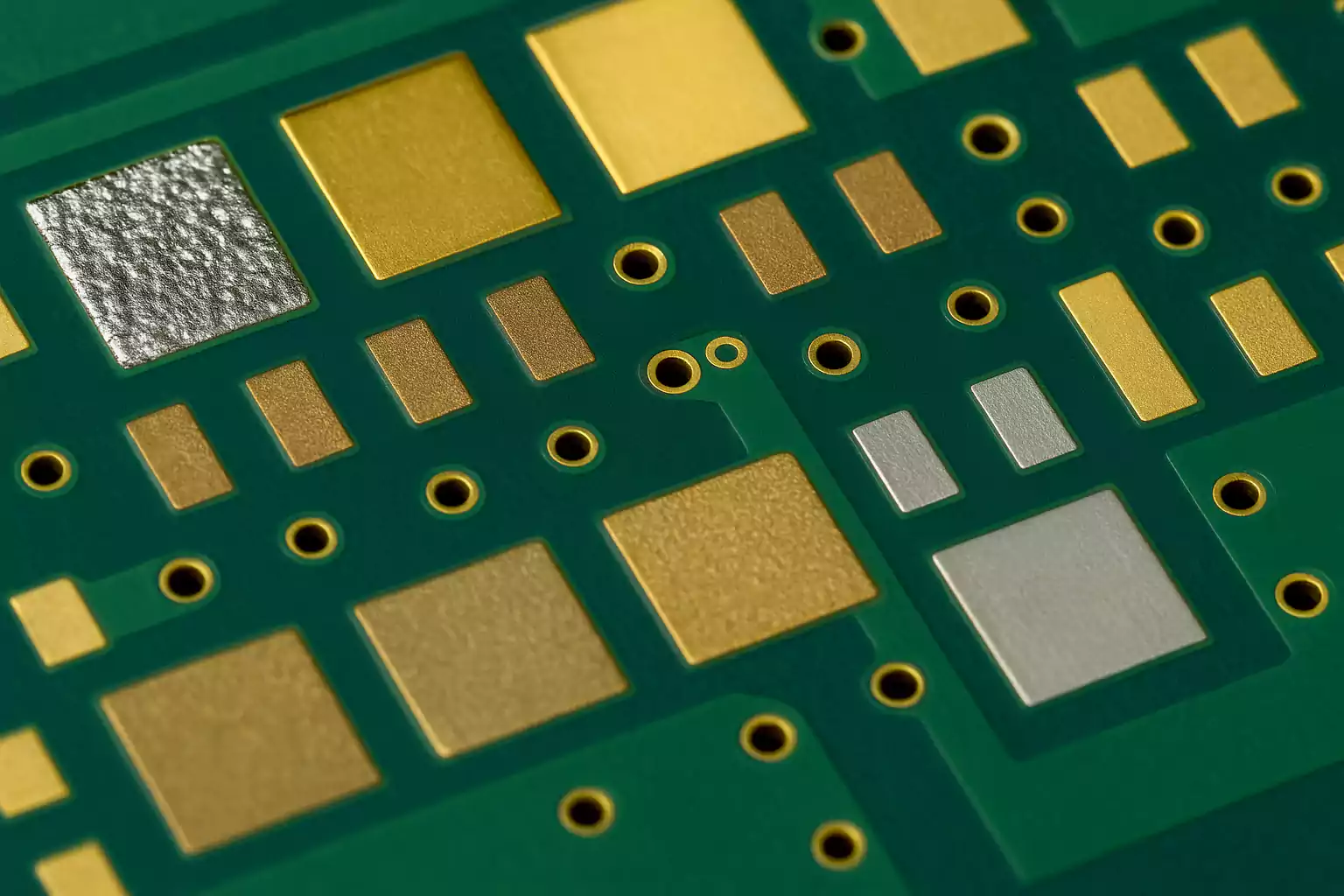
Surface finish is restricted to ENIG or ENEPIG for any high-temperature application. These finishes provide a stable barrier against oxidation and maintain solderability after multiple high-temperature exposures. HASL is avoided because the residual solder can reflow or form intermetallics that embrittle the joint. OSP is rejected outright above 125 °C continuous. Coverlay and stiffener adhesives follow the same temperature rating as the base adhesive. During lamination we raise the press temperature and extend the dwell time to ensure full cure of the high-Tg resins; under-cured adhesive is a common cause of later field failure.
CAM also checks copper balance and coverlay opening design. Large open copper areas without coverlay are flagged because they oxidize faster and can create local hot spots. For automotive and industrial designs we add extra fiducials and require full thermal-aging qualification data before the first production lot is released.
When Lower Temperature Materials Can Still Be Released
Exceptions exist for applications whose peak temperature is short-duration only—for example, a brief 200 °C reflow profile with continuous operation remaining below 105 °C. In those cases a standard high-quality acrylic system may be accepted if the customer signs off on the limited thermal life. Non-critical industrial sensors that never see vibration or flexing after installation can also use slightly lower-rated materials. The trade-off is always documented: reduced field life expectancy and the requirement that the customer perform their own thermal qualification. We never release these exceptions for under-hood automotive, aerospace, or continuous high-heat industrial zones.