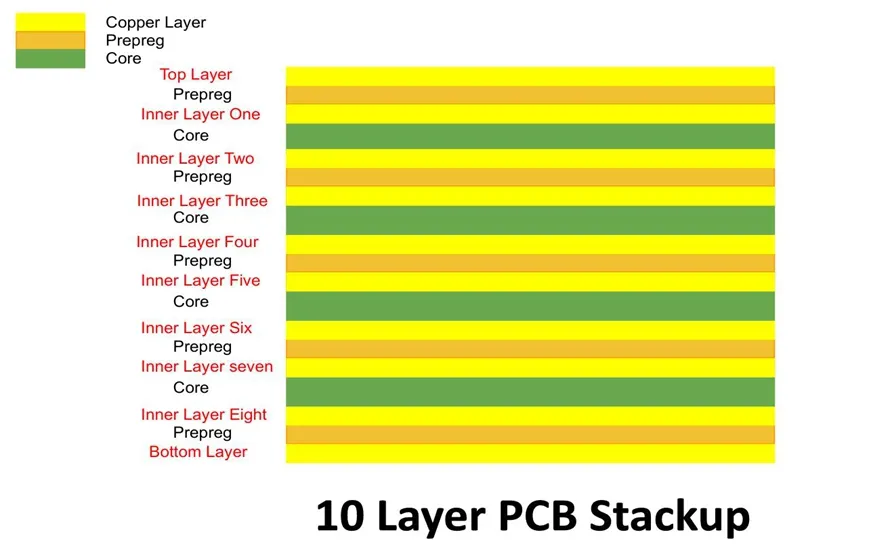
Mastering 10-Layer PCB Stackup: Essential for High-Speed Electronics
Discover how a 10-layer PCB stackup optimizes high-speed designs. Learn about impedance control, signal integrity, and material selection for peak performance in complex circuits.
Printed circuit boards (PCBs) form the backbone of modern electronics, serving as the essential platform for connecting components in devices ranging from smartphones to industrial machinery. In our PCB Types category, we delve into the diverse array of PCB designs and configurations available today, exploring how each type addresses specific engineering challenges and performance needs. Whether you are a hobbyist building a prototype or an engineer optimizing for high-frequency applications, understanding these variations is crucial for selecting the right board for your project. The scope of PCB Types encompasses everything from single-layer boards ideal for simple circuits to complex multilayer designs that support advanced signal integrity and thermal management. We cover rigid, flexible, and rigid-flex PCBs, along with specialized options like high-density interconnect (HDI) and metal-core boards used in power electronics. This category highlights the practical value of these choices, such as enhancing durability in automotive systems or enabling compact designs in wearable technology. By examining real-world applications, from consumer gadgets to aerospace equipment, readers gain insights into how PCB selection influences reliability, cost efficiency, and overall system performance. Our articles provide comprehensive guides on evaluating PCB types for different environments, tutorials on assembly techniques, and best practices for material selection to avoid common pitfalls. We also share expert insights into emerging trends, such as eco-friendly substrates and advancements in 5G-compatible boards. These resources equip professionals and enthusiasts with the knowledge to innovate and troubleshoot effectively. As you navigate through the posts in this category, you will discover strategies to apply in your own designs, fostering a deeper appreciation for the technical nuances that drive electronic innovation.
Discover how a 10-layer PCB stackup optimizes high-speed designs. Learn about impedance control, signal integrity, and material selection for peak performance in complex circuits.
Explore FR-4 PCB design for wearable technology: Master miniaturization, low-power layouts, flexible FR-4, sensor integration, Bluetooth optimization, and fitness tracker specifics. Achieve lightweight boards under 5g with IPC-4101C standards—key for 2025 smartwatches.
Enhance high temperature PCB reliability with High Tg PCBs. Learn thermal management for automotive and aerospace electronics.
Dive into multilayer FR-4 PCBs: Explore stackup strategies, PCB routing techniques, via design, signal integrity, power distribution, and high-density manufacturing. Boost performance with IPC-4101C standards—essential for 2025 IoT and 5G innovations.
Discover PCB surface finish types like HASL, ENIG, immersion silver, OSP, and ENEPIG: Optimize for solderability, corrosion protection, and reliability on FR-4 boards. Achieve 99% yields with IPC-4552 standards—essential for 2025 high-density assembly.
Learn how to design effective 12 layer PCB stackups for high-speed and high-performance electronics. This guide covers impedance control, signal integrity, material selection, layer arrangement, and best practices to optimize your multilayer PCB for reliable high-frequency operation.
Learn everything about stacked vias in HDI PCBs — design rules, aspect ratios, copper filling, stacked vs staggered trade-offs, manufacturing process, reliability challenges (cracking, thermal stress), and IPC-2226 guidelines. Essential reading for high-density, high-reliability designs in AI, 5G, and medical electronics.
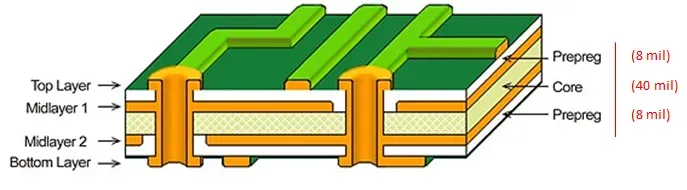
Learn how to design an efficient 4-layer PCB stackup to improve signal integrity, minimize noise, and optimize performance for modern electronic devices.
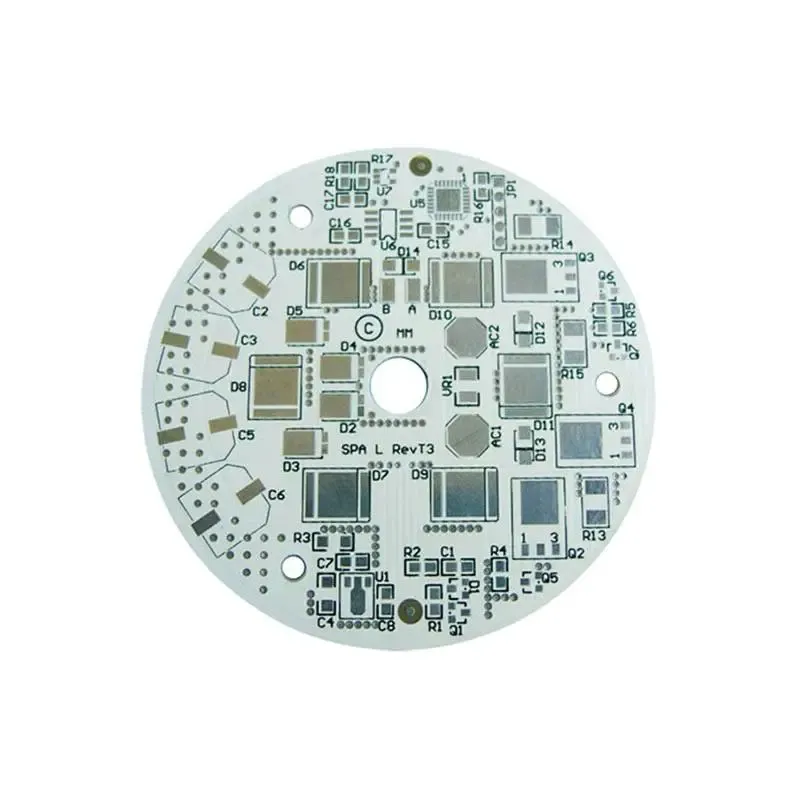
Discover practical techniques for soldering aluminum PCBs, including optimal temperatures, solder paste selection, and methods for both reflow and hand soldering.
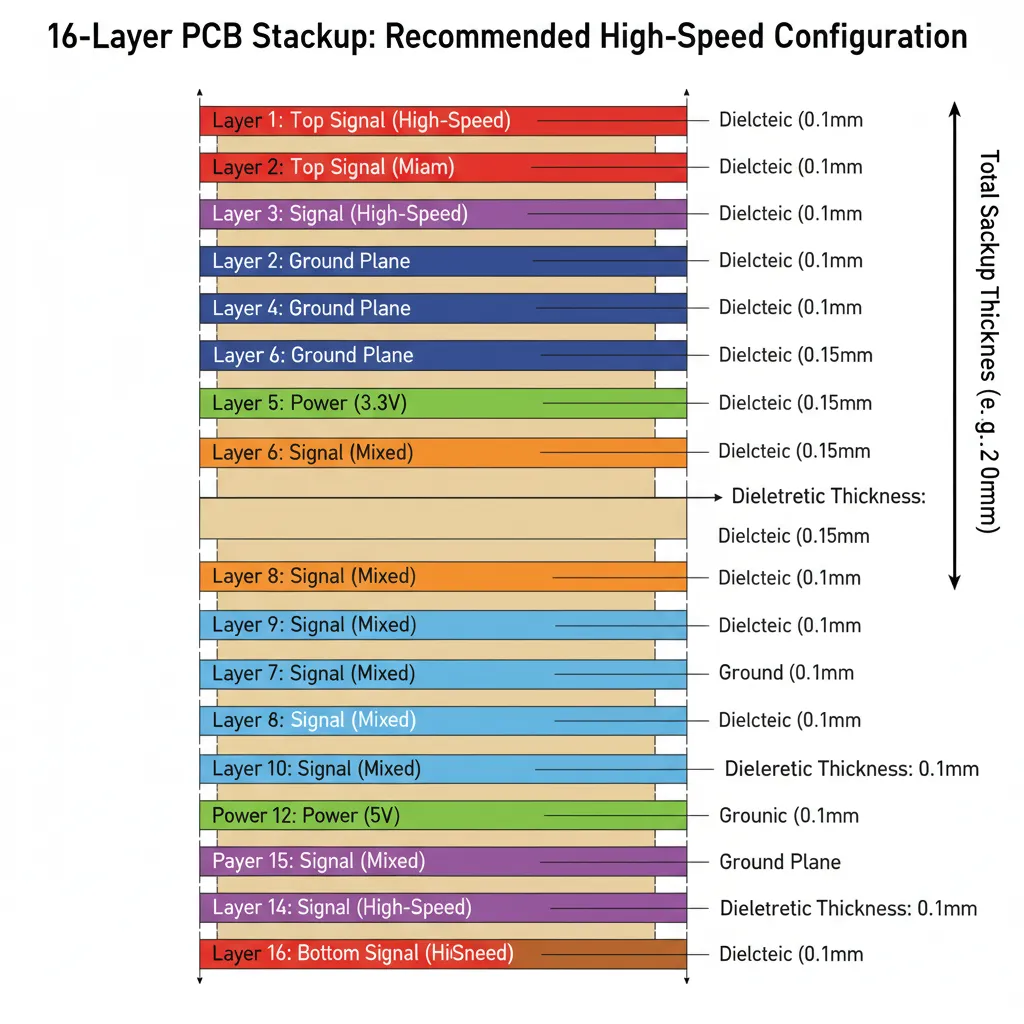
Explore key principles for a 16-layer PCB stackup, including optimal layer arrangement, signal integrity, and power distribution, to create robust boards for complex applications.
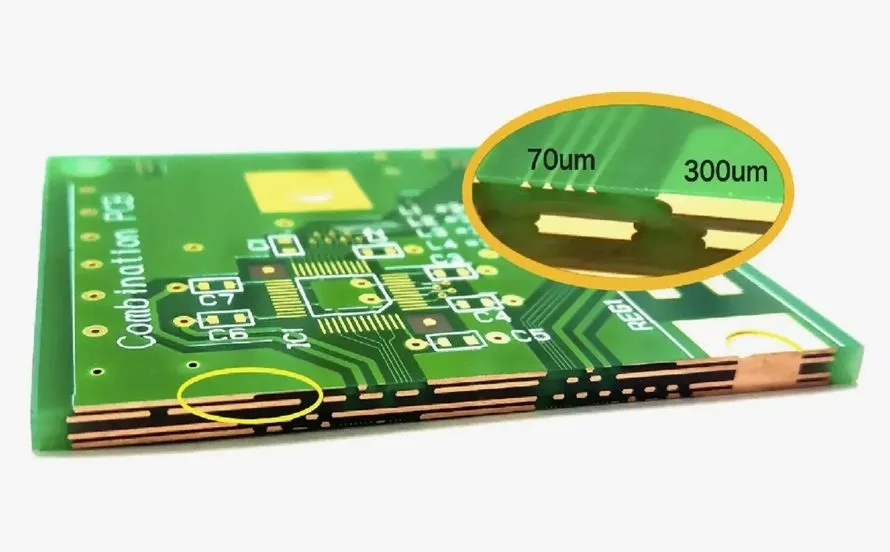
Optimize PCB designs by understanding copper weight. This guide explains its impact on current capacity, thermal performance, and IPC standards for trace thickness.
Master 4-layer pcb design with our expert 4-layer pcb tutorial. Learn essential 4-layer pcb design guidelines, stackup configurations, and 4-layer pcb design rules to ensure signal integrity and EMI control.