










PCB Types
Printed circuit boards (PCBs) form the backbone of modern electronics, serving as the essential platform for connecting components in devices ranging from smartphones to industrial machinery. In our PCB Types category, we delve into the diverse array of PCB designs and configurations available today, exploring how each type addresses specific engineering challenges and performance needs. Whether you are a hobbyist building a prototype or an engineer optimizing for high-frequency applications, understanding these variations is crucial for selecting the right board for your project. The scope of PCB Types encompasses everything from single-layer boards ideal for simple circuits to complex multilayer designs that support advanced signal integrity and thermal management. We cover rigid, flexible, and rigid-flex PCBs, along with specialized options like high-density interconnect (HDI) and metal-core boards used in power electronics. This category highlights the practical value of these choices, such as enhancing durability in automotive systems or enabling compact designs in wearable technology. By examining real-world applications, from consumer gadgets to aerospace equipment, readers gain insights into how PCB selection influences reliability, cost efficiency, and overall system performance. Our articles provide comprehensive guides on evaluating PCB types for different environments, tutorials on assembly techniques, and best practices for material selection to avoid common pitfalls. We also share expert insights into emerging trends, such as eco-friendly substrates and advancements in 5G-compatible boards. These resources equip professionals and enthusiasts with the knowledge to innovate and troubleshoot effectively. As you navigate through the posts in this category, you will discover strategies to apply in your own designs, fostering a deeper appreciation for the technical nuances that drive electronic innovation.
Latest Blogs
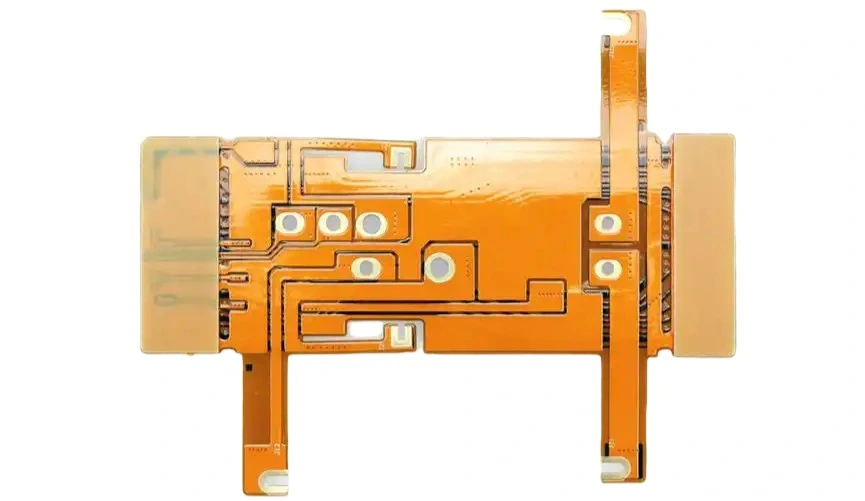
Adhesiveless Flexible PCBs: Advantages for High-Performance Applications
Adhesiveless flexible PCB benefits deliver superior flexibility, thermal stability, and reliability for demanding applications. Learn manufacturing processes, polyimide materials, direct bonding techniques, and IPC standards for enhanced performance in aerospace, telecom, and medical devices.
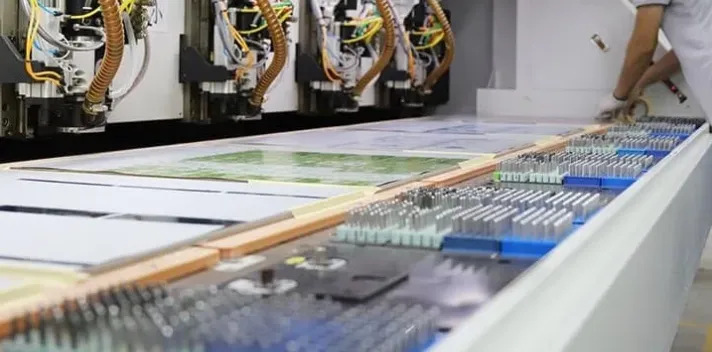
Drilling Down: Optimizing Drilling Parameters for Multilayer PCB Fabrication
Refine the PCB drilling process for multilayer fabrication with tips on drill bit selection, speed and feed rates, and hole quality in PCBs. Compare laser drilling vs mechanical drilling to ensure precise vias, minimal defects, and reliable performance in high-density designs.
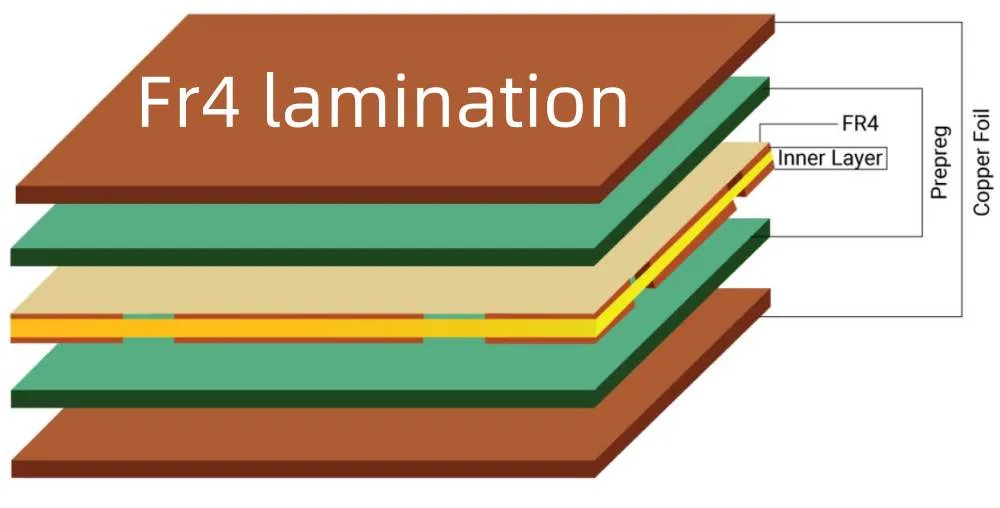
The Art of Lamination: Achieving Perfect Layer Bonding in Multilayer PCBs
The PCB lamination process creates strong bonds in multilayer PCBs through controlled pressure, temperature, prepreg selection, and vacuum techniques. Prevent defects like voids, delamination, and warpage with factory best practices. Essential for electric engineers building reliable high-density boards.
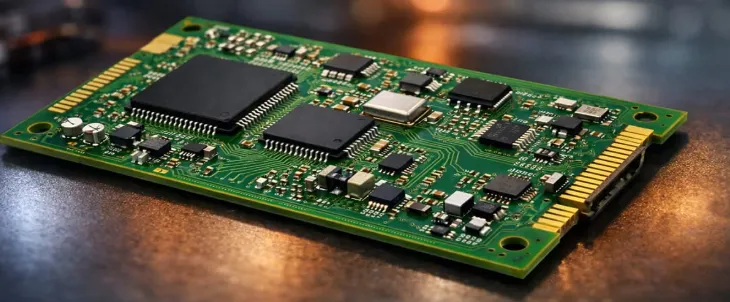
Rigid PCB Industry Trends: What's New in Materials, Technology, and Applications?
Rigid PCB industry trends 2024 focus on high Tg materials, HDI fabrication, and applications in EVs telecom data centers. Rigid PCB market analysis covers growth drivers challenges standards IPC-6012E best practices for electrical engineers building reliable boards.
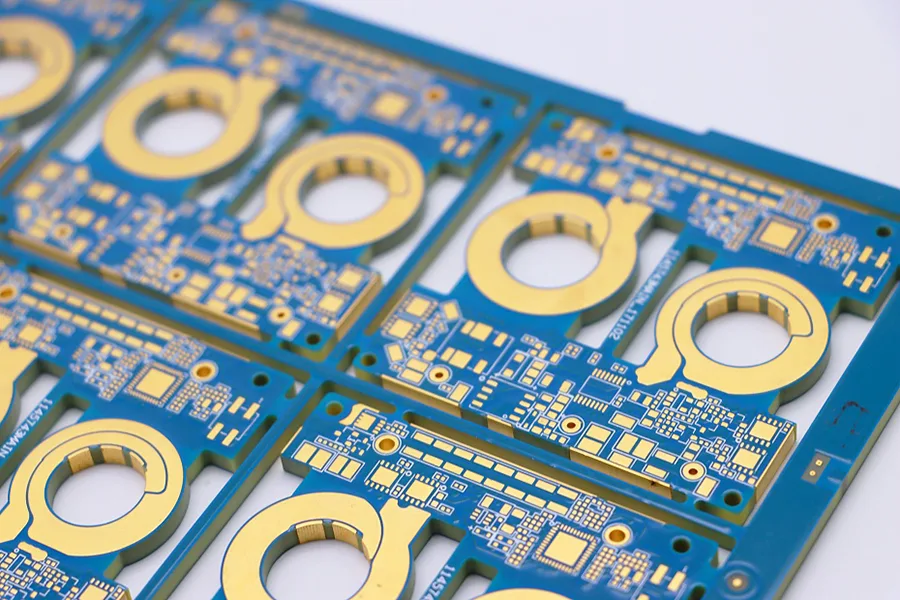
Heavy Copper PCBs: Advantages of Using Double-Sided Designs
Heavy copper double-sided PCBs handle high currents with thick traces on both sides, cutting resistance and heat buildup. They offer mechanical durability, cost-effective manufacturing, and space savings over multilayer boards. Perfect for power supplies and inverters, with design tips for optimal high current PCB performance.
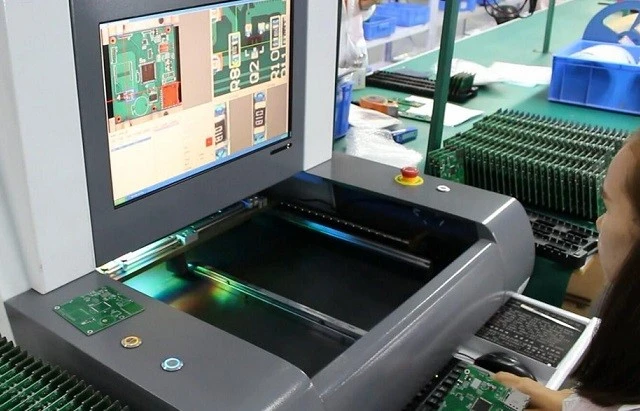
Quality Control and Testing Procedures for Double-Sided PCBs
Double-sided PCB quality control involves inspections like AOI and tests such as ICT to ensure reliability in manufacturing. This guide covers fabrication stages, common defects, best practices, troubleshooting, and standards for electrical engineers seeking high yield and performance.
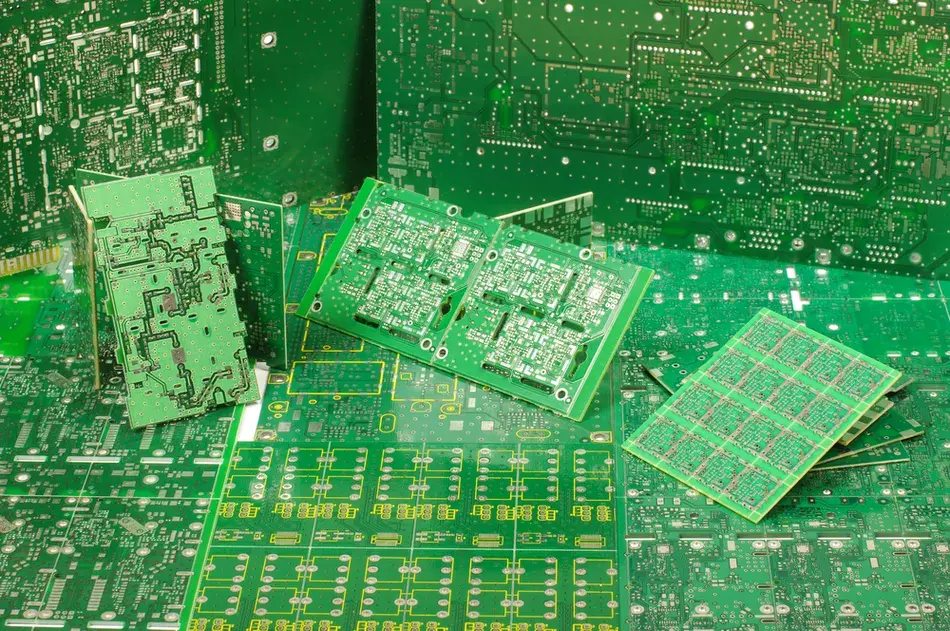
Single-Sided PCB: The Backbone of Simple Remote Controls
Single-sided PCBs support simple remote controls with low-cost, reliable designs for consumer products. This article covers single-sided PCB manufacturing for remotes, a single-sided PCB remote control example, benefits of single-sided PCBs, and practical tips for electric engineers.
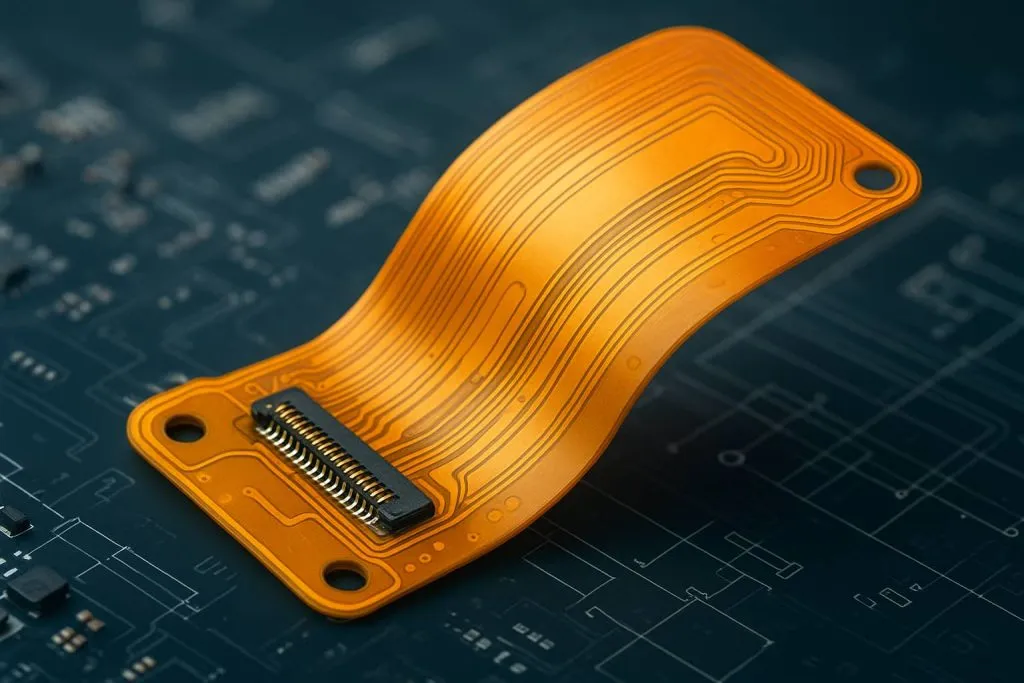
Choosing the Right Materials for Your Flex-to-Install PCB: A Comparative Analysis
Polyimide vs PET flex PCB material comparison for flex-to-install boards covers thermal stability, bend performance, costs, and substrate selection tips. Electrical engineers gain insights on high temperature and cost-effective flex PCB materials per IPC standards for reliable designs.
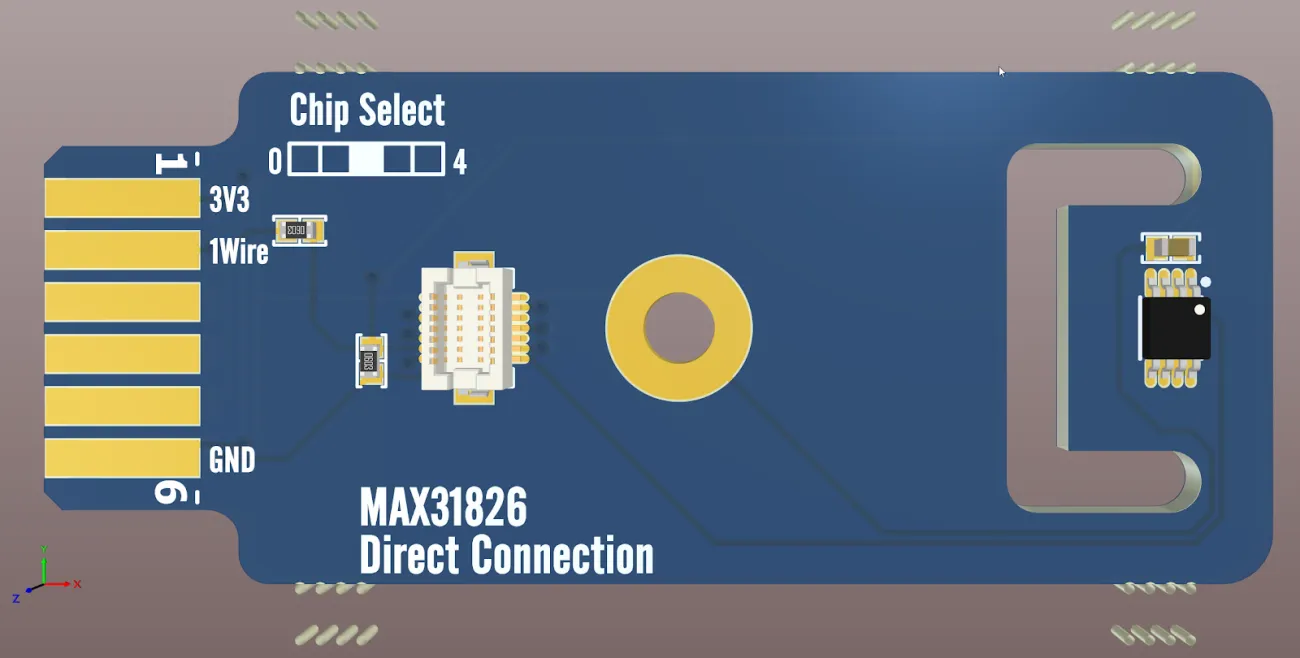
Building a High-Temperature Sensor Circuit on a Ceramic PCB
Electronic hobbyists can build a reliable ceramic PCB temperature sensor circuit for high-heat environments like engines or furnaces. This guide covers principles, design, component choices, assembly steps, testing methods, and troubleshooting for accurate sensor circuit design in tough sensor projects.
The Role of Epoxy Resin in Flexible PCBs: Advantages and Limitations
Epoxy resin in flexible epoxy resin PCBs delivers strong bonds, heat resistance, and low moisture absorption for static designs. Yet it limits dynamic flex life compared to acrylic options. This article details pros, cons, best practices, applications, and IPC standards to guide electric engineers in flexible PCB materials choices.
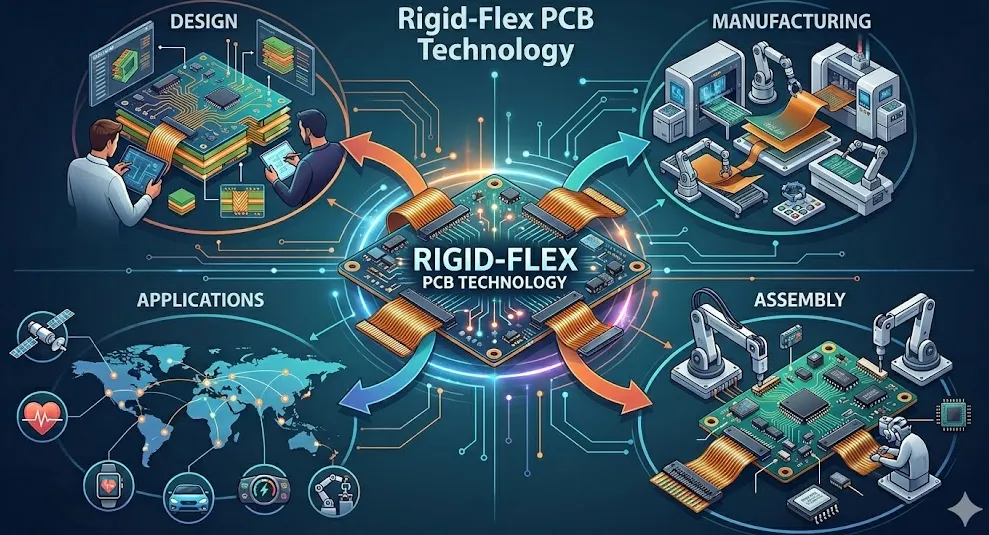
Rigid-Flex PCB Technology: A Complete Guide to Design, Manufacturing, Assembly, and Applications
Master Rigid-Flex PCB technology with our comprehensive hub. From expert Rigid-Flex PCB Design and Manufacturing to precision Assembly and global Applications, explore everything you need for high-reliability 3D electronics.
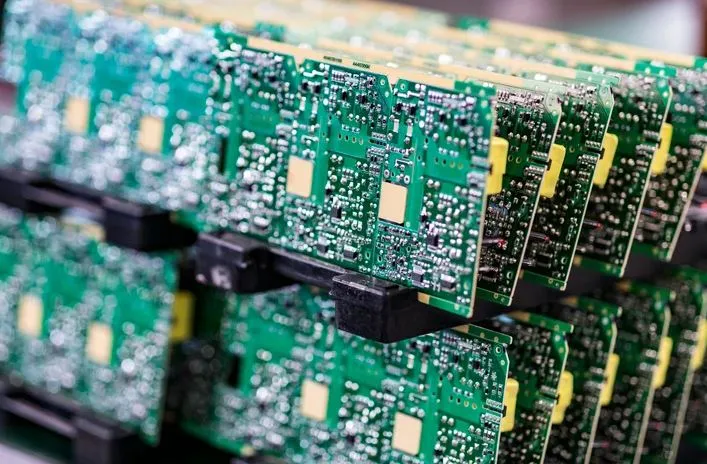
Lead-Free PCB Storage: Preventing Degradation and Ensuring Solderability
Lead-free PCB storage conditions at 15 to 30C and 40 to 65 percent RH prevent degradation and ensure solderability. Manage shelf life up to 12 months with humidity control, oxidation prevention, and testing protocols for reliable assembly results.


