








RF & Wireless Technology
In the rapidly evolving field of electronics, RF & Wireless Technology stands as a cornerstone for modern connectivity and communication systems. This category delves into the principles and applications of radio frequency (RF) engineering and wireless protocols, essential for designing efficient printed circuit boards (PCBs) that power everything from smartphones to satellite systems. As devices become increasingly interconnected, understanding RF fundamentals ensures reliable signal transmission, minimal interference, and optimal performance in diverse environments. Our collection of articles offers comprehensive guides on RF circuit design, including antenna selection, impedance matching, and signal modulation techniques. Tutorials provide step-by-step instructions for implementing wireless standards such as Wi-Fi, Bluetooth, and 5G, while insights explore emerging trends like IoT integration and millimeter-wave technologies. Best practices focus on troubleshooting common issues, such as electromagnetic compatibility and power efficiency, helping engineers avoid pitfalls in real-world projects. The practical value of RF & Wireless Technology extends to numerous industries, from telecommunications and automotive systems to healthcare devices and smart cities. By mastering these concepts, professionals can develop innovative solutions that enhance data transfer speeds, extend battery life, and support seamless connectivity. Whether you are optimizing PCB layouts for high-frequency operations or evaluating wireless security measures, the knowledge here equips you to tackle complex challenges with confidence. Readers will find value in browsing through these resources to gain a deeper understanding of how RF principles drive technological advancements. Each article builds on core concepts, offering actionable advice that bridges theory and practice for engineers at all levels.
Latest Blogs

Why Digital Twins Matter in Telecommunications
Digital twin applications in telecommunications: building virtualized end-to-end twins for simulation, parameter optimization, closed-loop deployment, and 6G autonomous networks.
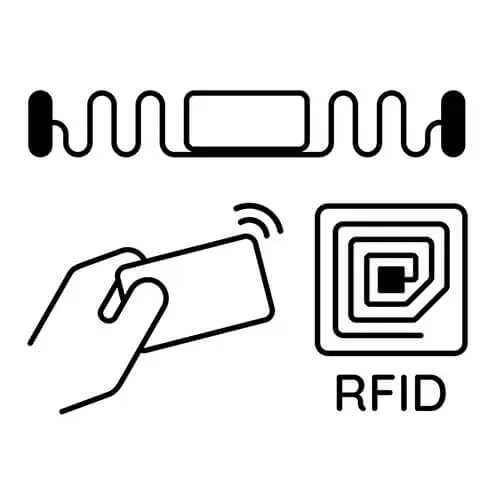
Structure and Functional Modules of Electronic Tag Chips
Technical overview of electronic tag chips, describing structure and module functions including power circuit, clock, demodulator/codec, controller, memory, and load modulation.

DEVM in FEM RF Amplifier Output Power
Technical overview of RF front-end modules (FEM) and RF amplifier performance, explaining EVM vs DEVM metrics and DEVM impact on Wi-Fi 6 transmit power and signal quality.

Difference Between CNR and SNR
Explains carrier-to-noise ratio (CNR/C/N), methods to calculate and measure CNR in dB, and the distinction between CNR and SNR for RF vs baseband signal quality.
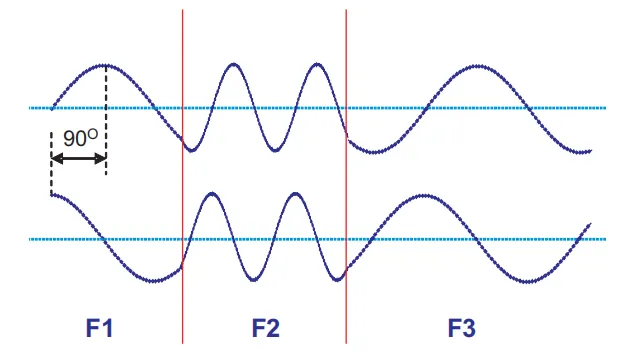
Digital Downconversion and Upconversion Explained
Comparison of conventional superheterodyne and SDR architectures explaining digital downconversion (DDC) and digital upconversion (DUC), decimation and interpolation.

TDD vs FDD Wireless Duplexing Technologies
Technical comparison of TDD and FDD duplexing in LTE: principles, PHY frame differences, use cases, trade-offs and measured device power consumption.
Analyzing Antennas from Oscillator Equations
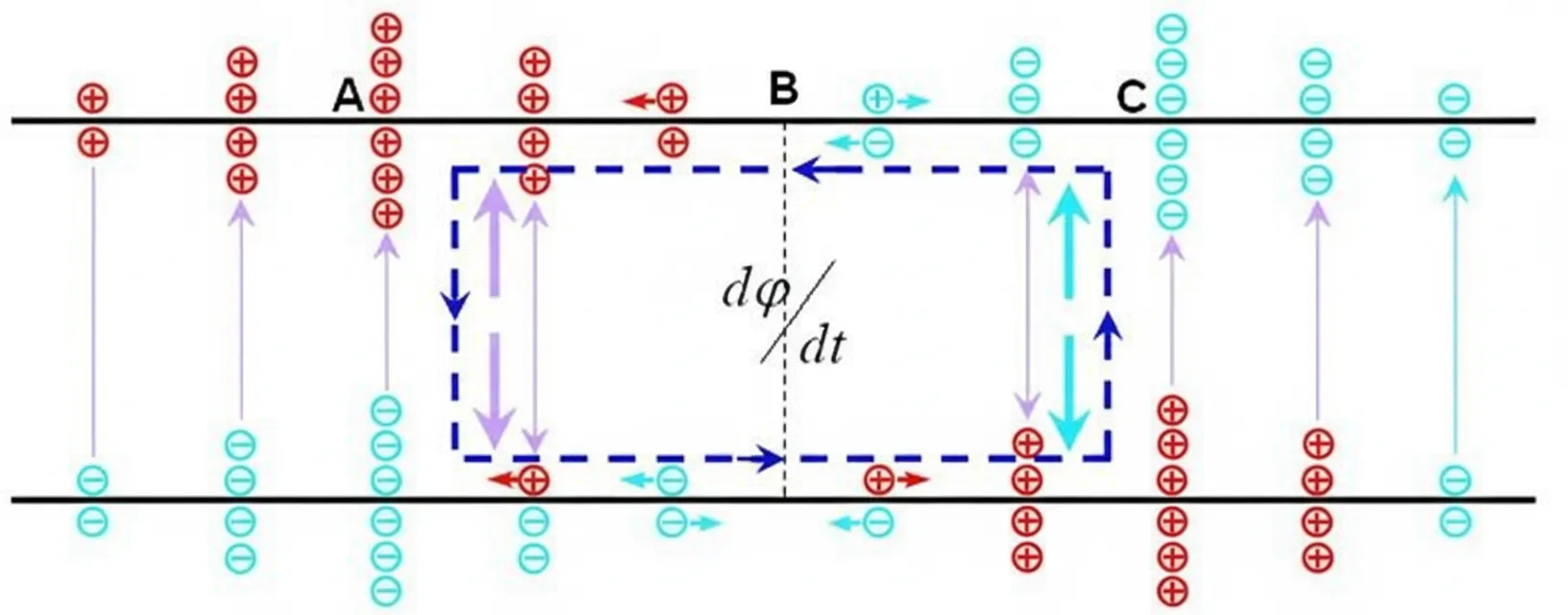
Analyzes antenna radiation from oscillator principles, detailing standing wave charge motion, breaking conductor balance, resonance, and near/far-field implications.
Understanding Wave Reflection in RF Design
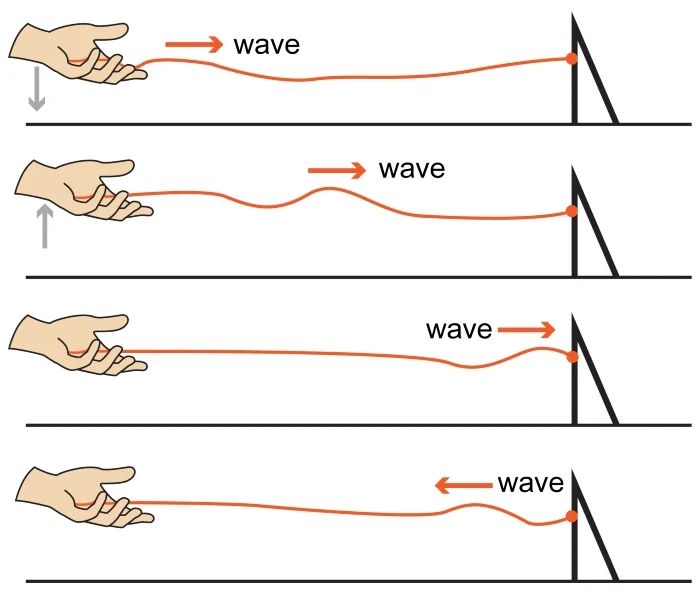
Overview of transmission line behavior in RF design, explaining reflection coefficient, return loss and VSWR and their impact on impedance matching and power transfer.
Lunar Relay Coverage: Needs and Challenges
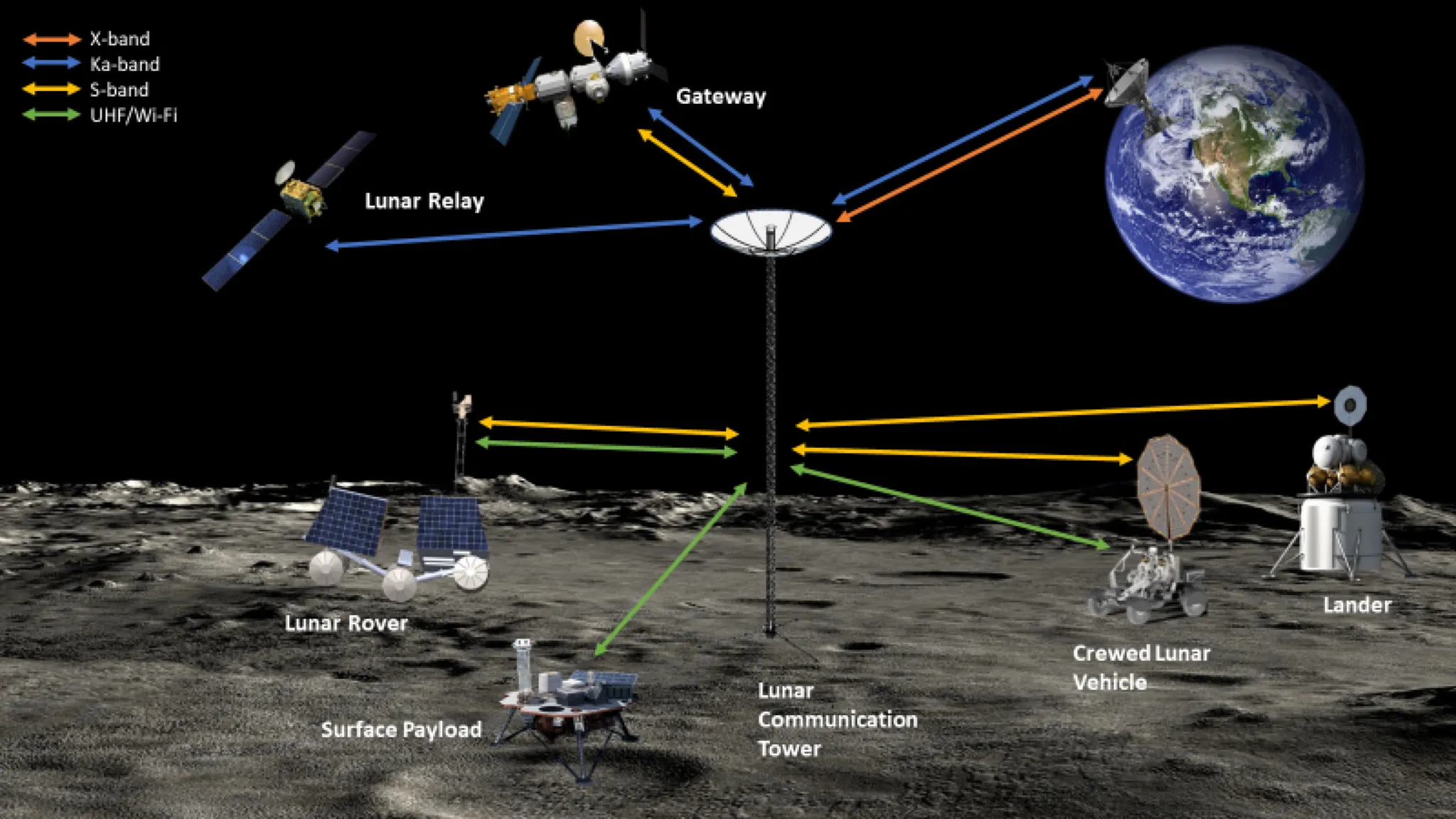
Technical summary of the Perseus 24-satellite lunar relay: frozen 12-hour orbits, K/S/X-band payloads, and coverage, capacity and ground-segment design for lunar communications.
Pioneers of Early Antenna Development
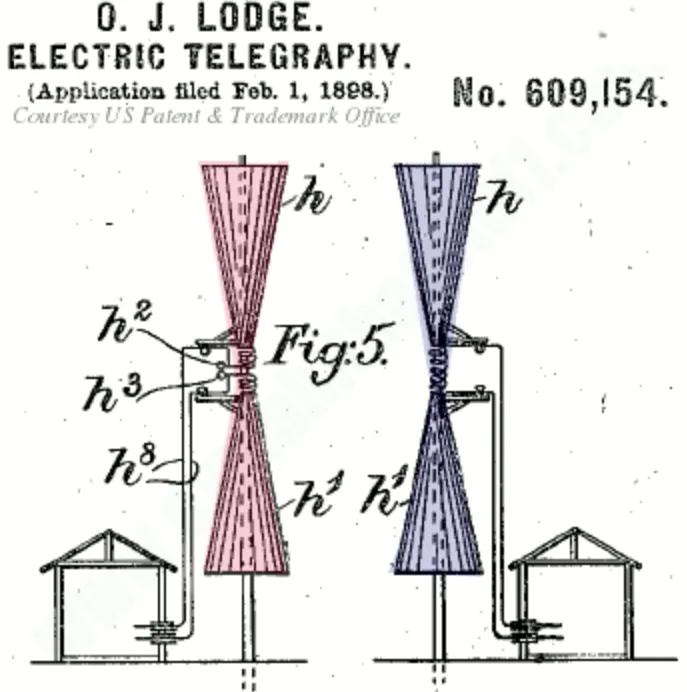
History of antenna development and early radio: Maxwell and Hertz’s electromagnetic theory and pioneers Lodge, Popov, and Marconi building practical systems.
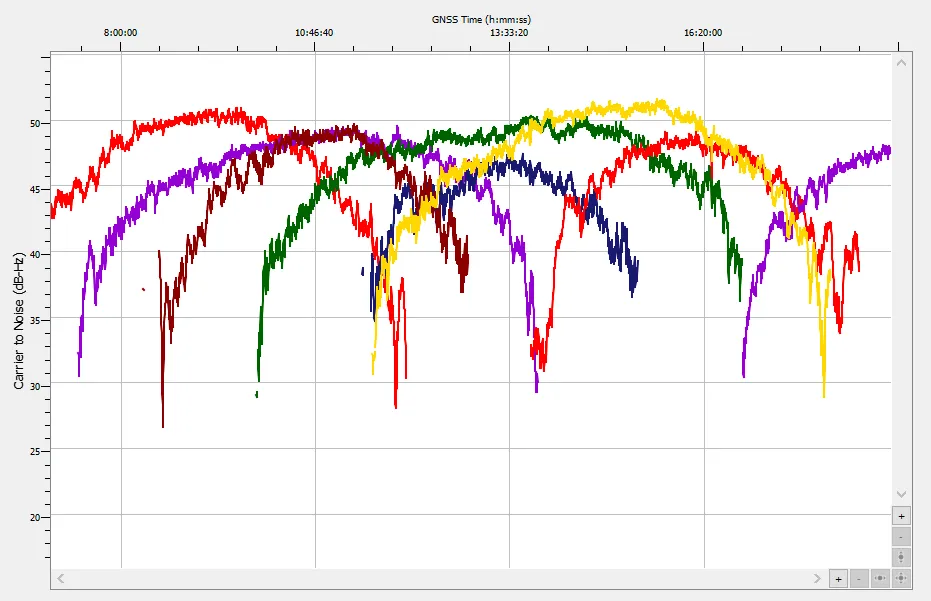
Carrier-to-Noise Ratio Fundamentals
Technical overview of carrier-to-noise ratio (CNR) and practical measurement methods using spectrum analyzers and signal level meters for RF signal assessment.
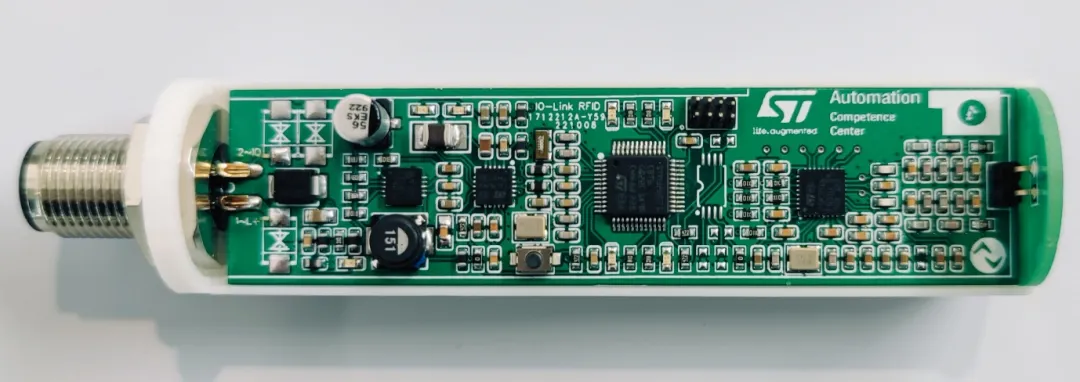
IO-Link RFID Reader System Design and Challenges
Technical overview of an IO-Link RFID reader reference design using ST25R3916 and STM32, covering system architecture, antenna design, and impedance matching.


