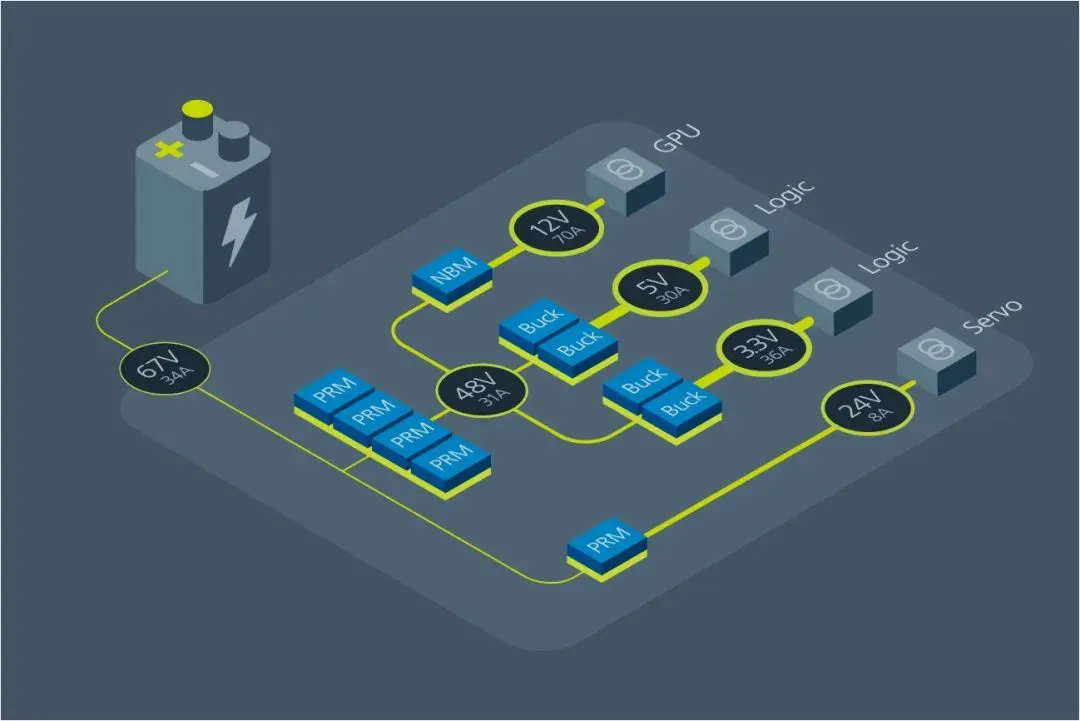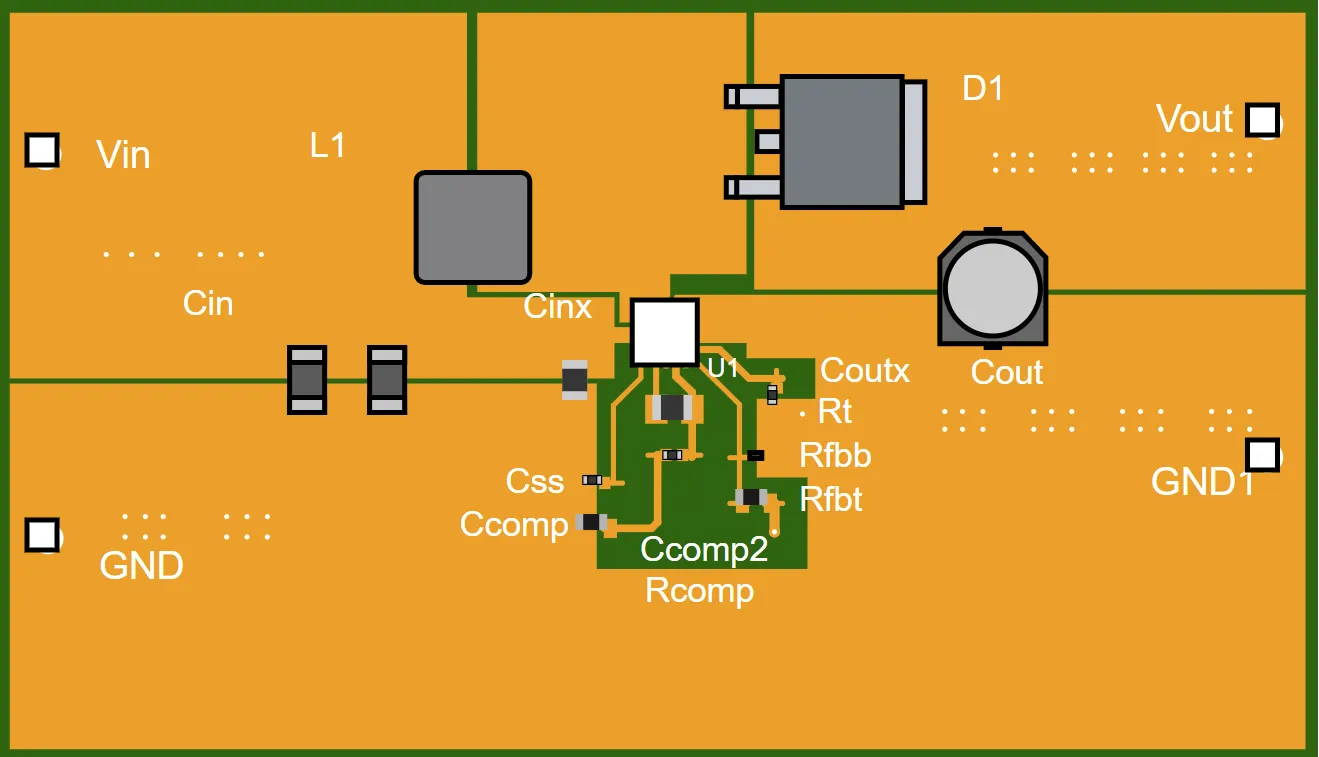
DC-DC Converters
DC-DC converters are essential components in modern electronics, enabling efficient voltage transformation between direct current sources. These devices step up, step down, or invert DC voltages to meet the specific power requirements of various systems, from portable devices to industrial machinery. For engineers and hobbyists searching for information on DC-DC converters, this tag serves as a comprehensive resource, covering fundamental principles, design considerations, and real-world implementations. Understanding these converters is crucial for optimizing power efficiency, reducing heat dissipation, and ensuring reliable operation in battery-powered applications or renewable energy systems. In practice, selecting the right DC-DC converter involves evaluating factors such as input/output voltage ranges, current ratings, isolation needs, and efficiency metrics. For instance, buck converters are ideal for stepping down voltages in space-constrained designs like smartphones, while boost converters excel in applications requiring higher output voltages, such as LED drivers or solar inverters. Best practices include incorporating proper filtering to minimize electromagnetic interference, using thermal management techniques to handle power losses, and simulating circuits with tools like SPICE to predict performance. By addressing common challenges like ripple voltage and load regulation, users can achieve more stable and efficient power supplies. This collection of articles delves into troubleshooting tips, comparative analyses of topologies like flyback and SEPIC, and emerging trends in wide-bandgap semiconductors for higher efficiency. Readers interested in advancing their projects will find detailed guides on integration with microcontrollers and compliance with standards like EMC regulations, helping to streamline development and avoid costly redesigns.
Technical Articles
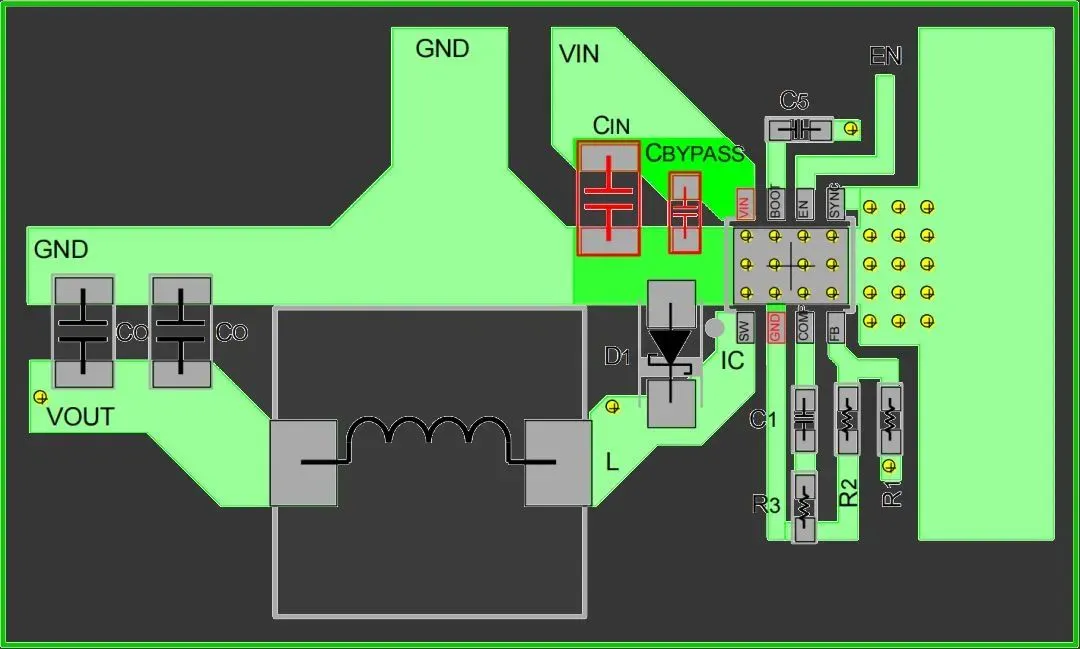
DC-DC Switching Power Supply Design Principles
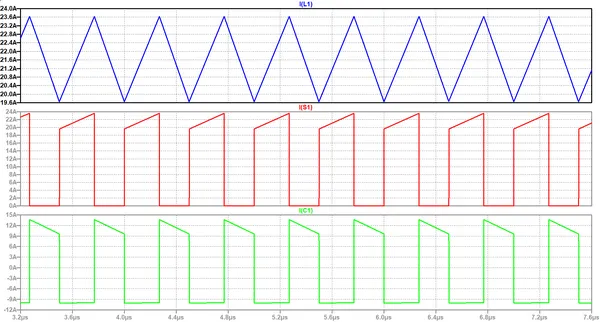
PCB Layout for High-Switching-Frequency Regulators
Differences Between LDO and DC-DC Converters
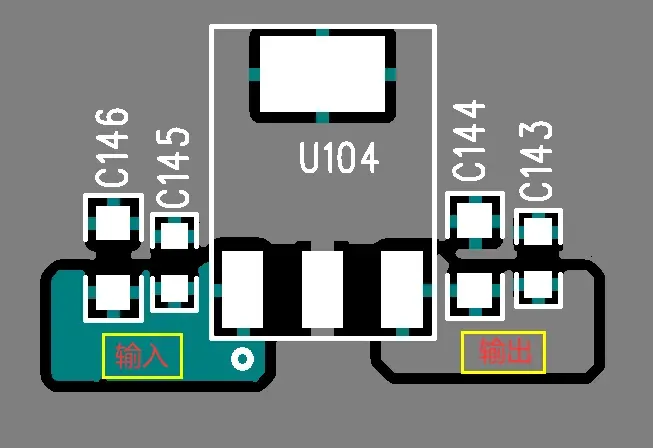
Design Tips for DC-DC and LDO Power Circuits
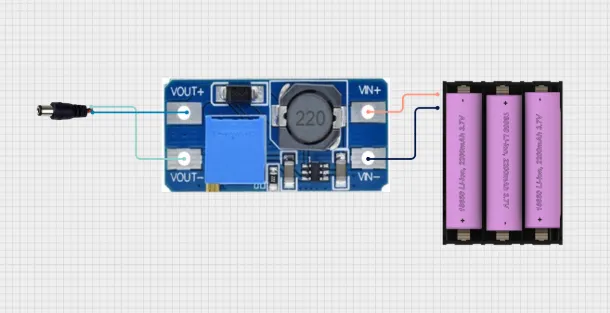
Single-Cell Li-ion Circuit for Stable 5V Output
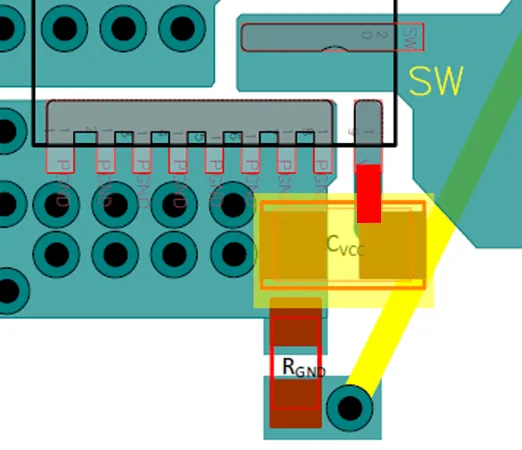
Key PCB Layout Guidelines for Buck Converters
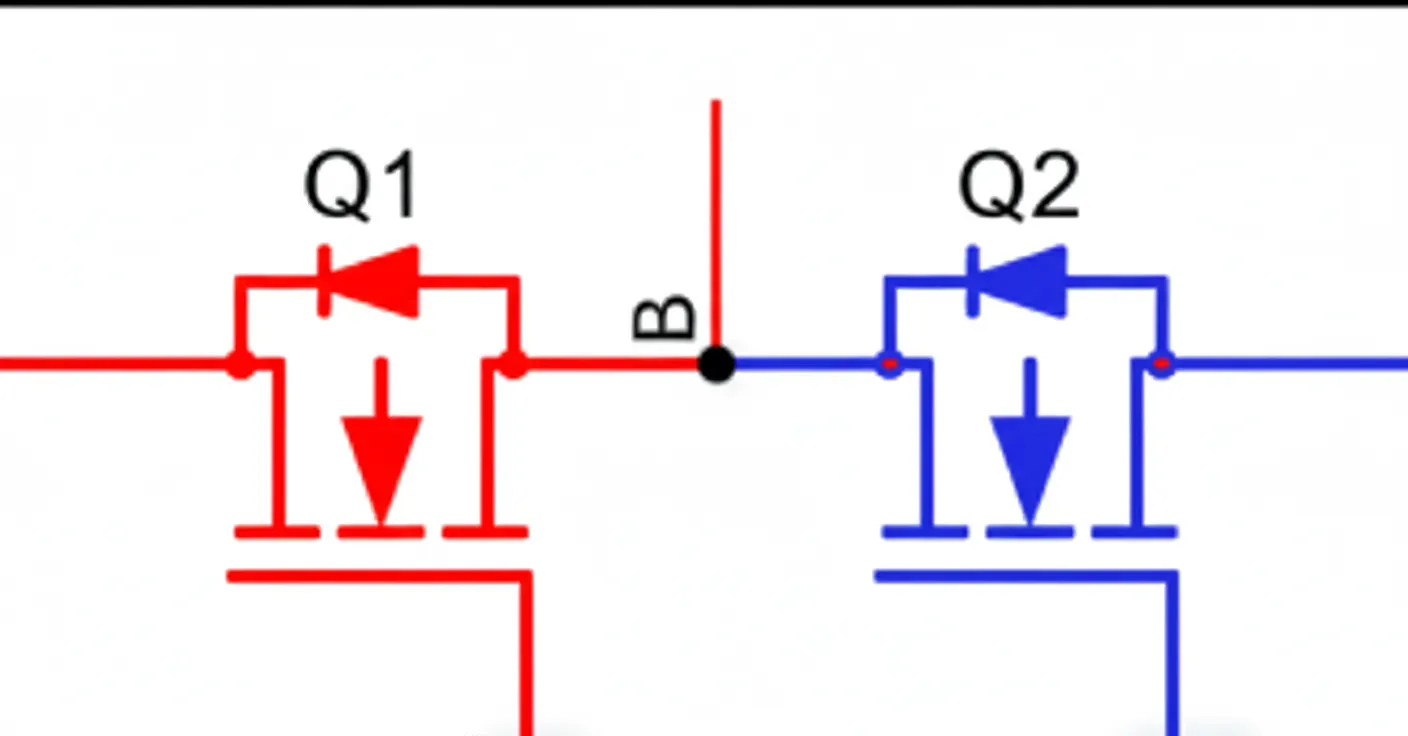
Why a Bootstrap Capacitor C1 Is Used in Buck Converters
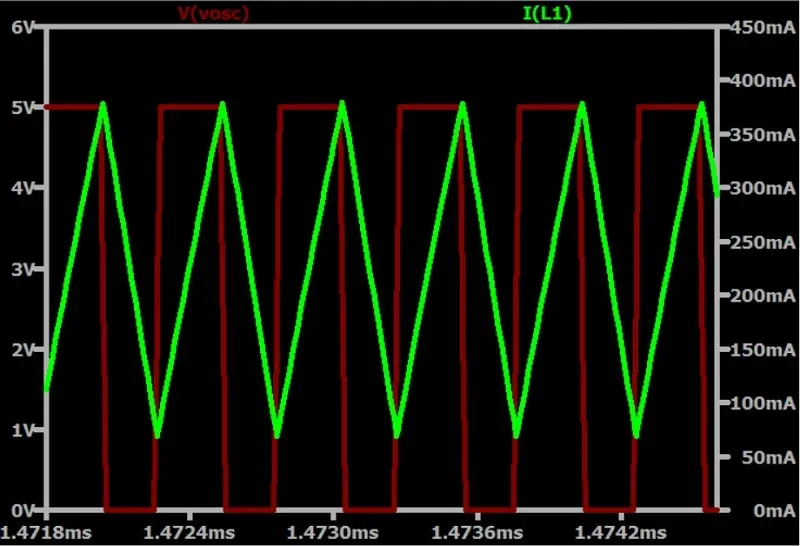
High Output Ripple in Buck DC-DC Regulator: Circuit Analysis
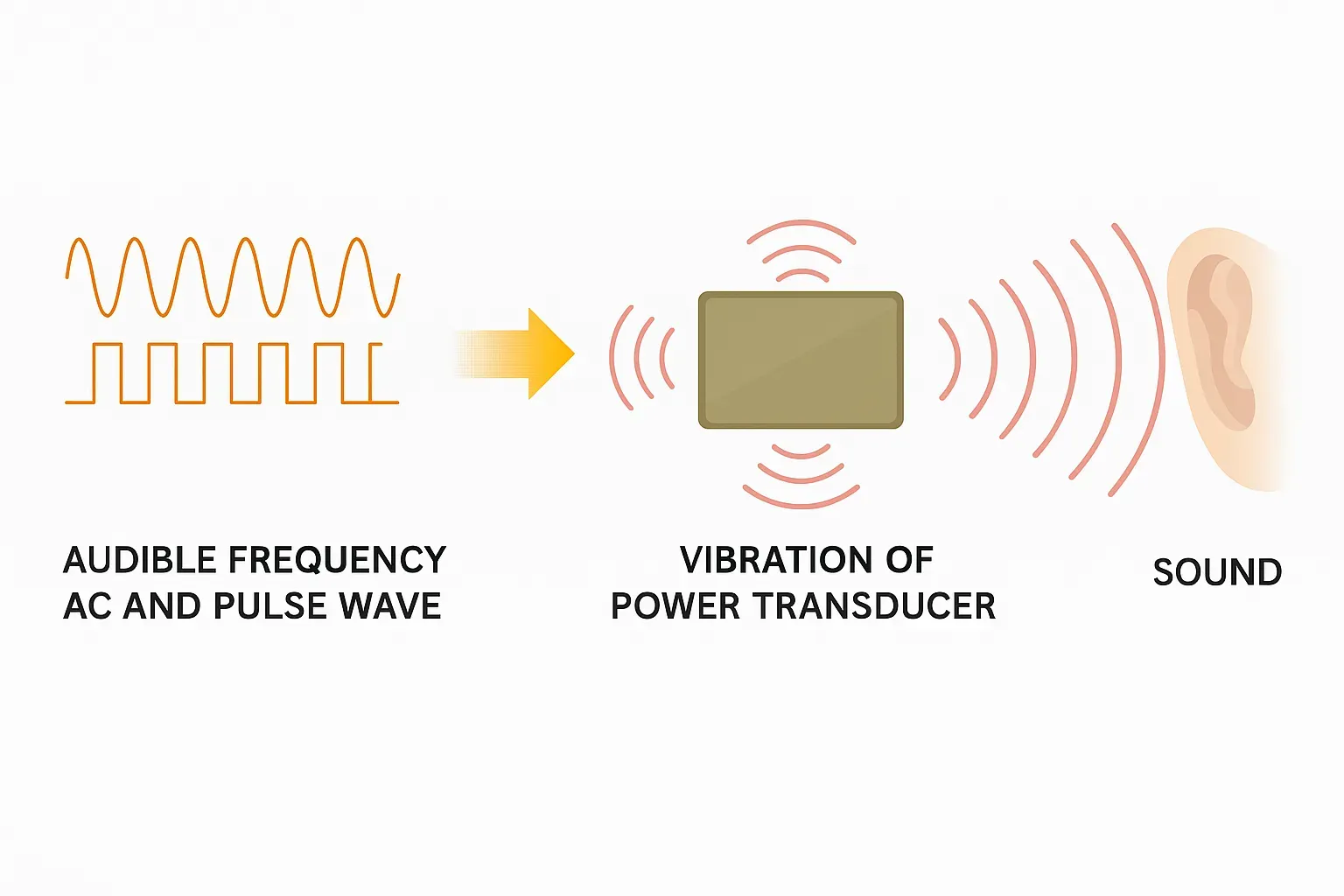
Why Power Inductors in DC-DC Converters Squeal
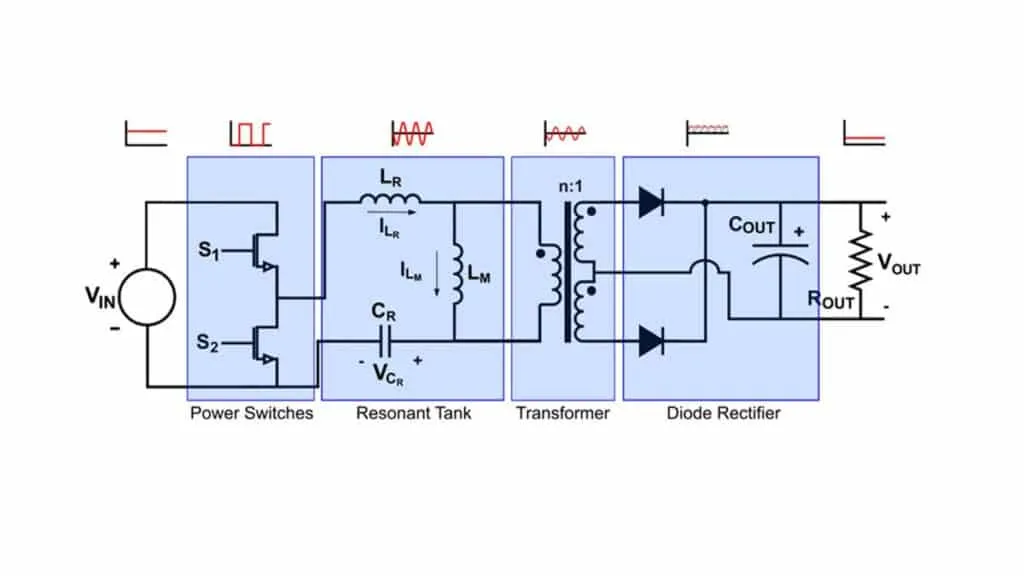
12 Operating States in High-Power LLC Design
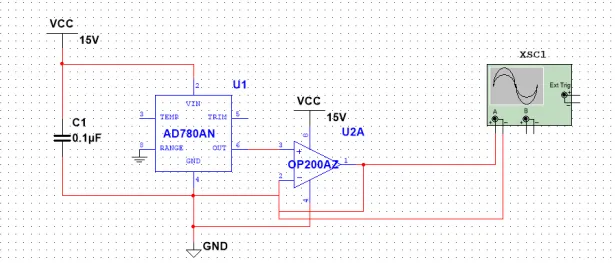
BUCK Converter Design Explained
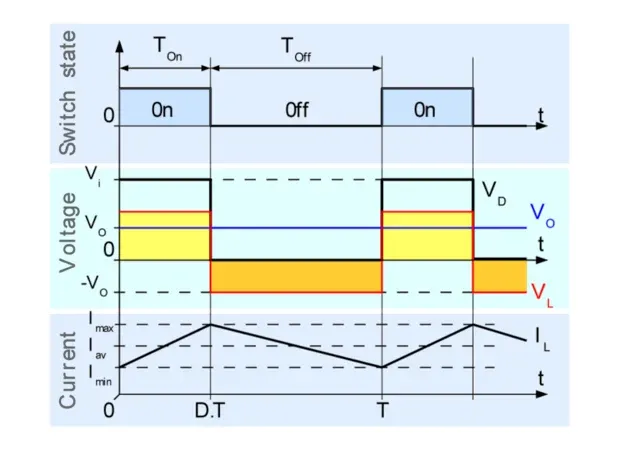
Adaptive Mode for Buck Converter Efficiency
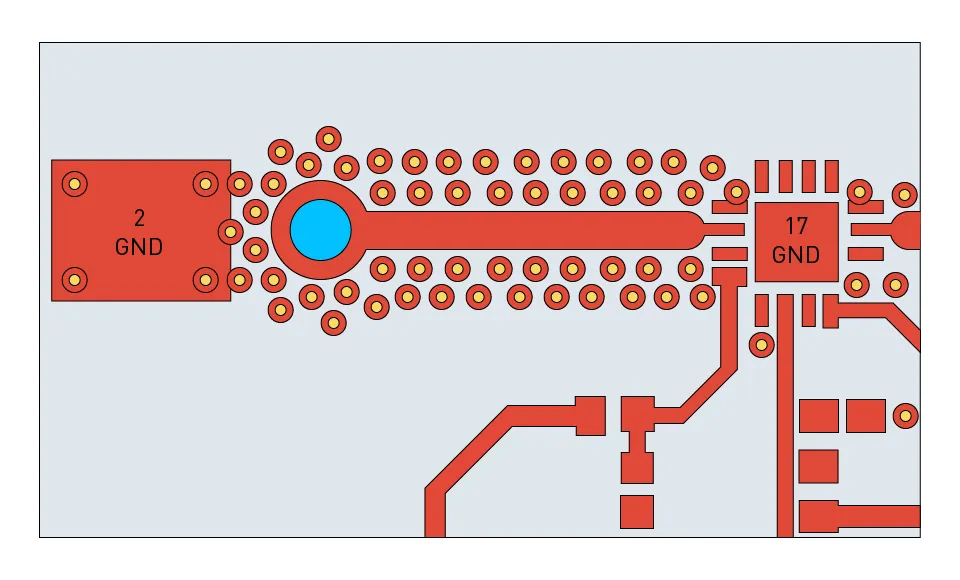
EMC and Protection Design for Module Power Circuits
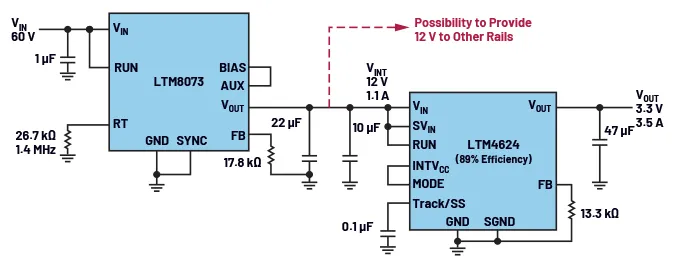
Three Compact Solutions for High Step-Down Converters
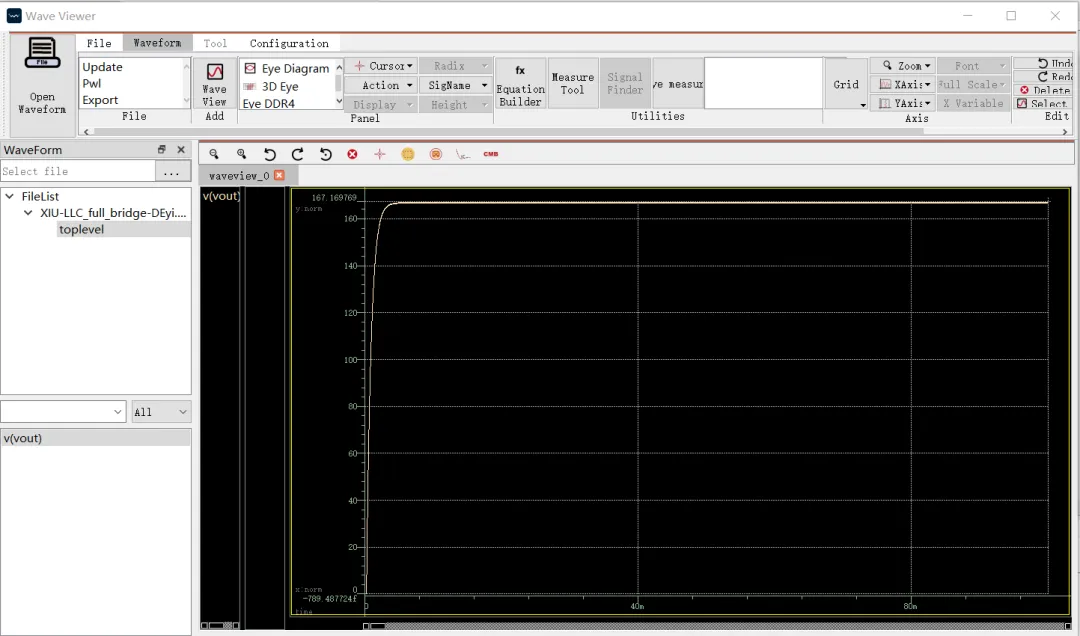
LLC Resonant Converter Simulation Principles
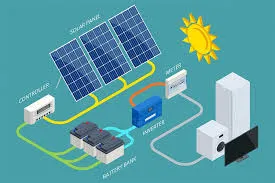
How Energy Storage Inverters Differ from PV Inverters
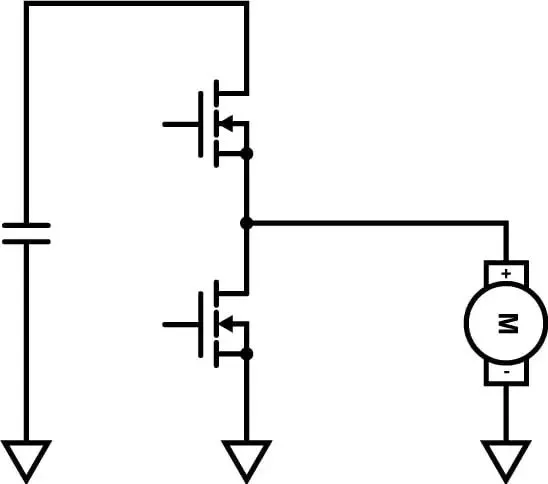
Simplified Schematic of a Synchronous Buck Converter
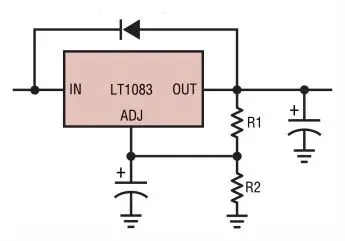
High-Current Linear Regulator Design