 01:00
01:00
High Frequency Design
High frequency design plays a critical role in modern electronics, where circuits operate at radio frequencies (RF), microwaves, or even millimeter waves. This tag encompasses a wide range of topics essential for engineers and designers working on PCBs that handle signals above a few hundred MHz. From impedance matching and transmission line theory to signal integrity and electromagnetic interference (EMI) mitigation, the content here addresses the unique challenges of high-speed signal propagation. Users searching for high frequency design often seek solutions to issues like crosstalk, reflections, and losses that can degrade performance in applications such as wireless communications, radar systems, automotive sensors, and 5G infrastructure. Understanding these principles is vital for achieving reliable and efficient designs. For instance, selecting appropriate substrate materials with low dielectric constants can minimize signal attenuation, while proper grounding techniques and via optimization help maintain signal quality. Best practices include using controlled impedance traces, incorporating decoupling capacitors strategically, and employing simulation tools like SPICE or electromagnetic field solvers to predict and resolve potential problems before prototyping. These approaches not only enhance circuit performance but also reduce time to market and development costs. Articles tagged under high frequency design offer practical guidance through detailed tutorials, case studies, and troubleshooting tips. Whether you are optimizing a PCB layout for minimal noise or integrating high-frequency components into IoT devices, the resources available provide the knowledge needed to tackle real-world projects effectively. By delving into these topics, designers can stay ahead in an era where faster data rates and higher frequencies are the norm, ensuring their innovations meet stringent industry standards.
Video Guide
-
01:00
Technical Articles
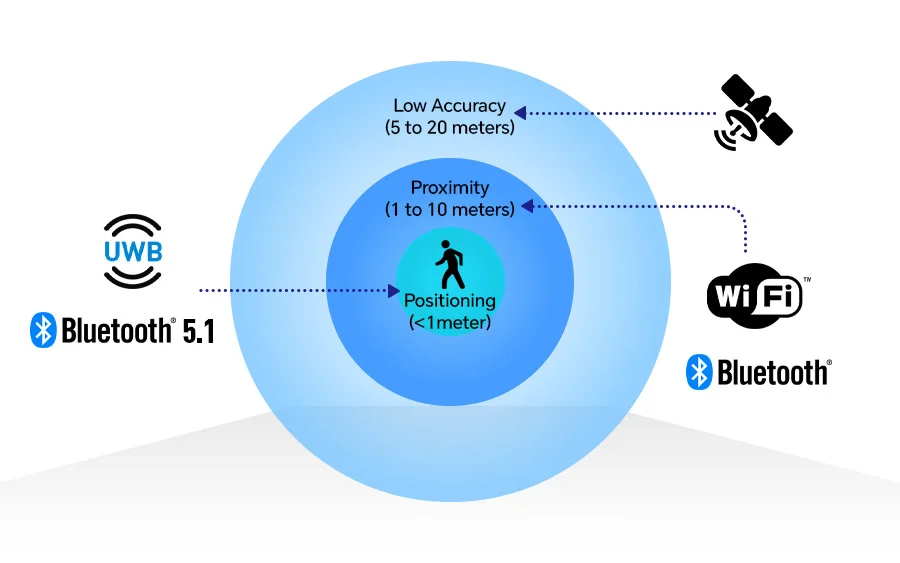
UWB vs Bluetooth and Wi-Fi: Indoor Positioning Comparison
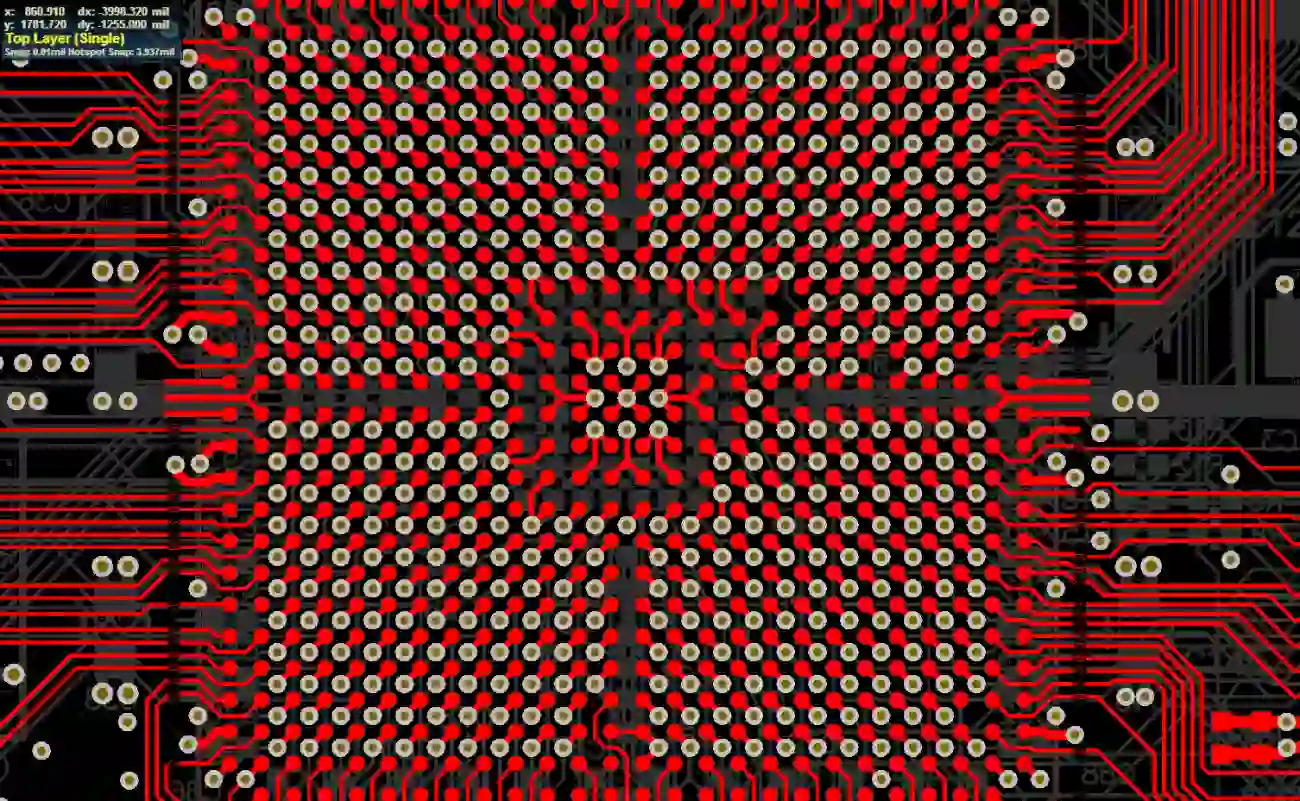
Signal Integrity Showdown: Via in Pad vs. Dog Bone Routing
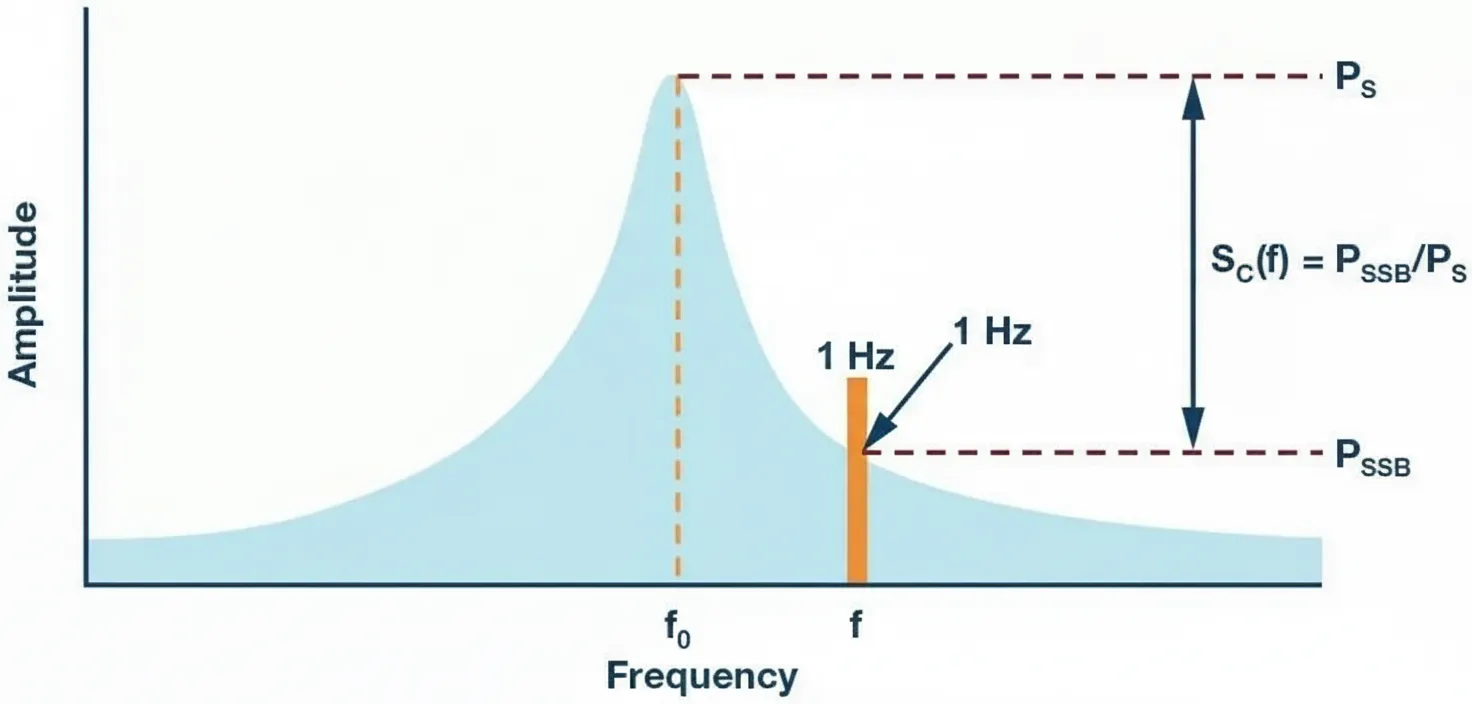
Phase Noise Measurement Using a Spectrum Analyzer
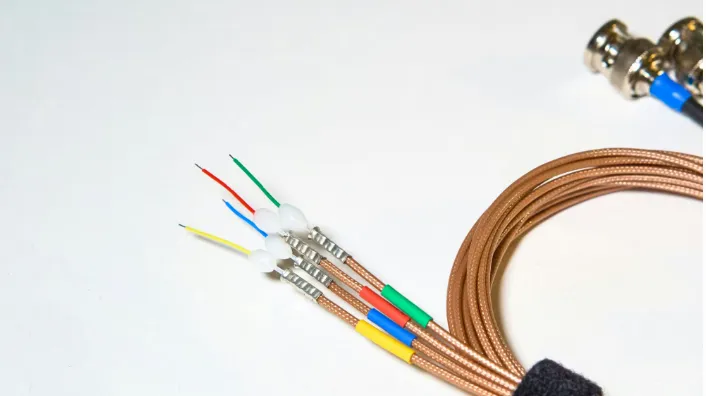
Inside a Passive Oscilloscope Probe
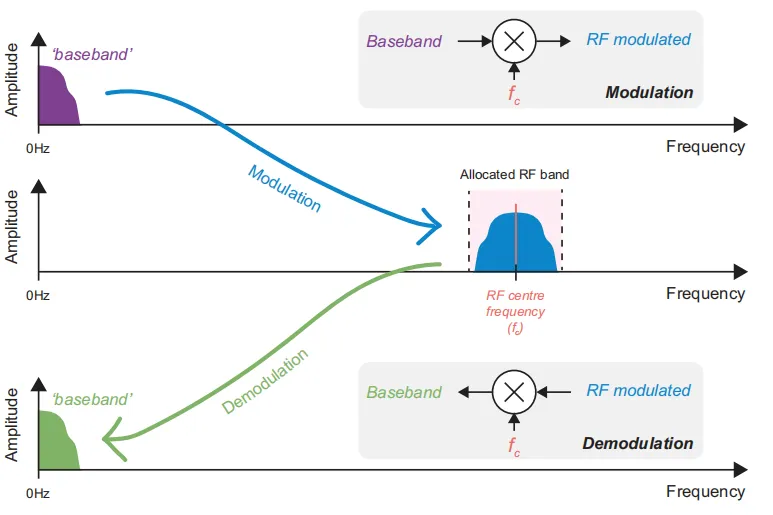
Modulation and Demodulation Methods for Radio Systems
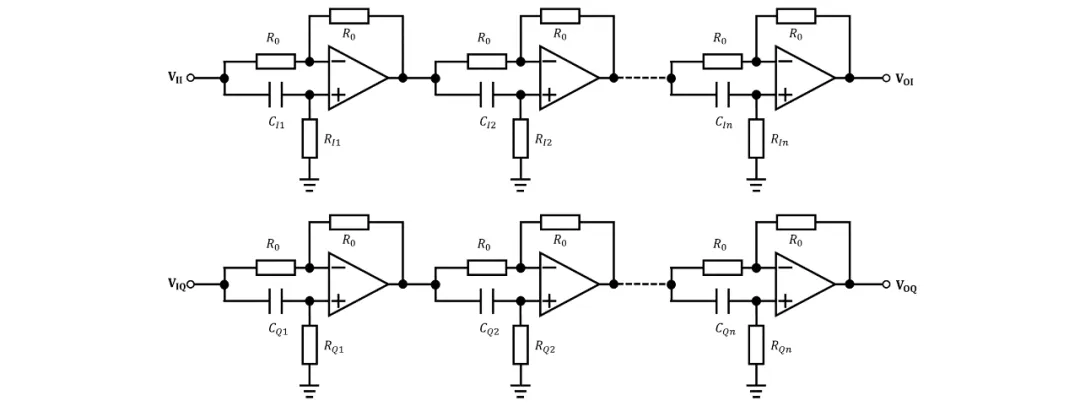
Passive Analog Filters: Two 90° Phase-Shift Networks
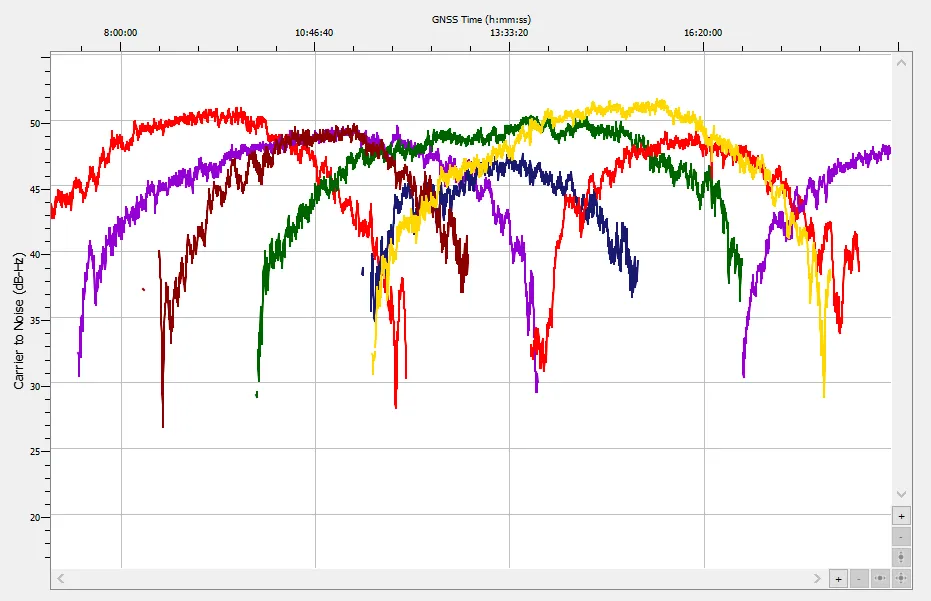
Carrier-to-Noise Ratio Fundamentals
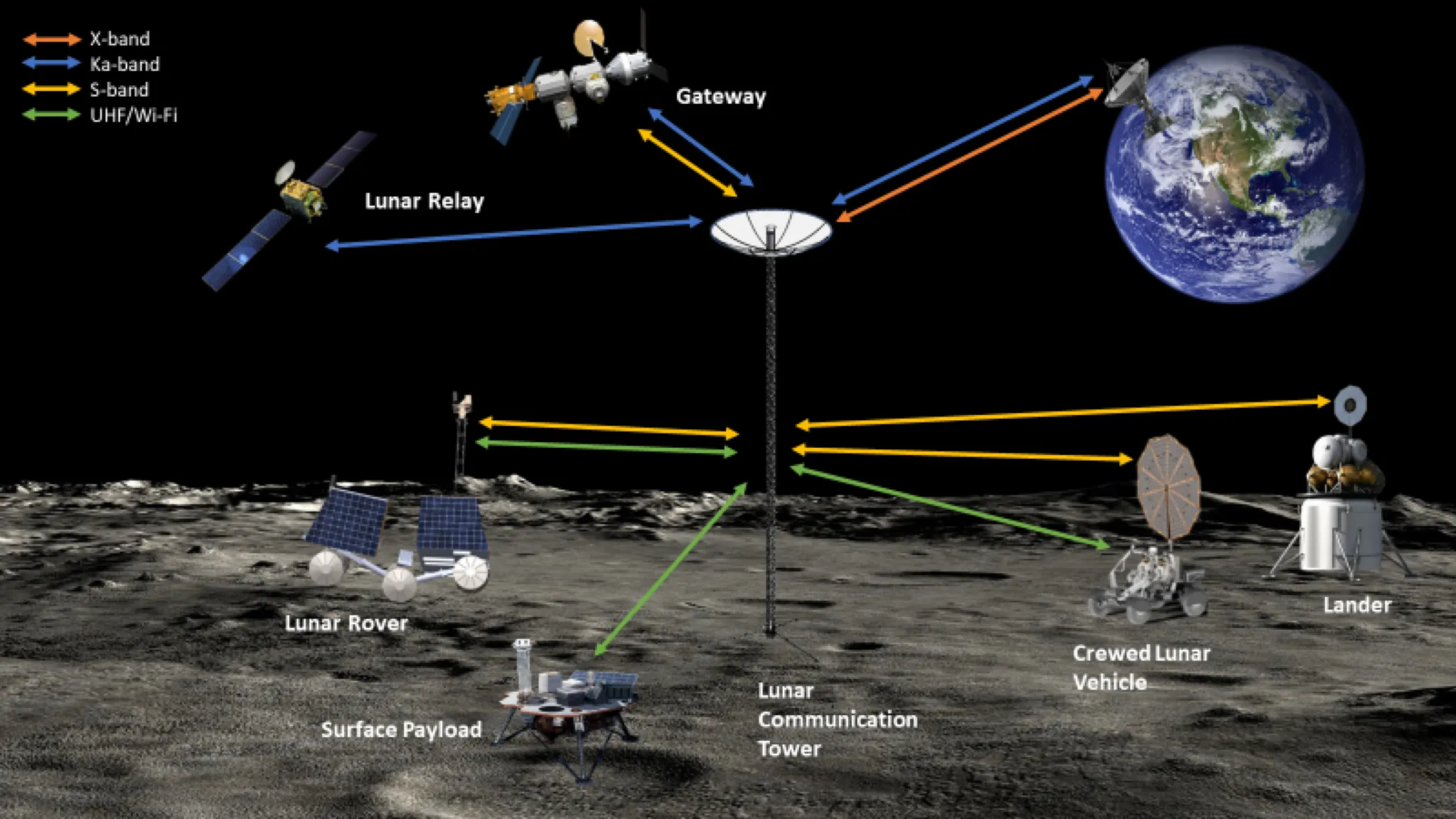
Lunar Relay Coverage: Needs and Challenges
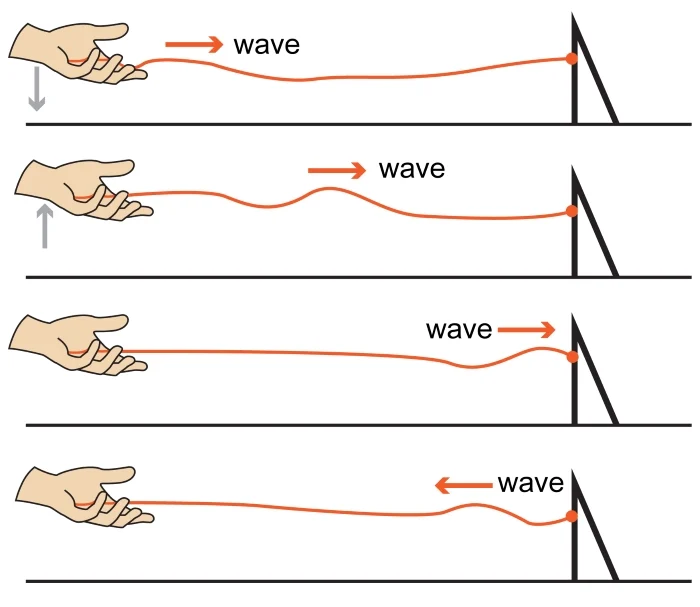
Understanding Wave Reflection in RF Design
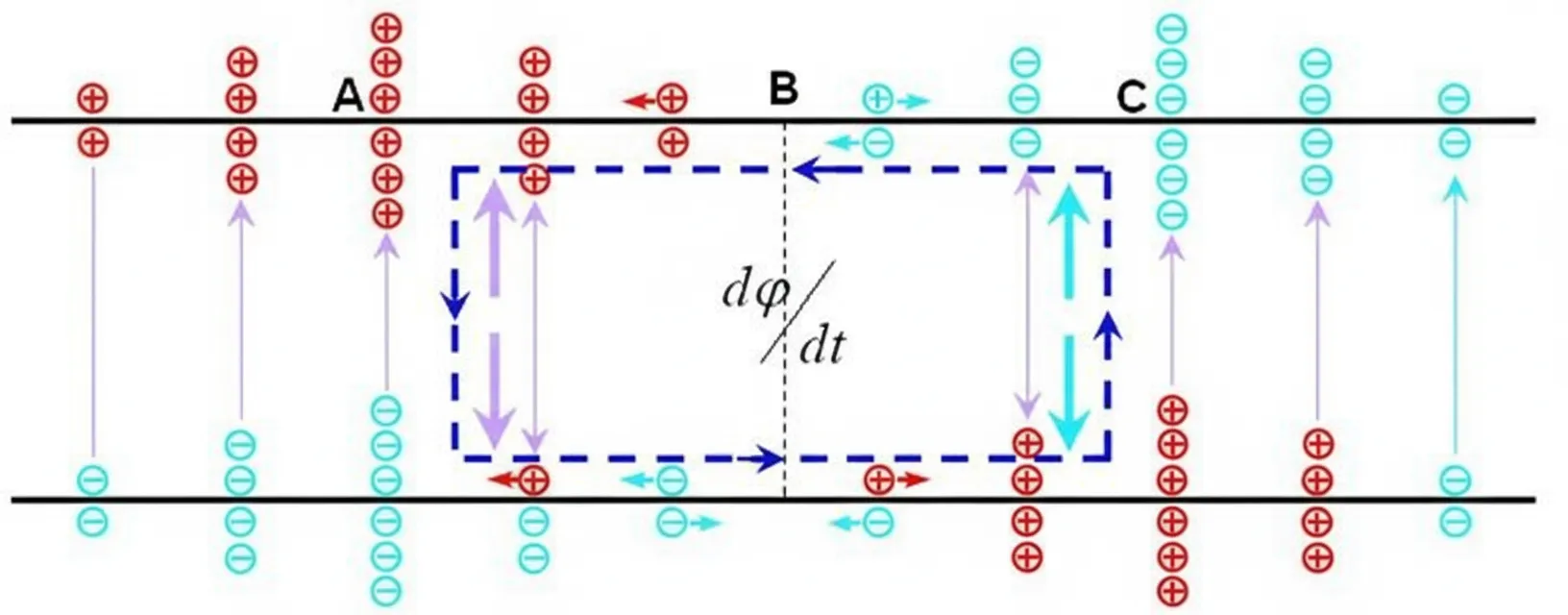
Analyzing Antennas from Oscillator Equations

TDD vs FDD Wireless Duplexing Technologies
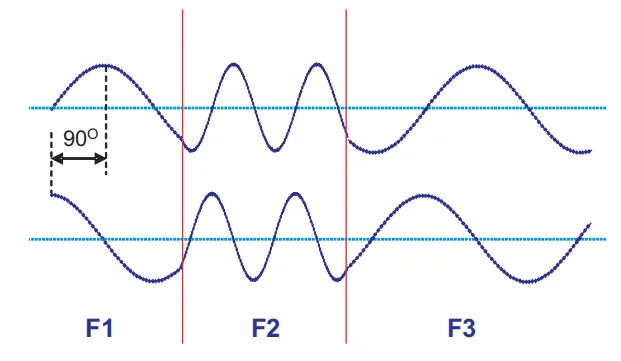
Digital Downconversion and Upconversion Explained

65 GHz, 12-bit High-Precision Oscilloscope Platform

DEVM in FEM RF Amplifier Output Power

Why Digital Twins Matter in Telecommunications
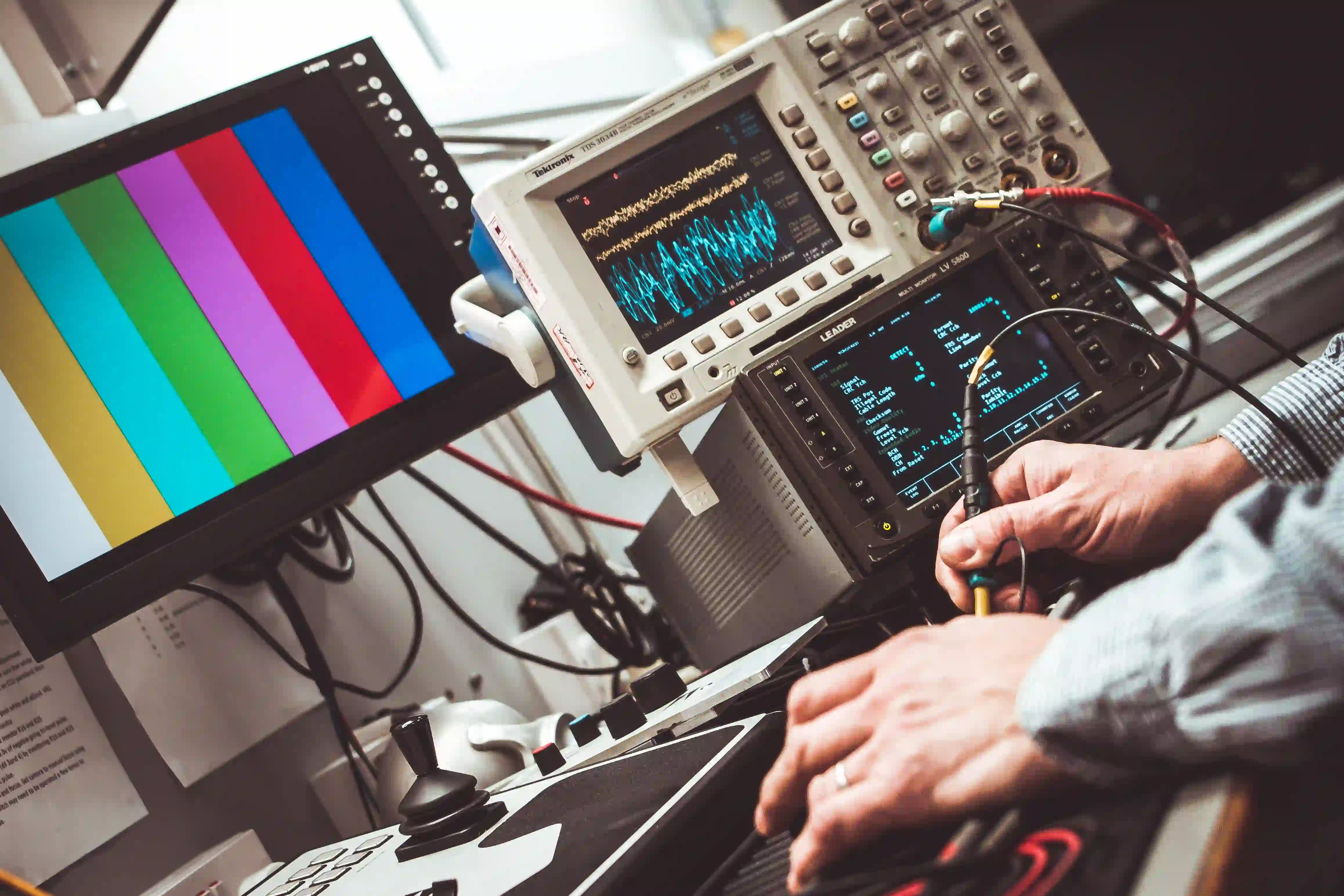
Oscilloscope Fundamentals for PCB Design, Signal Integrity, and Manufacturing Validation
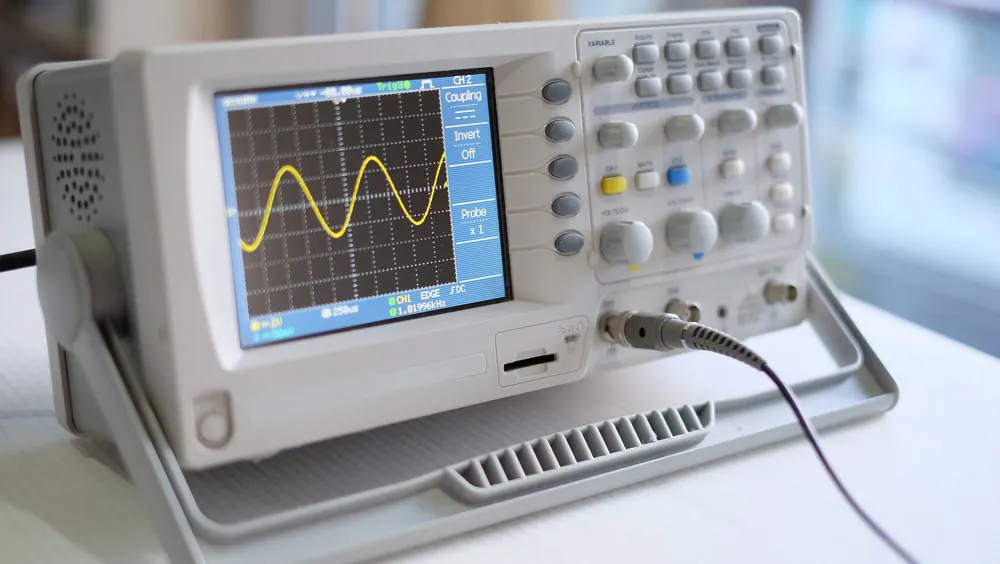
Oscilloscope Features, Usage, and Applications
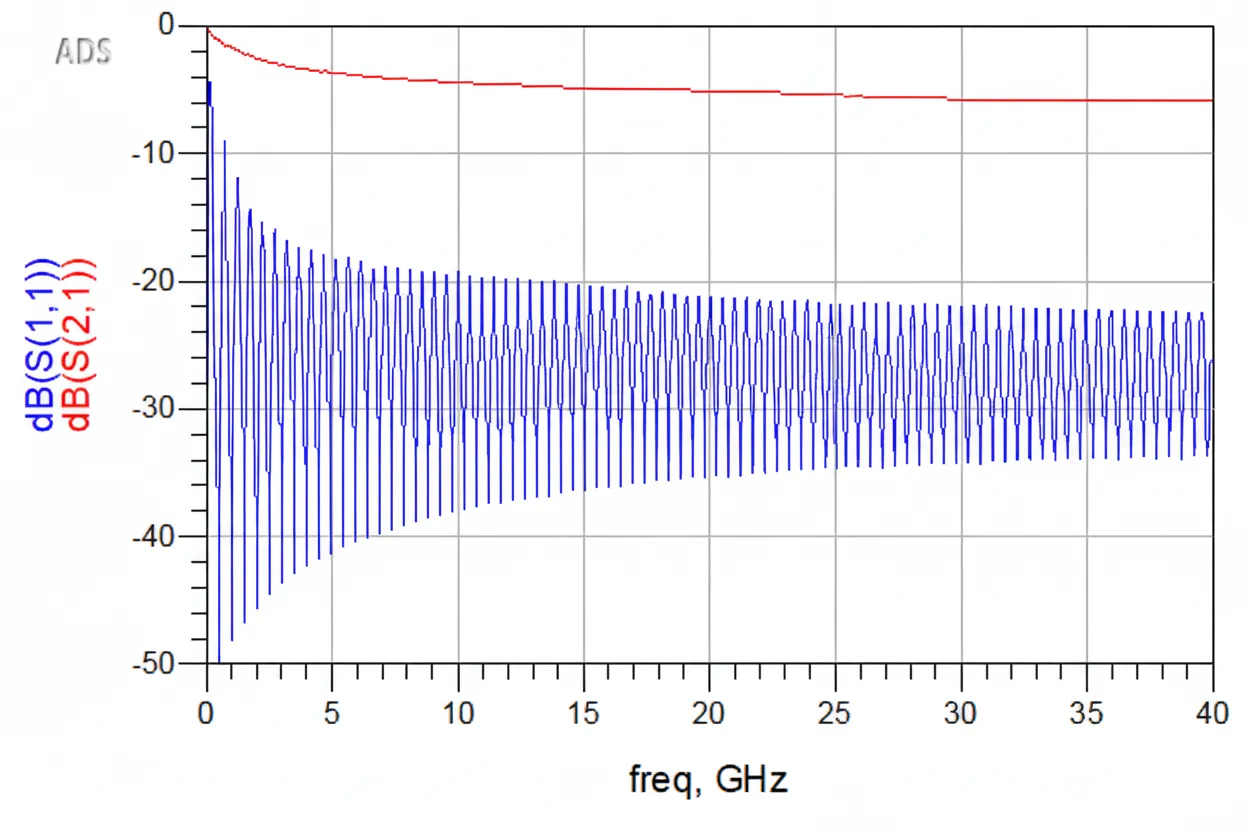
Using S-Parameters to Analyze Microwave Networks
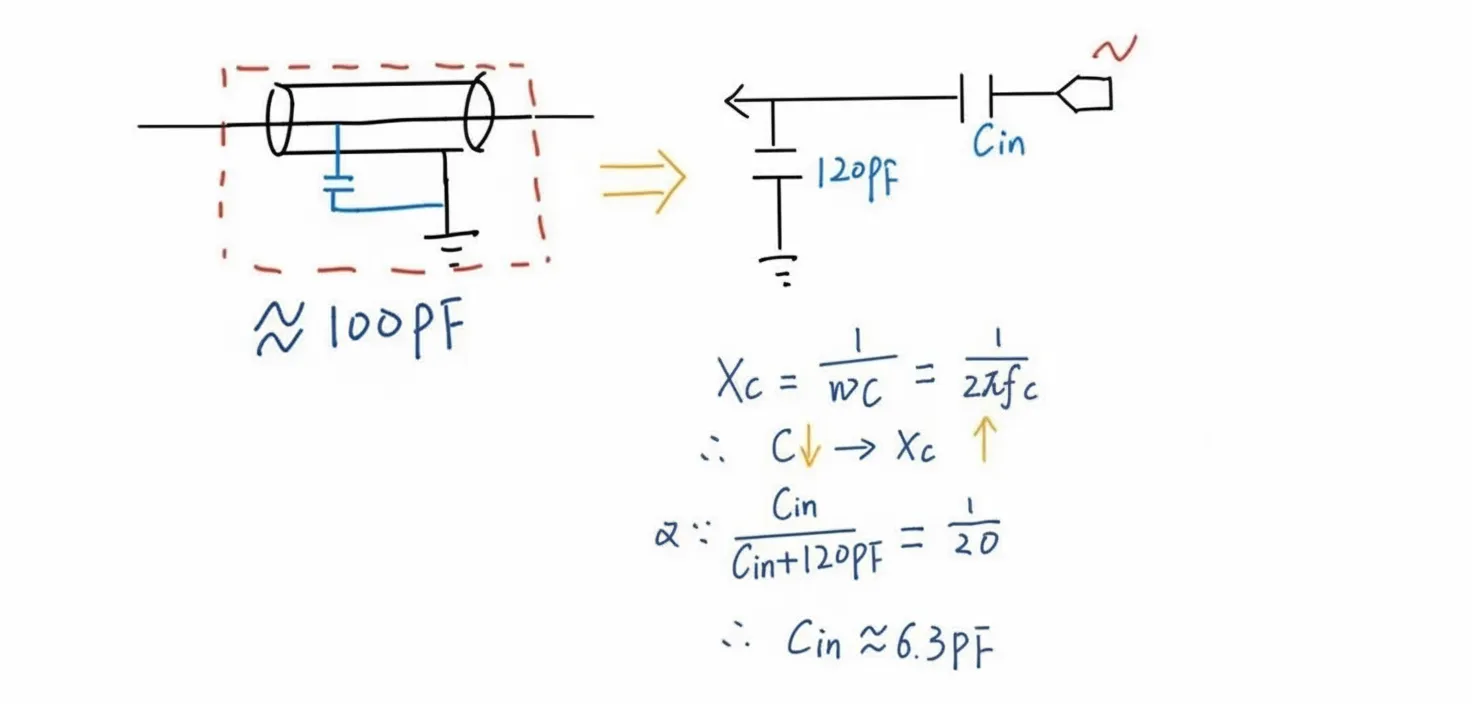
Oscilloscope Probes for PCB Signal Integrity: Passive vs Active Probes and Impedance Considerations