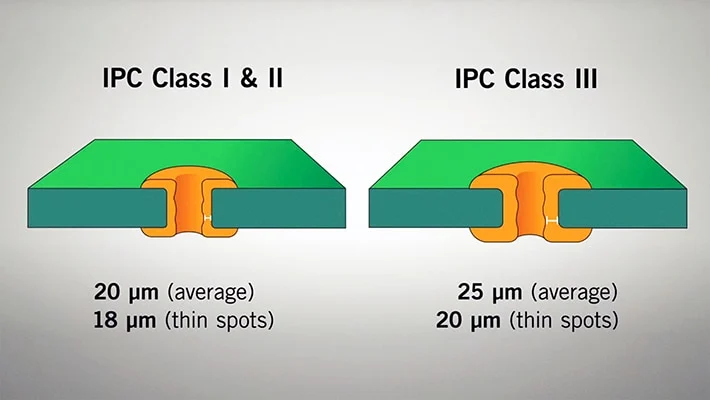
IPC Class 2
IPC Class 2 represents a key standard in the electronics manufacturing industry, as defined by the IPC-A-600 and IPC-6012 guidelines. This classification applies to dedicated service electronic products, such as consumer devices, telecommunications equipment, and general industrial applications where extended reliability is important but not mission-critical. Unlike Class 1, which allows for more cosmetic defects, or Class 3, which demands the highest performance for life-support or aerospace systems, IPC Class 2 strikes a balance by ensuring functionality and durability without excessive costs. For engineers and manufacturers searching for IPC Class 2 information, understanding these criteria is essential for producing reliable printed circuit boards (PCBs) that meet customer expectations and regulatory requirements. In practice, adhering to IPC Class 2 involves specific acceptance criteria for aspects like solder joints, via structures, and board finishes. For instance, it permits minor imperfections such as small voids in solder fillets, provided they do not compromise electrical performance or long-term reliability. Best practices include conducting thorough design reviews to optimize trace routing and component placement, which can prevent common issues like signal integrity problems or thermal stress failures. Manufacturers often implement automated optical inspection (AOI) and functional testing to verify compliance, reducing rework rates and improving yield. By focusing on these standards, you can enhance product quality, minimize field failures, and streamline certification processes for markets like automotive or medical devices that fall under this class. The articles under this tag provide in-depth explorations of IPC Class 2 applications, including case studies on PCB assembly techniques and comparisons with other classes. Reviewing these resources can offer practical strategies for implementing these standards in your projects, helping you achieve efficient, cost-effective designs that stand up to real-world use.
Technical Articles
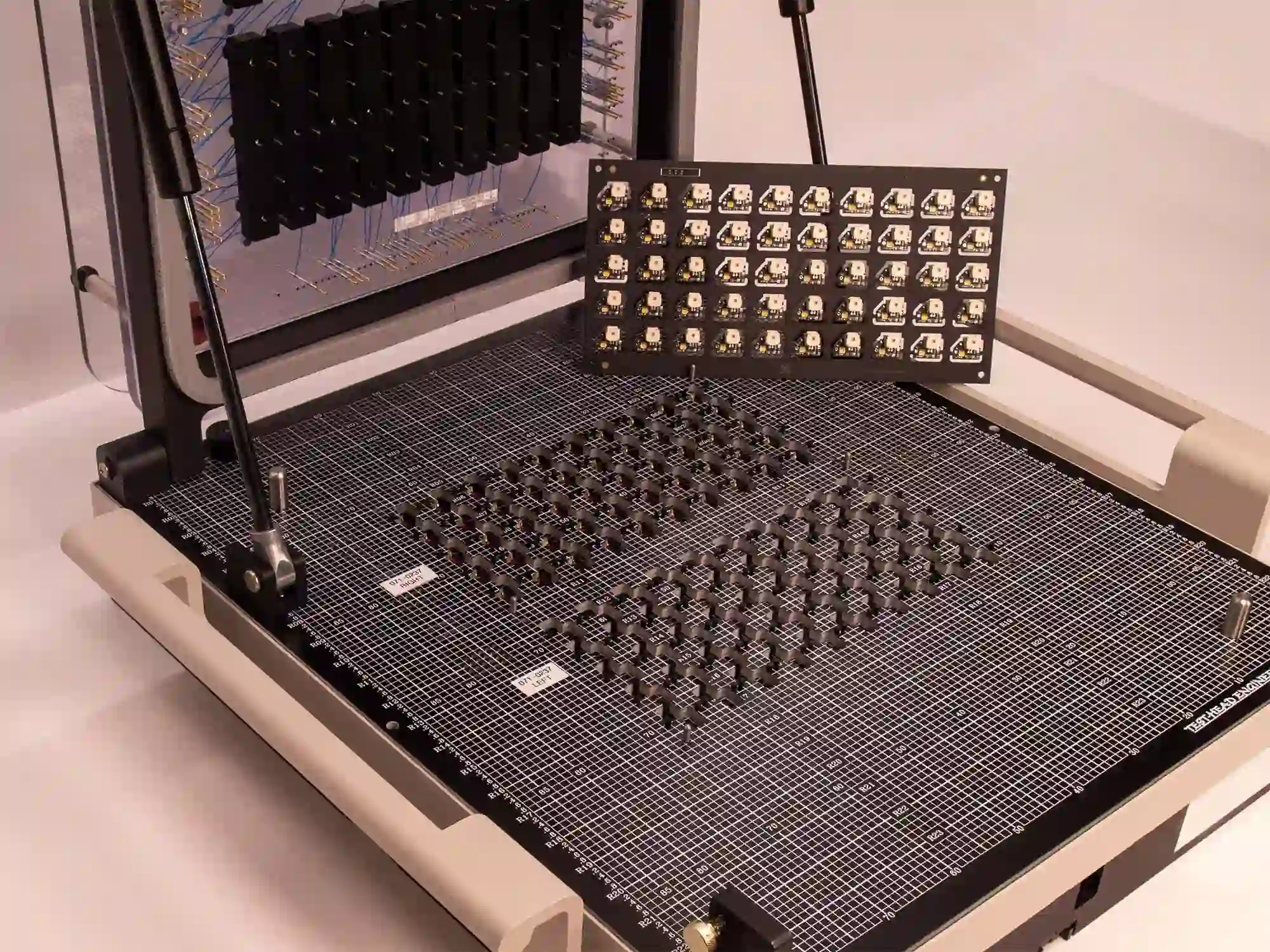
The Advantages of In-Circuit Test for PCB Assembly
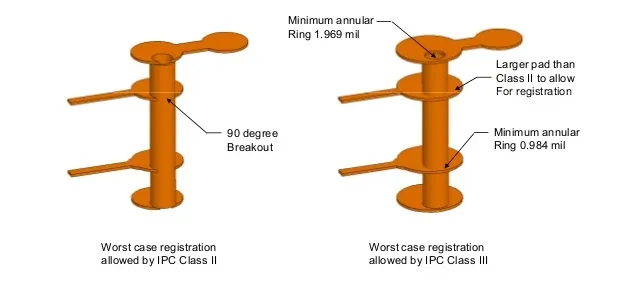
HDI PCB Standards: IPC Class 2 vs Class 3 for HDI Manufacturing
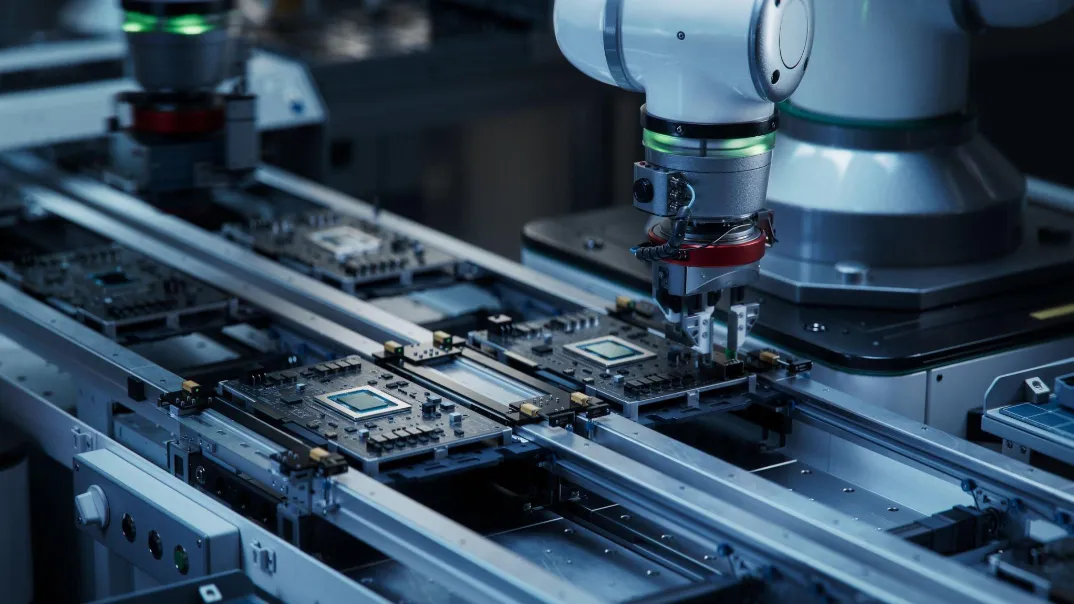
Cost Effective Strategies for IPC Class 2 PCB Assembly
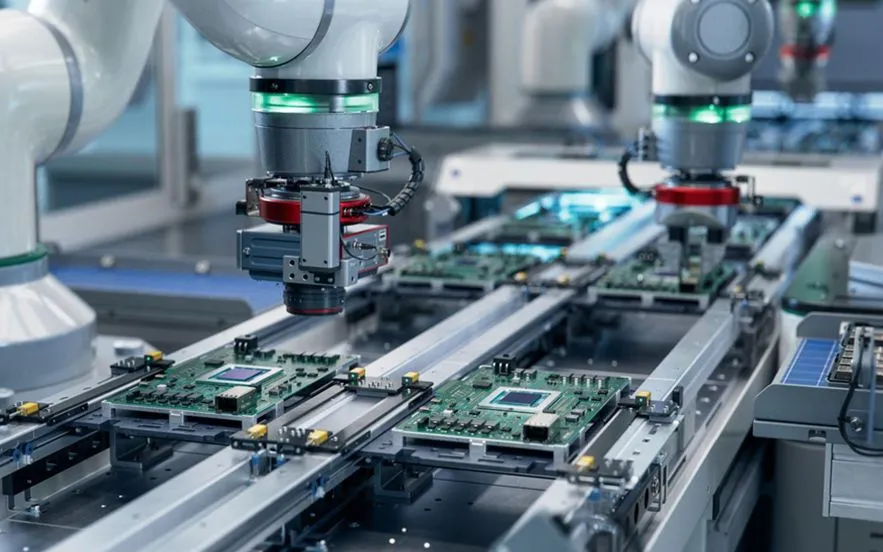
Design Considerations for IPC Class 2 PCB Assembly: A Comprehensive Guide
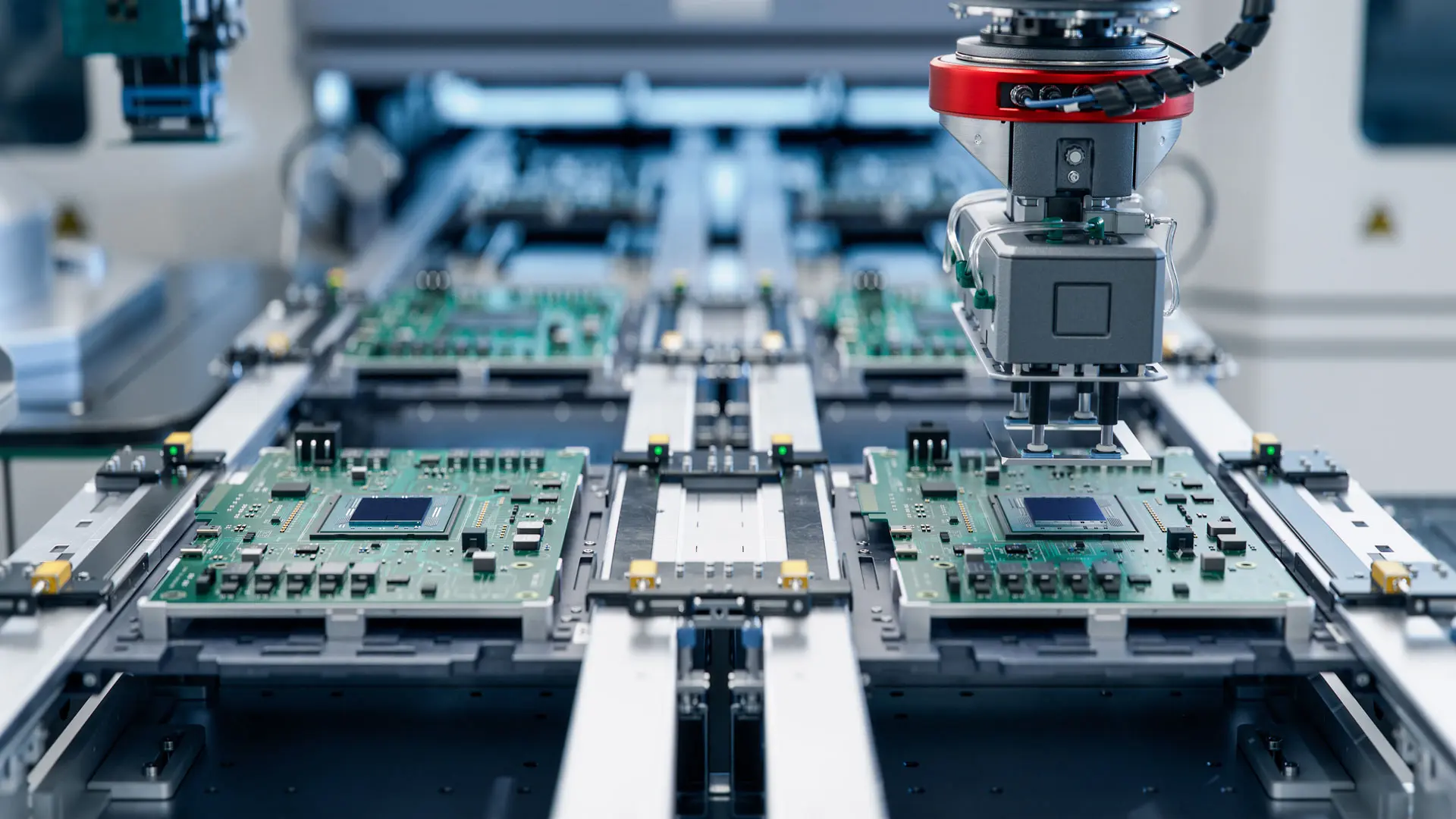
IPC Class 2 Assembly: Ensuring Reliability in Consumer Electronics