Mixed Components
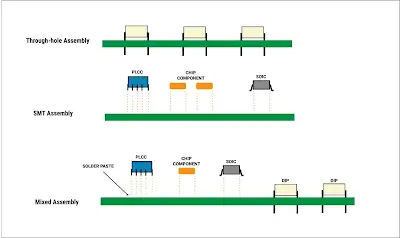
Mixed components represent a critical aspect of modern electronics design, where analog and digital elements coexist within a single system or printed circuit board (PCB). This tag focuses on the integration of diverse component types, such as resistors, capacitors, transistors, and integrated circuits that handle both continuous and discrete signals. Engineers and hobbyists searching for mixed components often seek solutions to challenges like signal integrity, noise reduction, and efficient layout in hybrid circuits. By exploring this tag, you gain access to resources that demystify these complexities, offering practical guidance for applications ranging from audio amplifiers and sensor interfaces to embedded systems in IoT devices. Understanding mixed components is essential for achieving reliable performance in real-world projects. For instance, best practices include separating analog and digital ground planes to minimize crosstalk, selecting components with appropriate tolerances for signal accuracy, and employing shielding techniques to protect sensitive analog paths from digital noise. These strategies not only enhance circuit stability but also reduce debugging time during prototyping. Whether you are troubleshooting interference in a mixed-signal PCB or optimizing power distribution in a compact design, the articles grouped here provide step-by-step insights drawn from industry expertise. Delving into specific topics under the Mixed Components tag can help you apply these concepts effectively. From case studies on successful implementations to tutorials on simulation tools, the content equips you with the knowledge to tackle common pitfalls and innovate in your electronics work. As technology advances toward more integrated systems, mastering mixed components becomes increasingly valuable for professionals aiming to build robust, efficient devices.
Technical Articles