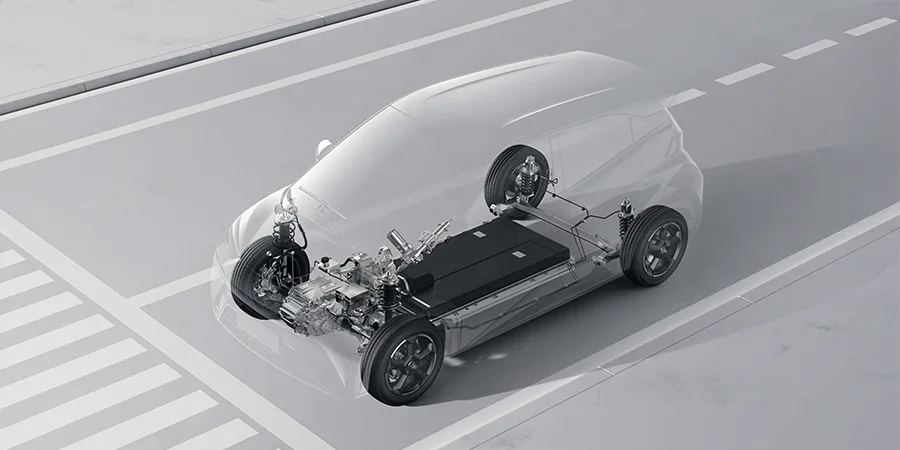
PCB Thermal Design
Effective thermal management is a critical aspect of printed circuit board (PCB) design, ensuring that electronic components operate within safe temperature ranges to prevent failures, extend lifespan, and maintain performance. In the realm of PCB Thermal Design, engineers and designers focus on strategies to dissipate heat generated by high-power components, such as processors, power amplifiers, and LEDs. This involves selecting appropriate materials with high thermal conductivity, optimizing board layout for airflow, and incorporating features like thermal vias, heat sinks, and copper pours to enhance heat transfer. For those searching for PCB Thermal Design resources, this tag serves as a comprehensive hub for practical guidance tailored to real-world challenges. Whether you are troubleshooting overheating issues in consumer electronics, automotive systems, or industrial equipment, the content here delves into best practices that can be directly applied to your projects. Key topics include thermal simulation techniques using software tools like ANSYS or Altium, guidelines for multilayer board configurations to minimize thermal resistance, and case studies demonstrating how effective design choices have resolved common problems such as hot spots and thermal runaway. Understanding these principles not only helps in complying with industry standards like IPC-2152 for current-carrying capacity but also empowers you to innovate in designs that demand higher efficiency and reliability. By exploring the articles grouped under this tag, you can gain actionable insights into advanced methods, such as integrating phase-change materials or active cooling solutions, and learn from expert analyses of thermal modeling errors to avoid. This collection equips you with the knowledge to refine your PCB designs, ultimately leading to more robust and efficient electronic products.
Technical Articles
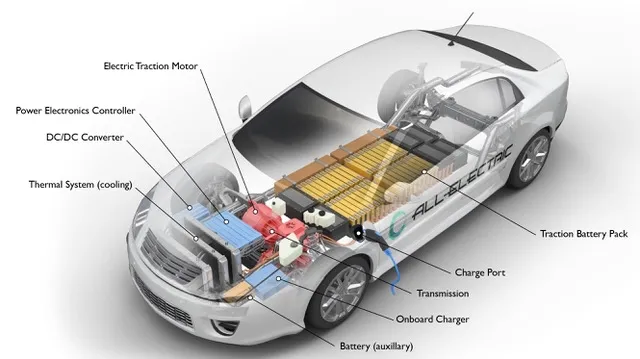
High-Voltage PCB Design for Electric Vehicles: 800V Platforms, Battery Management, and Power Distribution Systems

In-Cabin Camera Types for Automotive Cockpits
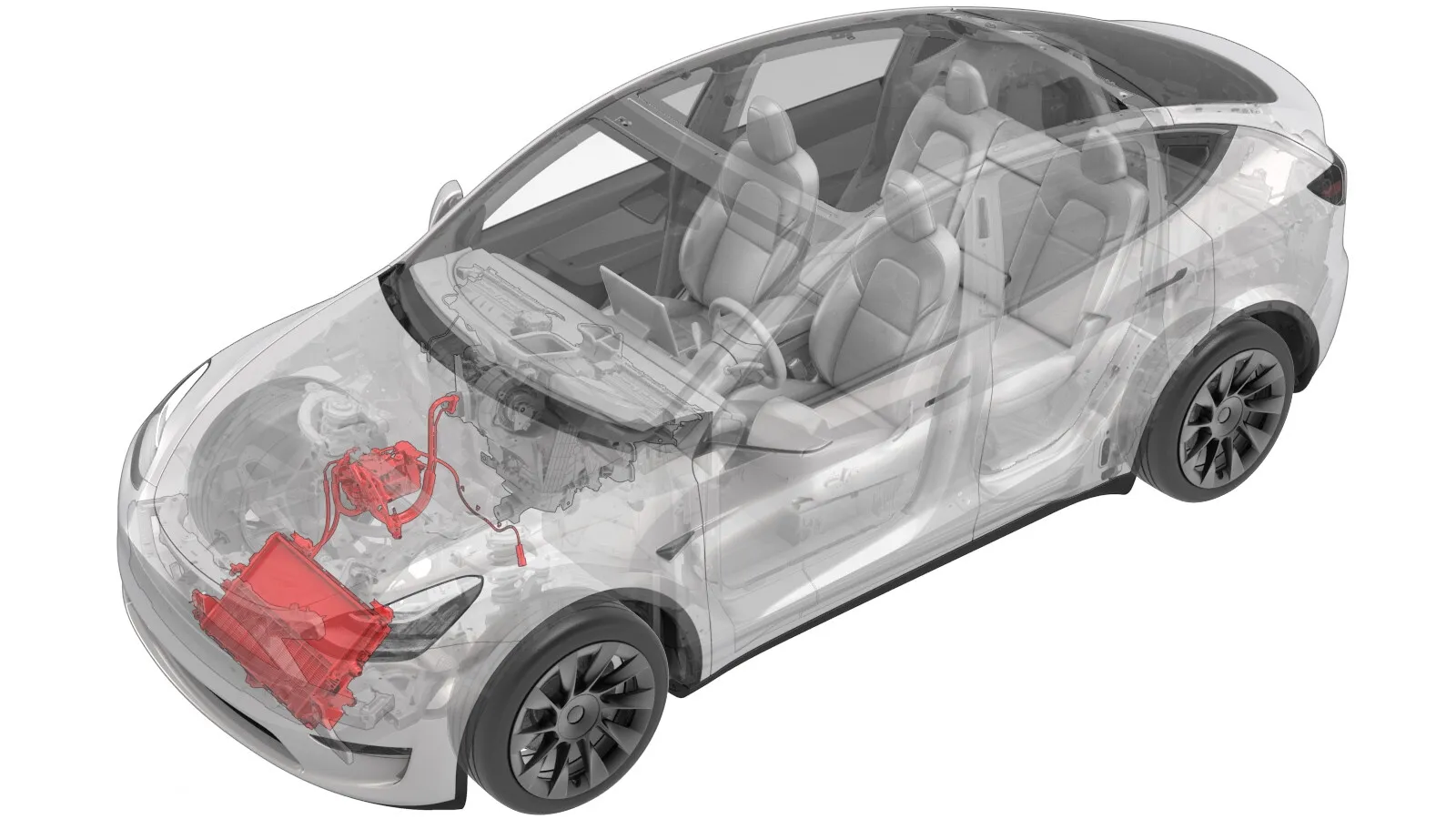
Tesla Model Y Thermal Management Assembly Design

Tesla FSD lane algorithm detailed analysis
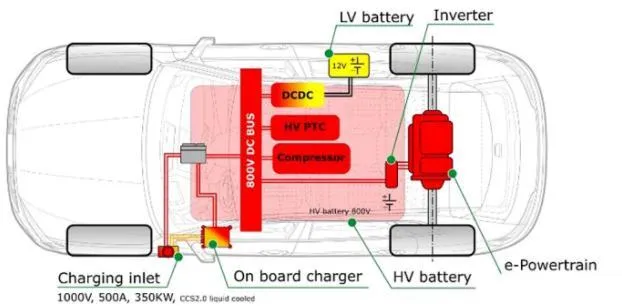
800V EV High-Voltage Platform and Advantages
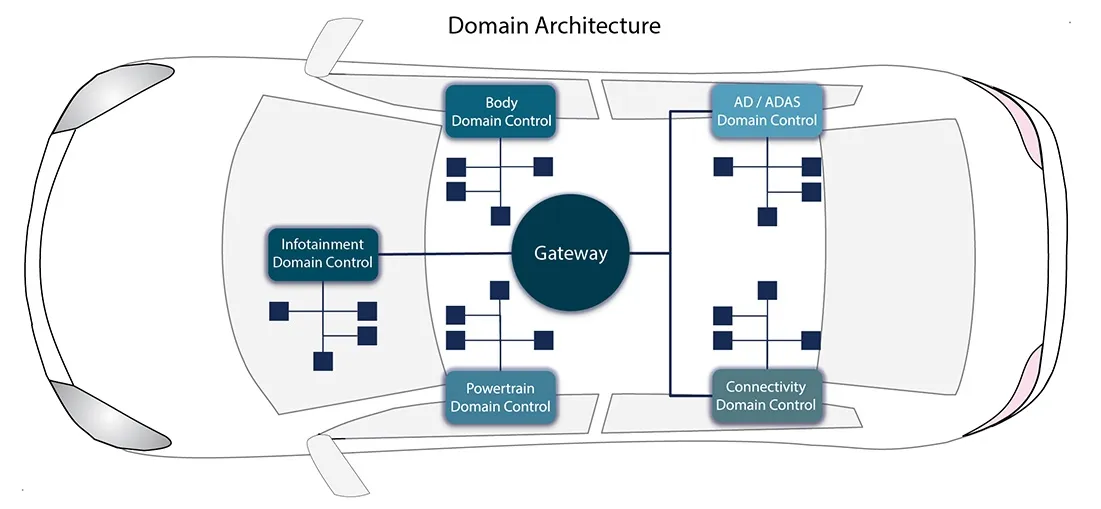
ADAS Domain Controllers: PCB Design, High-Speed Integration, and Manufacturing Challenges for Autonomous Driving Systems
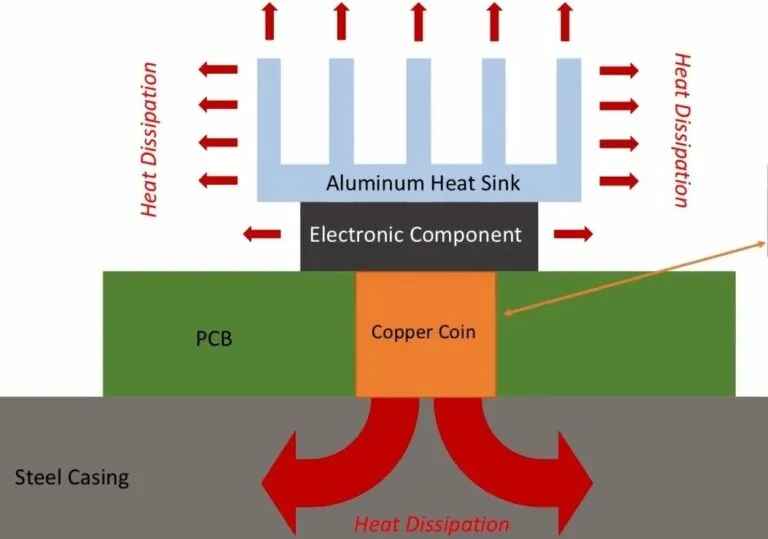
Solving Thermal Challenges in PCB Prototyping: Techniques for Heat Dissipation
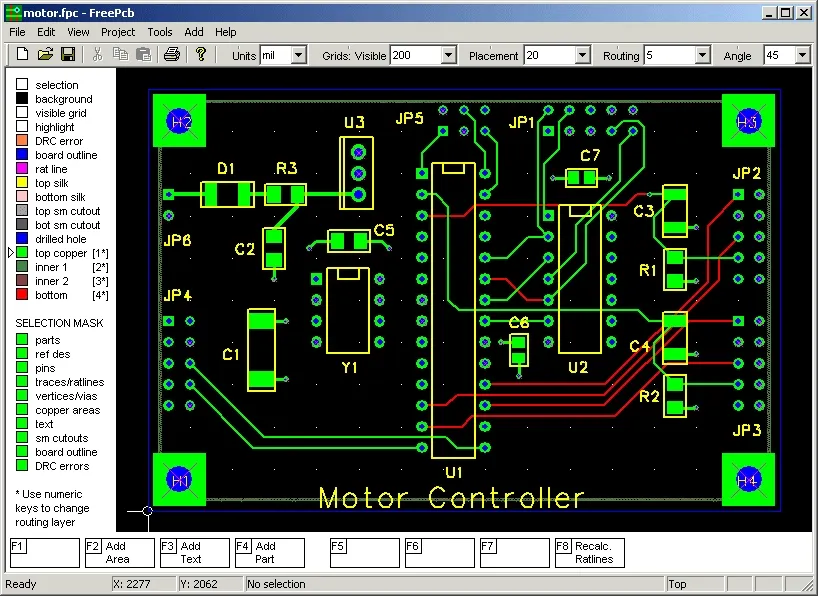
PCB Board Design for Beginners
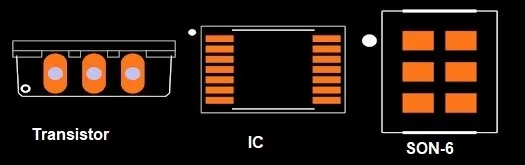
Improving PCB Reliability through Better Footprints

Five Display Panel Types for Wearable Devices
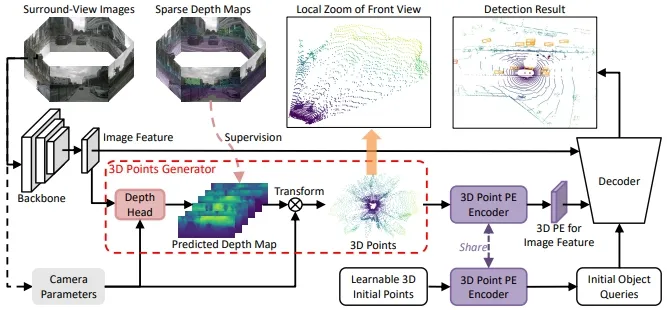
3D Point Encoding Improves PETR and StreamPETR Performance
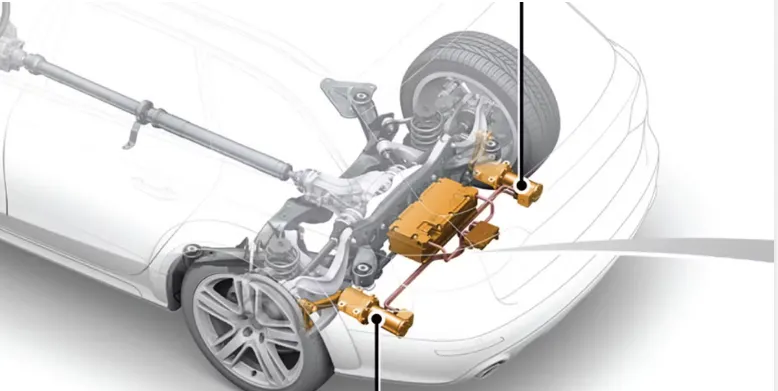
Energy-Recovery Dampers for New Energy Vehicles
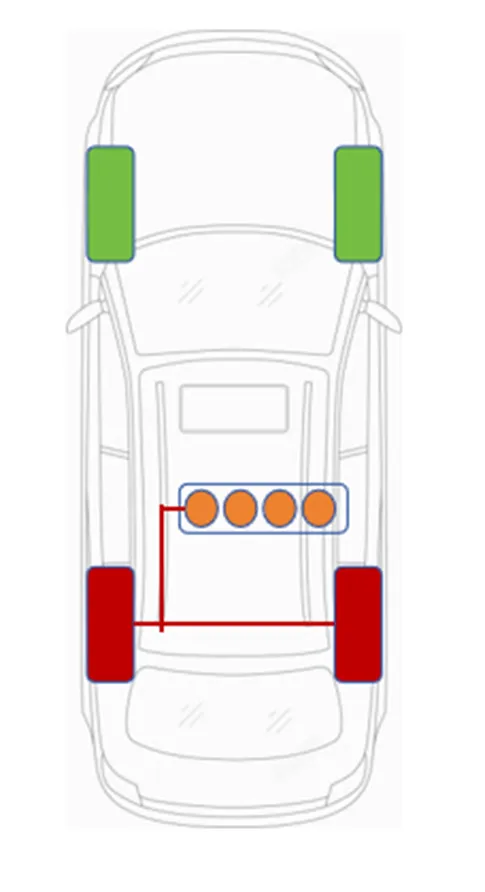
Design Approach for Hybrid Formula Student Cars
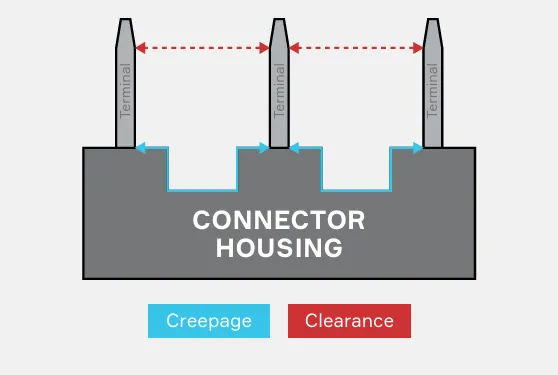
48V Vehicle Electrical Architectures: PCB Design, Power Distribution, and High-Voltage Challenges for Modern Vehicles

What CVVT, DVVT, VVT and VVT-i Mean in Engine Valve Timing
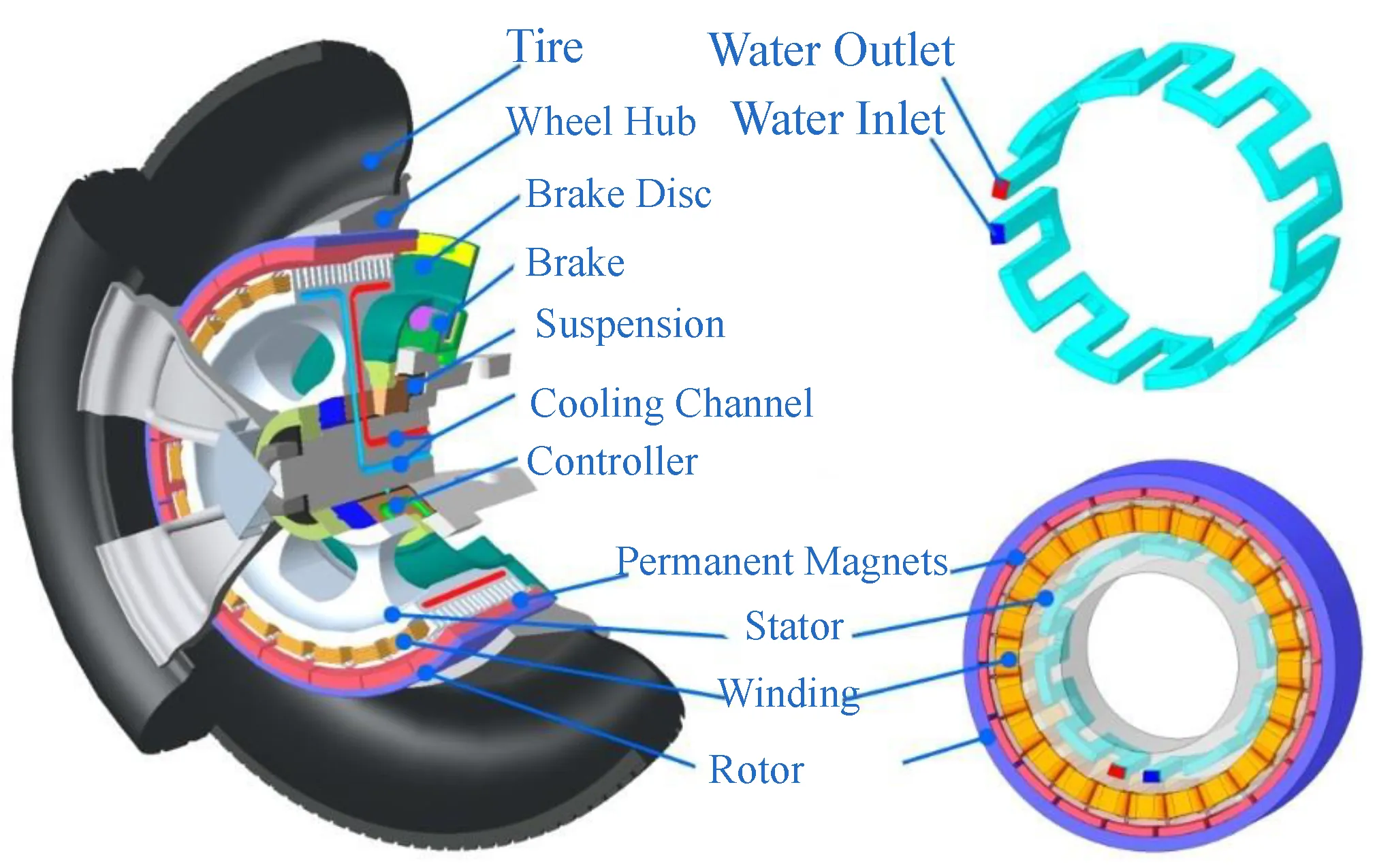
In-Wheel Motor Drive Systems for Electric Vehicles
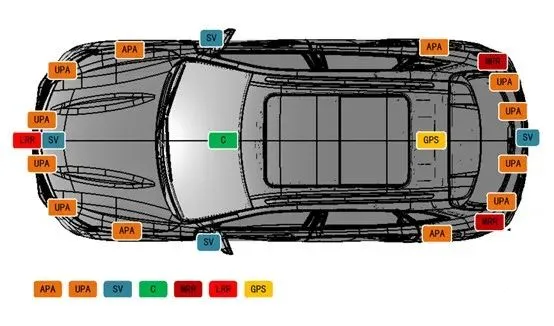
ADAS: Autonomous Parking Technical Approaches
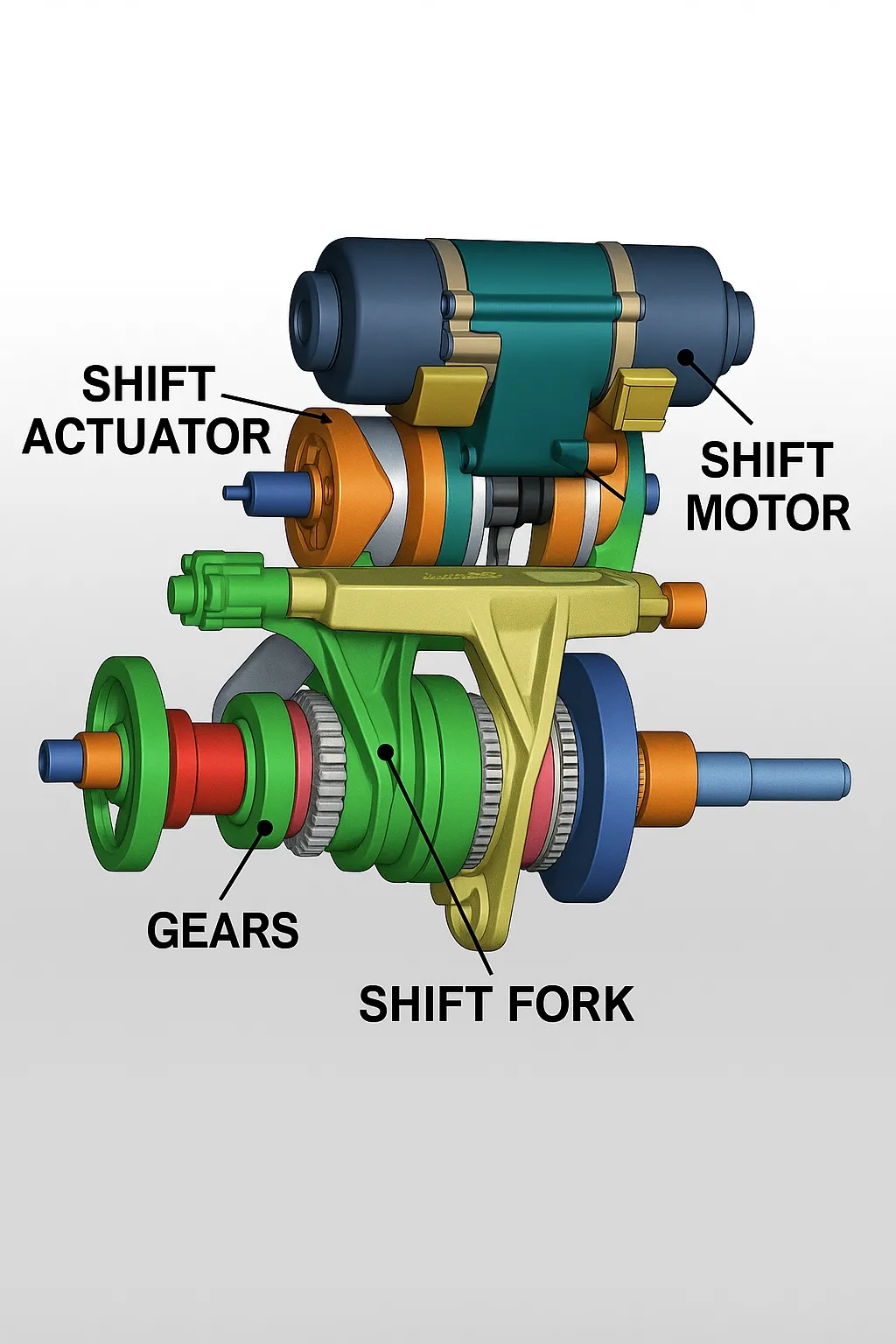
Multi-Gear Electric Drive Systems: Advantages and Limits