PCB Thermal Design
Effective thermal management is a critical aspect of printed circuit board (PCB) design, ensuring that electronic components operate within safe temperature ranges to prevent failures, extend lifespan, and maintain performance. In the realm of PCB Thermal Design, engineers and designers focus on strategies to dissipate heat generated by high-power components, such as processors, power amplifiers, and LEDs. This involves selecting appropriate materials with high thermal conductivity, optimizing board layout for airflow, and incorporating features like thermal vias, heat sinks, and copper pours to enhance heat transfer. For those searching for PCB Thermal Design resources, this tag serves as a comprehensive hub for practical guidance tailored to real-world challenges. Whether you are troubleshooting overheating issues in consumer electronics, automotive systems, or industrial equipment, the content here delves into best practices that can be directly applied to your projects. Key topics include thermal simulation techniques using software tools like ANSYS or Altium, guidelines for multilayer board configurations to minimize thermal resistance, and case studies demonstrating how effective design choices have resolved common problems such as hot spots and thermal runaway. Understanding these principles not only helps in complying with industry standards like IPC-2152 for current-carrying capacity but also empowers you to innovate in designs that demand higher efficiency and reliability. By exploring the articles grouped under this tag, you can gain actionable insights into advanced methods, such as integrating phase-change materials or active cooling solutions, and learn from expert analyses of thermal modeling errors to avoid. This collection equips you with the knowledge to refine your PCB designs, ultimately leading to more robust and efficient electronic products.
Technical Articles
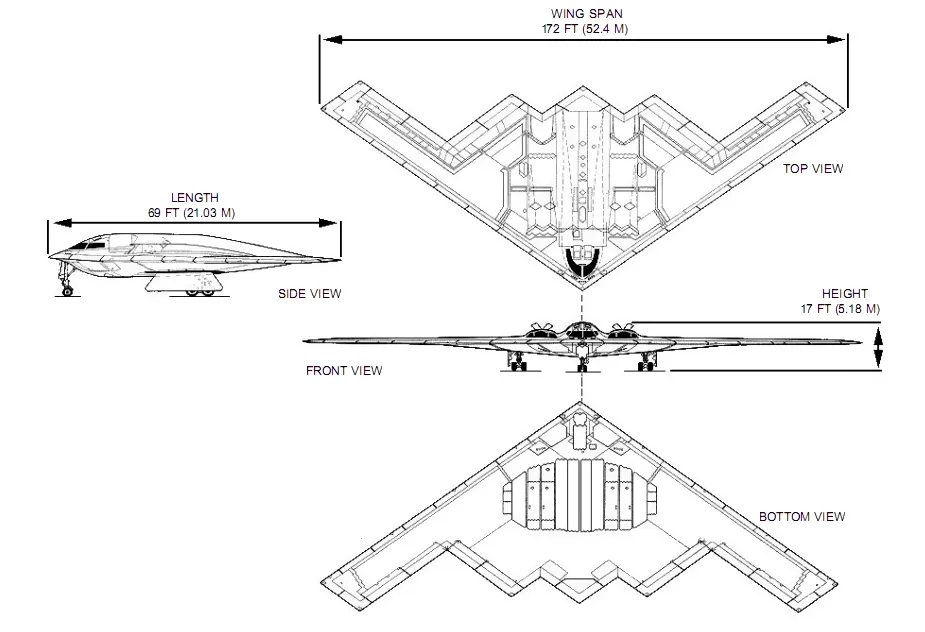
Ghatak UCAV: Technical Overview

How Difficult Is Building an Aerial Refueling Tanker?
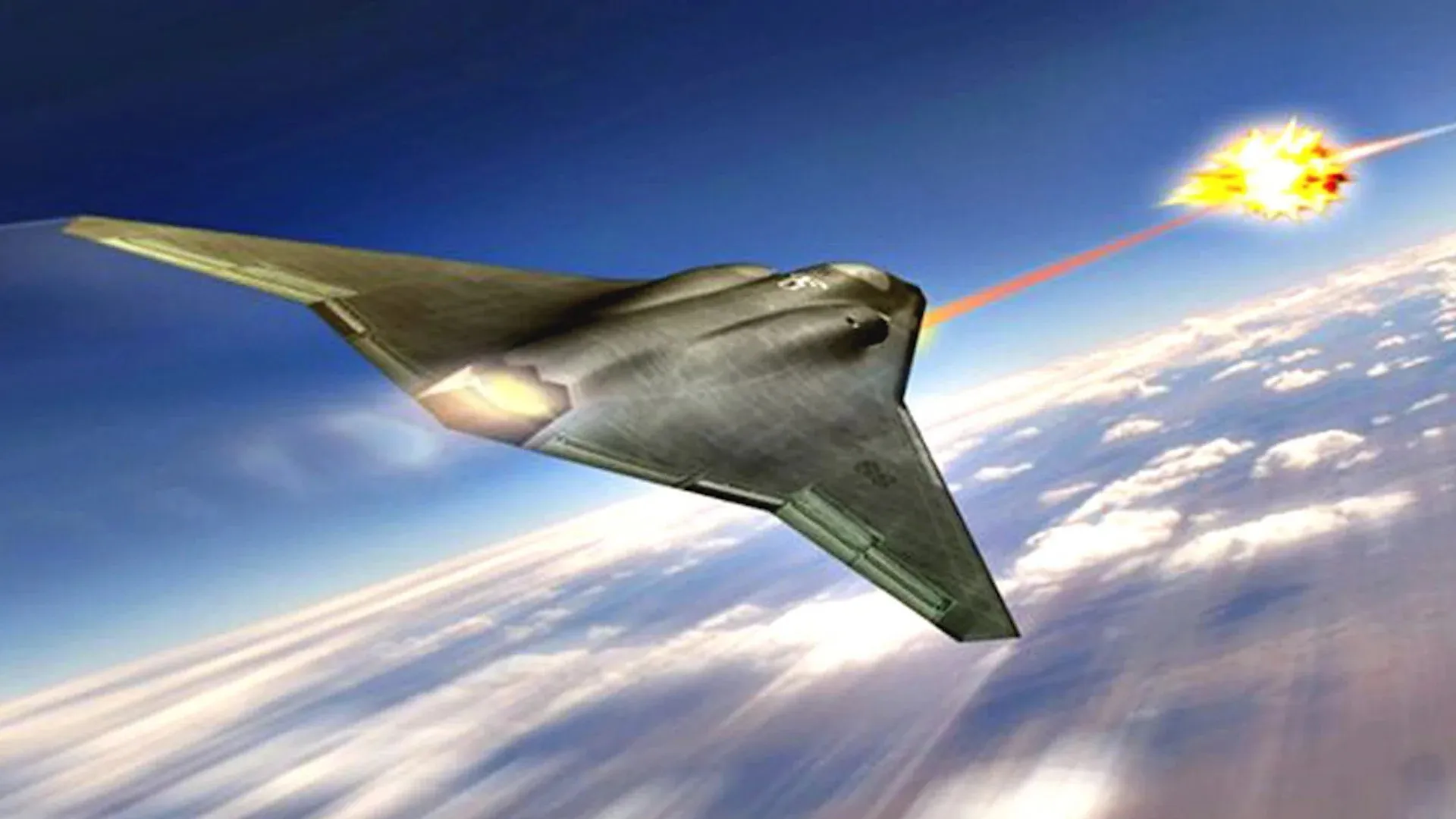
SHiELD: Laser Weapon Feasibility for 5th-Gen Fighters

Cooperative Guidance for Shipborne Surface-to-Air Missile Systems

Do DJI Drones Require a Pilot License? Regulations, Compliance, and Electronics Implications

C919 Airliner: Development Challenges, Technical Route, and Avionics Electronics Insights
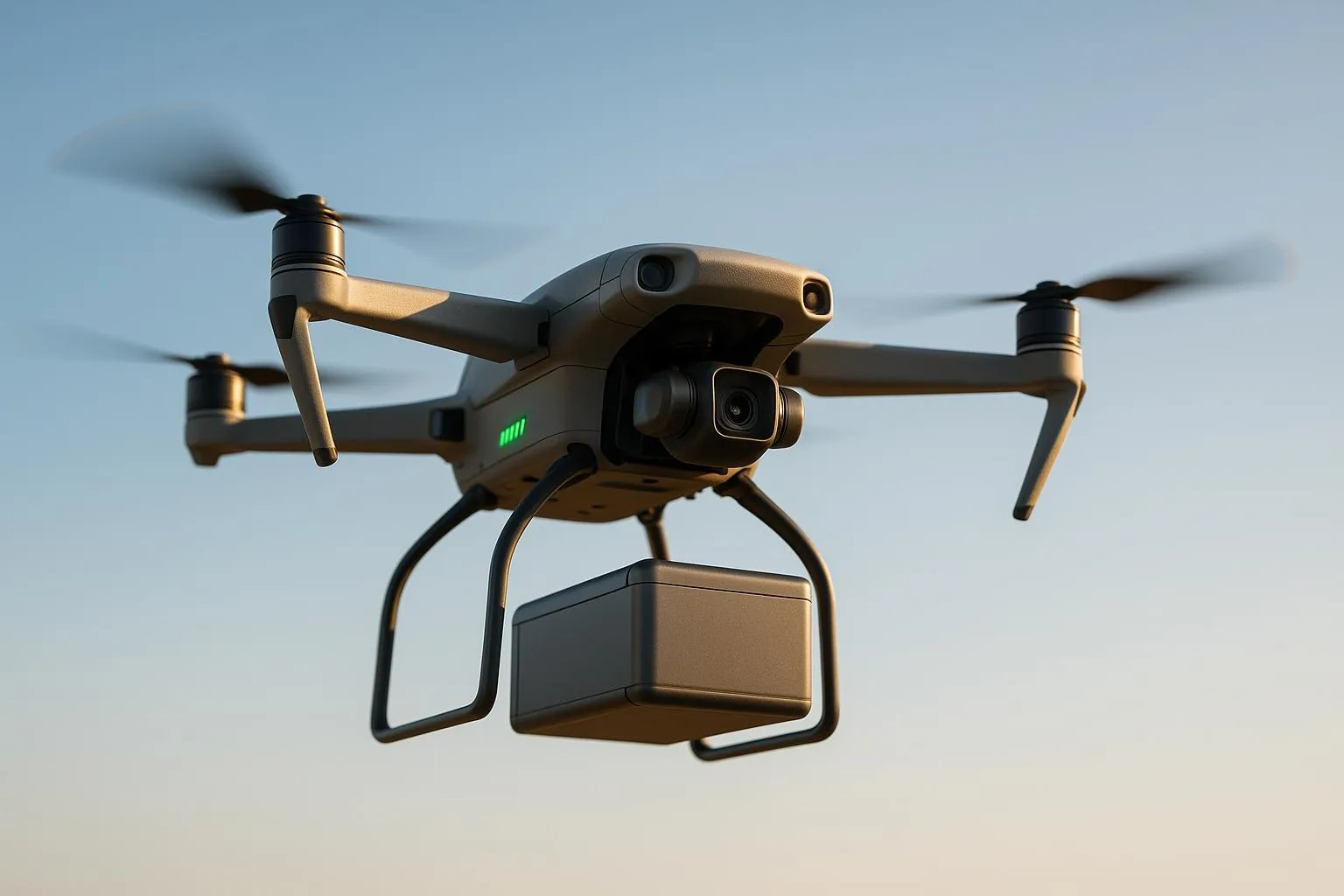
Drone Payload vs Battery Capacity

Loyal Wingman Systems for Combat Drones
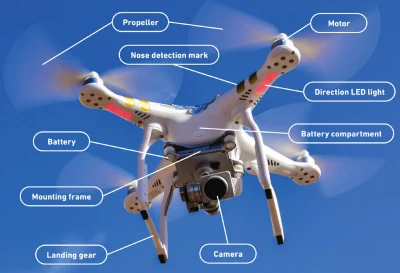
Key Functions and Core Components of Drones: Aerospace Electronics and PCB Insights

How to Measure PCB Thermal Performance
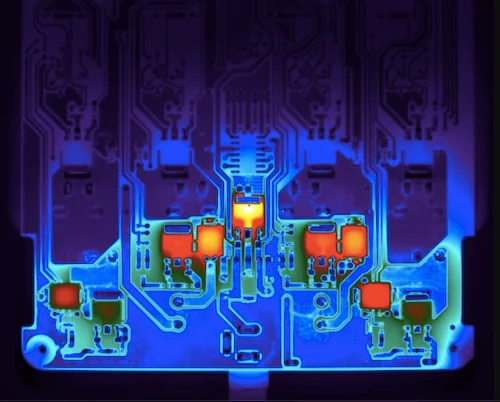
A Beginner's Guide to PCB Thermal Design.
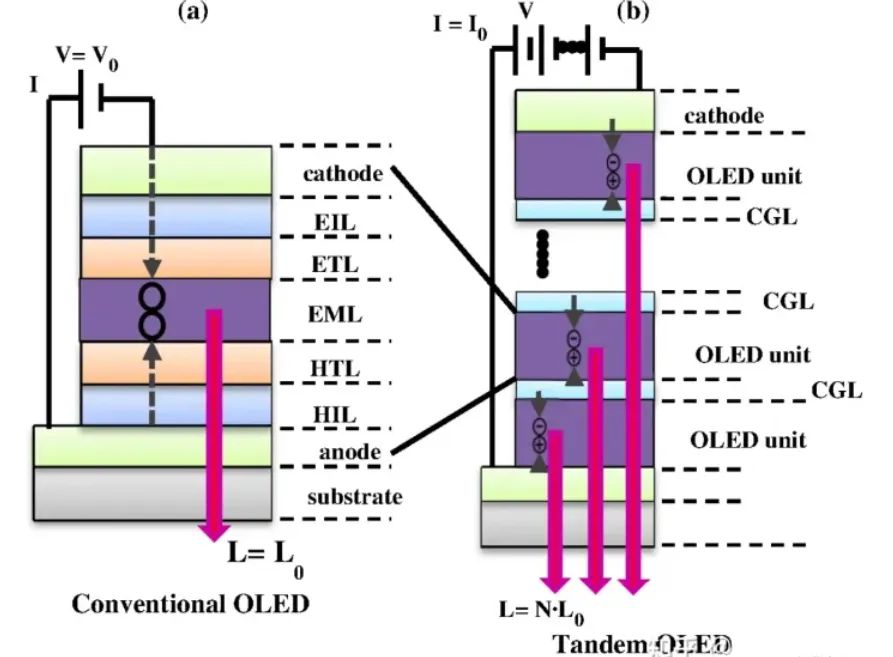
Key OLED Terms Explained: 15 Technical Concepts
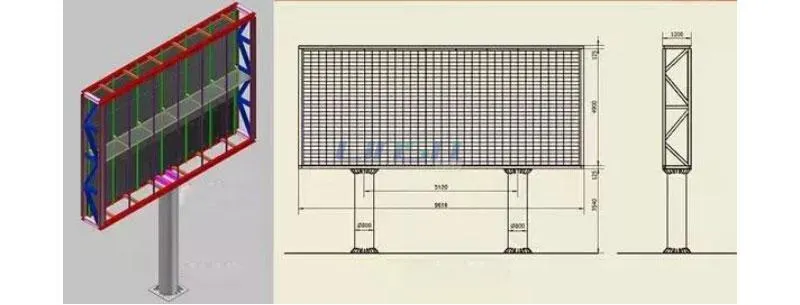
PCB Design for Reliable LED Display Installation, Commissioning, and Long-Term Operation

How Moisture Affects LED Display Components
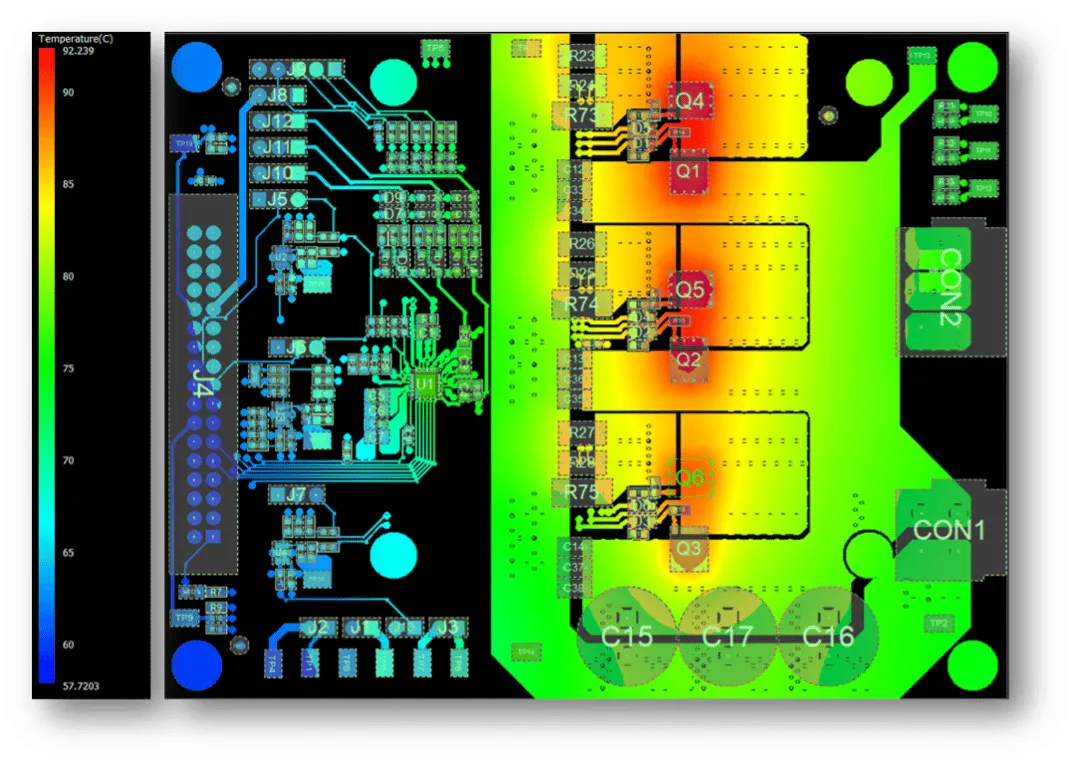
What Are The Best Thermal PCB Design Practices?
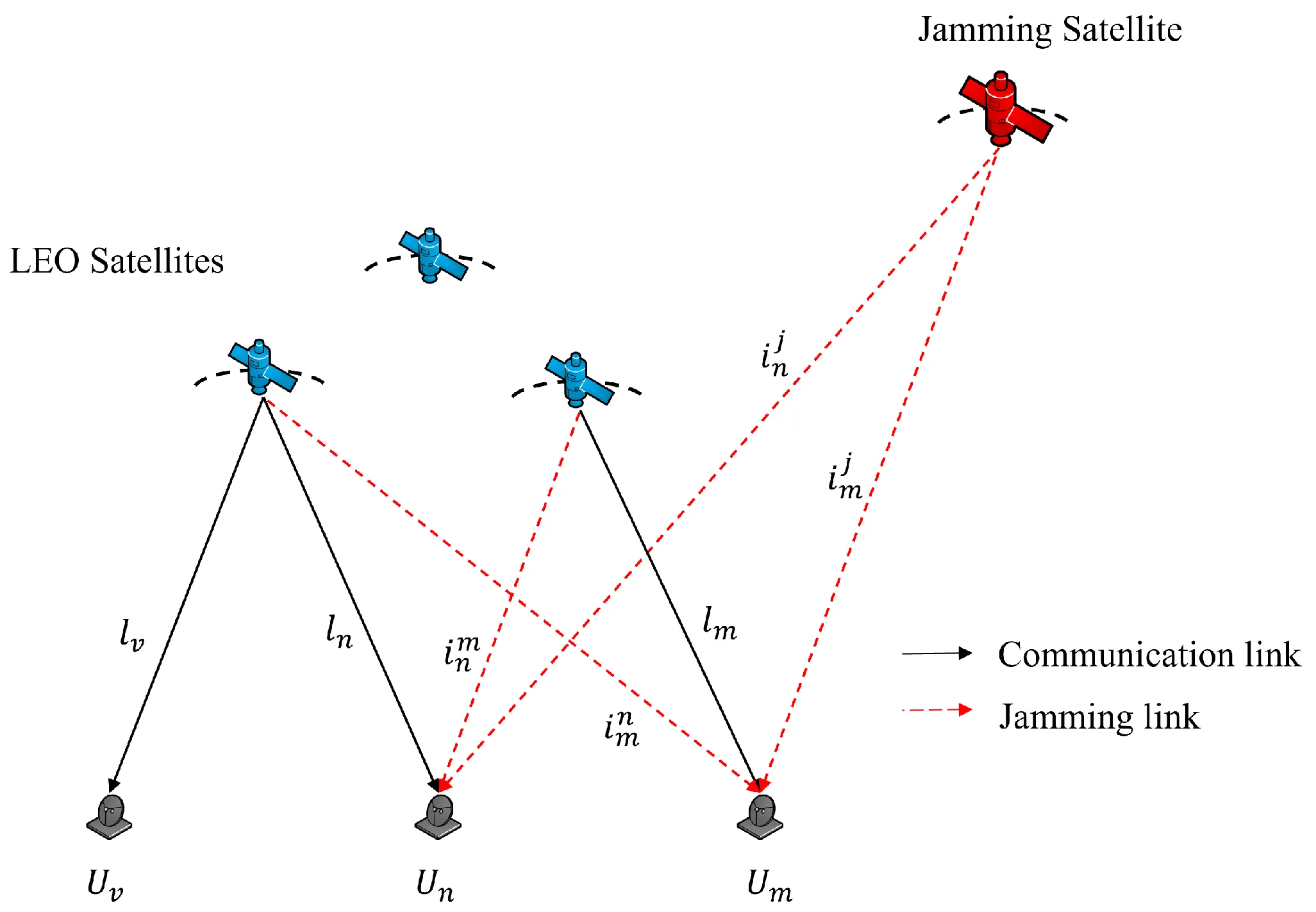
Jamming Effects on Random-Communication Multi-Agent Systems

China In-Car Cockpit SoC Compute Trends
High-Voltage Wiring Design for New-Energy Vehicles