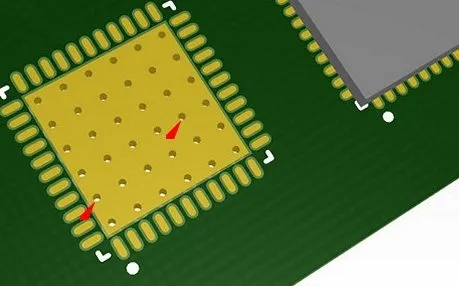
PCB Thermal Design
Effective thermal management is a critical aspect of printed circuit board (PCB) design, ensuring that electronic components operate within safe temperature ranges to prevent failures, extend lifespan, and maintain performance. In the realm of PCB Thermal Design, engineers and designers focus on strategies to dissipate heat generated by high-power components, such as processors, power amplifiers, and LEDs. This involves selecting appropriate materials with high thermal conductivity, optimizing board layout for airflow, and incorporating features like thermal vias, heat sinks, and copper pours to enhance heat transfer. For those searching for PCB Thermal Design resources, this tag serves as a comprehensive hub for practical guidance tailored to real-world challenges. Whether you are troubleshooting overheating issues in consumer electronics, automotive systems, or industrial equipment, the content here delves into best practices that can be directly applied to your projects. Key topics include thermal simulation techniques using software tools like ANSYS or Altium, guidelines for multilayer board configurations to minimize thermal resistance, and case studies demonstrating how effective design choices have resolved common problems such as hot spots and thermal runaway. Understanding these principles not only helps in complying with industry standards like IPC-2152 for current-carrying capacity but also empowers you to innovate in designs that demand higher efficiency and reliability. By exploring the articles grouped under this tag, you can gain actionable insights into advanced methods, such as integrating phase-change materials or active cooling solutions, and learn from expert analyses of thermal modeling errors to avoid. This collection equips you with the knowledge to refine your PCB designs, ultimately leading to more robust and efficient electronic products.
Technical Articles
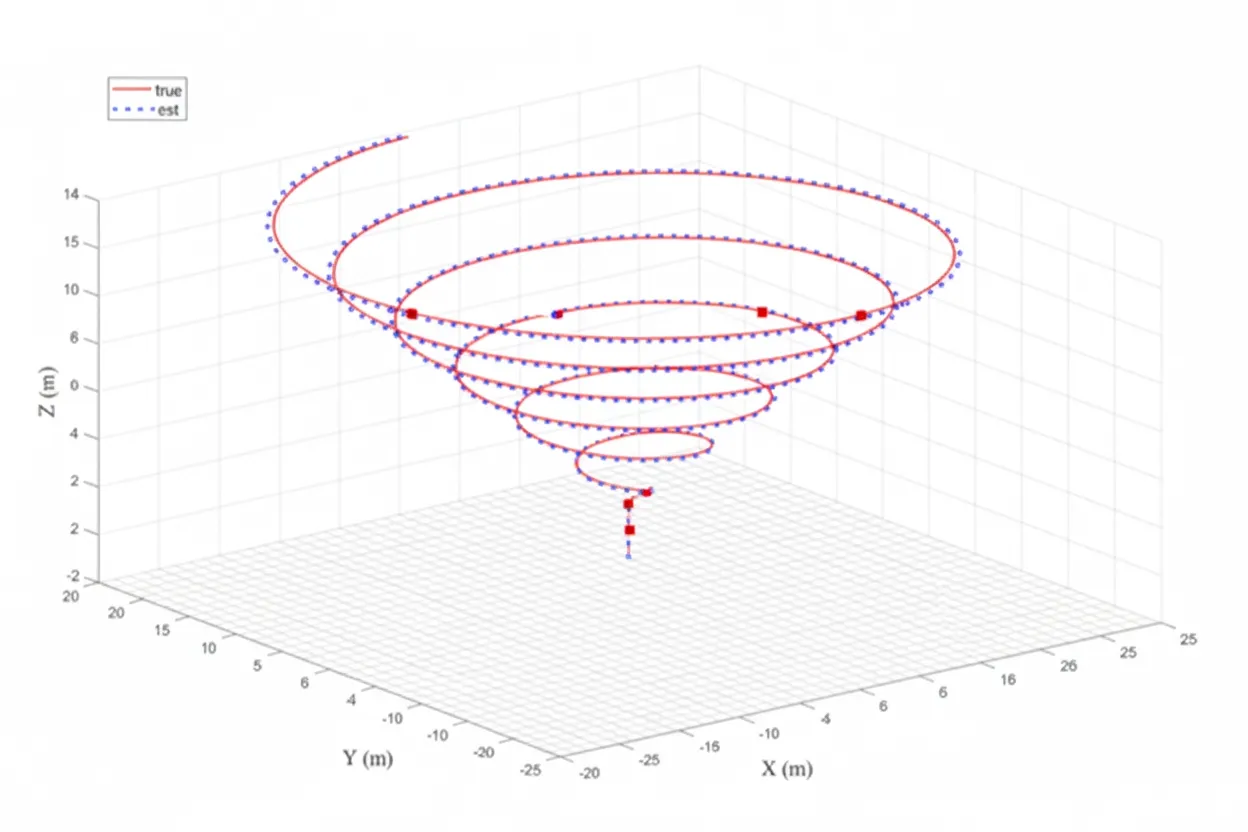
Nonlinear Adaptive Learning Controller for Quadcopter Obstacle Avoidance
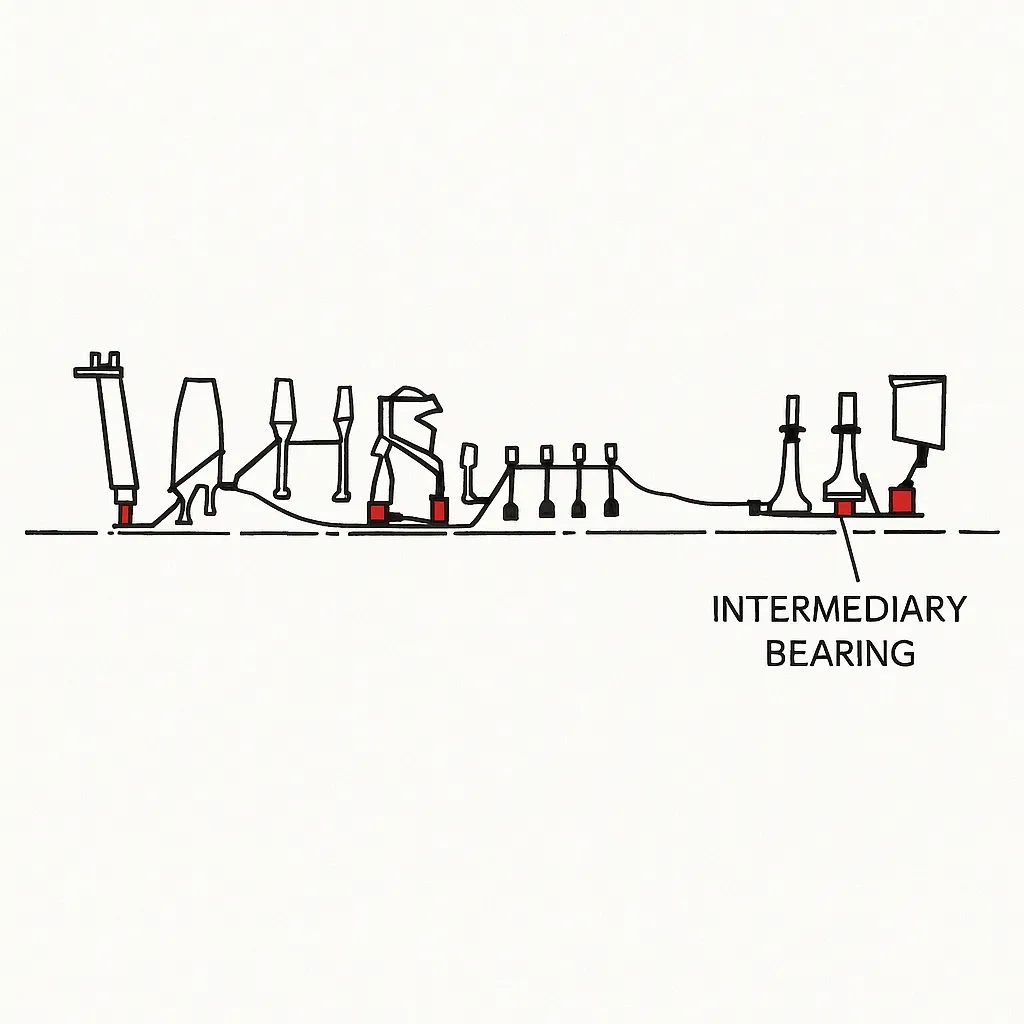
Evolution of High-Speed Rotors in Aircraft Engines

From Geosynchronous Orbits to Starlink Networks

NXP 5G RF Power Device Integration Options
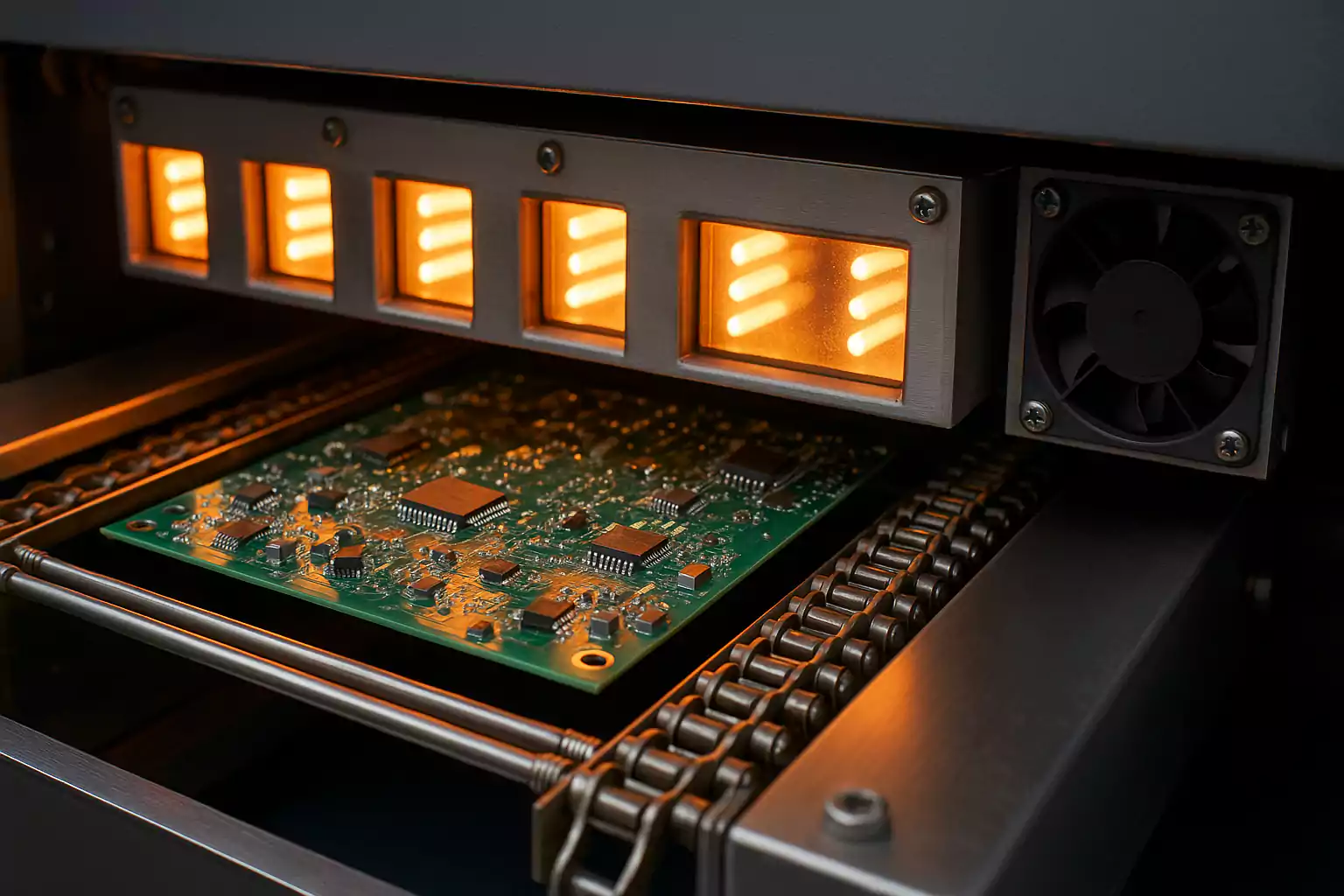
MCPCB Manufacturing Process: A Step by Step Guide from Design to Assembly
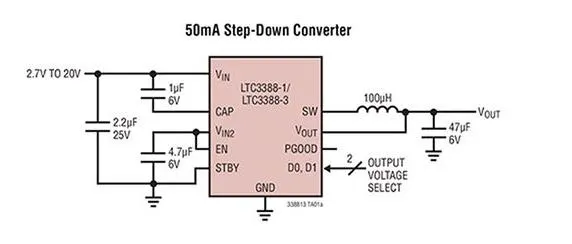
Low-Power Medical Power Supply Using LTC3388
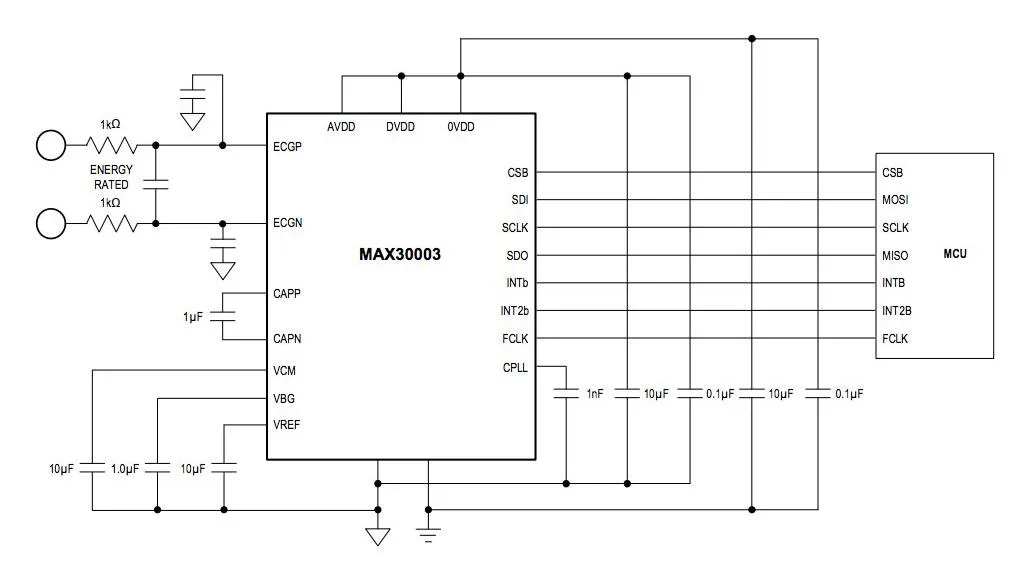
Two Main Methods for Measuring Heart Rate
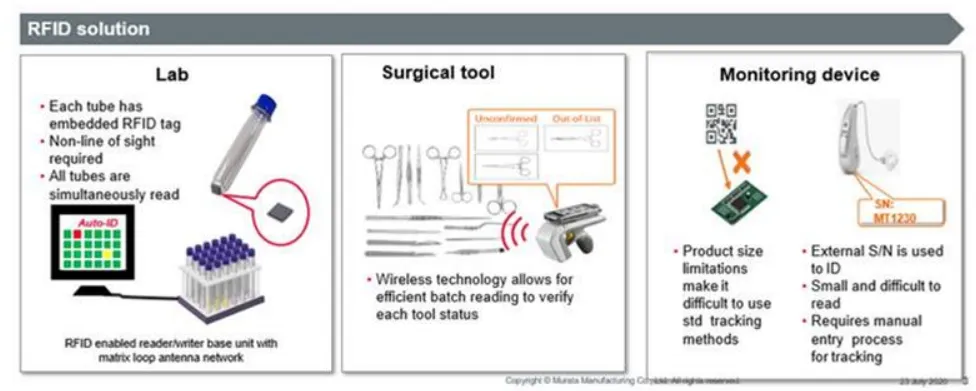
NTC Thermistors and RFID for Medical Applications

High Tg PCB: Solving Heat Challenges in Demanding Electronics

Configuring and Programming PWM on S7-1200 PLC
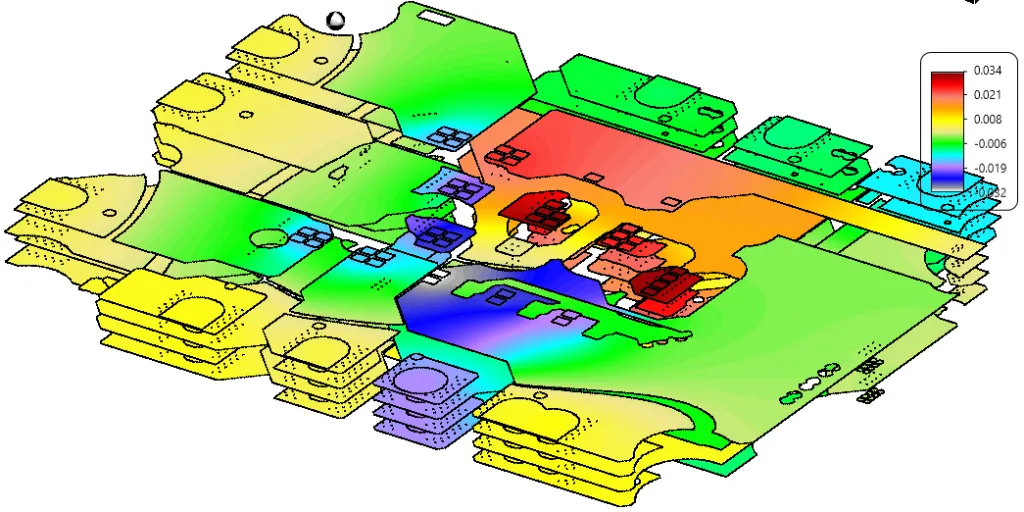
Thermal PCB design
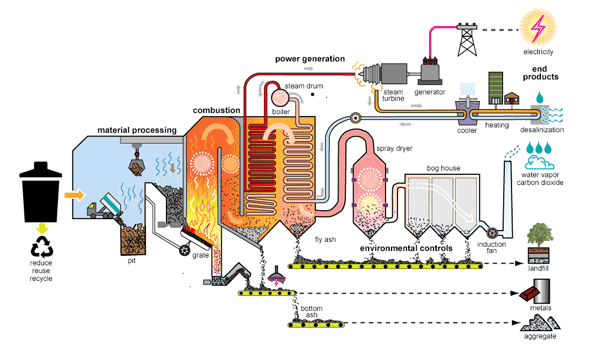
Engine Waste Heat Power Generation Techniques
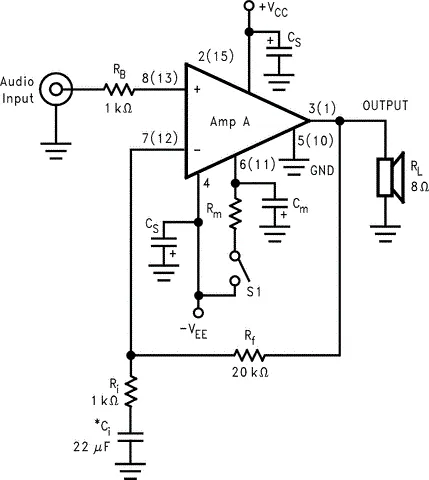
LM4766 Specifications and Applications

Evolution and Requirements of Air and Missile Defense Technologies
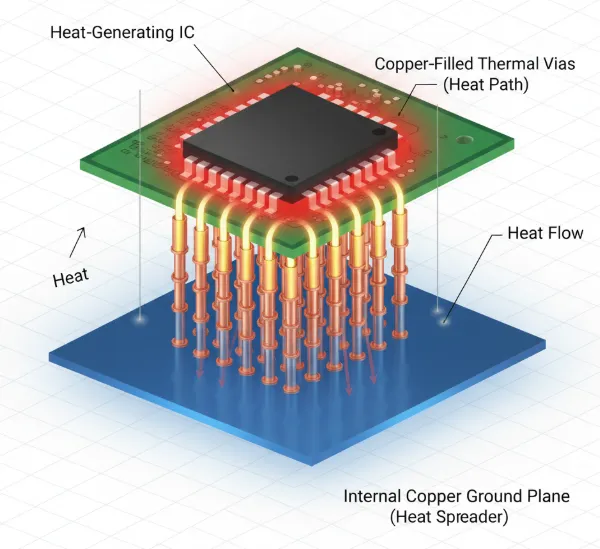
Enhancing PCB Reliability: A Guide to Thermal Vias for Heat Dissipation
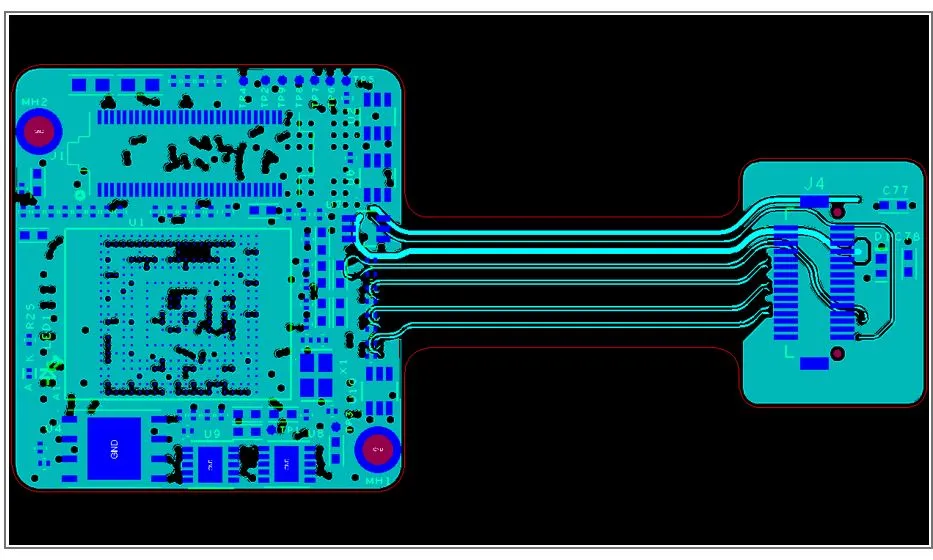
Video Processing PCB Design: A Comprehensive Guide for Beginners
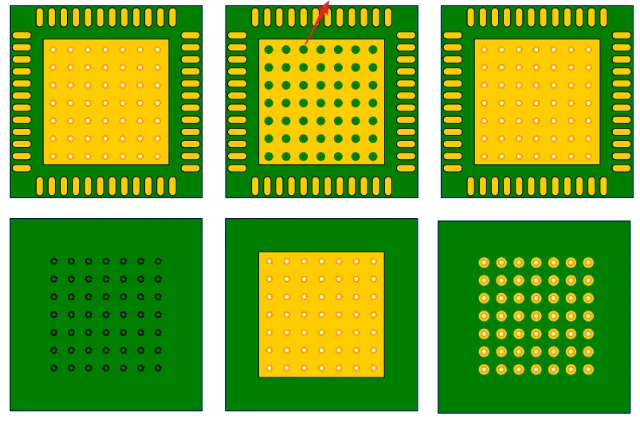
Mastering Thermal Vias: Essential Heat Management for High-Power PCBs
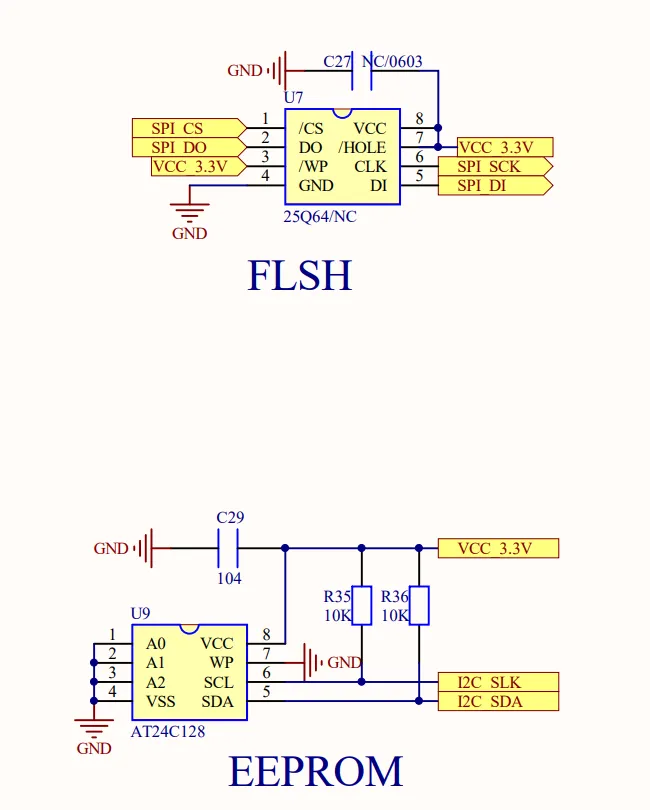
Differences Between Flash and EEPROM