 00:58
RF PCB
Radio frequency printed circuit boards, commonly known as RF PCBs, are specialized components designed to handle high-frequency signals with minimal loss and interference. These boards play a critical role in applications such as wireless communication systems, radar technology, satellite equipment, and mobile devices, where signal integrity is paramount. For engineers and designers searching for RF PCB information, this tag serves as a comprehensive resource that delves into the unique challenges and solutions associated with these high-performance circuits. Understanding RF PCB design begins with selecting appropriate materials like low-loss dielectrics and controlled impedance traces to ensure efficient signal transmission. Key considerations include managing electromagnetic interference, optimizing layout for impedance matching, and incorporating shielding techniques to prevent crosstalk. Practical applications often involve multilayer boards that support complex RF modules, enabling innovations in 5G networks, IoT devices, and automotive radar systems. By focusing on best practices such as precise stack-up configurations and simulation tools, users can achieve reliable performance and reduce prototyping iterations. This tag gathers articles that offer actionable insights into RF PCB fabrication processes, including etching methods, via structures, and testing protocols to verify signal quality. Whether you are troubleshooting common issues like signal attenuation or exploring advanced topics such as millimeter-wave designs, the content here provides technical depth to support your projects. Browsing through these resources can help refine your approach to RF engineering, drawing from real-world examples and expert recommendations to enhance design efficiency and product reliability.
Video Guide
-
00:58
Technical Articles

DEVM in FEM RF Amplifier Output Power
Structure and Functional Modules of Electronic Tag Chips

Why Digital Twins Matter in Telecommunications
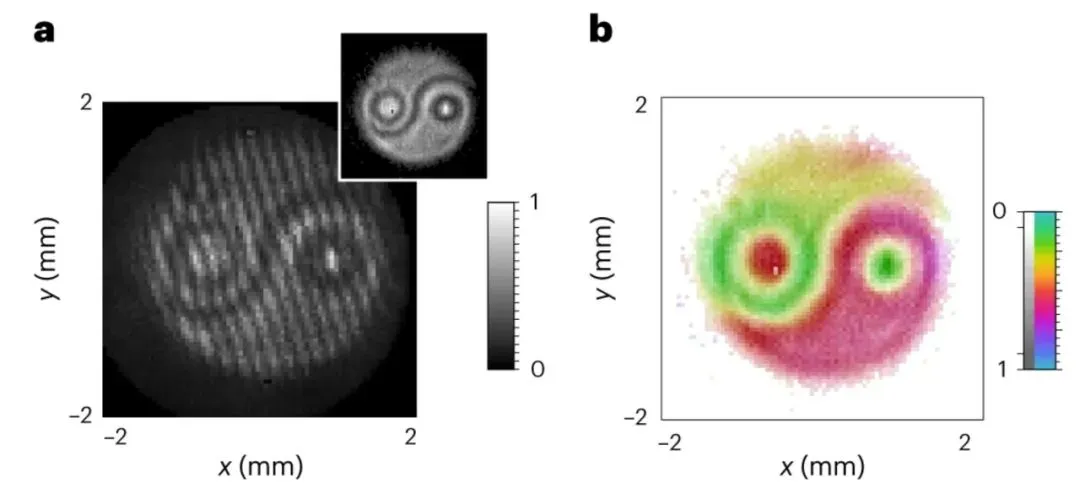
What Are Two-Photon States and How to Measure Them
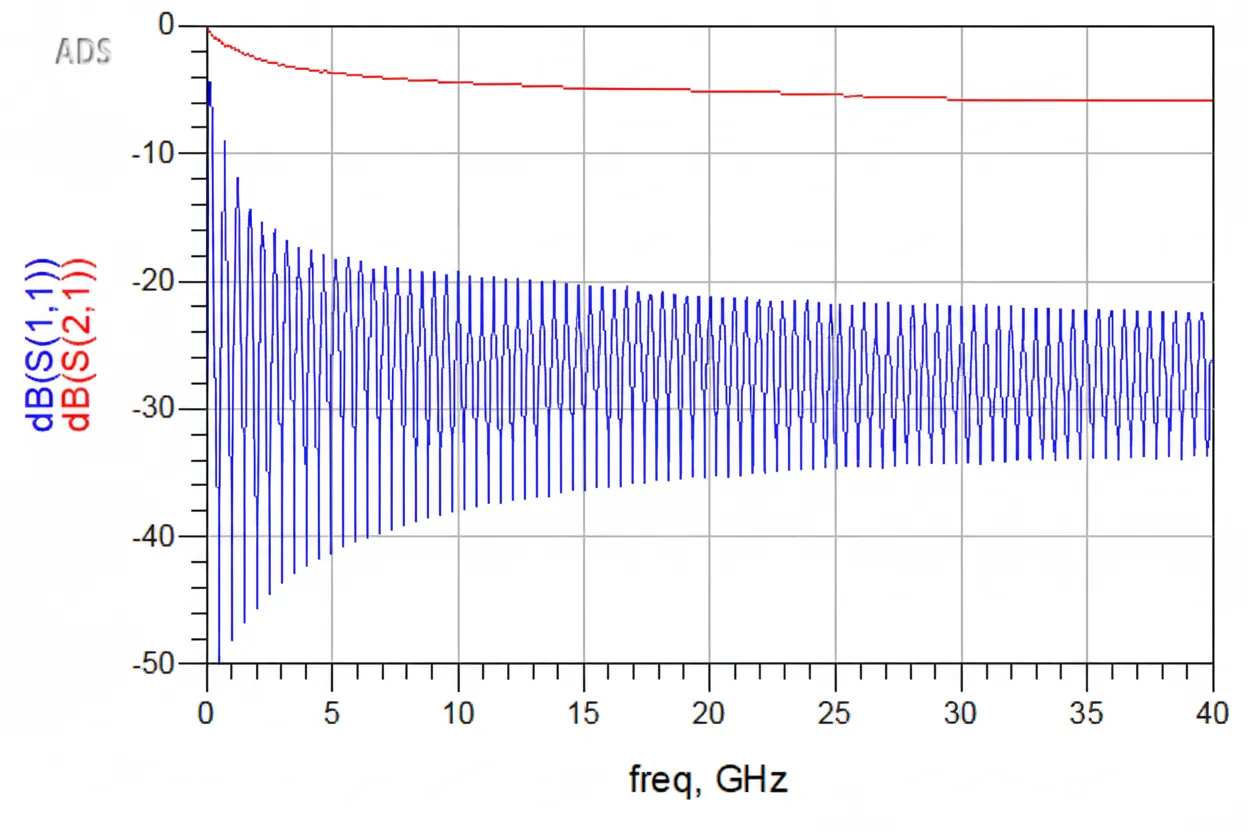
Using S-Parameters to Analyze Microwave Networks
Search Superheterodyne Radar Frequency Measurement

Principles of Directional Infrared Countermeasure Systems
PCB Routing for RF Applications: Minimizing Signal Loss and Noise
Beyond Through Hole: Exploring Advanced Applications of Blind and Buried Vias
Designing a Smart Wristband with nRF51822

Quantum-Enhanced Network Security
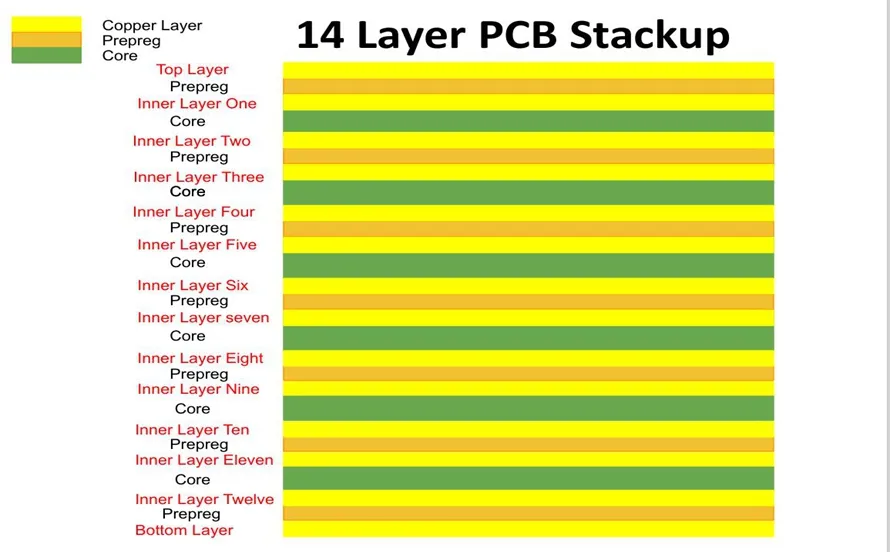
Sequential Lamination for RF and Microwave PCBs: Optimizing Performance in High Frequency Applications
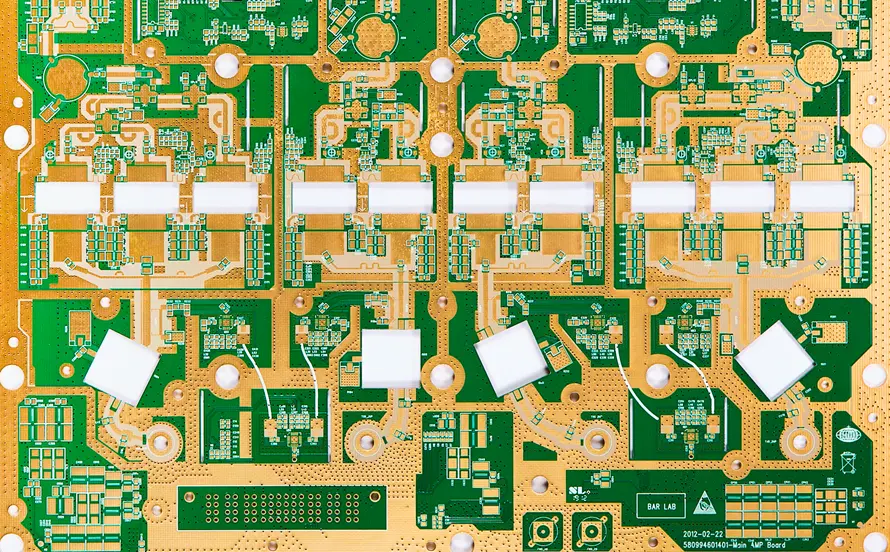
High Frequency PCB Design for Beginners: A Step by Step Guide
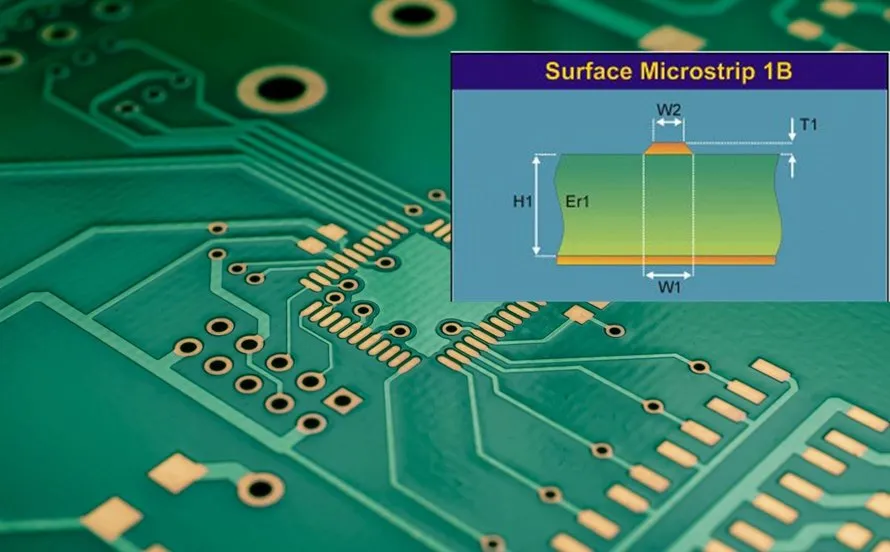
The Ultimate Guide to Designing PTFE PCBs for RF and Microwave Applications
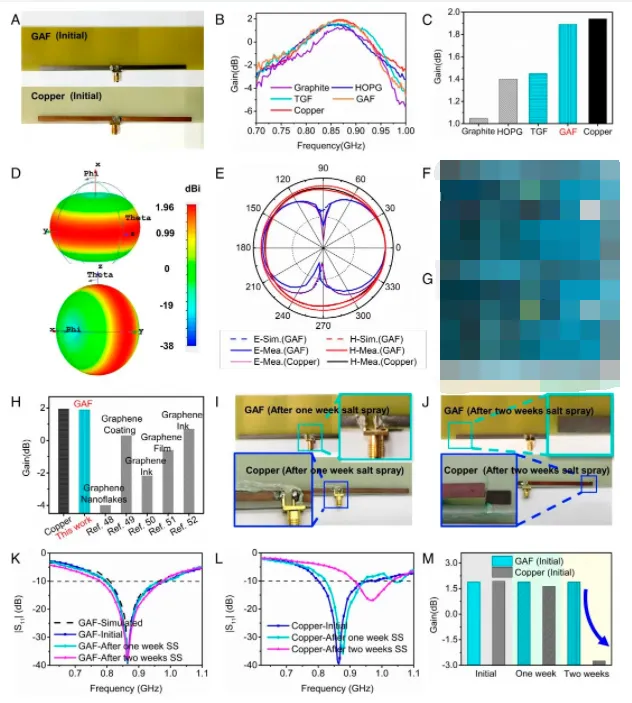
Graphene Assembled Films: Enabling High-Performance RF Components and EMI Shielding for 5G Systems
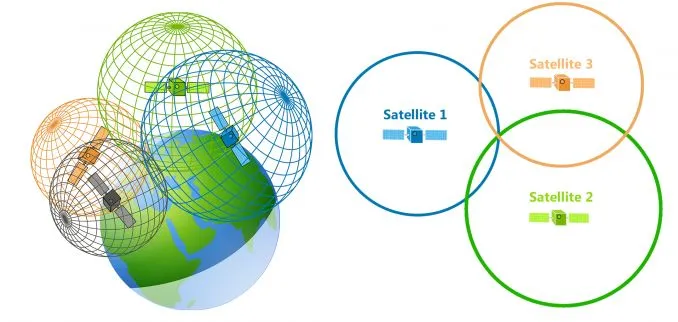
How Do Smartphones Determine Location?

Three Emerging Smartphone Technologies
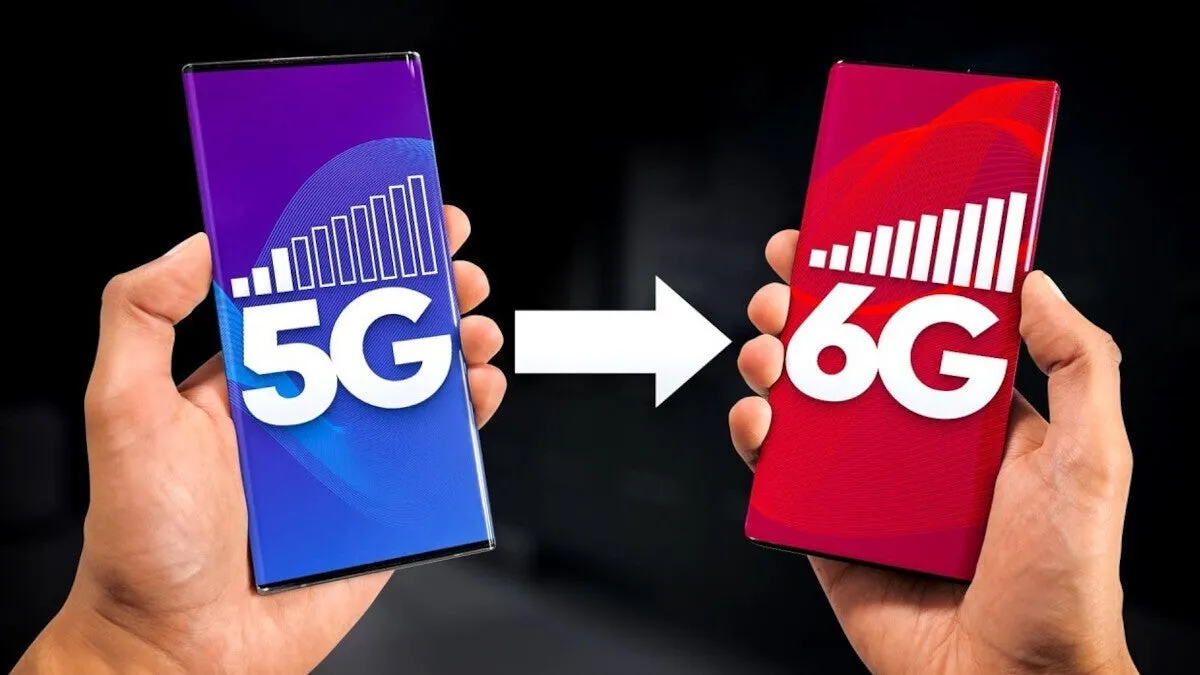
What Is 5.5G and How It Differs from 5G and 6G
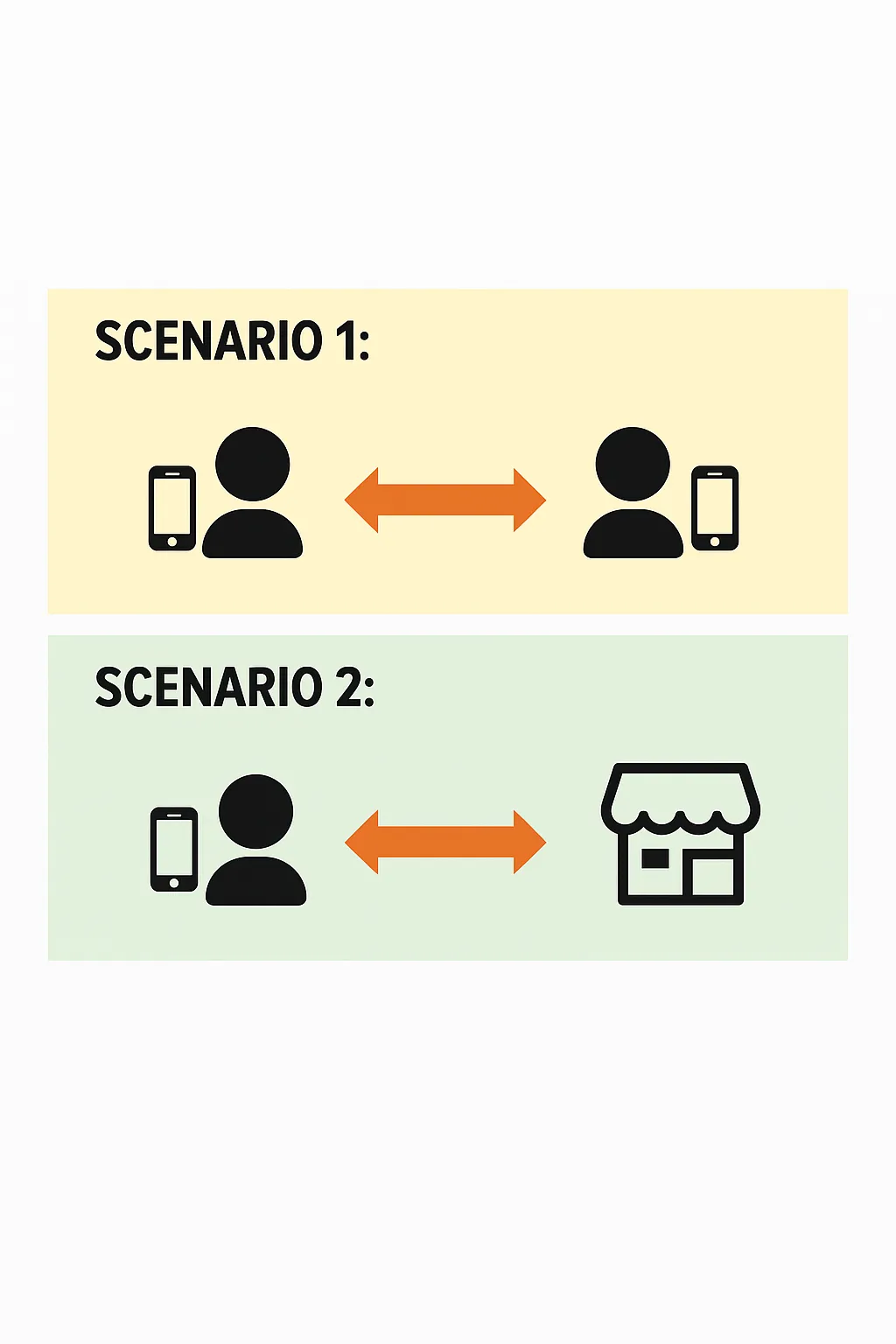
What Is 5G Messaging and Why Is It Being Promoted?