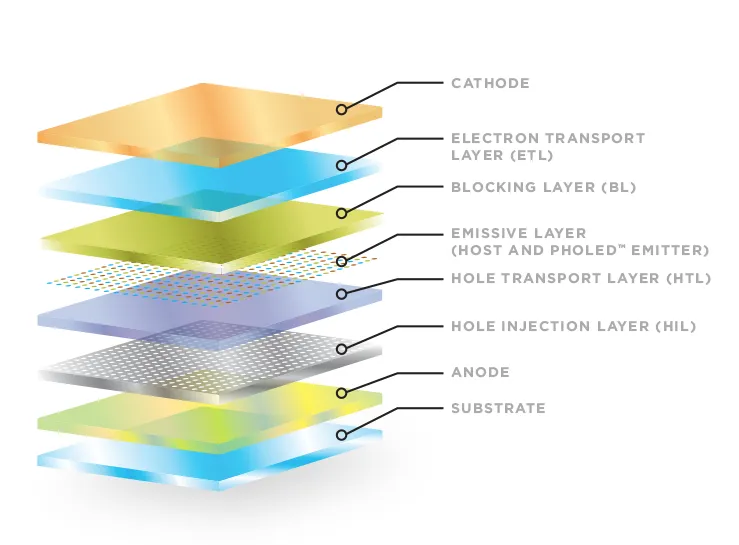
OLED Panel Structure and Principles
Technical overview of evaporated OLED materials and AMOLED trends, covering material functions, purification/recovery processes, supply?chain localization and market dynamics.
In the realm of modern electronics, LEDs & Lighting represent a cornerstone of innovation, blending efficiency with versatility across countless applications. This category delves into the fundamentals and advanced aspects of light-emitting diodes (LEDs) and broader lighting systems, exploring how these components integrate into printed circuit boards (PCBs) to power everything from consumer gadgets to industrial setups. Whether you are designing energy-efficient illumination for smart homes or optimizing high-performance displays, understanding LEDs involves mastering their electrical properties, thermal management, and compatibility with various circuits. The practical value of LEDs & Lighting extends far beyond basic functionality, offering solutions that enhance sustainability and performance in real-world scenarios. For instance, LEDs consume significantly less power than traditional bulbs, making them ideal for automotive lighting, architectural designs, and portable devices where battery life is critical. This category addresses key challenges such as color rendering, dimming techniques, and integration with microcontrollers, providing insights that help engineers and hobbyists alike achieve reliable, long-lasting results. By focusing on technical relevance, we highlight how advancements in LED technology contribute to fields like renewable energy systems and medical equipment, where precise lighting can improve outcomes and efficiency. Our collection of articles spans a wide breadth, including step-by-step guides on PCB layout for LED arrays, tutorials on selecting the right drivers and heat sinks, and in-depth insights into emerging trends like smart lighting protocols. Best practices are emphasized throughout, covering topics from soldering techniques to compliance with safety standards, ensuring readers can apply knowledge confidently in their projects. As you navigate these resources, you will find interconnected discussions that build on each other, from beginner-friendly overviews to expert-level analyses of quantum dot LEDs and wireless control systems. Diving into multiple pieces here reveals patterns and innovations that can transform your approach to electronics design, fostering a deeper appreciation for how LEDs & Lighting drive progress in an increasingly connected world.
Technical overview of evaporated OLED materials and AMOLED trends, covering material functions, purification/recovery processes, supply?chain localization and market dynamics.
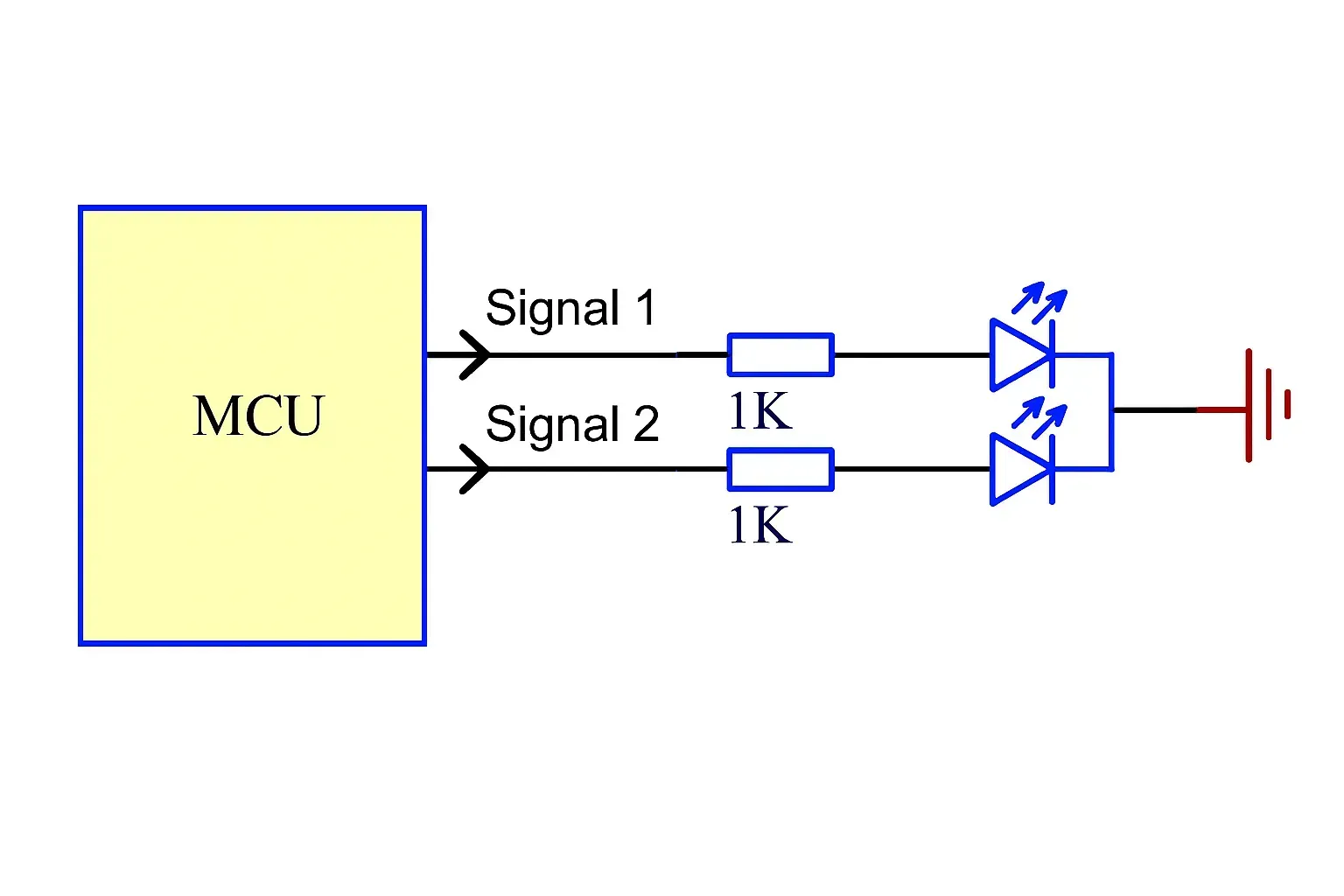
Technical overview of LEDs: PN-junction operation, types and packaging (SMD/through-hole), forward voltage, current-limiting resistor calculations and driver circuits.
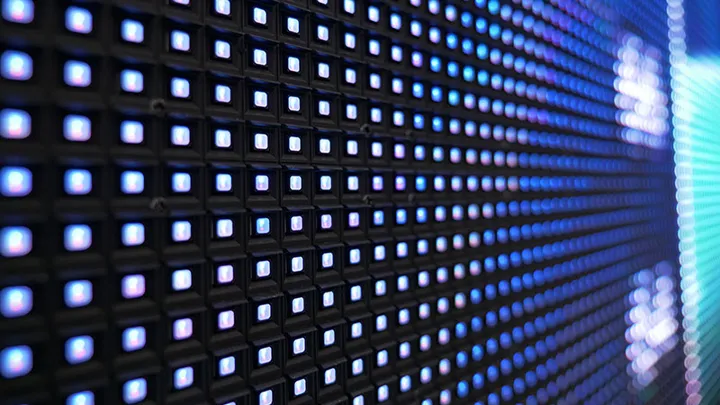
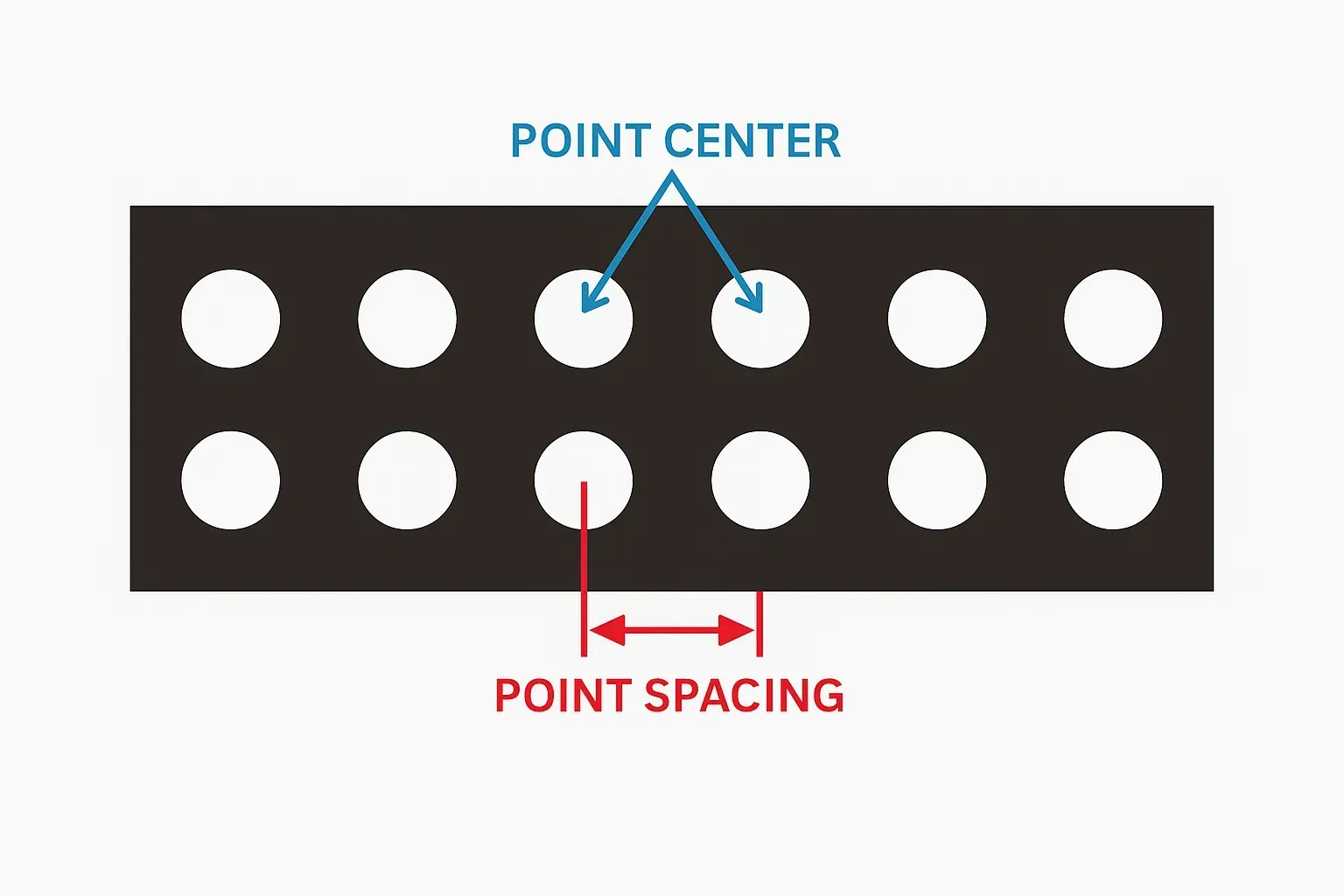
Practical selection criteria for LED displays: pixel pitch, brightness, aspect ratio, refresh rate, control method, and color type for optimal installation.
Concise glossary of 55 LED display terms and definitions covering pixel pitch, pixel density, module specs, drive methods, color metrics and control.
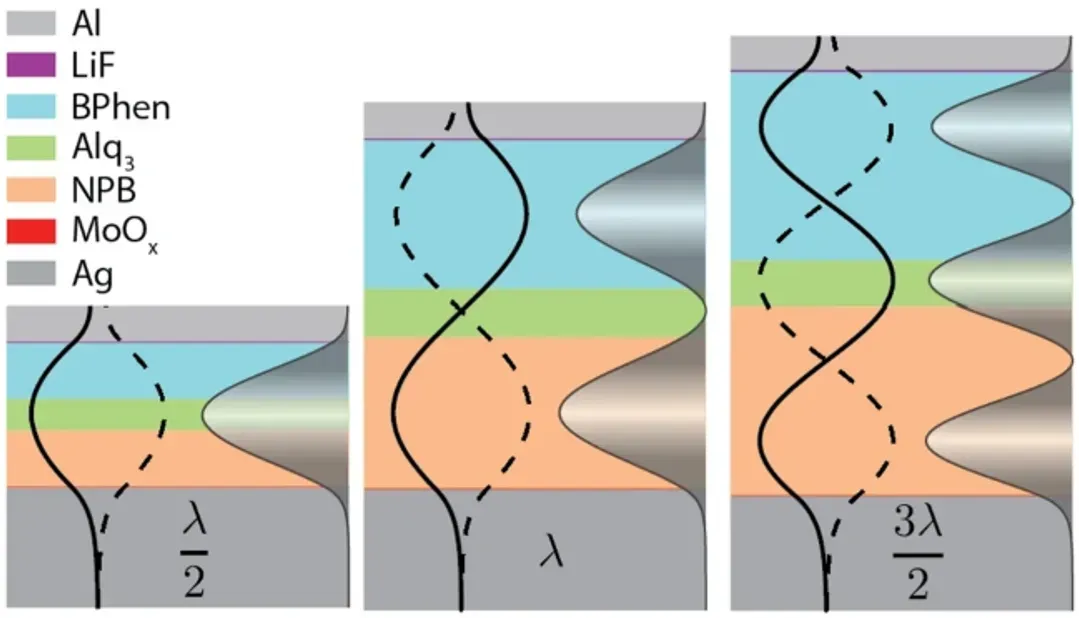
Review of OLED color purity: quantification of chromaticity, vibronic-coupling effects, material strategies (fluorescent, phosphorescent, TADF) and microcavity device approaches.
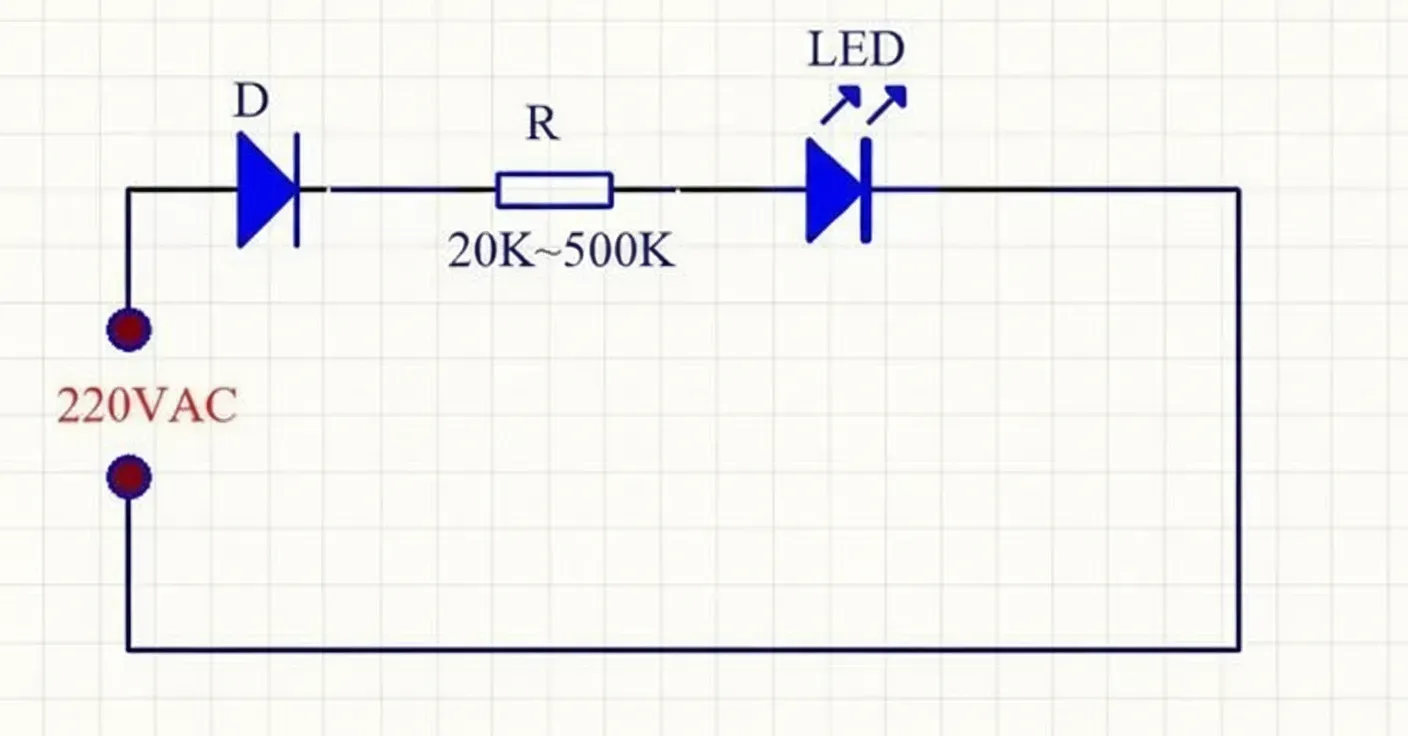
Practical guidance for connecting an LED to 220 V AC: trade-offs for series resistor sizing, reverse-voltage protection with a rectifier diode, and anti-parallel LEDs.
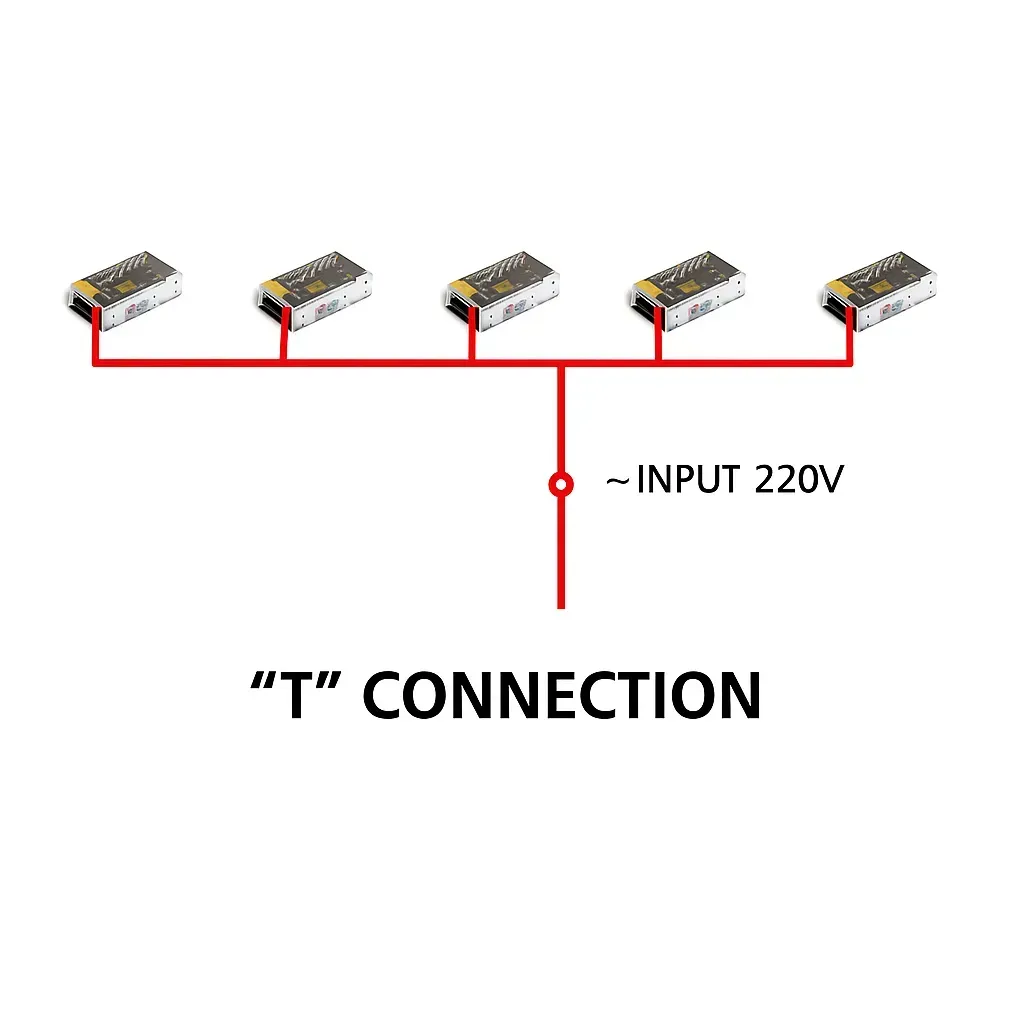
Analysis of storefront LED power wiring: compares straight-line vs T-shaped wiring, explains voltage drop, cable sizing, and safe feeder currents to prevent overheating.
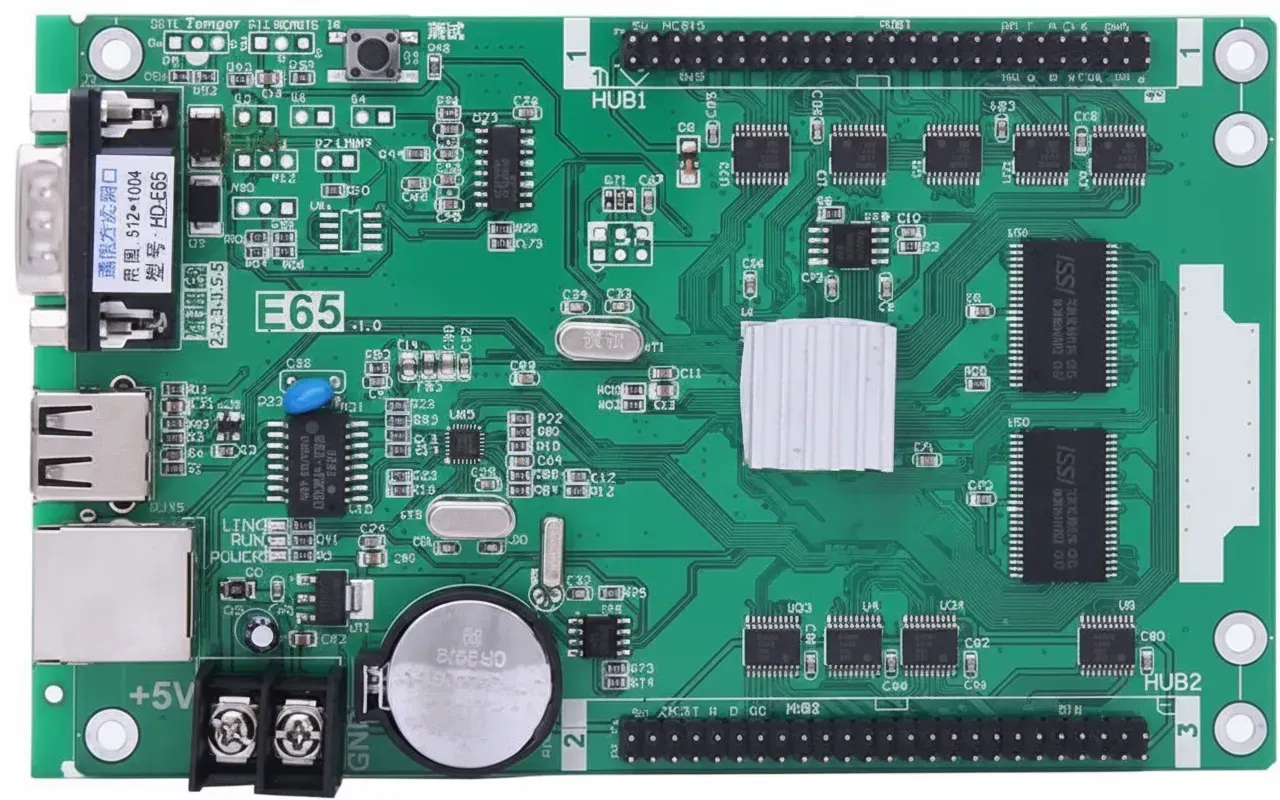
Technical guide to updating LED display text and configuring control cards: identify model and resolution, then update via USB, serial, Ethernet, Wi-Fi, WeChat, or mobile.
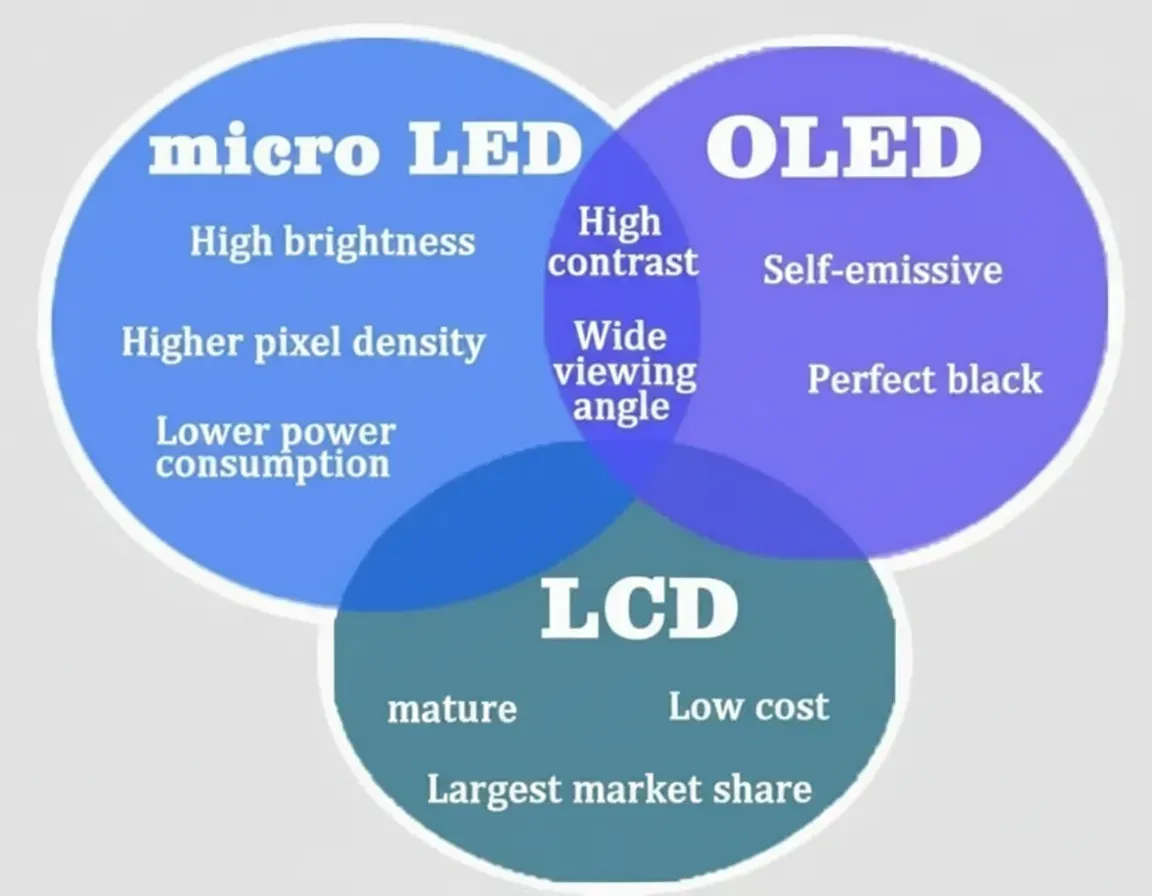
Comparison of OLED and Micro LED display technologies: operating principles, performance trade-offs, power, contrast, and manufacturing challenges for engineers.
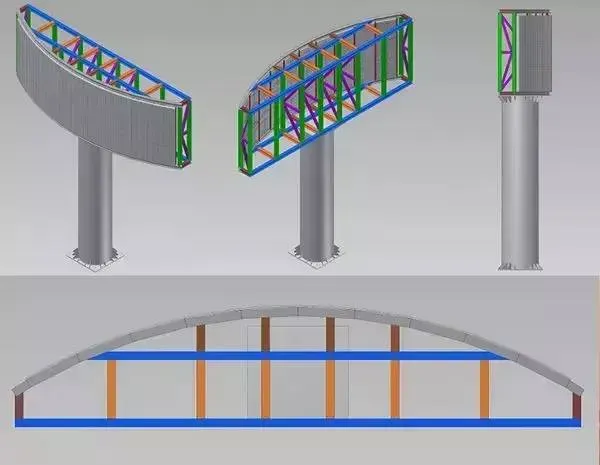
Technical overview of LED displays installation methods including wall-mounted, column, cantilever, suspended, embedded, rooftop, stadium fence, rental, curved and truss-mobile.
Overview of LED display control systems, control card types (C/E/G/F), interface standards (T08/T12/T75), and array-based architecture for synchronous/asynchronous displays.
Overview of indoor LED displays and cooling: brightness limits, ventilation gaps, why dedicated cooling is usually unnecessary, and PCB coating for high humidity.