When a 2-layer FR-4 board with TG170 material, 2 oz copper on both sides, and IPC Class 3 acceptance criteria arrives for production, the electrical design may already be complete. Yet the manufacturing package still requires deliberate preparation of production markings before the job can be released. In this case the core activity centered on PCB production marking—specifically the addition of a year-week date code in blank silkscreen areas and confirmation of the production serial number location. These steps ensure batch traceability, support quality records, and keep the transition from sample to potential mass production free of ambiguity.
Our CAM review treated the placement and format of these markings as the primary production-readiness decision. Supporting confirmations on the production draft, version consistency, and sample-to-mass-production continuity were handled as coordinated steps that keep the entire manufacturing data package consistent and ready for shop-floor execution.
Project Overview and Manufacturing Package Requirements
The order ( #FR4-20260317-040 ) specified FR-4 (KB-6167F) with TG170, board thickness 1.6 mm, and 2 oz copper on both sides. Solder mask was green on top and bottom; silkscreen was white on both sides. Surface finish was ENIG at 1.00 µm with approximately 30 % coverage. Vias were tented, minimum hole diameter 0.8 mm, and trace/space set at 10 mil. The panel was arranged as 3 × 2 with 5 mm process edges on the left and right sides, depanelized by V-cut plus routing slots. Mechanical forming was required, electrical test used an engineering test fixture, and X-out boards were accepted. The job was confirmed for production under conventional engineering quality and IPC Class 3 acceptance standards. Shipping documentation included the electrical test report and quality certificate.
Because the panel already carried 5 mm process rails, these non-functional margins provided ideal real estate for permanent production markings. The customer data, however, did not yet contain a date code or a confirmed production serial number. Without these identifiers the finished boards would lack a clear link to manufacturing date and lot, complicating any future quality investigation or batch isolation. The engineering package therefore required explicit addition and positional confirmation of these markings before release.
Adding Year-Week Date Code in Silkscreen Blank Areas
During data review the CAM engineer noted that the silkscreen layer contained unused blank regions, particularly on the process rails. The recommendation was to place a year-week date code (default format YYWW) in one of these blank areas. This code records the manufacturing period and enables later correlation of any field return or process variation to a specific production week. On an IPC Class 3 board the ability to trace a lot back to its fabrication window is especially valuable for quality-system compliance.
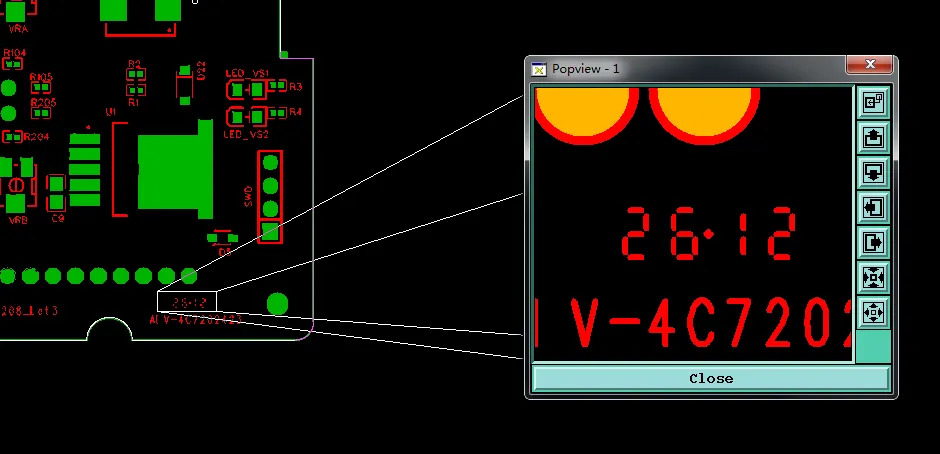
Figure 1: add date code YYWW on the board
The date code was positioned so that it remained legible after V-cut and routing, yet stayed outside the functional board area. Because the customer had not specified an alternative format, the standard year-week convention was proposed. Customer confirmation of both the format and the exact location locked the silkscreen artwork and prevented later disputes over marking content.
Once confirmed, the date-code legend was added to the production draft. This single addition supports both internal process control and any customer requirement for permanent time-based identification after depanelization.
Confirming Production Serial Number Location
In parallel the customer requested the addition of a production serial number. The CAM engineer proposed a location on the process rail adjacent to the date code, ensuring the number would remain readable after board separation. The position was chosen to avoid interference with V-cut lines, tooling holes, or functional copper. Customer confirmation that the proposed location was acceptable completed the pair of permanent identifiers.
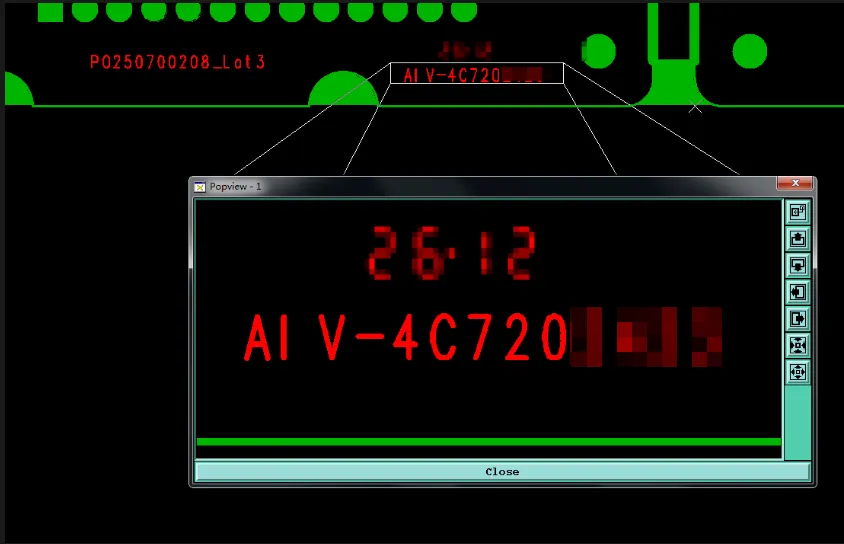
Figure 2: production serial number location
Without a confirmed serial-number position the manufacturing package would have been released with an open variable. Operators on the silkscreen line would then have to improvise placement, risking inconsistency across panels or accidental overlap with other features. Explicit positional approval eliminated that risk and allowed the legend plot to be finalized in one revision.
Production Draft Confirmation and Stencil Data Separation
An attachment containing the updated production draft and PDF was submitted for customer review. The engineering note emphasized that this data set was intended solely for fabrication confirmation and must not be used for stencil design. This distinction is critical: stencil apertures are derived from a separate, assembly-oriented data package. Using fabrication Gerbers or the production draft for stencil opening would introduce dimensional errors and process risk at the PCB assembly stage.
Customer acknowledgment of the draft—and of the explicit restriction against stencil use—cleared the path for file release. The same confirmation cycle also covered the statement that, should sample performance testing prove successful and the design move to mass production, subsequent engineering questions and manufacturing methods would follow the sample board already submitted. This continuity clause prevents re-negotiation of process parameters once the first articles have been validated.
Version Consistency and Year-Week Format Finalization
The returned customer data contained only an updated version number; all other features remained identical to the previous revision. The CAM engineer verified that the change was limited to the version legend and that the newly requested year-week date code had been correctly incorporated. A final confirmation that the year-week format was acceptable closed the marking discussion.
By treating version control and date-code format as a single verification step, the engineering package avoided multiple iterative loops. The production files could then be frozen with both the functional artwork and the traceability markings fully aligned.
The Optimization Strategy: Traceability Without Process Delay
With the date code, serial number, and production draft confirmed, the manufacturing package was optimized for efficient execution. The 5 mm process rails already present on the 3 × 2 panel provided ready space for the markings, so no additional rail width was required. Placement on the rails kept the functional board area free of extra legend while ensuring the identifiers survive V-cut and routing.
Because the markings were finalized before release, the silkscreen process could proceed without mid-run questions. The same data set also supported the engineering test-fixture program: the serial number and date code could be recorded against each tested panel, creating a direct link between electrical results and manufacturing lot. For an IPC Class 3 job this linkage strengthens the quality record without adding cycle time.
The separation of fabrication data from stencil data further reduced risk. Assembly houses received a clean distinction between the confirmed production package and any future stencil-specific files, eliminating the possibility of using the wrong aperture set.
Final Checklist Before Releasing IPC Class 3 Manufacturing Files
Before the manufacturing files were released, the following items were verified against the resolved engineering questions:
- Year-week date code added in blank silkscreen area of the process rail and format confirmed.
- Production serial number location proposed on the process rail and positional approval received.
- Updated production draft and PDF confirmed for fabrication use only (explicitly not for stencil).
- Sample-to-mass-production continuity statement acknowledged.
- Version number change verified as the sole revision difference.
- Year-week format final confirmation obtained.
- Complete manufacturing package cross-checked and released for production.
| Verification Item | Confirmation Status Required | Risk if Left Open |
|---|---|---|
| Year-week date code (YYWW) added in blank silkscreen on process rail | Format and exact location approved by customer | No manufacturing-period link for field returns or process variation analysis |
| Production serial number location on process rail | Positional approval received and interference check completed | Operator improvisation, inconsistent placement, or feature overlap |
| Updated production draft and PDF | Customer acknowledgment that data is for fabrication only (not stencil) | Dimensional errors if draft is misused for stencil apertures |
| Sample-to-mass-production continuity statement | Explicit customer acknowledgment | Re-negotiation of process parameters after first-article validation |
| Version number change verification | Confirmed as sole difference from prior revision | Unintended artwork or stack-up changes introduced |
Table 1: Production Marking Readiness Verification Matrix
Traceable Manufacturing Package Released Under IPC Class 3
The engineering preparation transformed a set of electrically complete design files into a fully traceable manufacturing package. The addition of a year-week date code and a confirmed production serial number on the existing 5 mm process rails provided permanent lot identification without consuming functional board area. Explicit separation of the production draft from stencil data removed a common source of assembly error. Version and format confirmations ensured that the released files matched the customer’s latest intent. Together these steps allowed the job to move directly into fabrication under IPC Class 3 requirements, with clear traceability and no open engineering holds.
FAQ
Q1: Why is a year-week date code added when the original design contains no production marking?
A1: The date code records the manufacturing period and enables later correlation of any quality issue to a specific production week. On IPC Class 3 boards this traceability supports formal quality-system requirements.
Q2: Why must the production serial number location be confirmed before file release?
A2: An unconfirmed location forces operators to improvise placement, risking inconsistency or interference with other features. Explicit approval freezes the legend artwork and prevents mid-process questions.
Q3: Why cannot the production draft be used for stencil design?
A3: Fabrication data and stencil data serve different purposes. Using the production draft for apertures introduces dimensional errors. A separate stencil package must be generated for assembly.
Q4: How does placing markings on the process rail improve efficiency?
A4: The rails are non-functional after depanelization, so markings placed there preserve the usable board area while remaining readable for lot tracking. No extra panel space is required.
Q5: What happens if production markings are omitted on an IPC Class 3 board?
A5: Traceability to manufacturing date and lot becomes difficult or impossible. Quality investigations, batch isolation, and formal documentation all suffer, increasing both risk and resolution time.
Q6: Why confirm that sample manufacturing methods will apply to future mass production?
A6: The confirmation prevents re-negotiation of process parameters once the first articles have been validated, ensuring continuity and avoiding delays when the design scales.