Which Vias Need Resin Plugging? Real Engineer Questions from Production
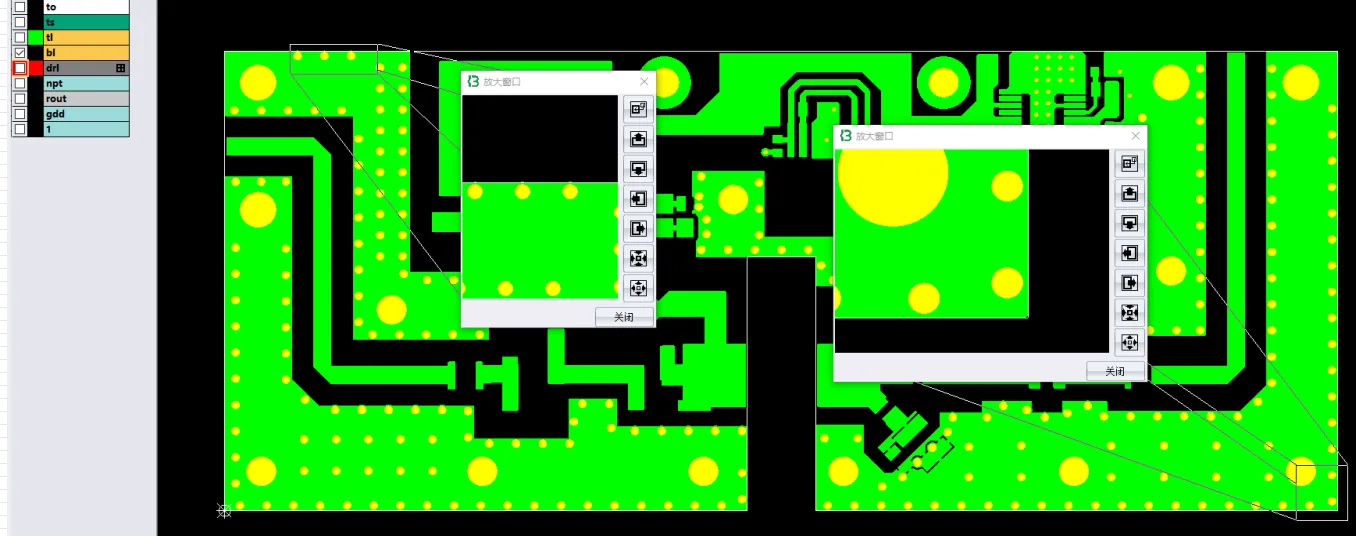
Turn on the drill layer and the outer SMT pads. Plated vias sit inside the lands. Leave those barrels open and the land is not a complete pad at soldering — solder runs into the hole. The EQ we send is: these vias overlap the SMT pads; we recommend resin plug. Confirm the list, and say whether the guard vias on the same tool are in or out.
Next job already has resin plug and planarize on the note. Open solder mask top and bottom. Part of that population still has an opening. The EQ is the figure: you asked for resin plug; these holes are still open in the data. Confirm.
Third job: the order line says cover or "cover oil." Gerber includes a VIA Plug layer. The EQ is: do you want resin plug and plate-over planarize on those hits, or only solder mask over an unfilled via.
This article is those three reviews — which drill hits go on the resin list, and what the solder mask layer is still doing on the same hits.

| EQ | What you overlay | What has to come back |
|---|---|---|
| Vias sit inside SMT pads; factory proposes resin plug | Drill vs outer copper. Same tool also in the stitching ring. | Which hits are plugged. Guard / stitch vias in or out. |
| Note says resin plug and planarize; some holes still open in SM | Drill vs SM top / SM bottom on the called-out population | Keep fill and close those openings, or keep the openings and take those hits off fill. |
| Order says "cover oil" / tent; Gerber has a VIA Plug layer | Plug-layer flashes vs SM openings vs the cover line, same drill IDs | Resin plug plus plate-over planarize, cover only, or neither. |
Drill Hits Sitting Inside the SMT Pads
The first finding starts on copper, not on a process word.
Overlay the drill layer on the outer pads. Where a plated via lands inside an SMT pad, that hit is via-in-pad. An open barrel there eats into the land: HASL and reflow both encounter a hole in the middle of the pad, allowing solder to leave the surface and leaving the footprint without the solid land the assembly was designed around. That is the “pad missing” case in the EQ. The usual wording we send is: these vias overlap the SMT pads; if they remain open, the land is incomplete; we recommend resin plugging for reliable HDI PCB fabrication. The customer then confirms the list.

If the through-hole layer vias overlap with the SMD pads, not filling the vias with resin will cause pad loss and affect soldering
What the files often do not give you is the edge of that list. The drill chart only has size and symbol. Guard vias, stitching vias, and the via fence around the same footprint commonly share that tool. "Plug the vias in the pads" does not automatically plug the ring. "All vias" does.
A VIA Plug layer, if one exists, is a candidate list — use it after it matches the note and after PTH is off it. A cloud on a PDF that never became Gerber is not a list. Drill vs copper only answers "is this hit inside the pad." It does not assign the fence.
| Source | On the screen | Still open on the EQ |
|---|---|---|
| Drill vs outer copper | Via sitting inside an SMT pad | Whether the ring on the same tool is also filled |
| Drill chart / tool list | Finished size and symbol | VIP vs guard vs stitch |
| VIA Plug layer | Flashes on a set of hits | Agreement with the note; PTH kept off the list |
| Fab note / order line | "Resin plug," "VIP fill," "all vias," or nothing | Which drill IDs, unless a symbol or region was also written |
Read PTH, tooling, and press-fit holes out of the same sentence before you send the proposal. The question on this finding is only population: hits inside these pads, and whether the guard vias on that tool are plugged.
Same Tool in the Pad and in the Fence
After the VIP overlaps are marked, stay on that tool and look at the ring.
The hits under the component pads are the population that produced the pad-missing EQ. The hits in the copper around that footprint are guard vias, stitching vias, or a via fence. Finished hole size is often the same. The tool number is the same. Nothing in Gerber is labeled "shield" or "stitch."
If the customer accepts "resin plug on vias that overlap SMT pads," the ring is still undecided. If they answer "all vias on this tool," the ring goes through fill with the VIP hits. If they answer "via-in-pad only," the ring stays on the solder mask treatment already in the Gerber — tented, open, or covered, whatever the SM layers already show.
A separate VIP tool in the drill chart is already a split. Until that split is in the data, do not run the fence just because the factory proposed fill on the pads.
Resin Plug on the Note, Openings Still in Solder Mask
Fill and planarize run before solder mask. Once the barrel is filled and leveled, that feature is not an open hole.
The second EQ is the leftover window. The note already specifies a resin plug, yet SM top or SM bottom still shows an opening on some of those hits—not necessarily every hit. This is why the figure accompanies the question: the design calls for a resin plug, but resin plug hole confirmation shows that some holes remain open in the data.

It is required to fill the vias with resin and capped, however, in the actual gerber file, there are some vias designed with solder mask openings.
That opening does not put the barrel back. It is a window on a filled surface. On a via-in-pad land that has to take paste, it also undoes the reason fill was proposed: the land was supposed to be closed. Copper cap only if the note already asked for plating over the fill.
This is not tent versus open on an unfilled via. The question is whether these IDs keep an SM opening after fill.
| Drill vs SM at the hit | What you can state in the EQ | What you still cannot state from the overlay |
|---|---|---|
| Opening, one side or both, on a hole the note wants plugged | SM data still treats this drill ID as open | Fill quality, dimple, cap thickness |
| No opening on a plugged ID | SM data already closed over this ID | Whether this ID was meant to stay a test via |
| Opening sitting on a VIP land | Paste will see a window on the land that is supposed to be filled | An "acceptable opening size" over a filled via — that number is not in the files |
Check SM top and bottom on every candidate plug hit. Note one-side versus both-side. Note whether the opening is on a land that has to take solder. Then ask: close the openings and keep fill, or keep the openings and take those hits off the fill list.
Order Says Cover Oil, Gerber Has a VIA Plug Layer
The third EQ is two instructions with different names.
The order checkbox or fab note may say tent, cover, or “cover oil,” which refers to applying solder mask over the via. The Gerber data may also contain a VIA Plug layer, but that layer represents a resin plugging process. When reviewing PCB via cover oil and plugging requirements, treat these as separate fabrication steps rather than assuming they describe the same treatment.

Gerber also contains a VIA Plug layer
IPC-4761 Types I–VII stay in the background only so the names do not collapse: tent is not plug, plug is not fill, fill is not cap. LPI over the hole is not a resin-plugged via. "Cover oil" is the customer string on the order. Do not read it as fill.
What you put in the EQ is the collision, then the process they actually want:
- Plug-layer hits still open in SM — same collision as the second finding, now with a cover note on top.
- Plug-layer hits the order only wanted covered, no fill.
- Cover note on the order, VIA Plug layer in Gerber, no other fill sentence — so we ask: resin plug and plate-over planarize on those hits, or cover only on an unfilled via.
PTH drawn as vias follow whichever file you treat as master. Line up plug-layer flashes, SM openings, and the cover line on the same tool numbers, then ask which document wins.
What Happens If the Plug Population Is Wrong
An SMT pad with an open via in the middle is the land that started the first EQ. At soldering the barrel is still a hole. Solder leaves the pad. The joint is being built on an incomplete land.
The fence filled because someone read the tool as "all vias" is extra process on holes the VIP proposal never named. SM data written for an open or tented via then sits on a filled surface.
Fill run, SM openings left on the hits in the figure: the opening no longer means an open barrel. Paste or a probe point read off that flash is the wrong feature.
VIA Plug layer run as resin, cover-oil note run as tent on the same hit: two travelers, one hole. The line cannot start both.
What the EQ Asks and How the Finding Closes
Three closes, one per finding. Plate-over / copper cap stays in the files only when the customer confirms it — the third EQ is allowed to ask "resin plug + plate-over planarize." Do not add cap because the first EQ proposed resin plug on VIP overlaps.
| Close path | Customer freezes | What changes in the files |
|---|---|---|
| Named population | Hits inside the SMT pads, yes or no to the factory resin-plug proposal; guard and stitch vias in or out | Resin only on that list. Every other via keeps the SM treatment already in Gerber. |
| Fill, then close the mask | Resin plug and planarize; SM openings on the hits in the figure removed (cap only if already called out or confirmed) | Fill the listed hits. Close SM on those hits. |
| Cover only / do not fill | VIA Plug layer withdrawn, or read as do-not-use; vias stay tented or open per SM and the "cover oil" line | No resin step. If tent versus open is still fighting on unfilled vias, that stays a separate finding. |
The reply we need is short:
- Hits that overlap SMT pads — accept resin plug, or leave them open and accept the incomplete land.
- Guard / stitching / fence vias on the same tool — on the list or off it.
- Hits that still show SM openings — drop fill, or close the mask.
- VIA Plug layer versus "cover oil" — resin plug and plate-over planarize, or cover only.
- Any named hole that is actually PTH or a test via that must stay open.
What to Check Before the Package Is Released
- Vias that sit inside SMT pads are either on a resin-plug list or the customer has accepted an open barrel in the land.
- Guard, stitching, and fence vias on that tool are on the list or written off it.
- If a VIA Plug layer is in the data, it matches the note. PTH is not on it.
- Drill vs SM on the plug population: openings are gone, unless those hits were taken off fill.
- The order tent / "cover oil" line is not aimed at the same hits as the VIA Plug layer unless the customer confirmed fill first, mask over the filled surface second — and plate-over only if they confirmed that too.
- Via-in-pad hits that have to take solder are not left with an SM opening if fill is required.
No default "fill this tool" is sitting in the drill chart. The three questions above are the release.
FAQ
Q1: Vias on the drill layer sit inside the SMT pads. Do they need resin plugging?
A1: That is the pad-missing case. An open barrel in the land is not a complete pad at soldering. The EQ we send proposes resin plug on those hits. The customer still has to accept the list.
Q2: The VIP vias and the guard vias are the same drill tool. Does the fence get plugged?
A2: Not from the tool number and not from the VIP proposal. Put the fence on the plug list or leave it on the SM treatment already in Gerber.
Q3: The note asks for resin plug. Some of those holes are still open in solder mask. Can both stand?
A3: No. After fill the barrel is gone. Either SM closes over the filled hits, or those hits come off the fill list. That is the question on the figure.
Q4: The order says "cover oil" and Gerber has a VIA Plug layer. Do we resin-plug and plate-over planarize?
A4: Only if the customer says so. Plug layer = resin list. "Cover oil" = solder mask. The EQ asks which process they want on those drill IDs.
Q5: Drill vs copper already shows the via in the SMT pad. Does that close the EQ?
A5: It closes location. You still need the fill list, the SM opening on that hit, the fence on the same tool, and whether a cover-oil note or a VIA Plug layer is aimed at the same ID.