 00:55
00:55
Industrial Components
Industrial components form the backbone of robust electronic systems designed for demanding environments, encompassing a wide range of parts such as relays, sensors, capacitors, and connectors engineered for high reliability and performance in manufacturing, automation, and heavy-duty applications. In the realm of PCB design and electronics, these components are essential for creating circuits that withstand extreme temperatures, vibrations, and electrical stresses commonly encountered in industrial settings. Whether you are an engineer optimizing a factory automation system or a technician troubleshooting control panels, understanding industrial components ensures efficient integration and long-term durability. This tag page aggregates expert insights into selecting and implementing industrial components, addressing common search intents like identifying suitable parts for harsh conditions or best practices for PCB layout to enhance signal integrity. For instance, articles here delve into choosing IP-rated enclosures for moisture-prone environments, calculating thermal management for power resistors, and integrating PLC-compatible modules to streamline operations. These resources provide practical guidance on compliance with standards like IEC 61131 for programmable controllers, helping you avoid costly failures and improve system efficiency. Readers often seek actionable strategies for real-world challenges, such as mitigating electromagnetic interference in motor drives or scaling up prototypes for mass production. By exploring the curated content under the Industrial Components tag, you can access detailed case studies and tutorials that illustrate proven techniques, from soldering high-current terminals to testing endurance in simulated industrial scenarios. This focused collection equips professionals and enthusiasts alike with the knowledge to innovate and maintain cutting-edge electronic solutions tailored to industrial demands.
Video Guide
-
00:55
Technical Articles

Lead Free Assembly in Industrial Applications: Optimizing for Harsh Environments
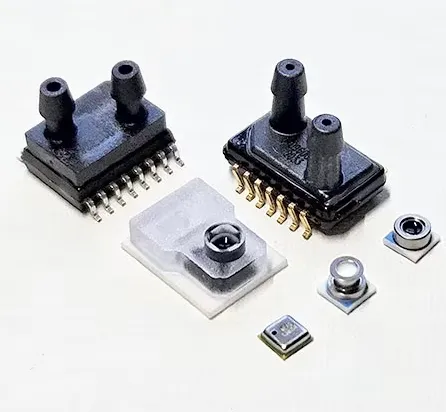
Selecting Industrial Sensors for PCB Integration: A Practical Guide
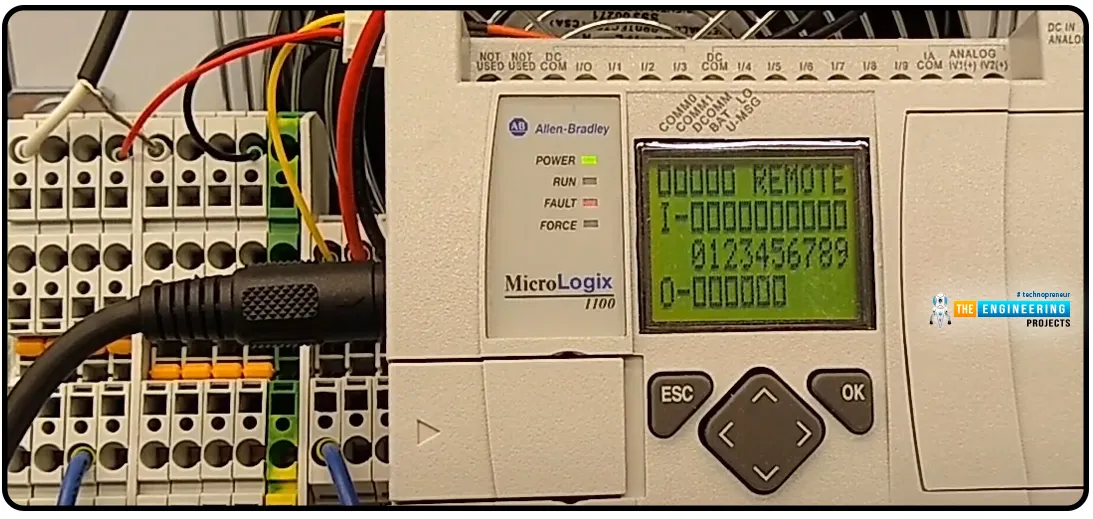
PLC Program Download Failure Caused by a Network Cable
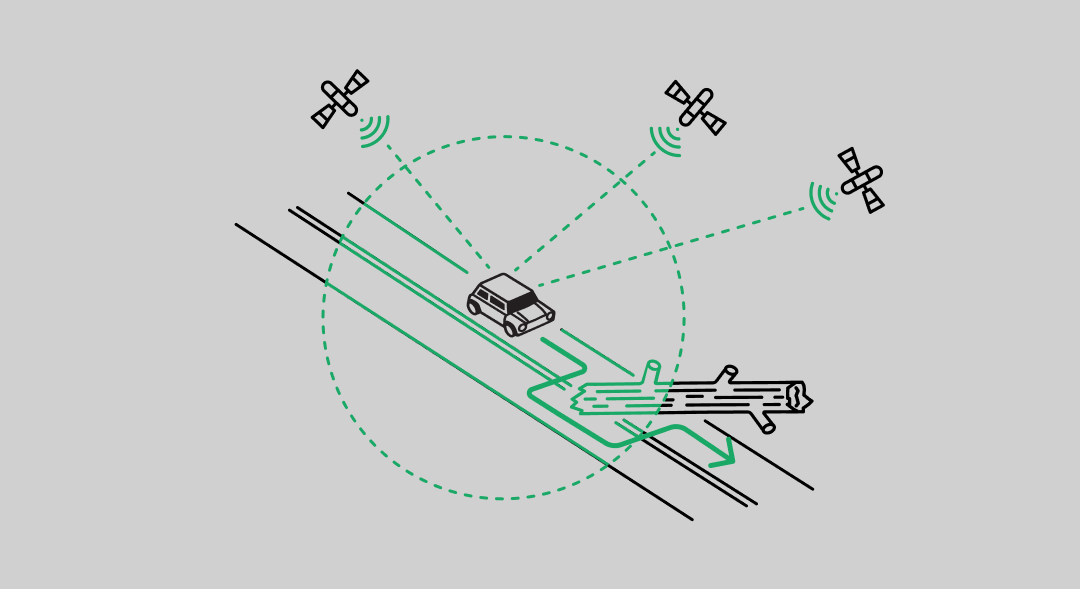
Absolute vs Relative Positioning for Servo Motors
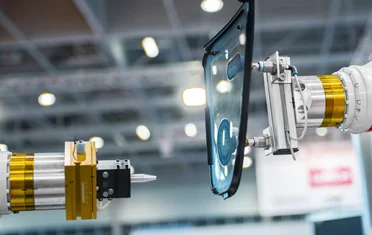
Servo Motor Brake Resistors: Selection and Installation
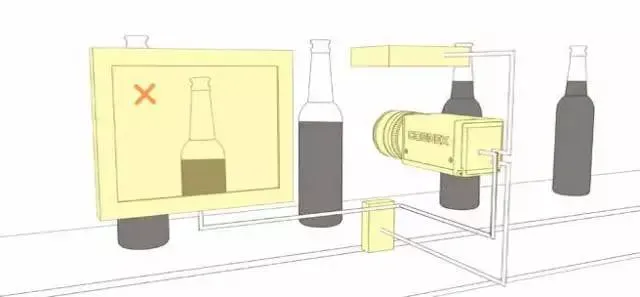
Machine Vision Systems: PCB Design and Manufacturing Considerations for Industrial Cameras, Lighting, and AI Integration
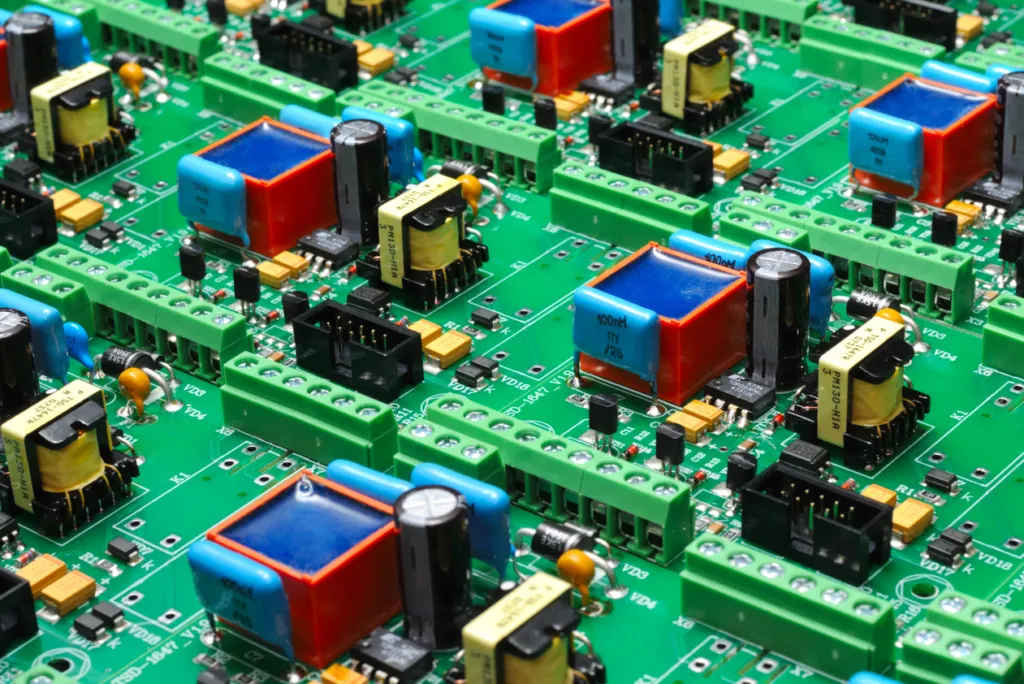
Component Selection for Robotics Control PCBs: Reliability and Performance
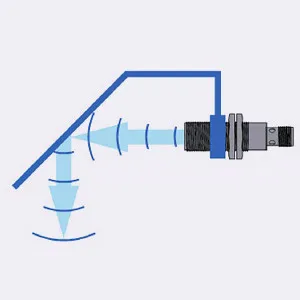
Ultrasonic Sensor Installation Considerations
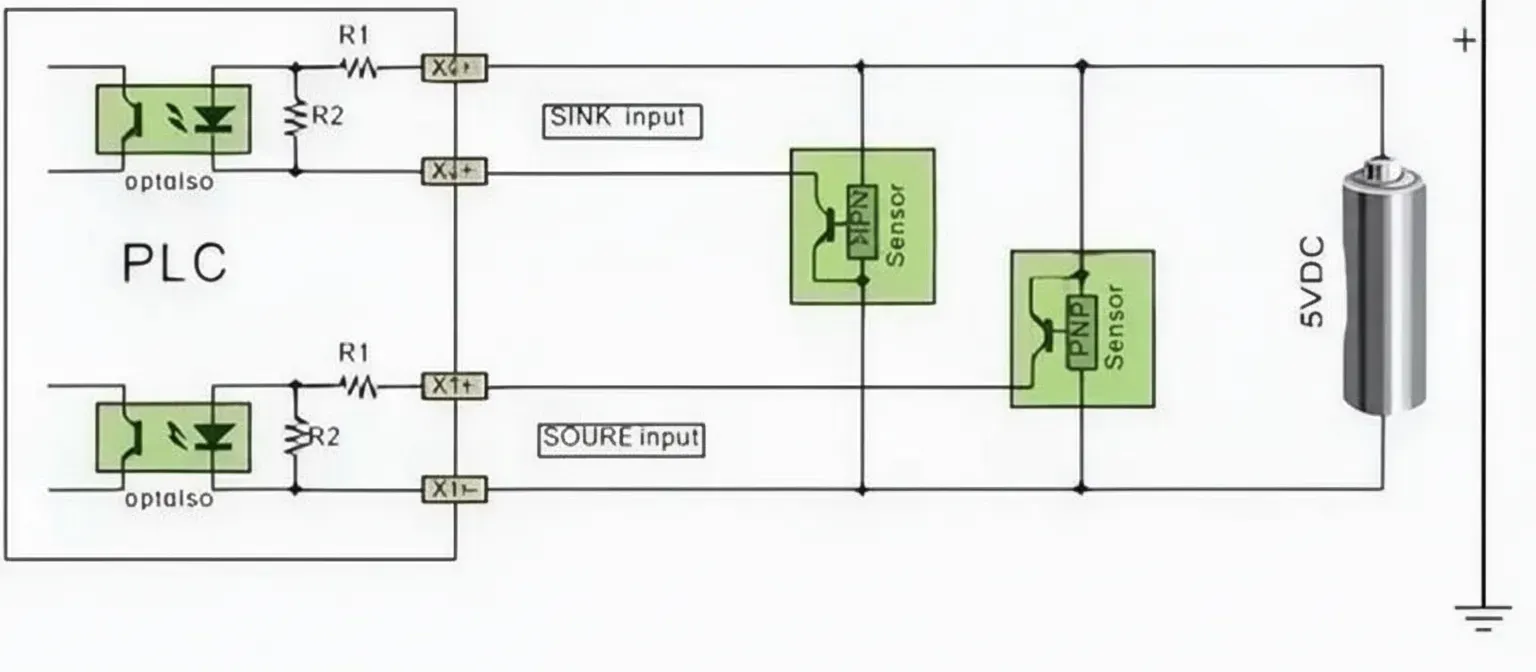
Sensor Wiring for PLC Controllers
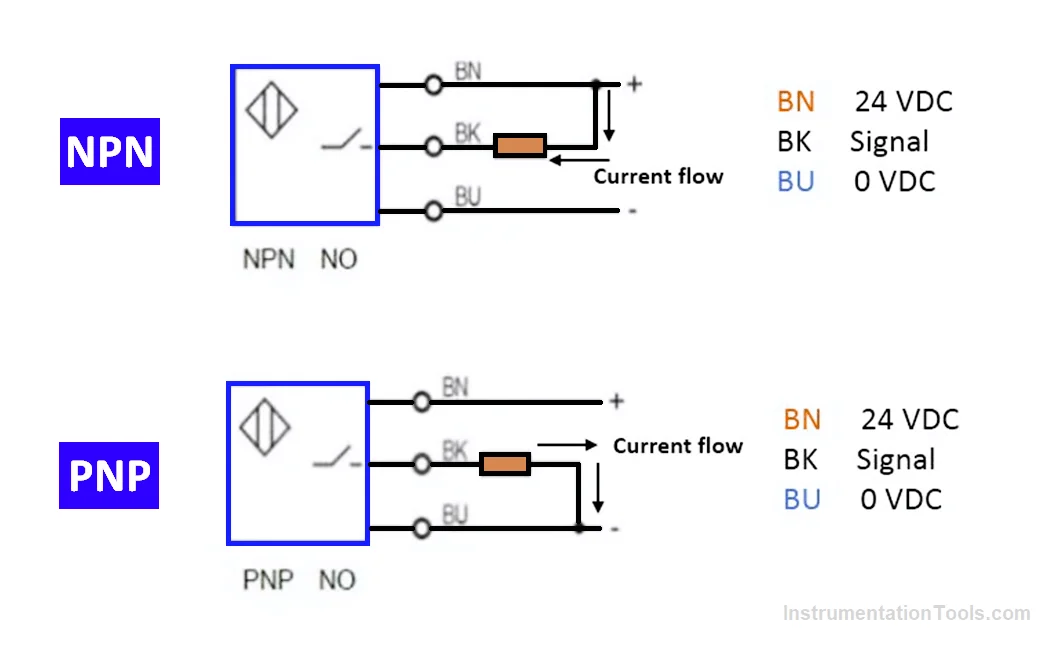
3-Wire PNP vs NPN Sensors: Wiring, PLC Integration, and Best Practices
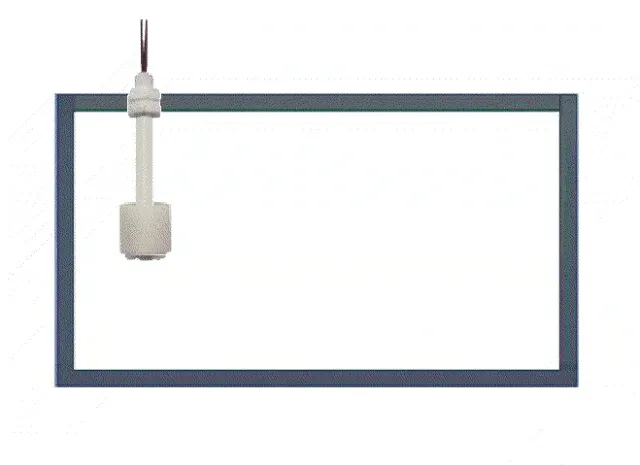
What to Do If a Float Level Sensor Sticks?
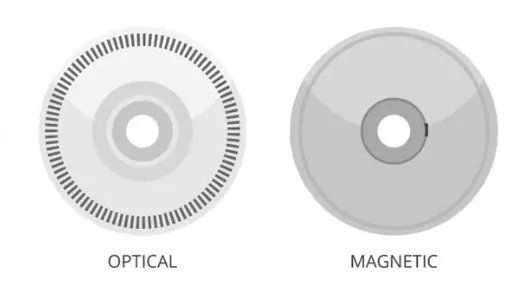
Magnetic vs Optical Encoders: Engineering Principles, Performance Characteristics, and Electronics Integration
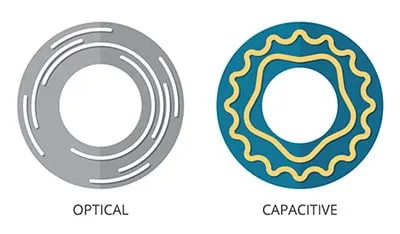
Rotary Transformer vs Optical Encoder: Key Differences
Component Selection Secrets: Choosing the Right Parts for Industrial Automation PCBs
Rockwell PLC Authentication and Communication Vulnerabilities
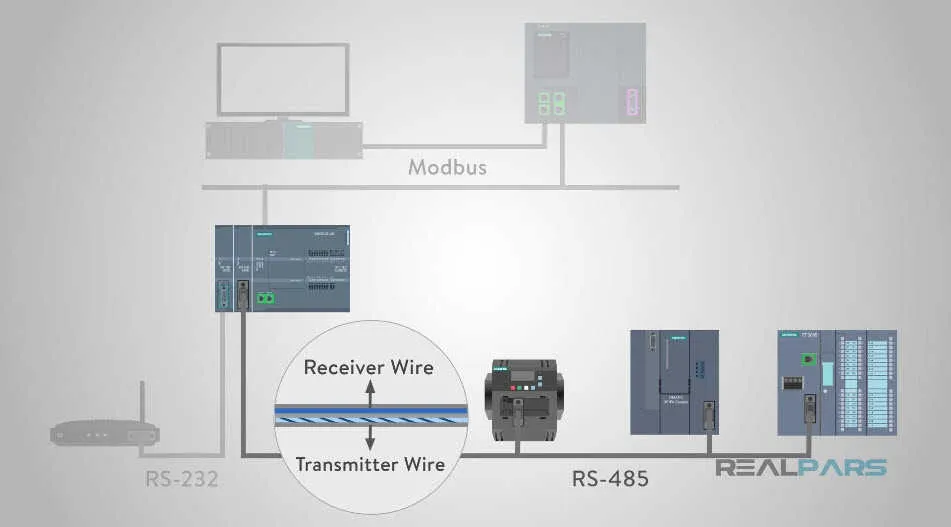
Introduction to Modbus Communication Protocol
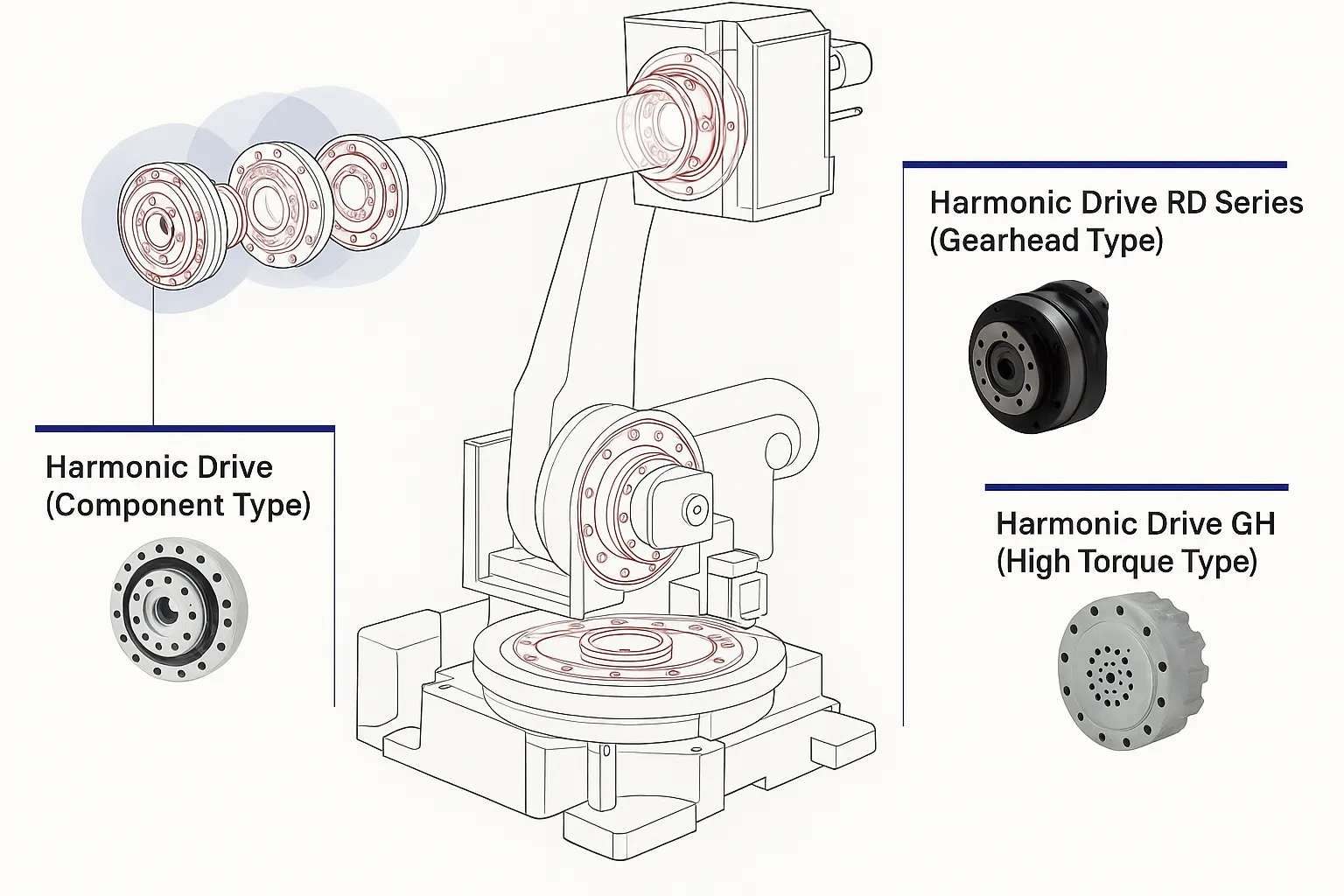
Precision Reducers: Core Component of Industrial Robots

Relationship Between Industrial Robots, PLCs and Automation
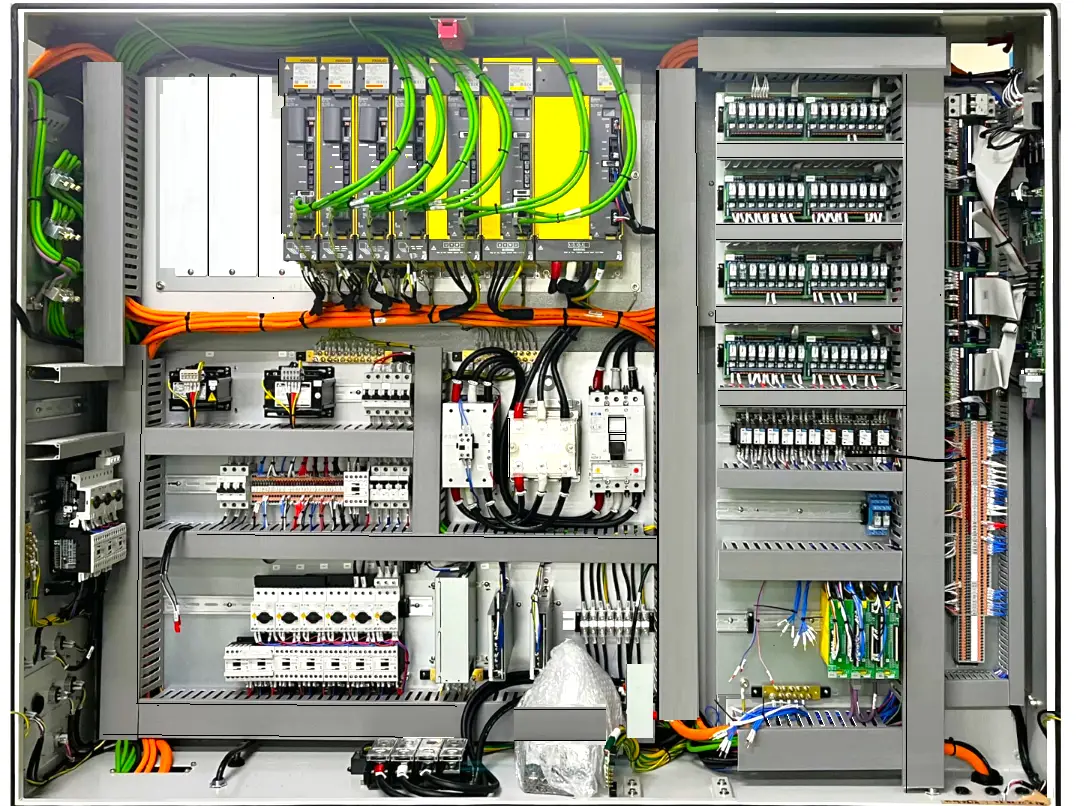
Selecting PLCs to Drive Contactors