 00:42
00:42
PCB Grounding
PCB grounding is a fundamental aspect of printed circuit board design that ensures reliable performance, minimizes electromagnetic interference, and enhances overall system stability. In electronics engineering, effective grounding techniques provide a low-impedance path for current return, preventing issues such as signal distortion, noise coupling, and potential safety hazards in high-frequency or power-intensive applications. Whether you are designing consumer gadgets, automotive systems, or industrial controls, understanding PCB grounding principles can significantly improve circuit integrity and compliance with standards like EMC regulations. This tag page compiles articles and resources focused on PCB grounding strategies, including single-point versus multi-point grounding, the role of ground planes in multilayer boards, and methods to mitigate ground loops. For engineers and hobbyists searching for practical guidance, these materials offer actionable insights into selecting appropriate grounding topologies based on circuit requirements, such as analog-digital separation or high-speed signal routing. Best practices highlighted here include using vias for efficient ground connections, incorporating decoupling capacitors, and simulating ground paths with tools like SPICE to predict and resolve potential problems before prototyping. By applying these techniques, you can achieve better noise immunity in mixed-signal designs and reduce the risk of failures in real-world deployments. For instance, proper PCB grounding is crucial in RF applications to maintain signal fidelity and in power electronics to handle transient currents safely. If you are troubleshooting persistent EMI issues or optimizing a new layout, the articles linked under this tag provide step-by-step tutorials and case studies to refine your approach. Diving into these resources will equip you with the knowledge to implement robust grounding solutions tailored to your projects.
Video Guide
-
00:42
Technical Articles
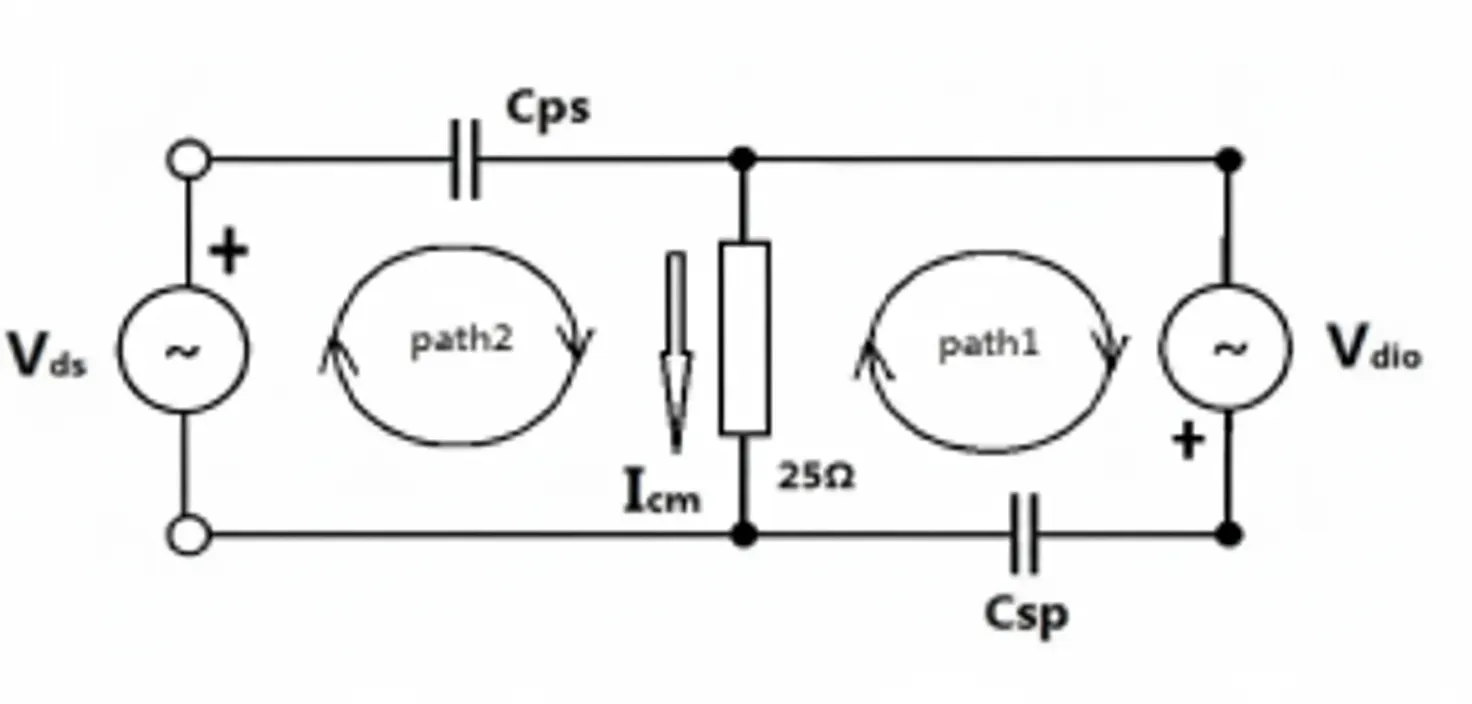
Power-line Conducted Emissions: Analysis and Localization
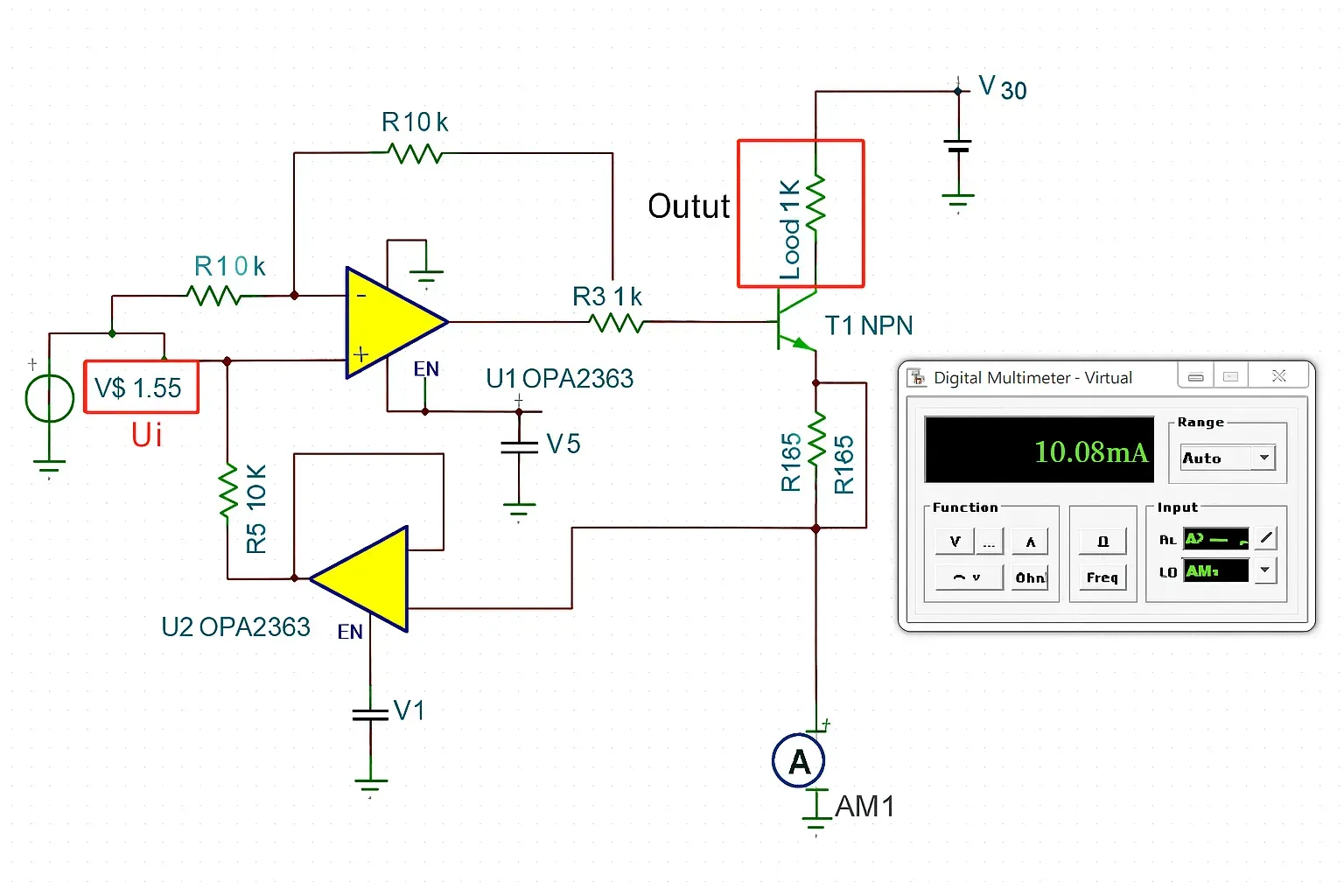
Voltage-to-Current Converter Circuits: Simulation Analysis
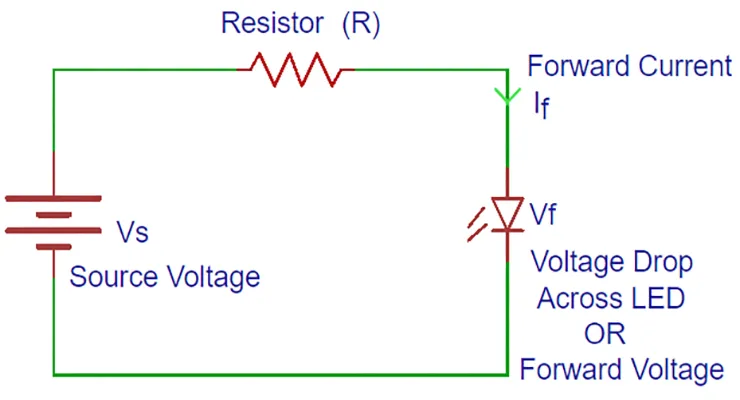
Is a Current Source Absorbing or Delivering Power
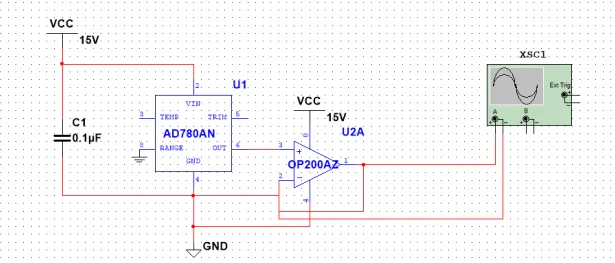
BUCK Converter Design Explained
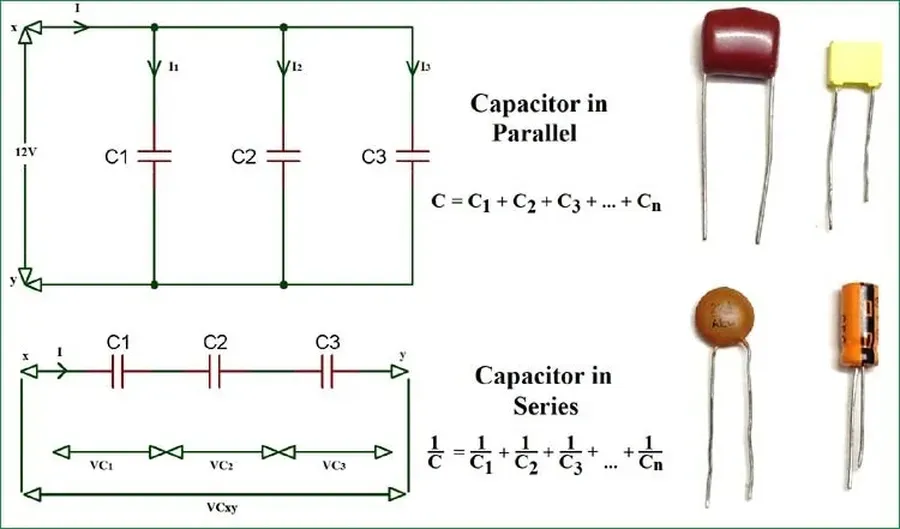
Why Parallel Large and Small Capacitors for Power Filtering
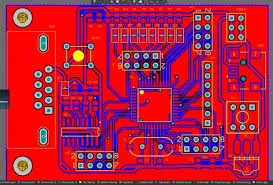
Switching Power Supply PCB Layout Optimization
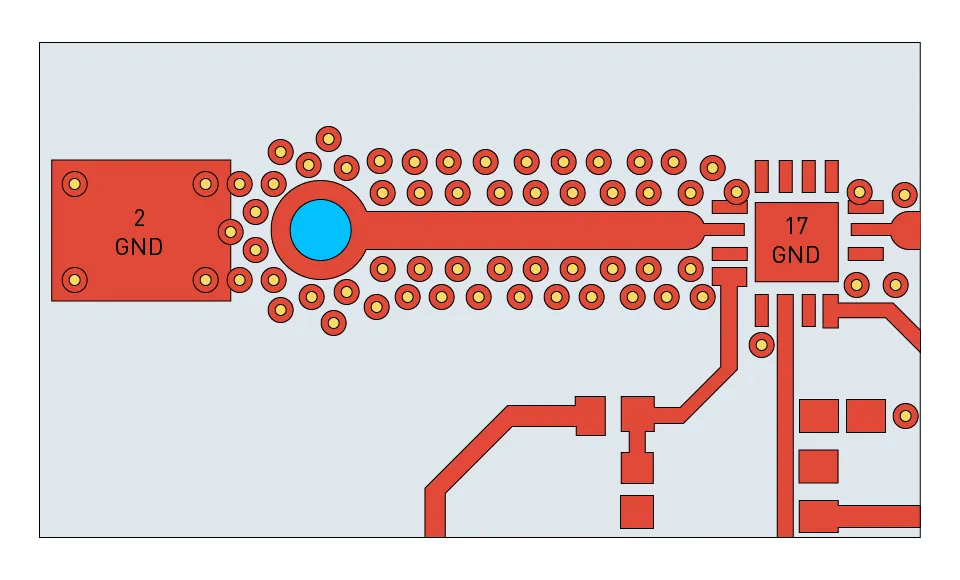
EMC and Protection Design for Module Power Circuits
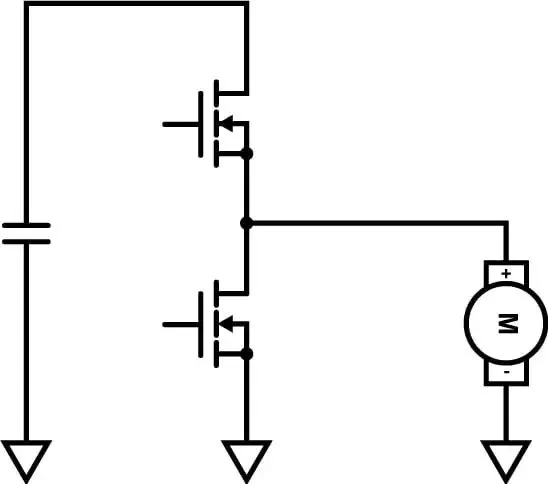
Simplified Schematic of a Synchronous Buck Converter
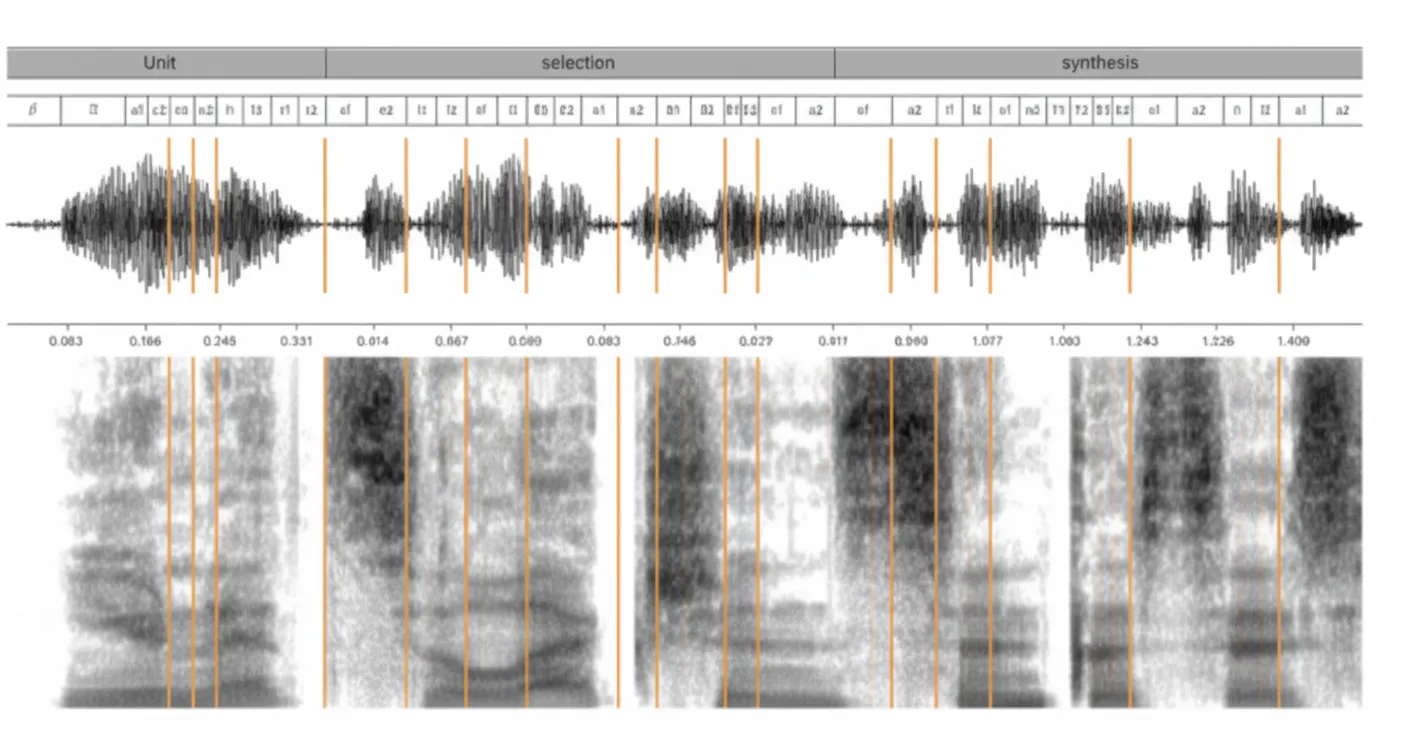
Siri Deep Learning Speech Synthesis Techniques
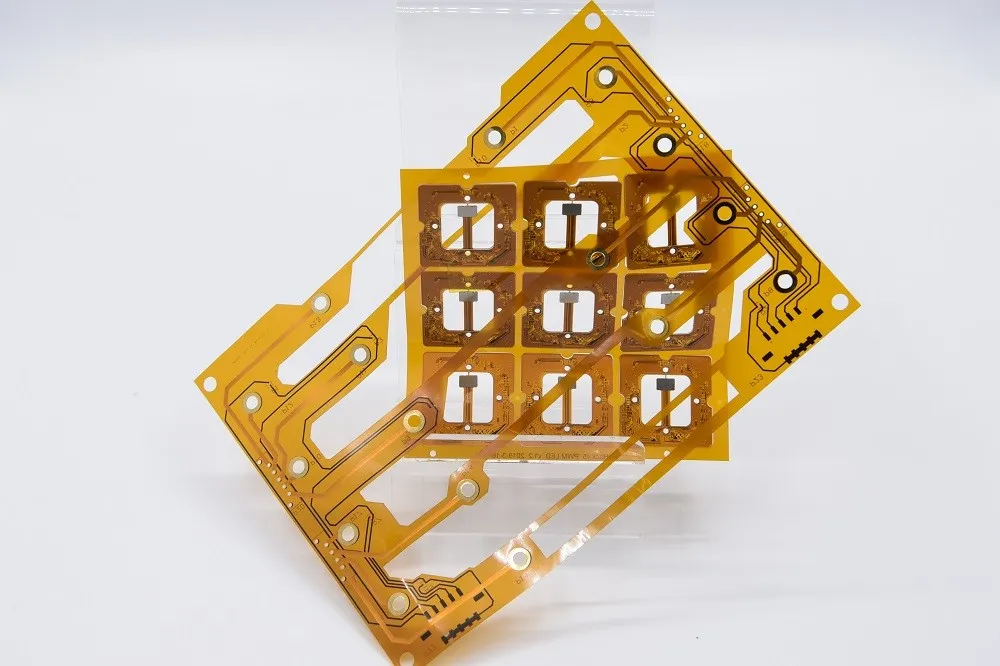
Why Large Ground Openings Can Cause Manufacturing Problems in FPC?
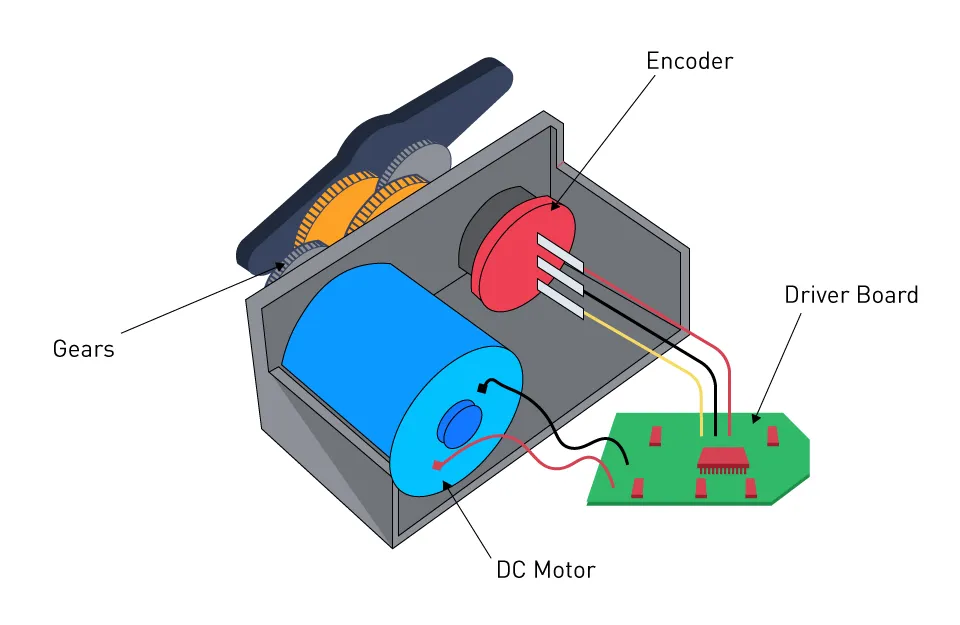
Servo Motor Control Principles for Robots

Top 10 Common Machine Learning Algorithms
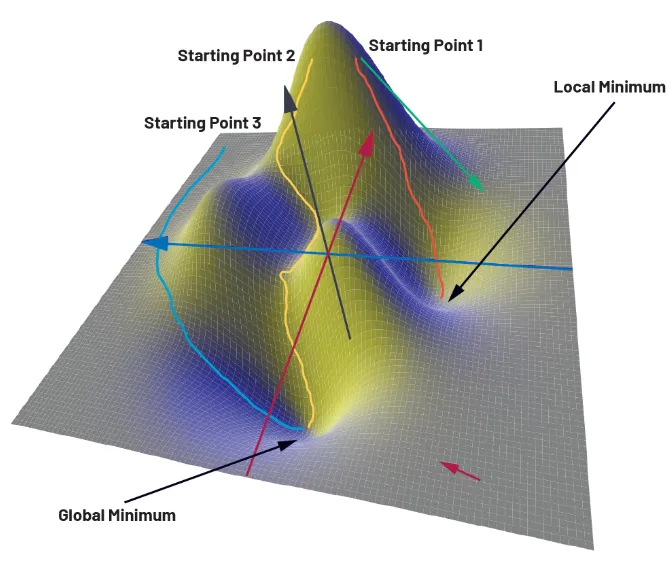
Training Neural Networks to Solve Problems
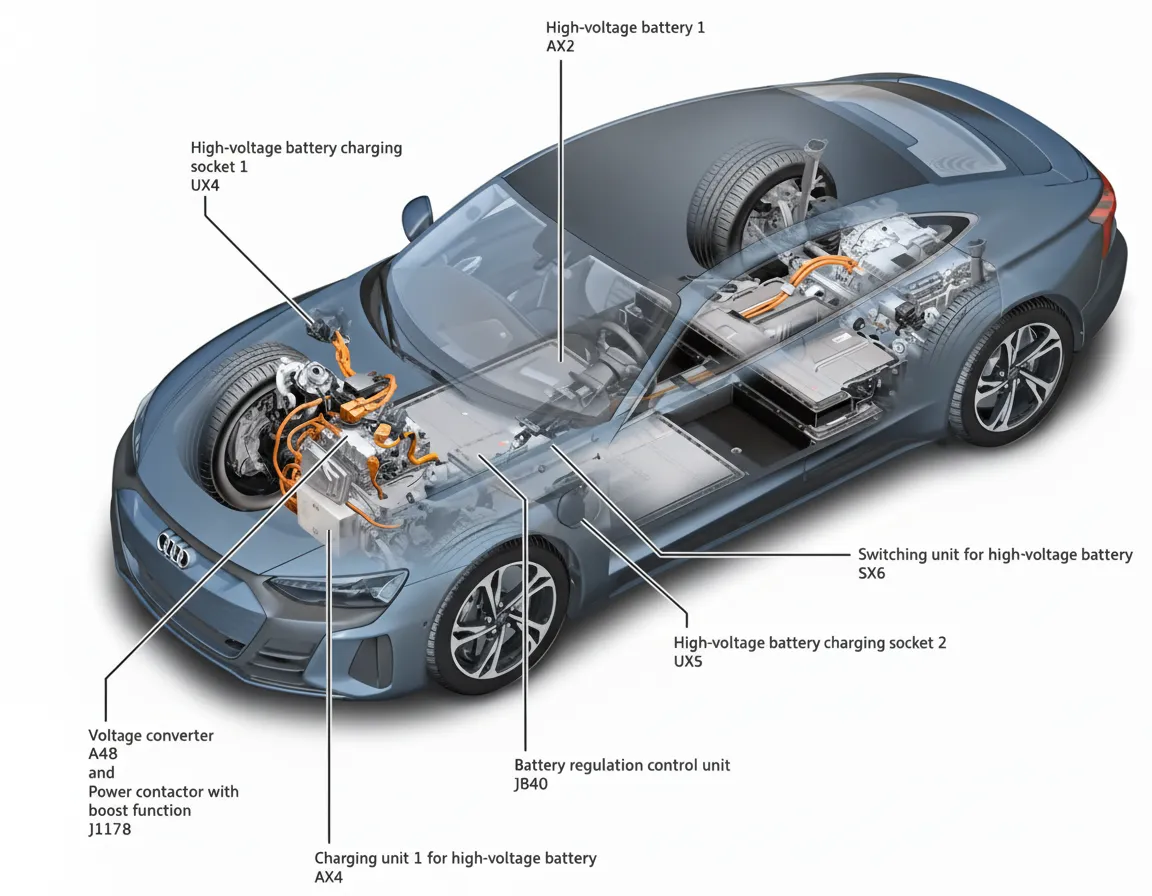
Audi 800V ADAS System Architecture Analysis
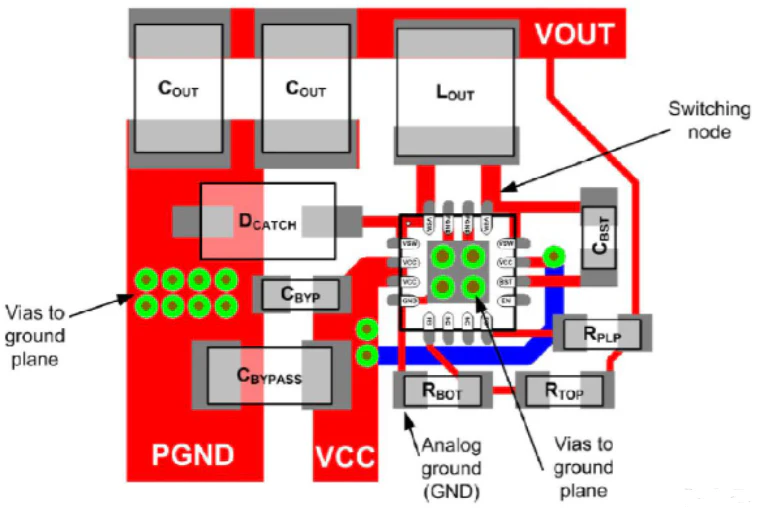
Ground plane for beginners: Making your first circuit!
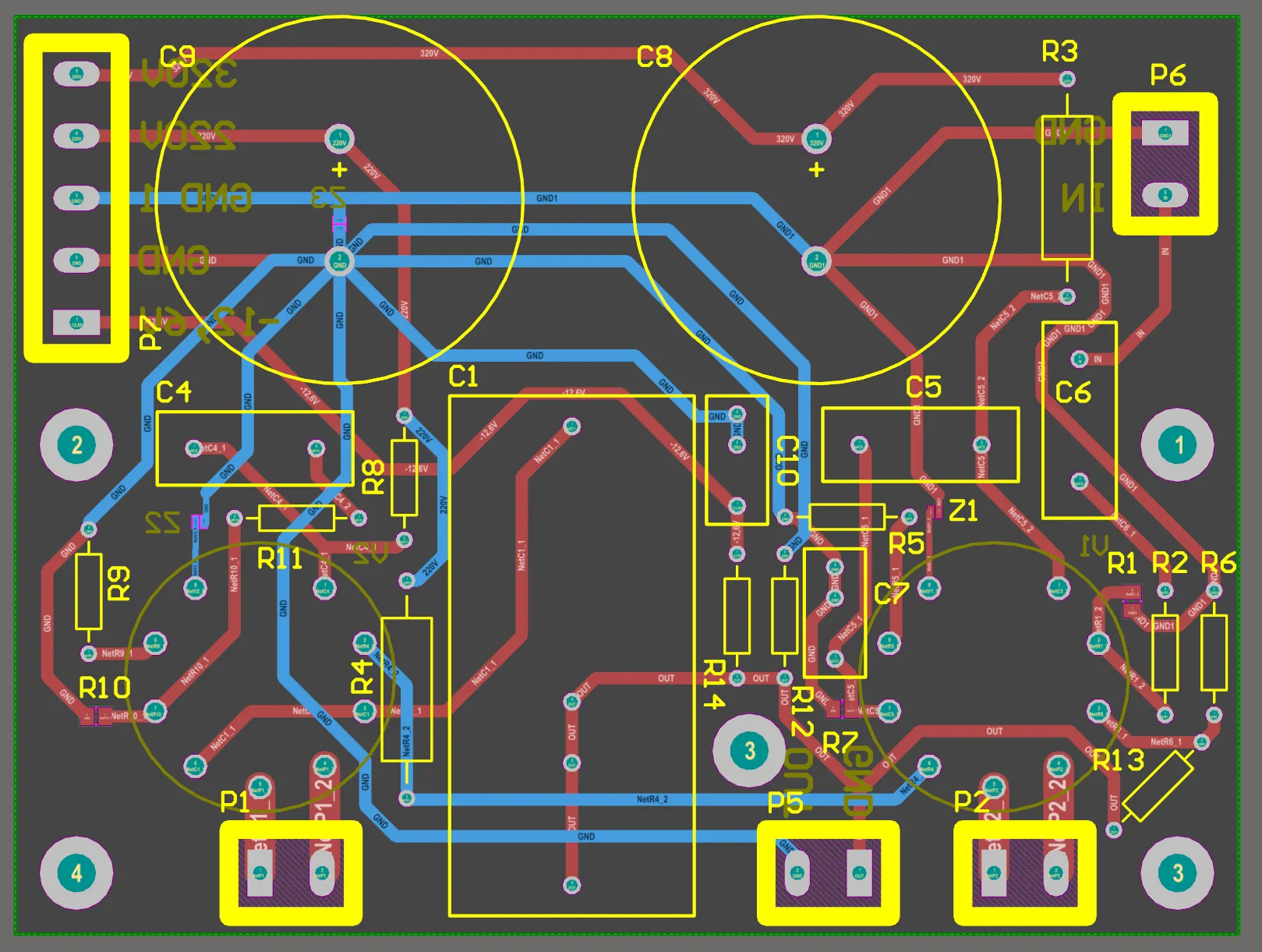
Improve Your Designs with the Best PCB Grounding Techniques
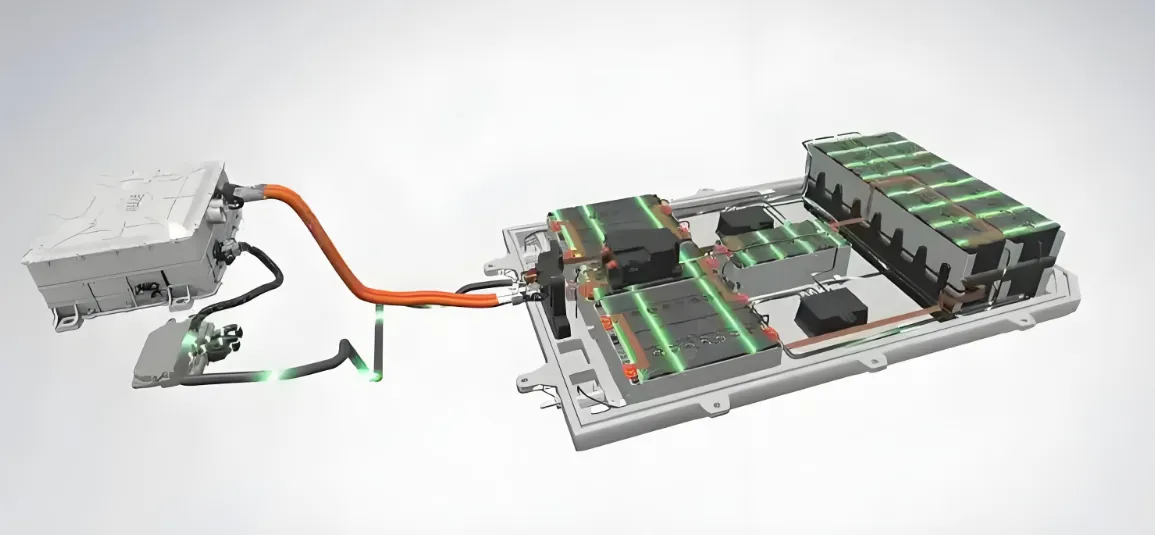
Best Practices for Grounding Strategies in EV Battery Management PCB Designs

Remote Rehabilitation Data Collection for Real-Time 3D Vision
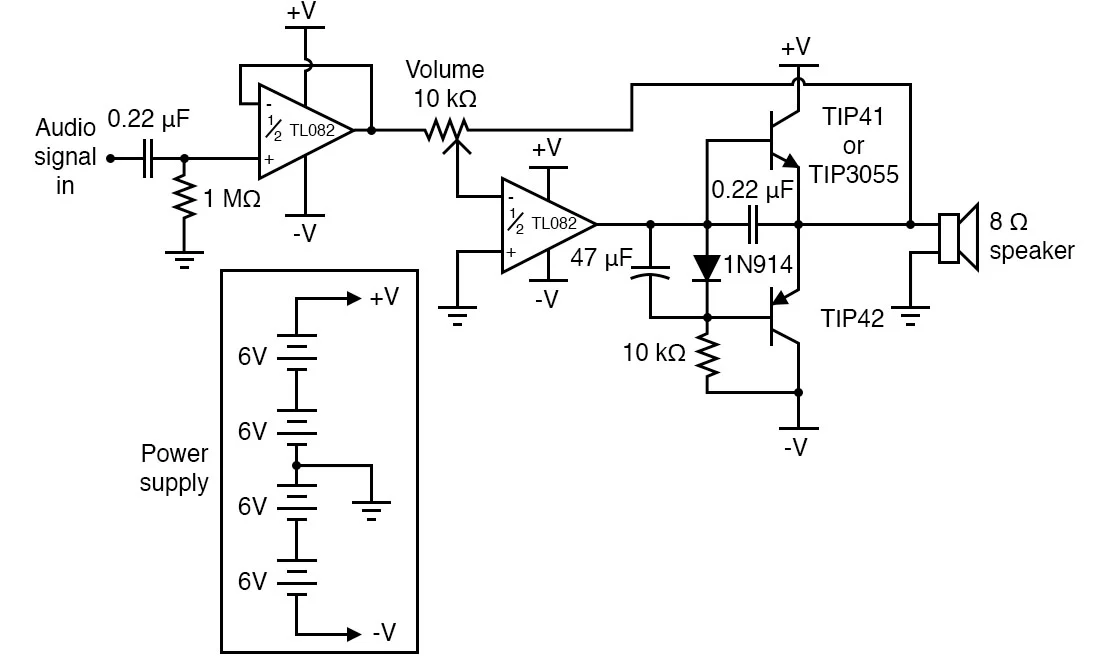
How to Understand Signals and Applications