PCB Thermal Design
Effective thermal management is a critical aspect of printed circuit board (PCB) design, ensuring that electronic components operate within safe temperature ranges to prevent failures, extend lifespan, and maintain performance. In the realm of PCB Thermal Design, engineers and designers focus on strategies to dissipate heat generated by high-power components, such as processors, power amplifiers, and LEDs. This involves selecting appropriate materials with high thermal conductivity, optimizing board layout for airflow, and incorporating features like thermal vias, heat sinks, and copper pours to enhance heat transfer. For those searching for PCB Thermal Design resources, this tag serves as a comprehensive hub for practical guidance tailored to real-world challenges. Whether you are troubleshooting overheating issues in consumer electronics, automotive systems, or industrial equipment, the content here delves into best practices that can be directly applied to your projects. Key topics include thermal simulation techniques using software tools like ANSYS or Altium, guidelines for multilayer board configurations to minimize thermal resistance, and case studies demonstrating how effective design choices have resolved common problems such as hot spots and thermal runaway. Understanding these principles not only helps in complying with industry standards like IPC-2152 for current-carrying capacity but also empowers you to innovate in designs that demand higher efficiency and reliability. By exploring the articles grouped under this tag, you can gain actionable insights into advanced methods, such as integrating phase-change materials or active cooling solutions, and learn from expert analyses of thermal modeling errors to avoid. This collection equips you with the knowledge to refine your PCB designs, ultimately leading to more robust and efficient electronic products.
Technical Articles
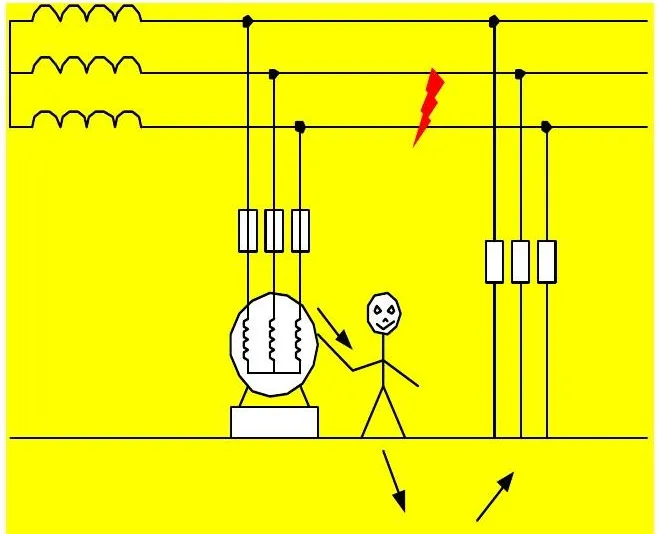
Why Grounding Resistance Is Limited to 4 Ω
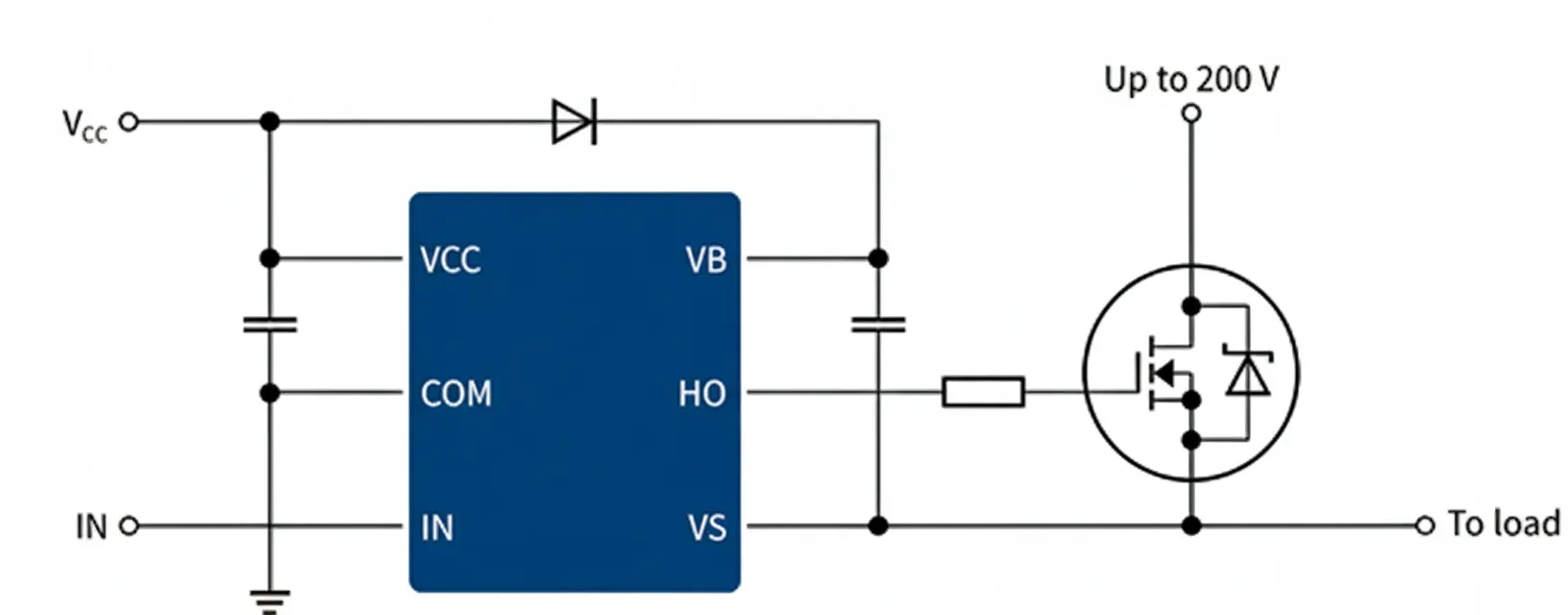
Common MOSFET Circuits for Power Switching
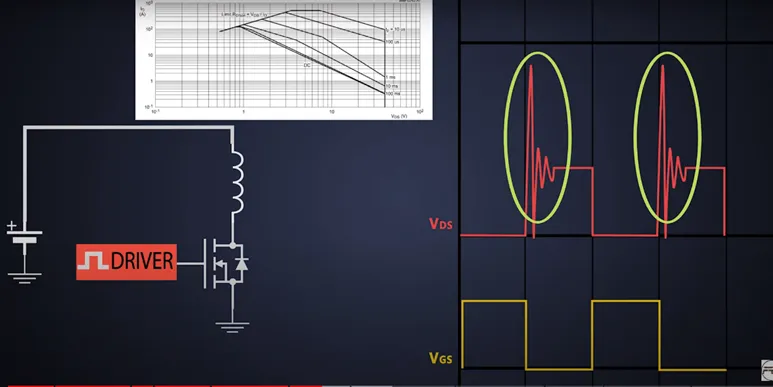
RCD snubber circuits for switching power supply EMI
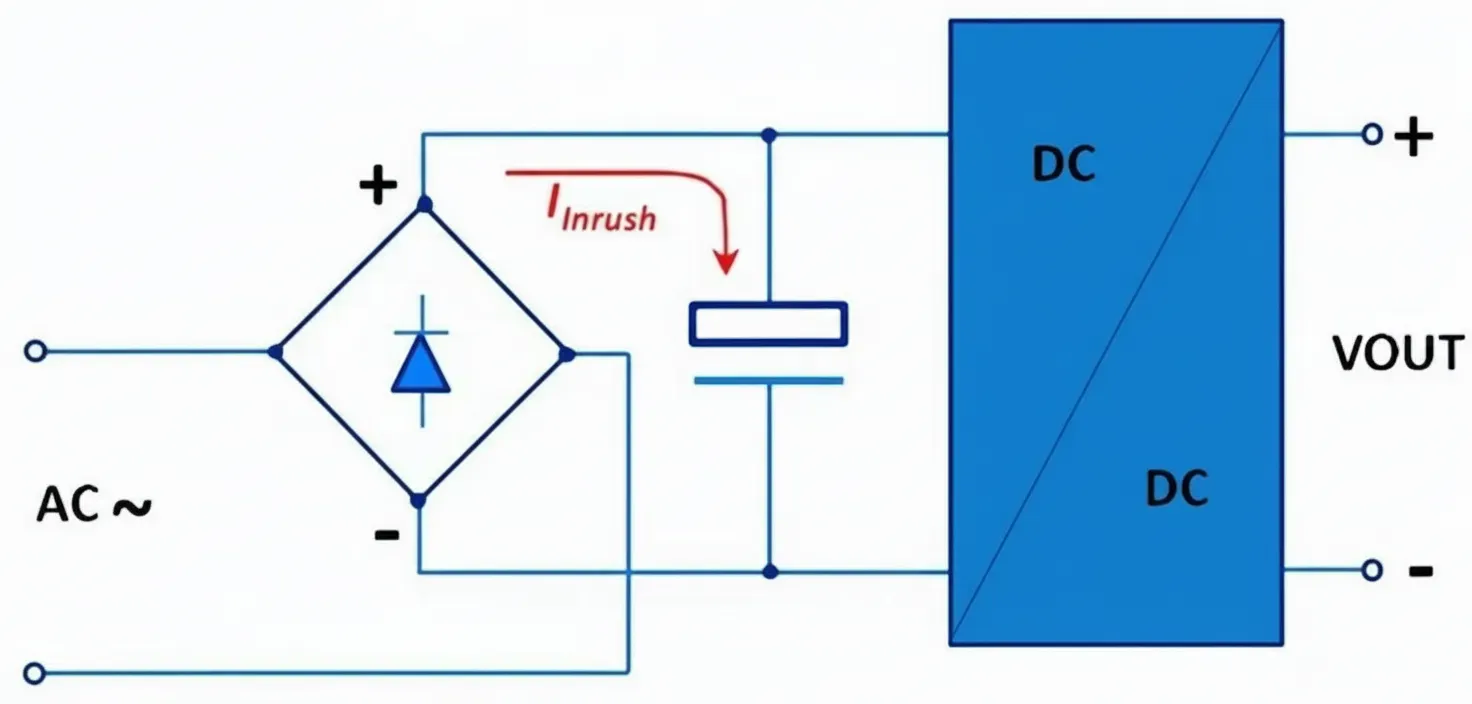
6 Methods to Limit Inrush Current in SMPS
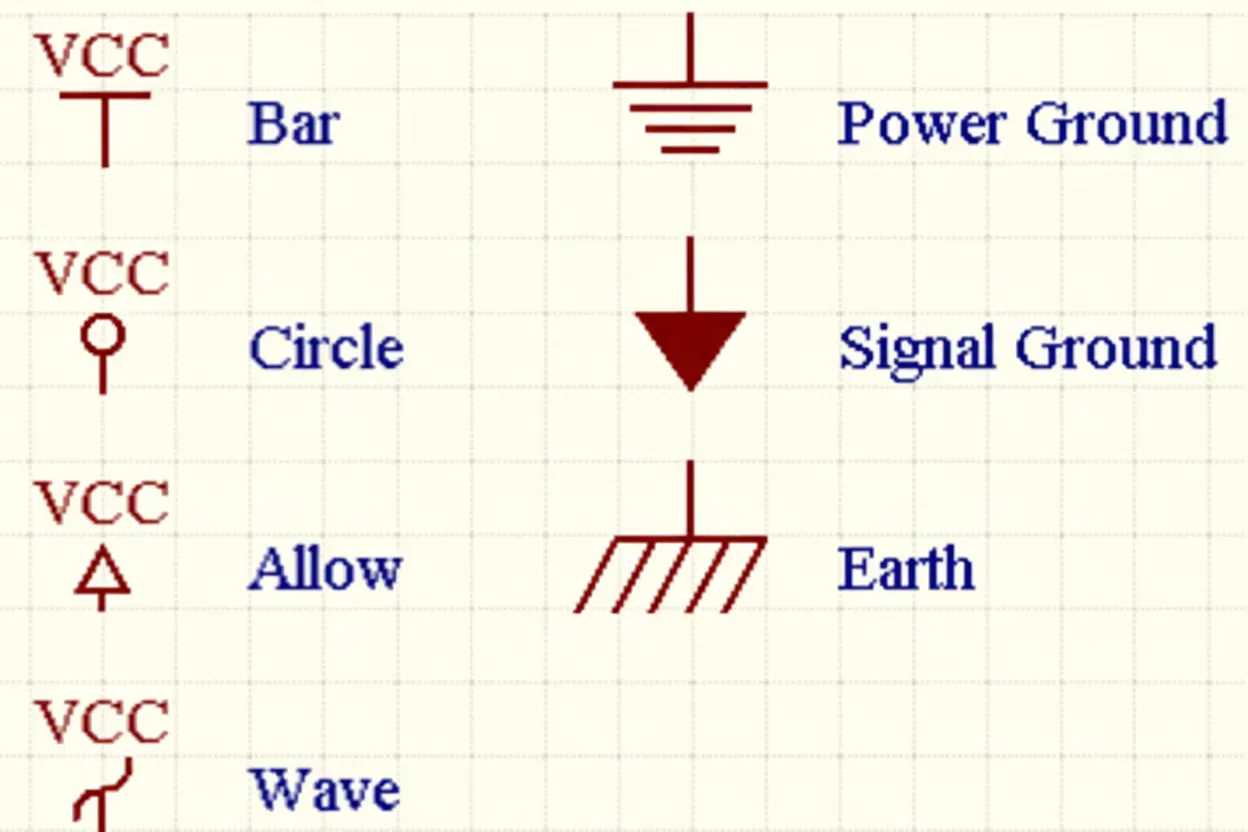
Essential Power System Fundamentals for PCB Design: Grounding, Earthing, Transformers, and Voltage Regulation
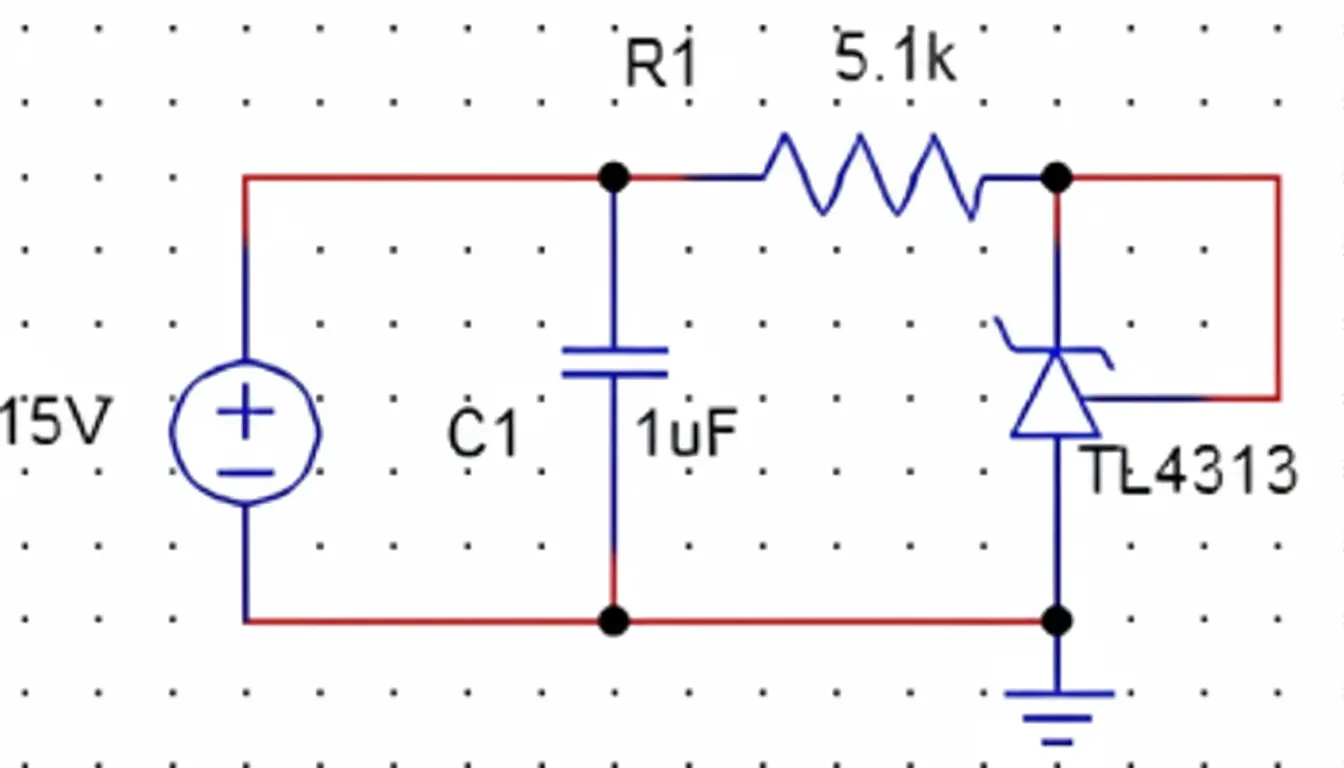
Constant-Current Source Using TL431
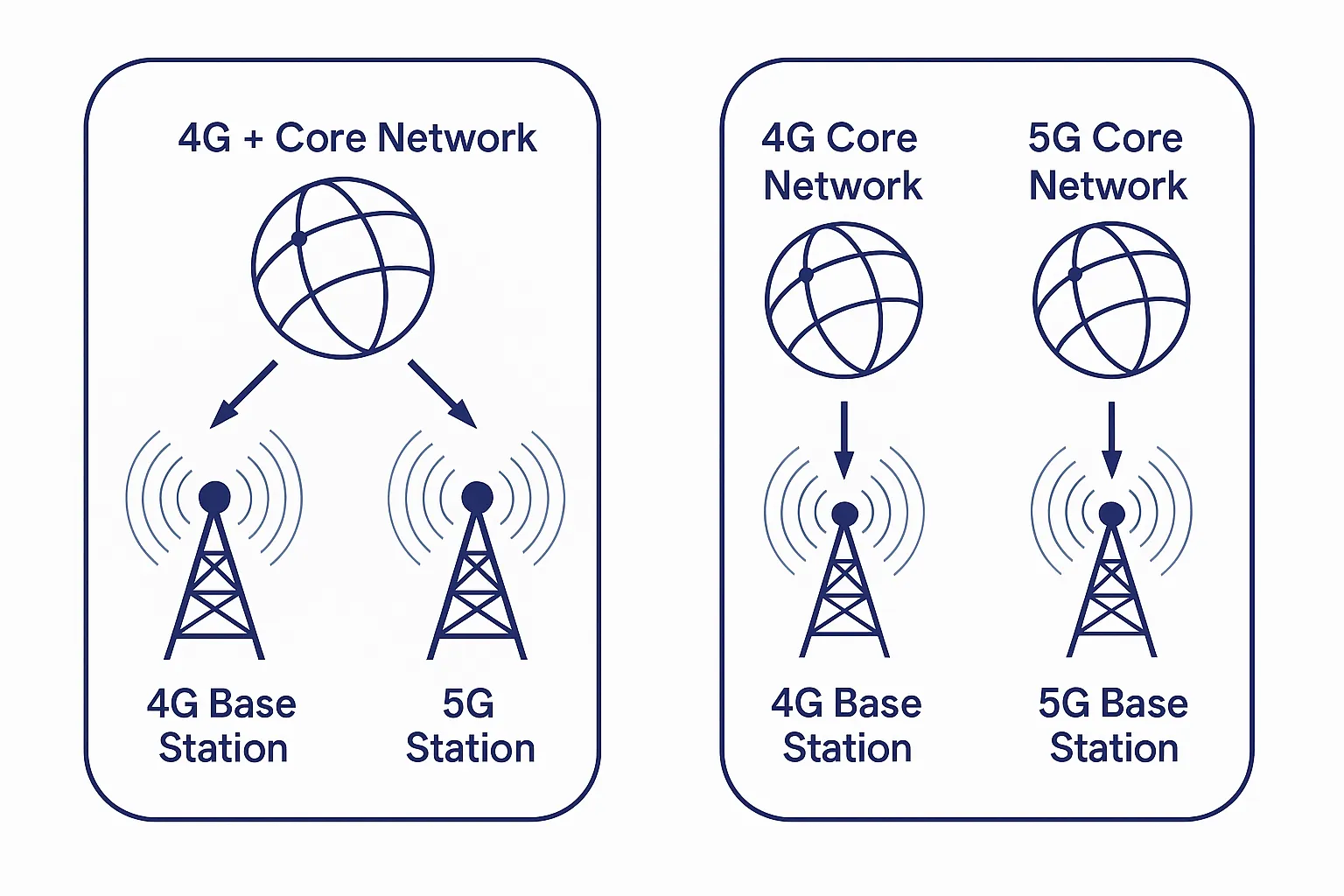
Advanced 5G Technologies: Network Slicing, RedCap, VoNR, and PCB Design Requirements for High-Performance Implementation
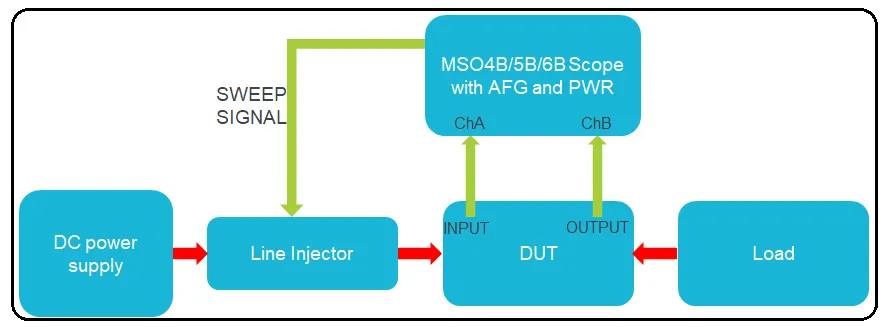
PSRR Measurement Methods for Power ICs
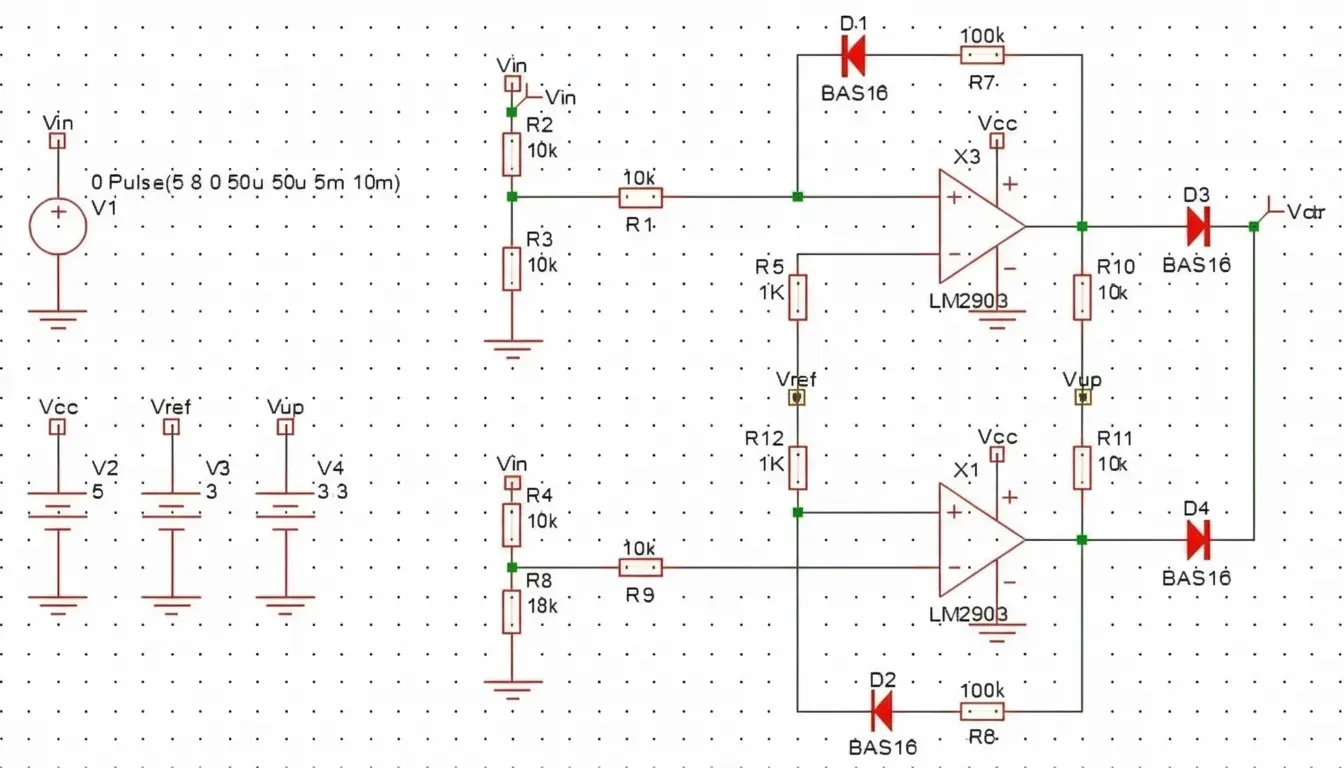
Phase-Lag Compensation for AC Peak Detection Circuits
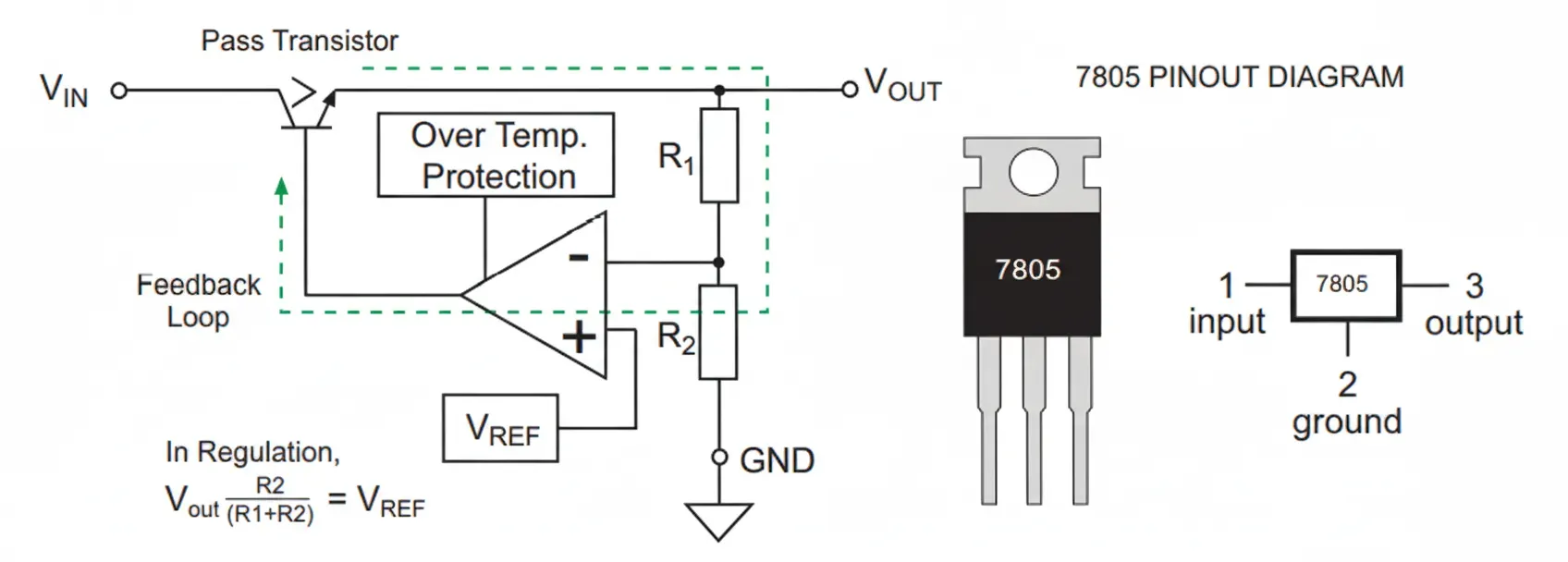
Linear Regulator Topology and Operation
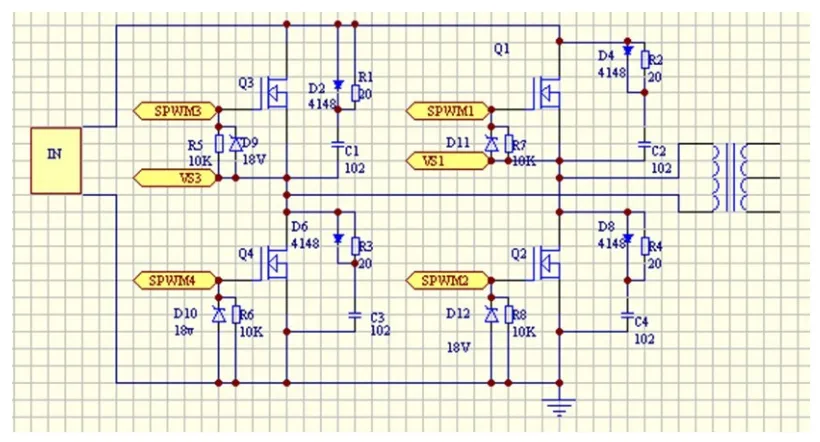
500W Lead-Acid Battery Charging System
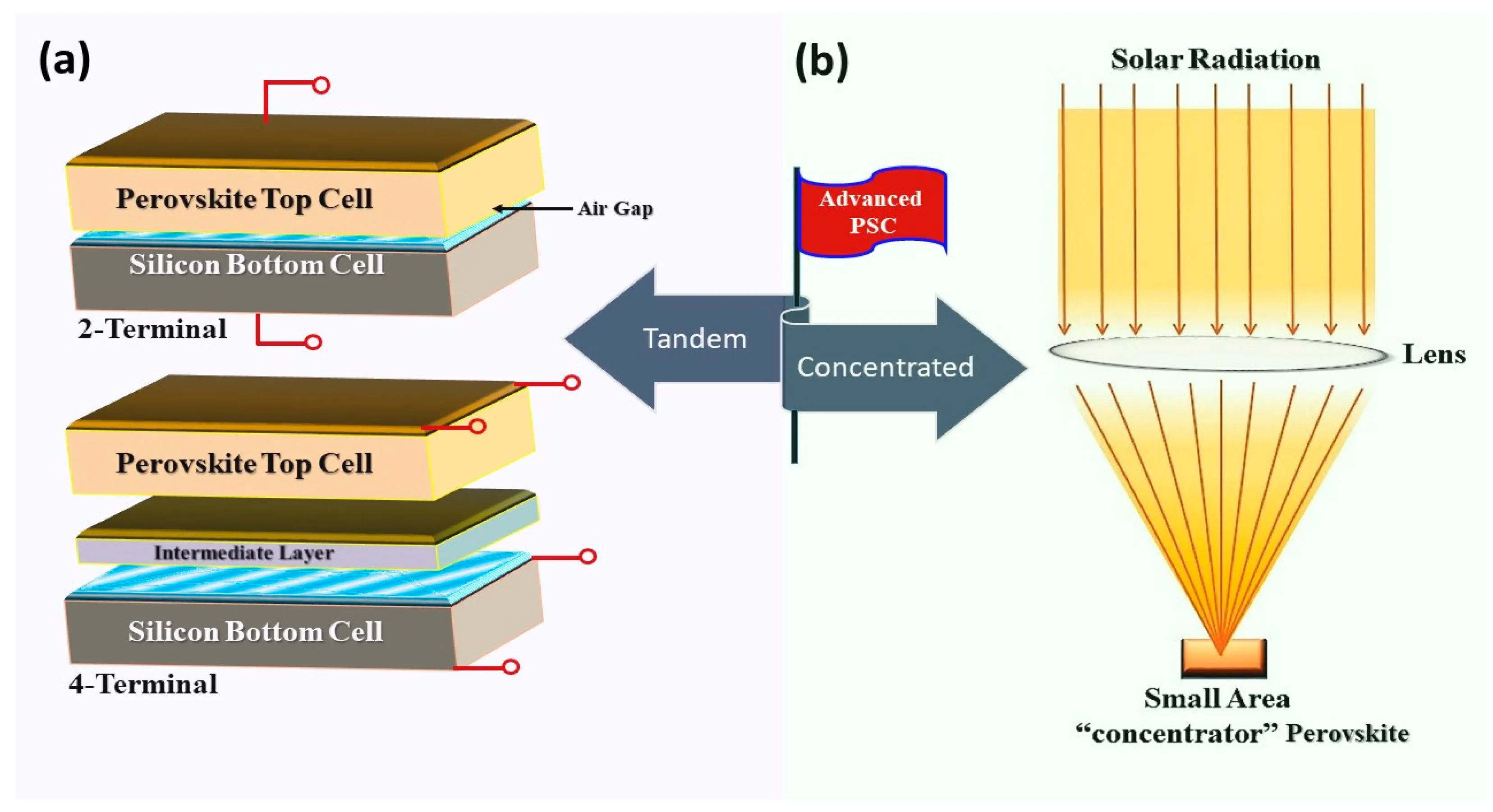
Essential Tests for Perovskite Solar Cell Stability
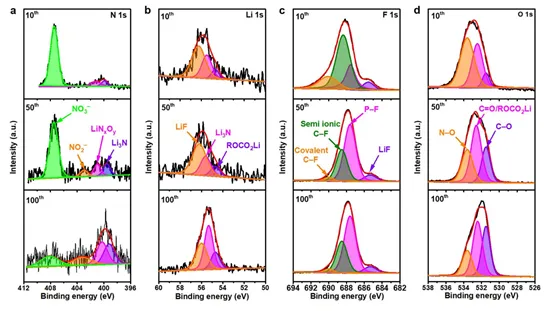
Charged Li-Ion Channels Suppress Dendrite Growth on Lithium Metal Anodes
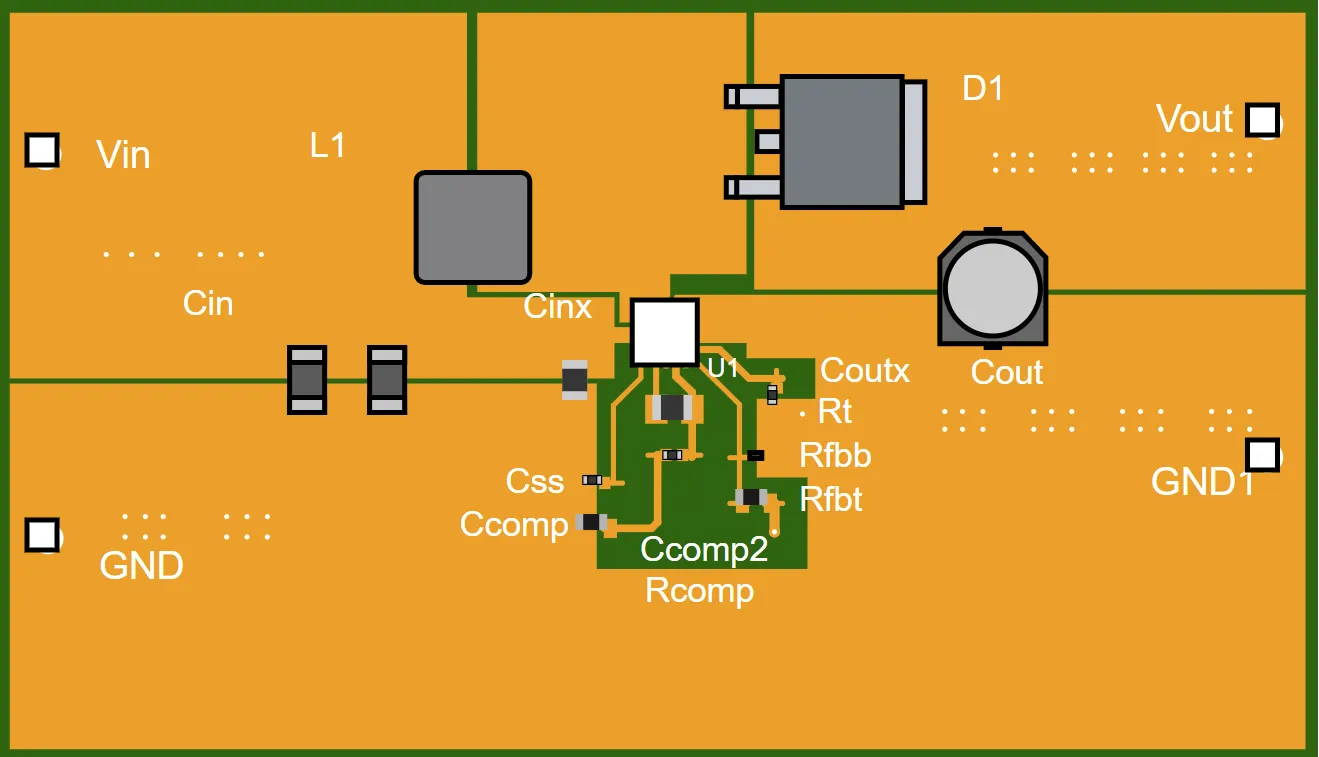
Reducing Switching Noise at Boost Converter Outputs
DC-DC Switching Power Supply Design Principles
Raising Line Voltage with Buck-Boost Transformers
PCB Layout for High-Switching-Frequency Regulators
Impact of Solid-State Battery Development on Polymer Materials