 01:09
01:09
Rigid-Flex Design
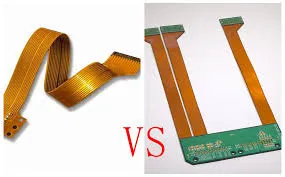
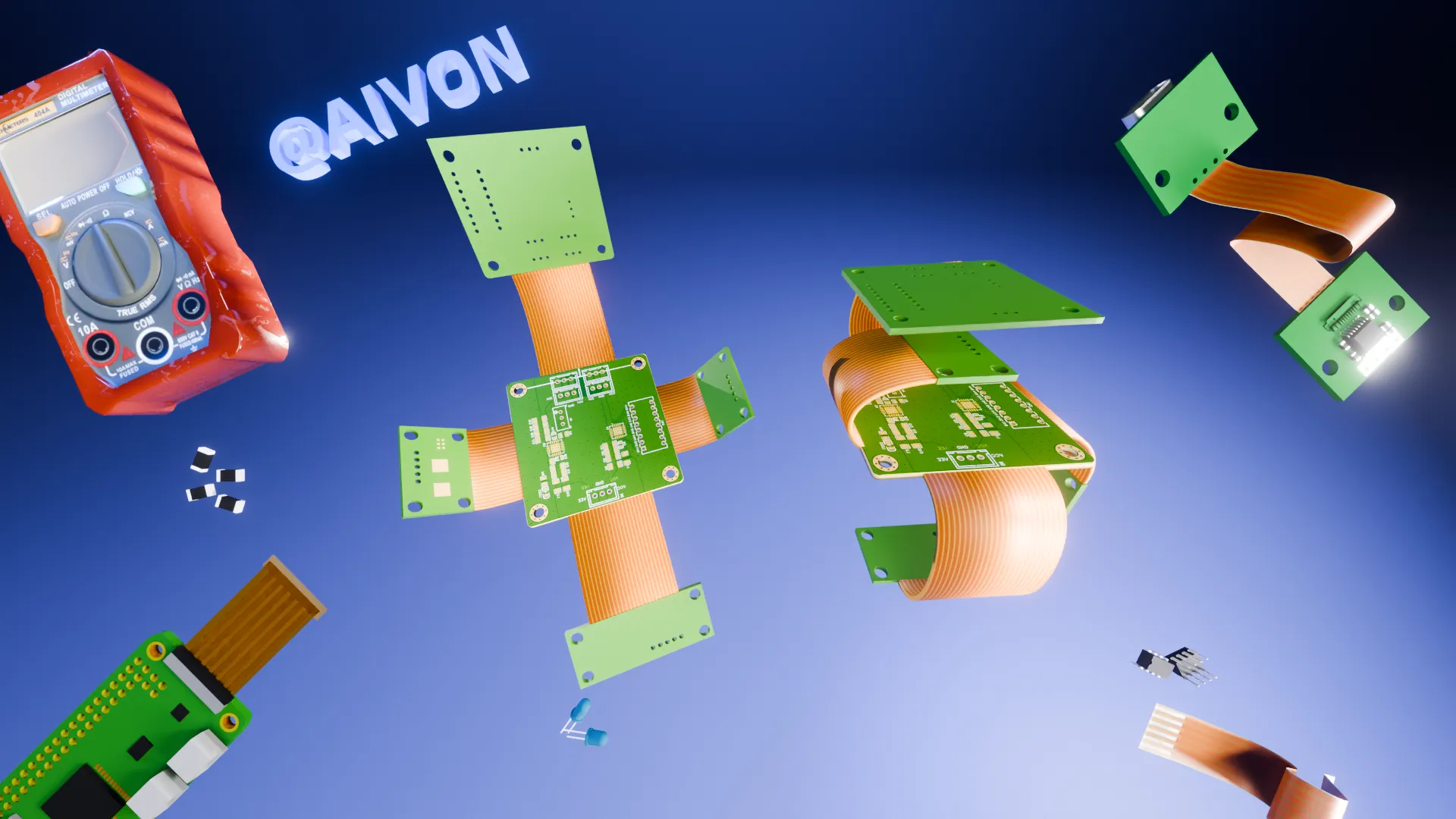
Rigid-flex design represents a sophisticated approach in printed circuit board (PCB) engineering, integrating rigid and flexible substrates into a single, cohesive unit. This hybrid technology allows for greater design flexibility, enabling circuits to bend and fold while maintaining structural integrity in high-stress environments. For engineers and designers searching for rigid-flex design solutions, this tag serves as a comprehensive resource, covering essential topics from initial concept development to advanced implementation strategies. Understanding rigid-flex design begins with its core advantages, such as reduced weight, improved reliability, and enhanced space efficiency compared to traditional rigid PCBs. These boards are particularly valuable in applications like aerospace, medical devices, automotive electronics, and consumer wearables, where compact form factors and durability are critical. Users arriving via this keyword often seek practical guidance on overcoming common challenges, including material selection, layer stacking, and impedance control to ensure signal integrity. For instance, selecting appropriate polyimide films for flexible sections can prevent failures under repeated bending, while incorporating stiffeners in rigid areas enhances mechanical stability. This tag aggregates articles that delve into best practices for rigid-flex design, such as optimizing via placement to minimize stress points and employing simulation tools for thermal and mechanical analysis. Readers can find actionable insights on manufacturing processes, including lamination techniques and testing protocols that comply with industry standards like IPC-6013. By exploring these resources, professionals can refine their designs to achieve cost-effective production and superior performance, ultimately accelerating project timelines in competitive markets. Whether you are troubleshooting assembly issues or innovating new prototypes, the content here equips you with the knowledge to implement rigid-flex design effectively. Articles also address emerging trends, such as integrating rigid-flex with high-speed data transmission, providing a foundation for staying ahead in electronics development.
Video Guide
-
01:09
Technical Articles

PCB Mass Production image

CAM Confirmation of Fiducial Marks on a 205 × 20 mm 6-Layer Rigid-Flex Panel

Rigid-Flex PCBs in Avionics: A Flexible Solution for Complex Systems
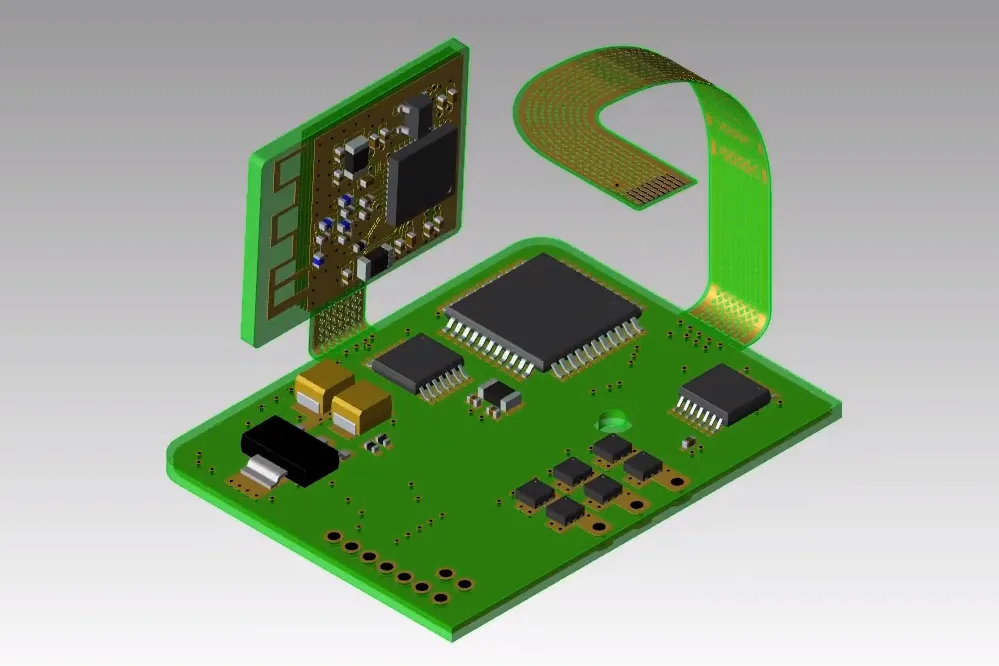
Rigid-Flex PCBs: The Ultimate Solution for Complex Wearable Health Monitors
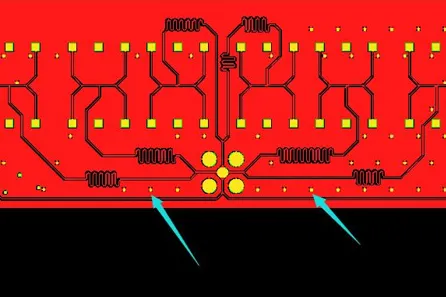
How to Fix CAM Issues in 4-Layer Rigid-Flex PCB Designs
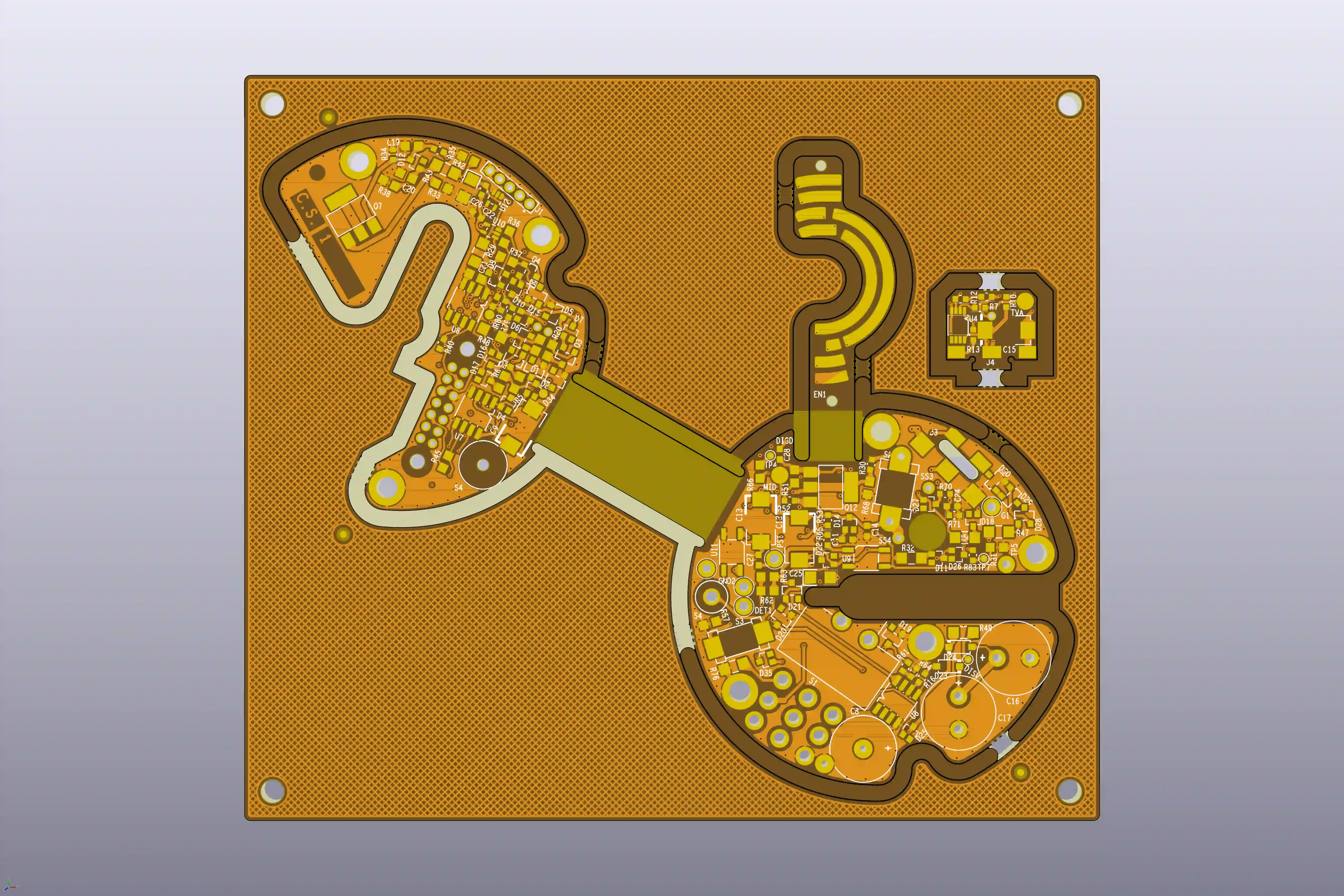
How to Avoid Edge Clearance and Via Plugging Issues in 4-Layer Rigid-Flex PCB
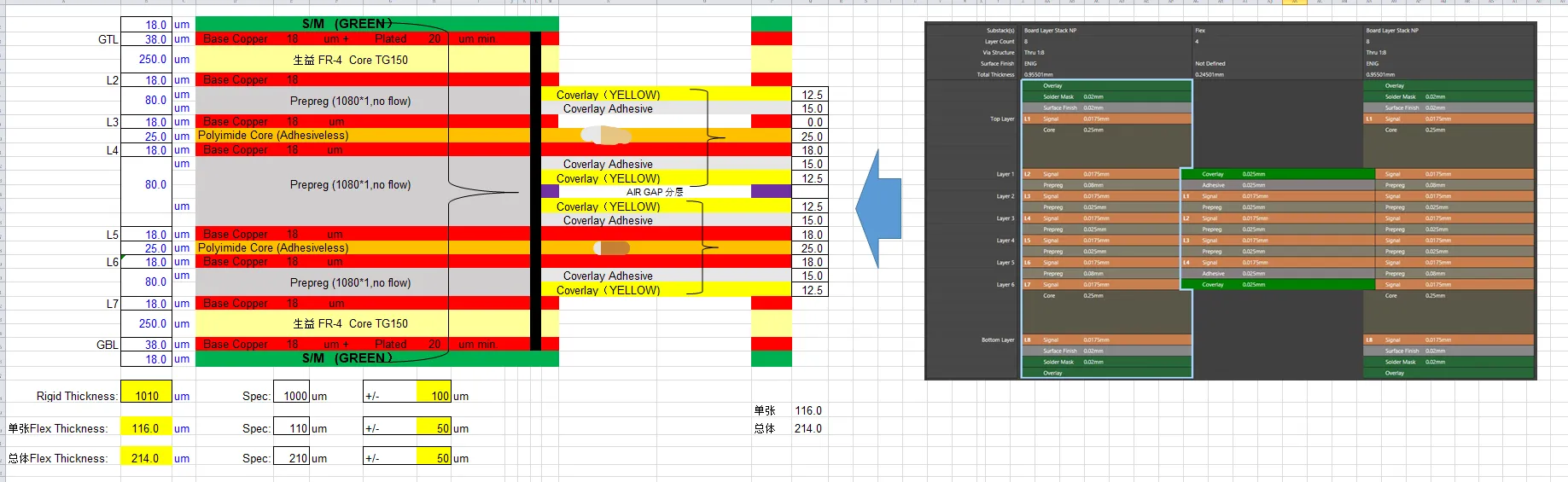
Rigid-Flex 8-Layer PCB Stackup, Via-in-Pad & Transition Zone Fixes
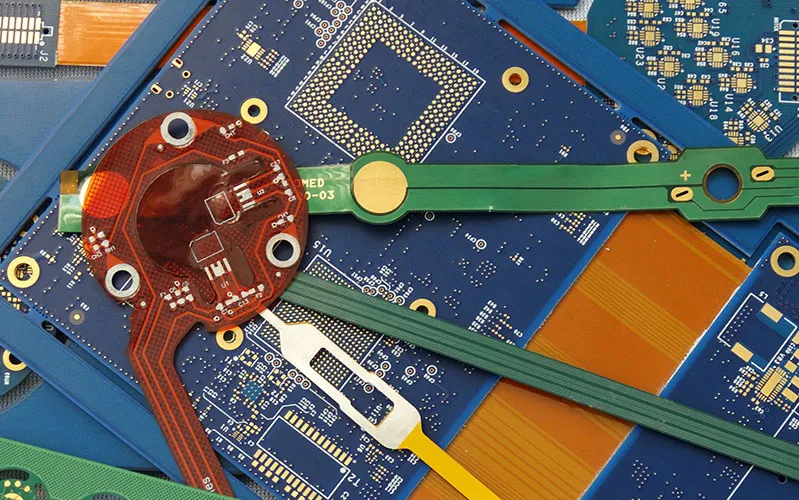
The Ultimate Guide to Rigid-Flex PCB Manufacturing: Mastering Complexity and Reliability at Scale
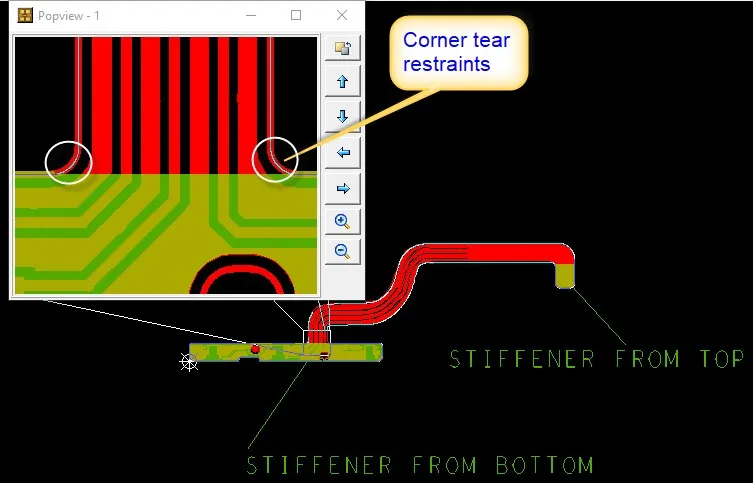
Bend Radius Matters: Calculating and Implementing Optimal Flex to Rigid Transition Zones

Rigid-Flex PCB Applications: The Ultimate Guide for Modern Design
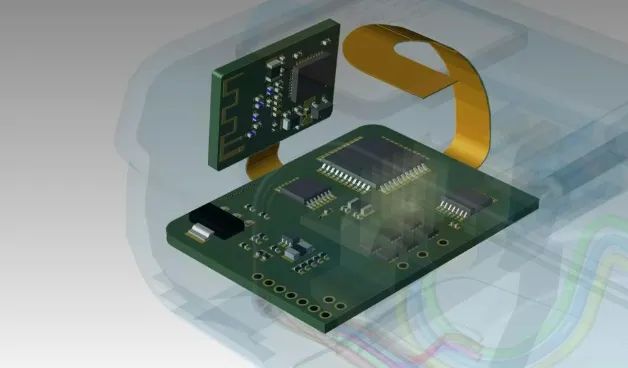
The Ultimate Guide to Rigid-Flex PCB Design: Mastering Reliability, Complexity, and Cost

Understanding CIS Camera Chips and CMOS Image Sensors: Technology and PCB Integration
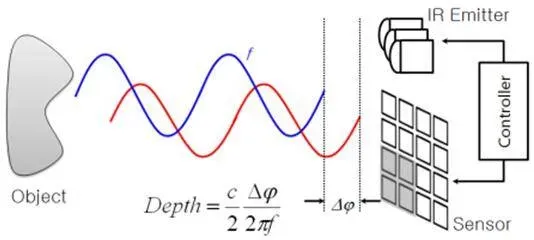
Principles of 3D Vision Measurement and Time-of-Flight (ToF) Depth Sensing: Active, Passive, and Emerging Sensor Technologies
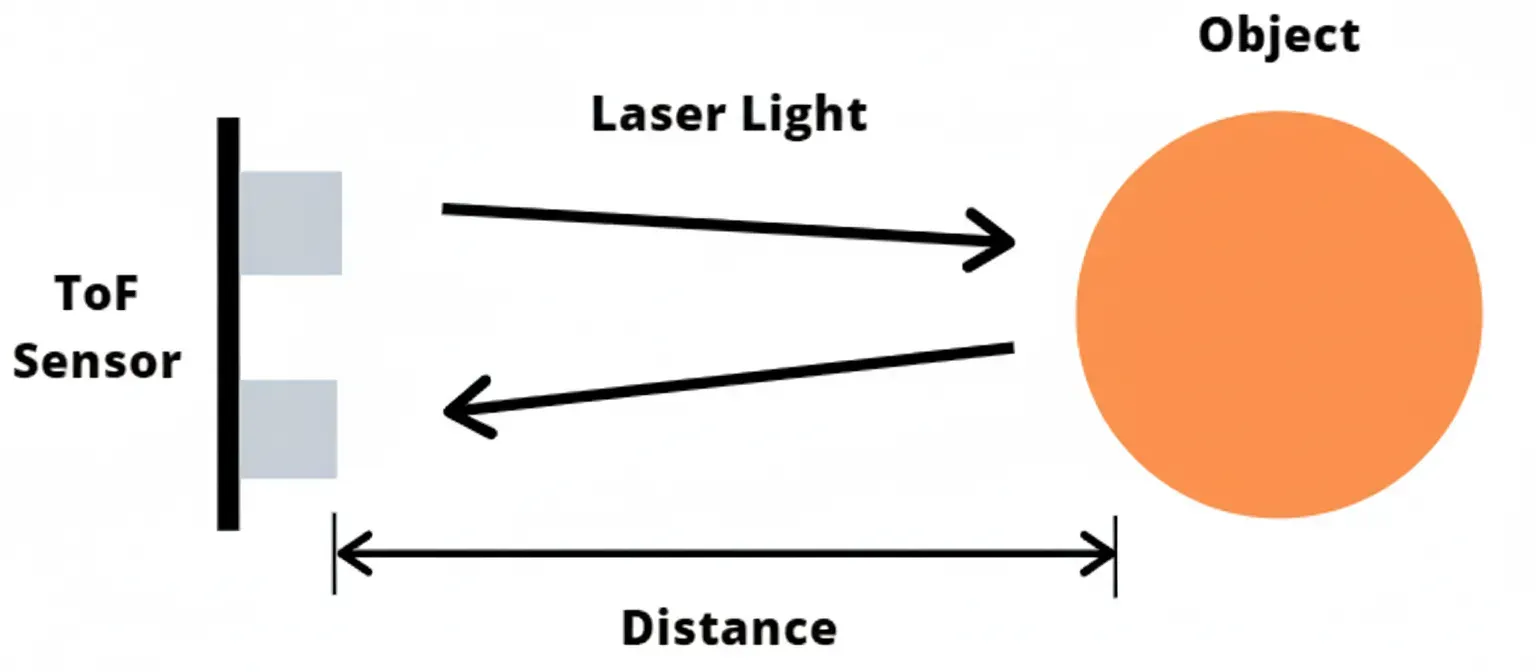
ToF Sensors: Principles, Advantages, Limitations, and Electronics Integration
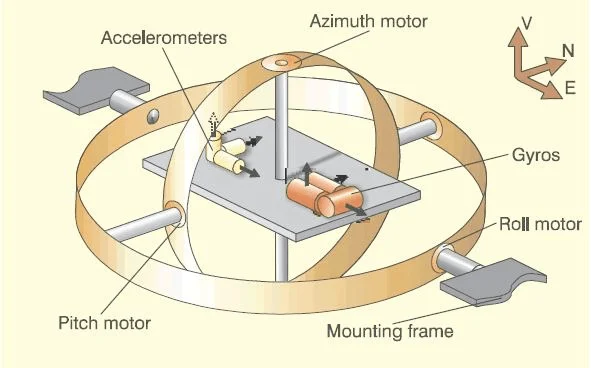
Inertial Navigation Technology: Principles, Systems, and Electronics Integration
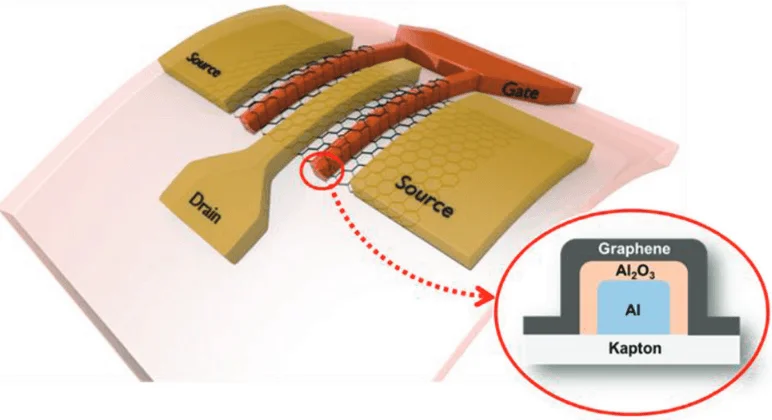
Graphene in Flexible Sensors: Applications, Properties, and PCB Integration Challenges
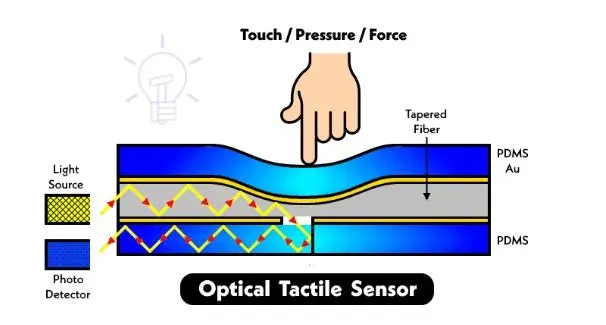
Tactile Sensors: Principles, Types, and Integration in Electronics and Robotics

Optoelectronic Sensor Technology: Principles, Applications, and PCB Integration

Displacement Sensors: Types, Principles, and PCB Integration in Electronics Systems