










Industrial Control
Industrial Control systems form the backbone of modern manufacturing and automation, enabling precise management of machinery, processes, and environments across diverse sectors. In this category, we delve into the intricacies of designing, implementing, and optimizing control solutions that integrate PCBs, sensors, actuators, and embedded software. From programmable logic controllers (PLCs) to advanced SCADA systems, Industrial Control encompasses technologies that ensure reliability, efficiency, and safety in high-stakes operations. Our articles provide comprehensive guides on essential topics, such as selecting robust components for harsh industrial environments, troubleshooting common failures in control circuits, and incorporating IoT connectivity for real-time monitoring. Tutorials walk through practical steps for building custom control panels, while insights explore emerging trends like edge computing and AI-driven predictive maintenance. Best practices focus on compliance with standards like IEC 61131 and strategies for minimizing downtime, helping engineers and technicians enhance system performance and longevity. The practical value of Industrial Control lies in its direct impact on real-world applications, from automating assembly lines in automotive plants to regulating temperature in chemical processing facilities. By addressing challenges like electromagnetic interference and power management in PCB layouts, this category equips professionals with actionable knowledge to tackle complex projects. Readers will find a wealth of resources that bridge theoretical concepts with hands-on implementation, fostering innovation in fields such as robotics, energy management, and smart factories. Whether you are refining existing systems or embarking on new designs, the content here offers in-depth perspectives to advance your expertise. Articles cover everything from basic relay logic to sophisticated distributed control architectures, ensuring a broad understanding of how these technologies drive productivity and sustainability in industrial settings.
Latest Blogs
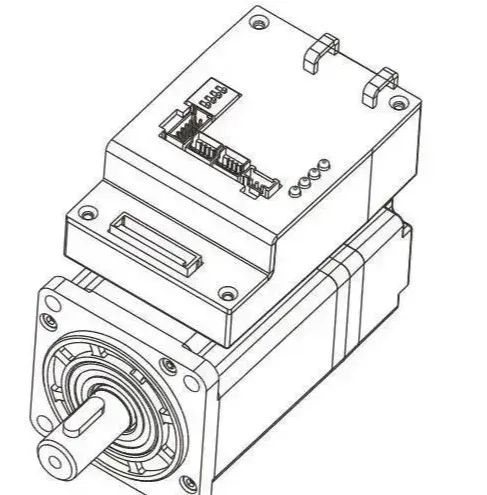
Servo System Faults Causing Jitter and Fixes
Technical guide to diagnosing and mitigating servo motor jitter, covering mechanical issues, speed-loop tuning, servo system faults, load inertia and electrical troubleshooting.
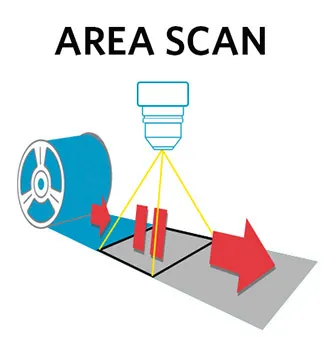
Principles and Types of Industrial Area-Scan Cameras
Overview of area-scan cameras for machine vision: imaging principles, sensor types (CCD/CMOS), key parameters (pixel size, frame rate), applications and defect detection.
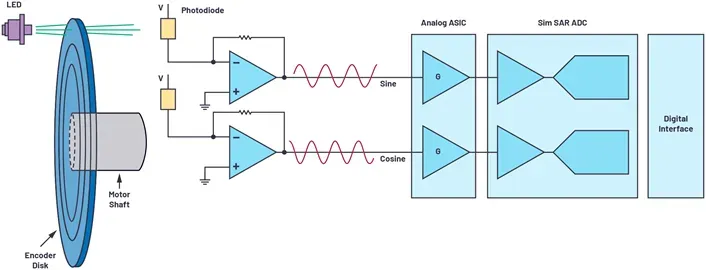
Motor Position Sensing in High-Speed Small-Form Applications
Design considerations for motor position feedback using optical encoders and high-speed dual-channel ADCs: optimizing sampling, resolution, and compact signal chains.
Servo Motor Brake Resistors: Selection and Installation
Guide to brake resistor application, selection and installation for servo motors: sizing by voltage, power and resistance, heat dissipation, mounting and wiring best practices.
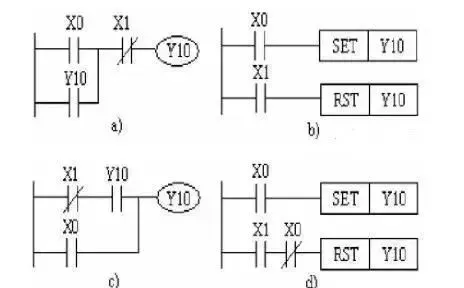
Common PLC Control Circuit Patterns
Overview of common PLC ladder diagram control circuits—start/latch/stop, multi-location, interlock, sequential, forward/reverse motor, centralized vs distributed control.

What Is an Inverter? How It Works
Technical overview of inverter operating principles, from electromechanical switching and square?wave outputs to electronic sine?wave generation and DC?to?AC conversion.
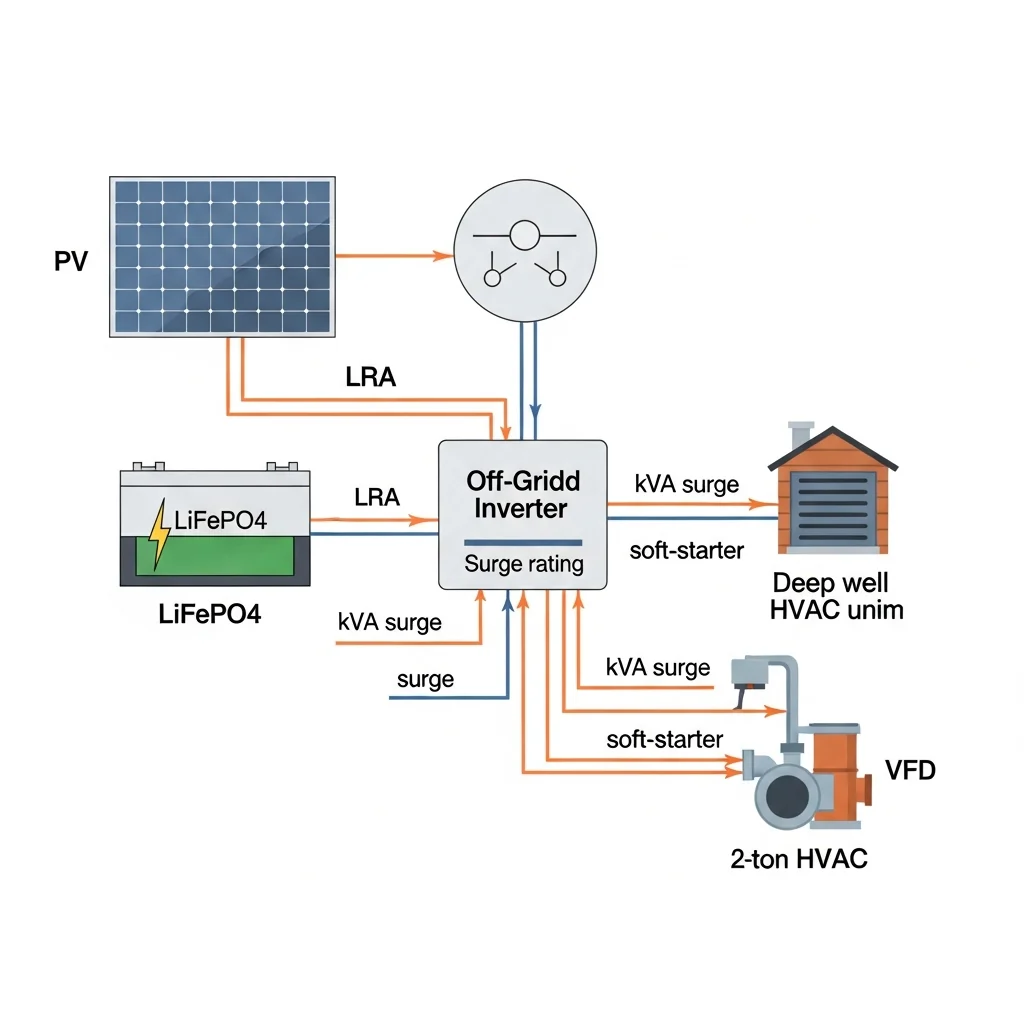
Impact of Inverter Voltage Settings on Motor Performance
Case analysis of how incorrect inverter voltage settings caused overmodulation and large motor current oscillations; discusses V/f control, bus voltage and tuning.

Machine Vision Systems: PCB Design and Manufacturing Considerations for Industrial Cameras, Lighting, and AI Integration
Explore essential PCB engineering considerations for machine vision systems, including signal integrity, thermal management, EMI/EMC compliance, and high-speed design for industrial cameras, illumination, and AI processing. Learn how advanced PCB manufacturing enables reliable, high-performance vision solutions.
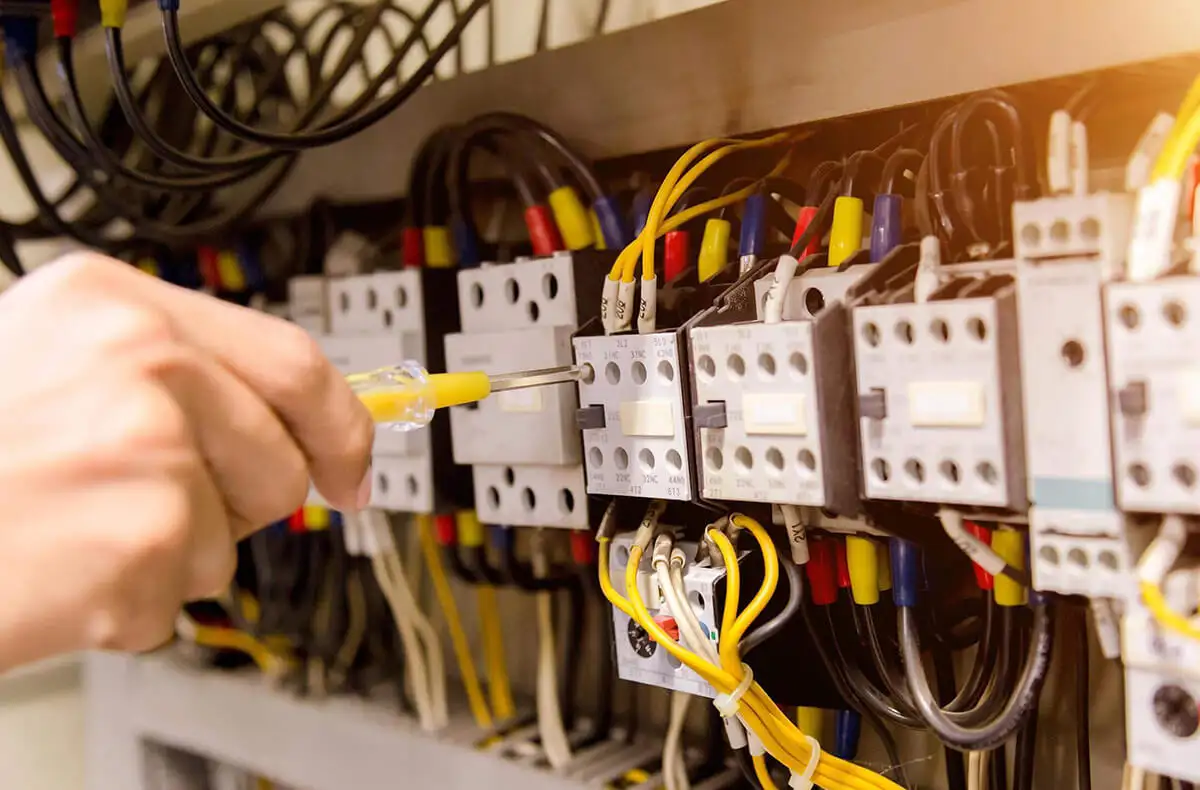
Choosing Circuit Breakers, Contactors and Wires by Motor Power
Technical guidance to size circuit breaker, contactor and conductors for three-phase motors: selection rules, examples (7.5 kW, 15 kW), and power calculation.
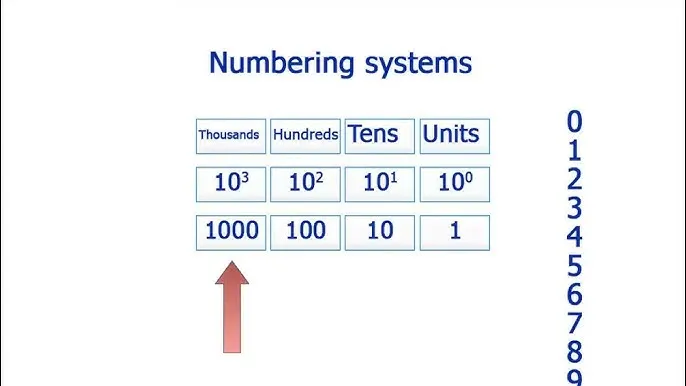
Converting Common Number Systems in PLCs
Guide to number systems and base conversions used in PLCs, covering binary, hexadecimal, octal, BCD, ASCII and IEEE 754 floating-point formats and methods.
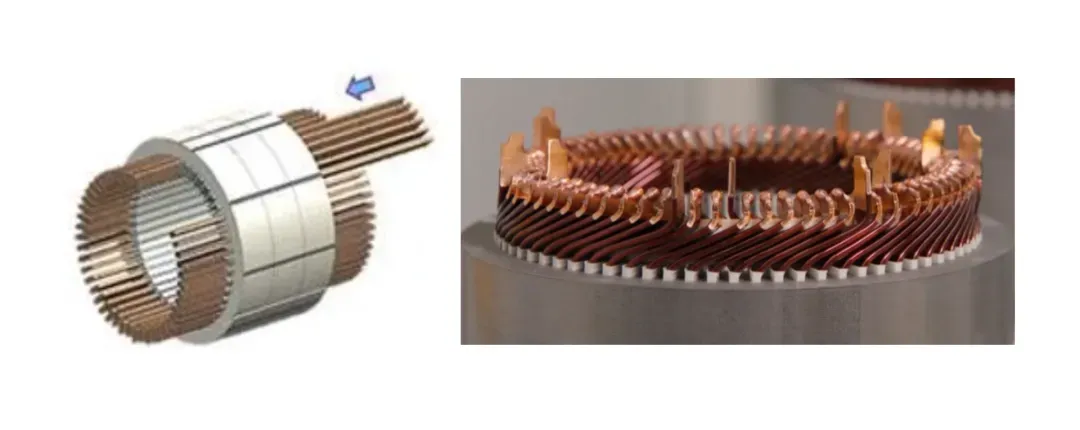
Common Flat-Wire Motor Windings for Automotive Drives
Analysis of flat-wire winding methods and transposition technology for 800V automotive drive motors, covering hairpin, I?pin types, cooling, losses, and manufacturing impacts.
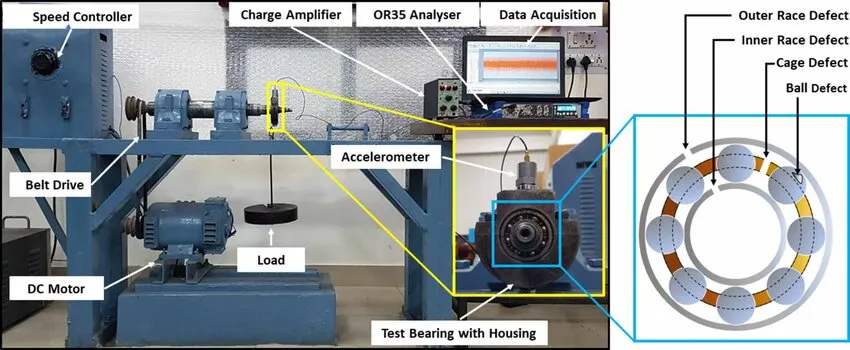
Bearing Fault Diagnosis Methods: Vibration Analysis & Predictive Maintenance in Industrial Systems
Explore five proven methods for bearing fault diagnosis—including vibration analysis, temperature monitoring, and acoustic emission—in industrial control applications. Learn engineering insights, manufacturing considerations, and the role of reliable electronics and PCB technologies in enabling effective condition monitoring systems.


