 00:40
00:40
Fabrication Cost
Understanding the intricacies of PCB fabrication costs is essential for engineers, designers, and manufacturers aiming to balance quality with budget constraints in electronics projects. The Fabrication Cost tag on this blog aggregates articles that delve into the various factors influencing these expenses, from material selection and layer count to production volume and turnaround time. By exploring these resources, you can gain a clearer picture of how design choices directly impact the bottom line, helping you make informed decisions that optimize both performance and affordability. Key elements covered under this tag include breakdowns of cost drivers such as board size, complexity, and surface finishes, along with strategies for cost reduction without compromising reliability. For instance, opting for standard materials or simplifying layouts can significantly lower expenses, while understanding economies of scale in high-volume runs offers practical ways to manage large-scale production. Articles also address common pitfalls, like hidden fees from prototyping or rush orders, and provide calculators or estimation tools to forecast expenses accurately. Whether you are a hobbyist prototyping a new gadget or a professional scaling up for commercial release, the insights here equip you with best practices for negotiating with fabricators and selecting the right processes. Dive into specific topics like comparing domestic versus overseas manufacturing or evaluating the trade-offs between quick-turn and standard fabrication to refine your approach. This collection serves as a valuable reference for minimizing costs while maintaining high standards in PCB development.
Video Guide
-
00:40
Technical Articles
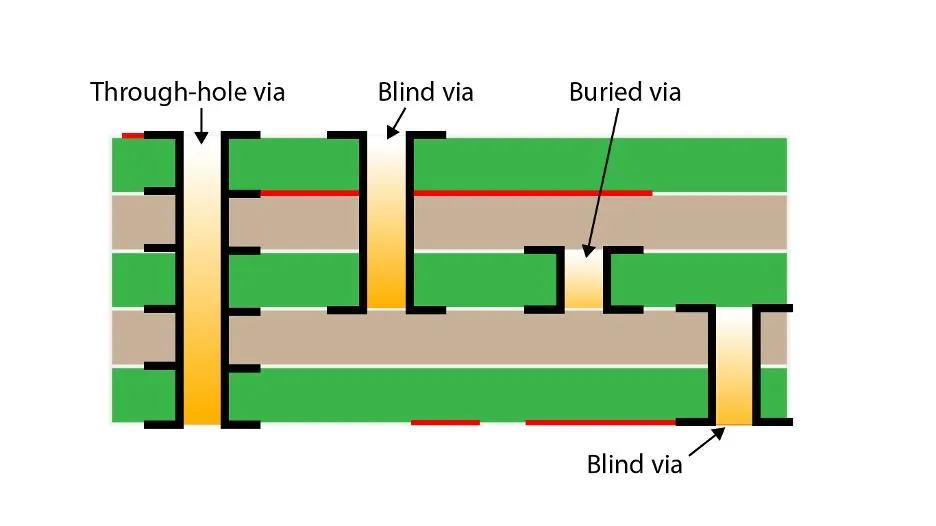
PCB Design Using Blind or Buried Vias Could Lower Fabrication Costs
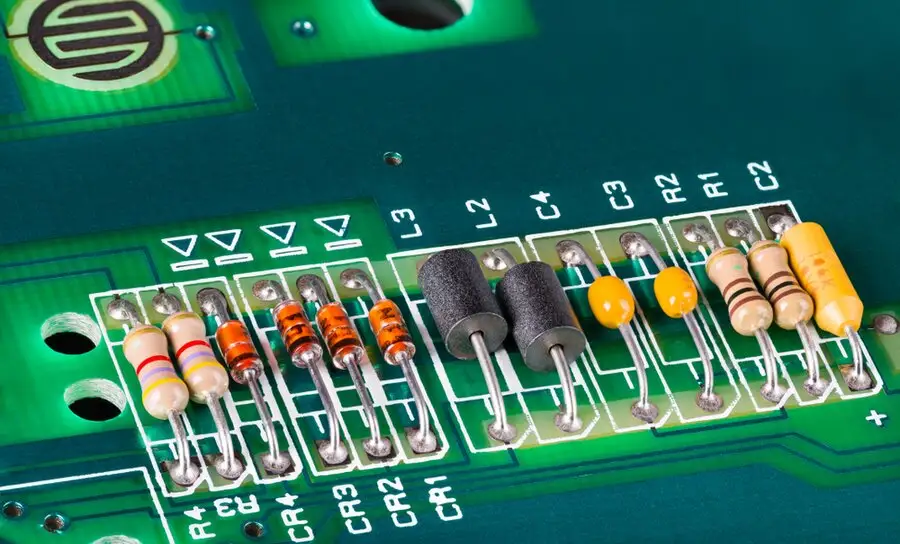
How to Choose the Right PCB Prototyping Service: A Comprehensive Comparison
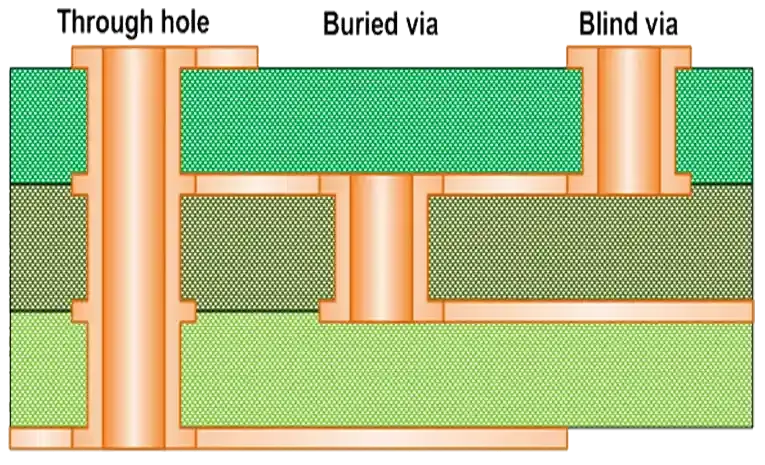
Cost Effective Buried Via Implementation: Balancing Performance and Price
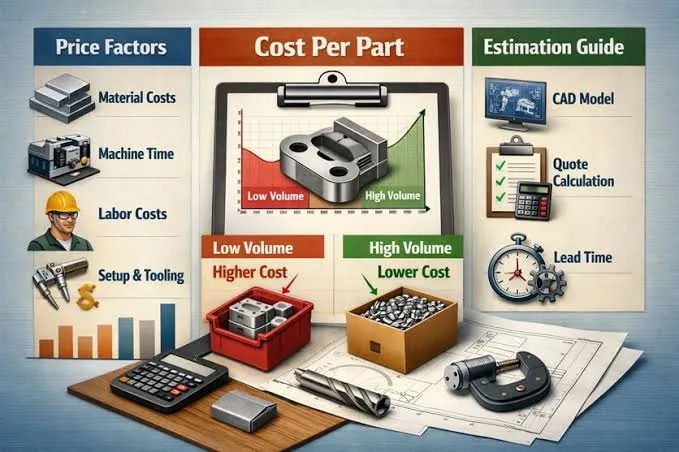
CNC Machining Cost Guide: What Factors Affect Pricing?