FR4 PCB
FR4 PCB materials represent the cornerstone of modern printed circuit board design, offering a reliable and cost-effective foundation for a wide range of electronic applications. Composed of woven fiberglass cloth impregnated with an epoxy resin binder, FR4 stands for Flame Retardant 4, indicating its compliance with UL94 V-0 flammability standards. This makes it an ideal choice for engineers and hobbyists seeking durable substrates that withstand high temperatures, mechanical stress, and electrical demands without compromising performance. For those searching for FR4 PCB information, understanding its key properties is essential for informed decision-making in PCB fabrication. It boasts excellent dielectric strength, low moisture absorption, and thermal stability up to 130°C or higher, depending on the grade. These attributes support its widespread use in consumer electronics, automotive systems, telecommunications equipment, and industrial controls. Practical applications include multilayer boards for complex circuits, where FR4's dimensional stability ensures precise layer alignment during manufacturing. Best practices involve selecting the appropriate thickness—typically ranging from 0.4mm to 3.2mm—to balance rigidity and flexibility, while considering copper clad laminates for optimal signal integrity. Engineers should also account for CTE (coefficient of thermal expansion) matching to prevent delamination in high-heat environments. Delving deeper into FR4 PCB topics can enhance your projects, from prototyping to production. Articles linked under this tag explore comparisons with alternative materials like CEM-3 or polyimide, troubleshooting common issues such as warping, and guidelines for eco-friendly sourcing. Whether you are optimizing board layouts for signal speed or ensuring compliance with RoHS standards, these resources provide the technical depth needed to achieve reliable results in your electronics endeavors.
Technical Articles
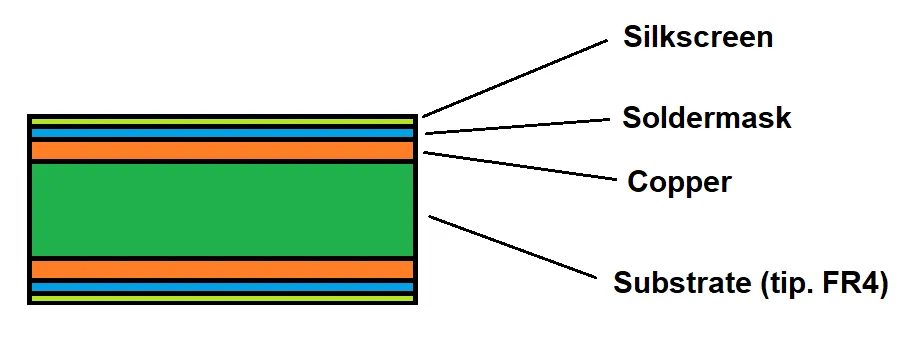
Optimizing PCB Dielectric Thickness for Enhanced Signal Integrity

FR-4 PCB Design for Wearable Technology: Balancing Size, Weight, and Performance
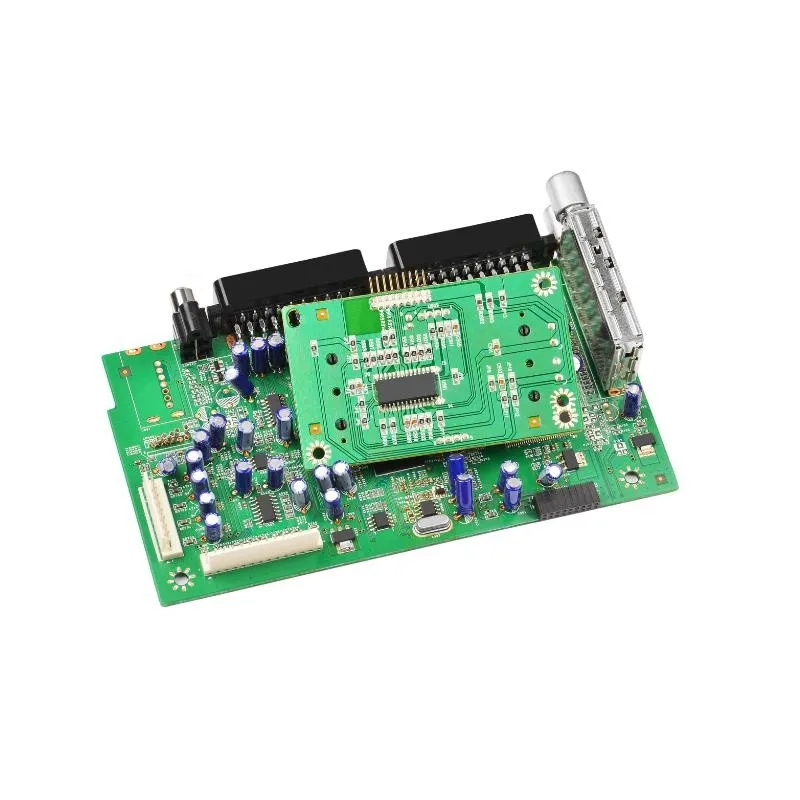
Beyond FR 4: Rogers PCBs for Demanding Applications
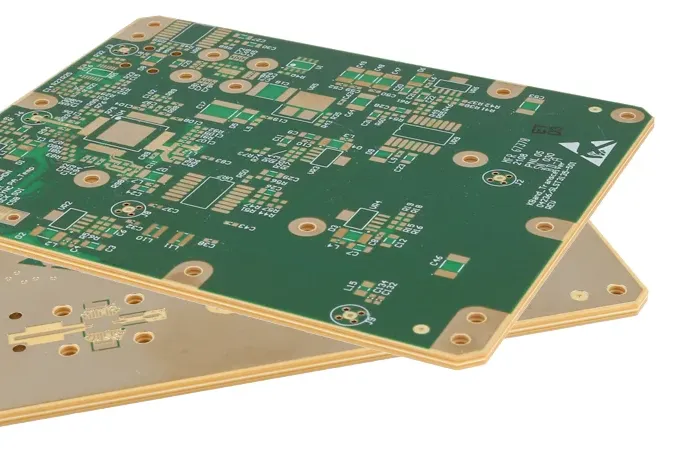
FR 4 PCB Assembly Techniques: A Comprehensive Guide
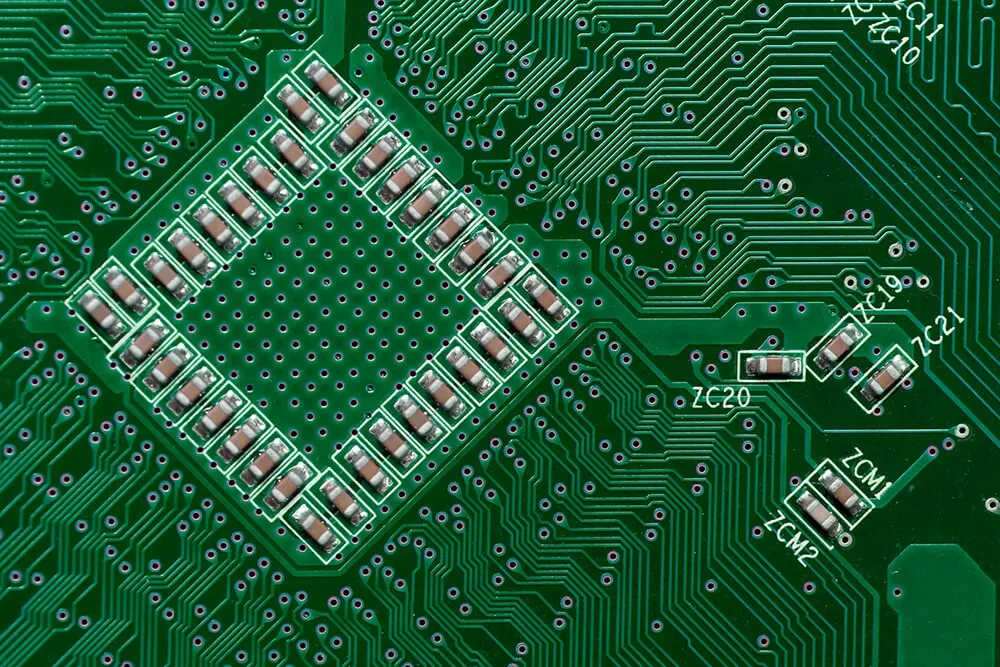
Exploring the World of Multilayer FR-4 PCBs: Design, Manufacturing, and Applications
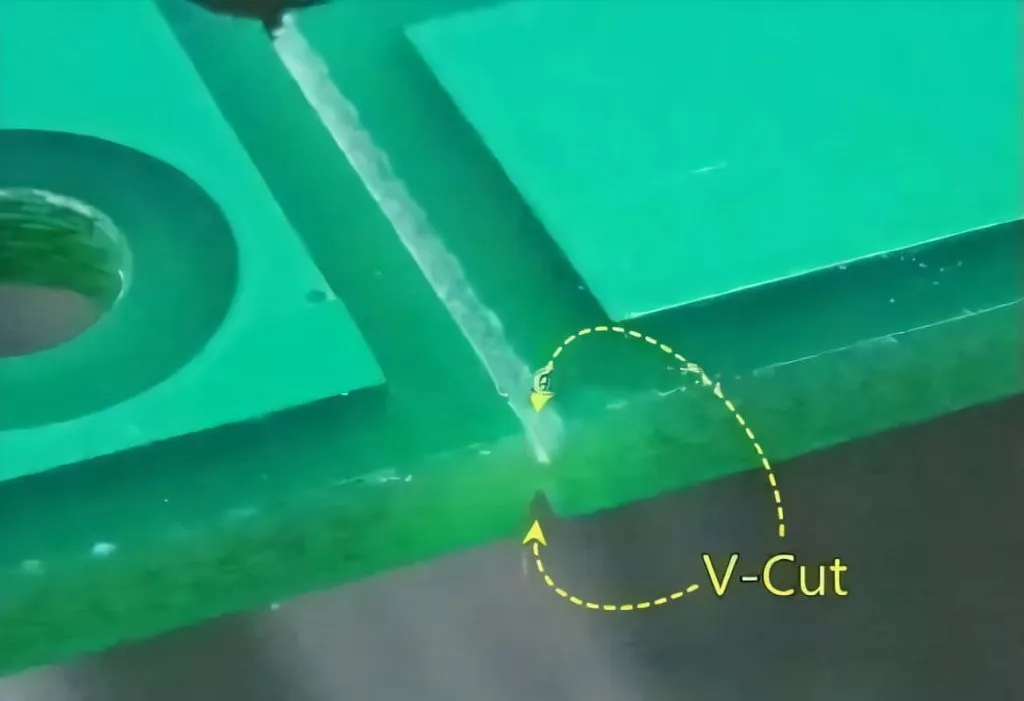
Making the Cut: Choosing the right PCB depaneling Method
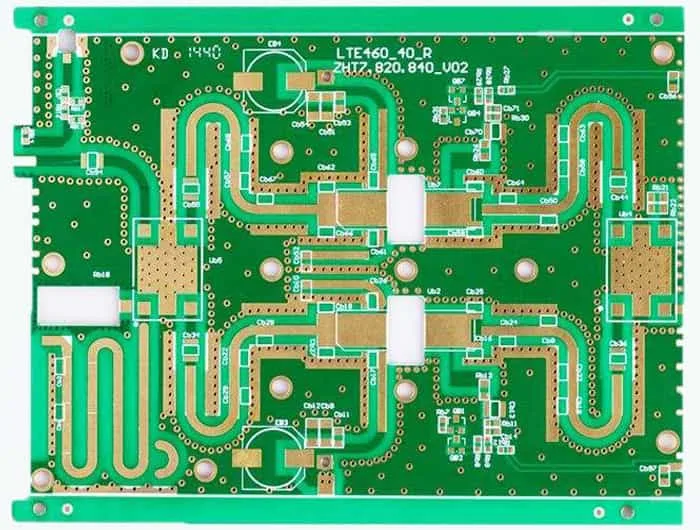
Beyond FR 4: Selecting the Right Substrate for Your Embedded Component PCB
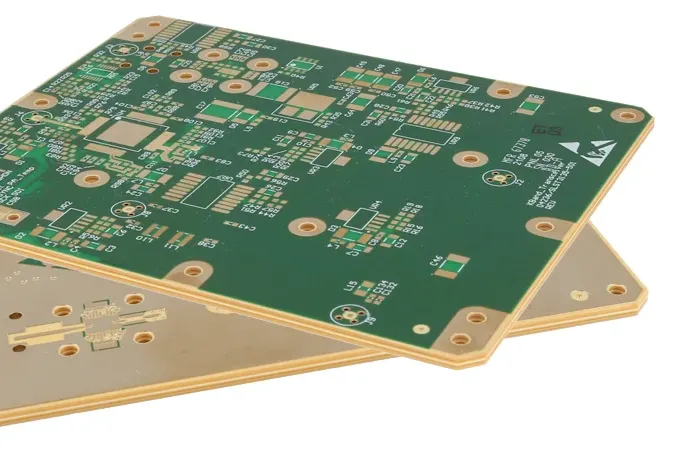
The Complete Guide to FR-4 Material Finishes for Optimal Performance
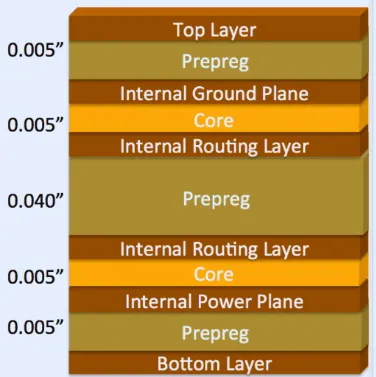
Choosing the Right PCB Layer Thickness: A Comprehensive Guide
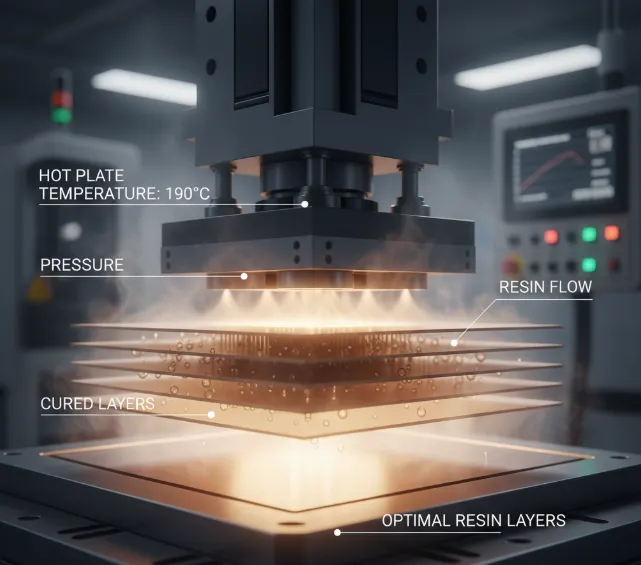
PCB Lamination Temperature Control: A Guide to Process Optimization
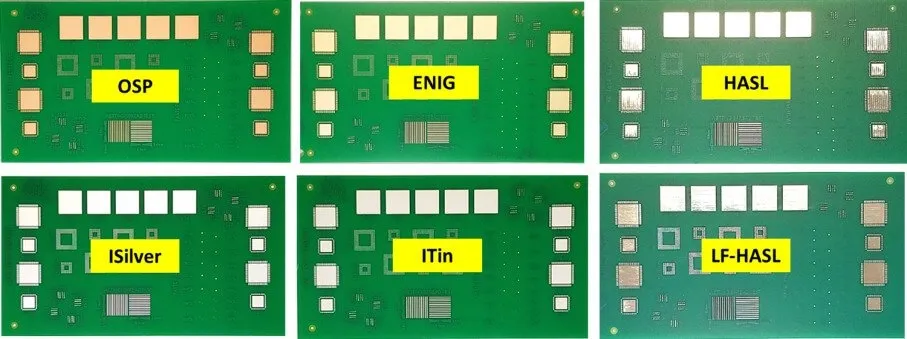
Exploring Different Finishes for FR 4 PCBs: HASL, ENIG, and More
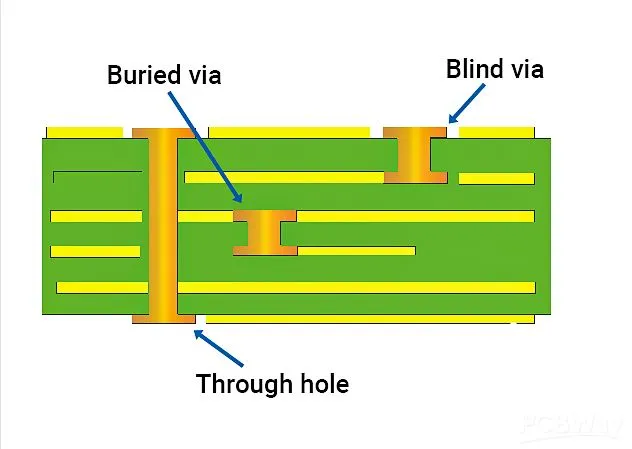
FR 4 PCB Vias: Types, Design Rules, and Manufacturing Considerations
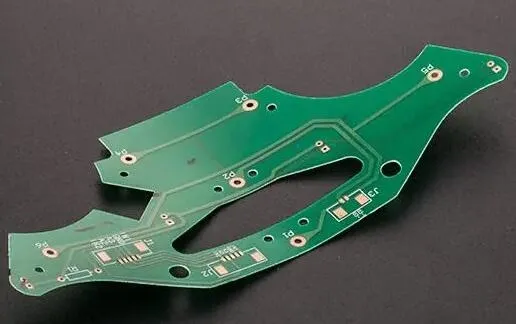
FR-4 PCB Design Fundamentals: A Beginner's Step-by-Step Guide
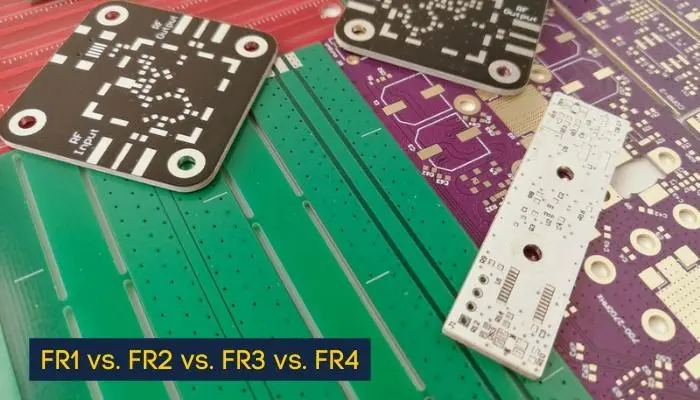
FR1 vs FR2 vs FR3 vs FR4: How to Choose the Right PCB Material
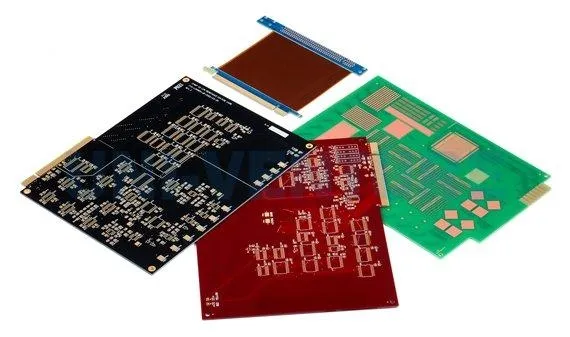
What are the Key Differences of FR1 vs. FR2 vs. FR3 vs. FR4?
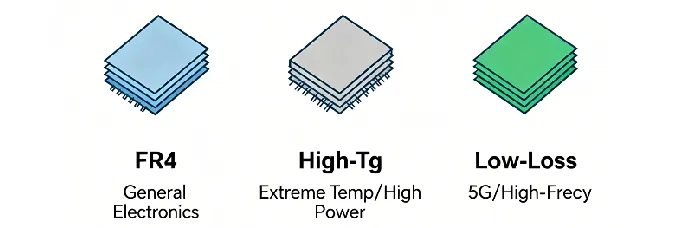
FR4 vs High-Speed PCB Materials: Which Is Better for High-Frequency Designs?
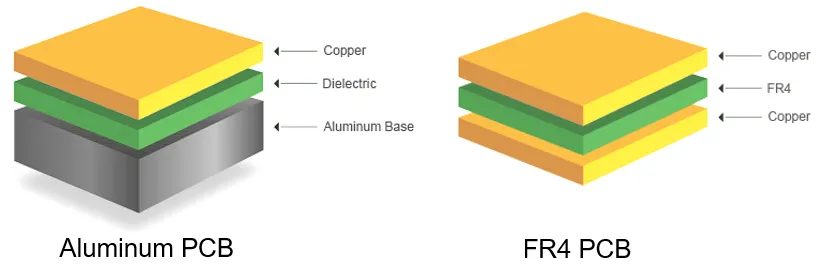
FR4 vs Aluminum PCB: Which Is Better for Thermal Management?
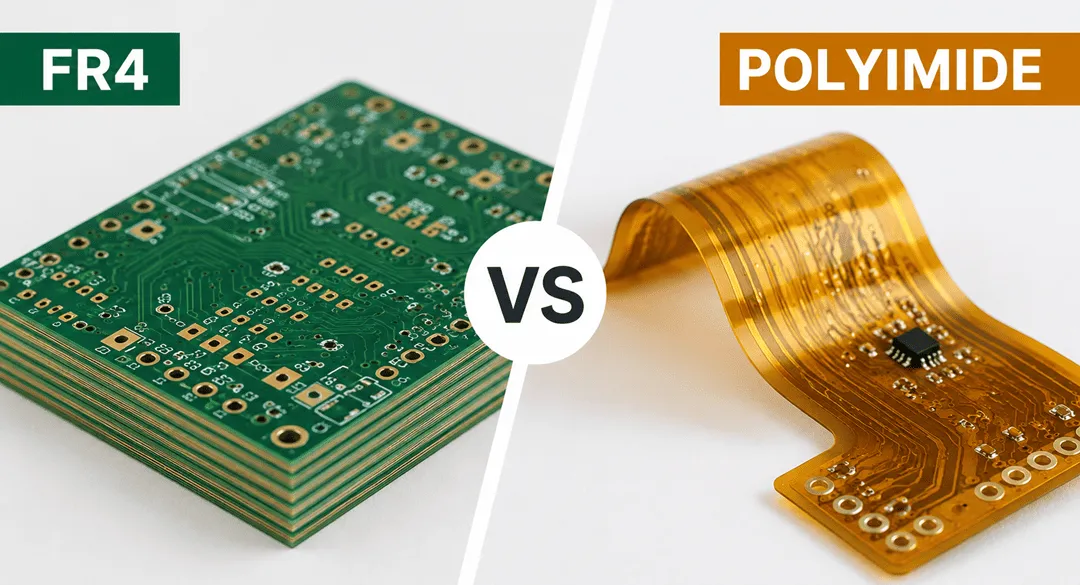
FR4 vs Polyimide PCB: Which Material Is Better for Your Application?